Using Sesame Oil In Stir-Frying
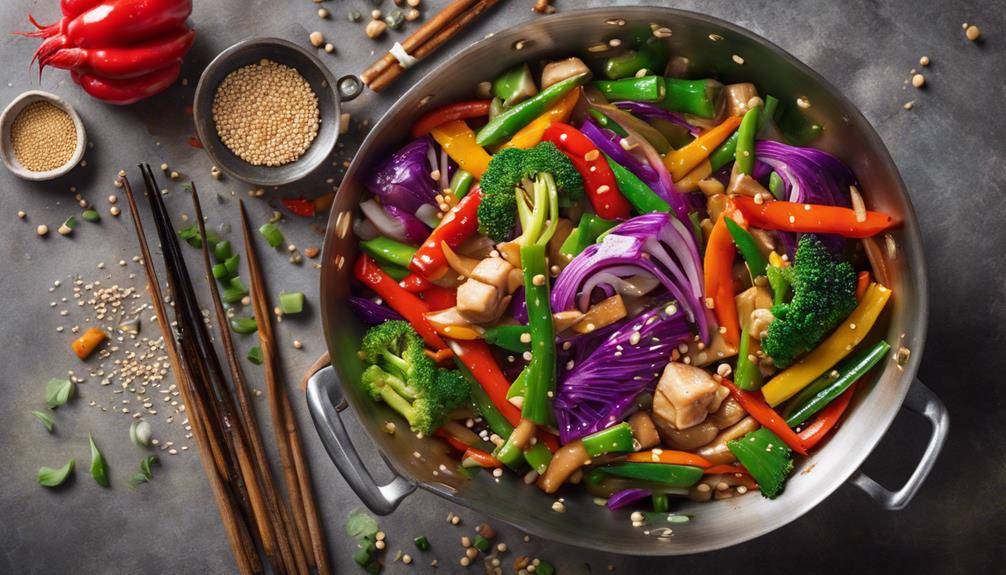
Using Sesame Oil In Stir-Frying: Using sesame oil in stir-frying adds a rich, nutty flavor to your dishes while benefiting from its high smoke point. Light sesame oil is perfect for high-heat cooking, ensuring you achieve that perfect sear without burning. Plus, it complements a variety of ingredients like garlic, ginger, and vegetables. Just remember to add sesame oil towards the end of cooking for maximum flavor infusion. A drizzle over your finished stir-fry not only enhances taste but also gives your dish a beautiful sheen. If you want tips on combining ingredients or trying new recipes, there's more to explore!
Click Here and Turn Every Masterpiece into a Showstopper!
What Is Sesame Oil?
Sesame oil is a flavorful oil derived from sesame seeds, commonly used in various Asian cuisines. Its origins date back thousands of years, with historical records indicating that sesame was cultivated in India and Africa long before spreading to other parts of the world. You'll find that this oil not only adds depth to dishes but also carries a rich cultural history.
When you're exploring sesame oil, you'll come across different varieties, each offering unique flavors and uses. The two main types are light sesame oil and dark sesame oil. Light sesame oil, also called refined sesame oil, is extracted from raw sesame seeds. It has a neutral taste and high smoke point, making it perfect for frying or sautéing.
On the other hand, dark sesame oil comes from toasted sesame seeds, giving it a robust, nutty flavor. This variety is often used as a finishing oil to drizzle over dishes or in dressings. Knowing the distinctions between these sesame oil varieties helps you choose the right one for your recipes.
As you incorporate sesame oil into your cooking, keep in mind its health benefits as well. Rich in antioxidants and fatty acids, it can enhance both flavor and nutrition. So, whether you're stir-frying vegetables or marinating meats, sesame oil is a versatile ingredient that can elevate your culinary creations.
Types of Sesame Oil
When cooking with sesame oil, understanding the different types available can greatly enhance your culinary experience. There are primarily two types of sesame oil you should know about: light sesame oil and toasted sesame oil. Each has its unique properties, flavors, and uses, making them suitable for various dishes.
Light sesame oil, often referred to as refined sesame oil, has a mild flavor and a high smoke point, making it perfect for stir-frying and sautéing. Its neutral taste allows the natural flavors of your ingredients to shine through without overpowering them. You can use light sesame oil for frying vegetables, meats, or even in salad dressings where you want a subtle hint of nuttiness.
On the other hand, toasted sesame oil is made from roasted sesame seeds, giving it a rich, nutty flavor and a darker color. This oil is typically used as a finishing oil rather than for cooking at high temperatures. Drizzling toasted sesame oil over dishes just before serving can elevate the taste and add depth to your meals. It's fantastic in dressings, marinades, and dipping sauces, providing that signature sesame taste.
Nutritional Benefits
When you cook with sesame oil, you're not just adding flavor; you're also boosting your meal's nutritional profile. This oil is rich in antioxidants, which help fight free radicals in your body, and it provides healthy fats that support heart health. By incorporating sesame oil into your stir-frying, you're making a smart choice for both taste and nutrition.
Rich in Antioxidants
One of the standout features of sesame oil is its impressive antioxidant content. These antioxidants play a key role in promoting your overall health. When you incorporate sesame oil into your stir-frying, you're not just adding flavor; you're also giving your body a boost of powerful compounds that can combat oxidative stress.
The antioxidant properties of sesame oil, such as sesamol and sesamin, help neutralize free radicals in your body. This means you might reduce the risk of chronic diseases and improve your immune system. Imagine stirring up a colorful vegetable medley in sesame oil, knowing you're enhancing both taste and nutrition.
Moreover, the health benefits don't stop there. Regular consumption of sesame oil may support heart health by contributing to lower blood pressure and cholesterol levels. These factors combined can lead to a healthier lifestyle, making every meal not just tasty but also nourishing.
Healthy Fats Source
Sesame oil stands out as a fantastic source of healthy fats that can enhance your stir-frying experience. When you incorporate this oil into your cooking, you're not just adding flavor; you're also reaping numerous sesame oil benefits. Rich in monounsaturated and polyunsaturated fats, sesame oil helps support heart health and can lower bad cholesterol levels.
Using sesame oil in your stir-fries means you're making a choice that promotes healthy cooking. Unlike many other oils, it has a high smoke point, which allows it to retain its nutritional properties even at high temperatures. This makes it an excellent choice for stir-frying, ensuring that you get the maximum health benefits without compromising on taste.
Moreover, the omega-6 fatty acids found in sesame oil contribute to overall well-being, aiding in brain function and growth. By adopting sesame oil into your cooking routine, you're making a smart decision for both your palate and your health. So, the next time you're whipping up a quick stir-fry, remember that a splash of sesame oil not only elevates the dish but also supports your journey towards healthier eating.
Flavor Profile
When you use sesame oil in stir-frying, you'll notice its distinct nutty aroma and taste that elevate your dishes. This oil not only enhances the complexity of flavors but also pairs beautifully with a variety of ingredients. Get ready to explore how it can transform your cooking experience!
Nutty Aroma and Taste
The nutty aroma and taste of sesame oil can elevate your stir-frying experience to new heights. When you heat sesame oil, its rich and distinctive nutty flavor infuses your dishes, creating a warm and inviting base for your ingredients. This oil isn't just a flavor enhancer; sesame oil benefits your meals by adding depth without overpowering the other elements.
As you stir-fry, you'll notice how the nutty undertones complement vegetables, meats, and seafood, making every bite a delightful experience. Unlike other oils, sesame oil's unique profile stands out, giving your stir-fried dishes an authentic Asian flair.
Using sesame oil in your cooking can also contribute to your health. Rich in antioxidants and healthy fats, it offers significant health benefits while enhancing the taste of your meals. Just a drizzle can transform a simple stir-fry into a gourmet dish, inviting everyone to savor its unique character.
Enhancing Dish Complexity
Elevate your stir-fry by incorporating sesame oil to enhance the dish's complexity and flavor profile. This versatile oil brings a rich, nutty essence that works wonders when layered with other ingredients. By using sesame oil, you're not just adding flavor; you're engaging in a delicious practice of flavor layering. Each component in your stir-fry can shine while complementing the unique taste that sesame oil provides.
Think about how the oil interacts with the vegetables, proteins, and spices you choose. You create ingredient synergy when you pair sesame oil with fresh garlic, ginger, or soy sauce. These combinations amplify the overall experience, making each bite more satisfying. The oil's high smoke point allows it to withstand the heat of stir-frying without losing its character, ensuring that the nutty flavor is present throughout the dish.
To truly maximize the complexity of your stir-fry, consider adding sesame oil at different stages. Drizzling it on top just before serving can intensify the flavors, leaving your guests intrigued by the depth of taste. With sesame oil, your stir-fry goes from ordinary to extraordinary, inviting everyone to savor each mouthful.
Compatibility With Ingredients
Incorporating sesame oil into your stir-fry not only enhances flavor complexity but also harmonizes beautifully with a variety of ingredients. Its nutty, slightly sweet flavor profile makes it a fantastic match for both vegetables and proteins. When you think about sesame oil compatibility, consider pairing it with garlic, ginger, and scallions. These aromatics amplify the oil's depth, creating a fragrant base for your dish.
You can also team sesame oil with leafy greens like bok choy or spinach, where the oil's richness complements their freshness. For proteins, sesame oil works wonders with chicken, beef, or tofu, adding a savory touch that elevates the overall taste.
When it comes to ingredient pairings, don't forget about the versatility of sesame oil in sauces and marinades. It blends well with soy sauce, rice vinegar, and chili paste, giving your stir-fry a well-rounded flavor.
Experimenting with different combinations will reveal just how integral sesame oil can be in your cooking. So, don't hesitate to explore and discover your perfect stir-fry blend!
Smoke Point Considerations
When choosing sesame oil for stir-frying, understanding its smoke point is vital for achieving the best flavor and texture in your dish. The smoke point refers to the temperature at which oil begins to smoke and break down, leading to a loss of flavor stability and potential health concerns. For sesame oil, the smoke point can vary depending on whether you're using refined or unrefined oil. Refined sesame oil typically has a higher smoke point, around 410°F (210°C), making it suitable for high-heat cooking methods like stir-frying. On the other hand, unrefined sesame oil has a lower smoke point, around 350°F (175°C), so it's better suited for drizzling over finished dishes or using in salad dressings.
When stir-frying, it's important to work within the appropriate temperature range to maintain the integrity of the oil and your ingredients. If you exceed the smoke point, not only will you compromise the flavor of the sesame oil, but you might also introduce unwanted bitterness and harmful compounds into your dish. To prevent this, preheat your wok or pan before adding the oil, and keep an eye on the heat level. By being mindful of the smoke point, you can guarantee that the sesame oil enhances your stir-fry, rather than detracts from it. This careful attention to oil selection and cooking temperature will elevate your dish and create a delightful culinary experience.
When to Add Sesame Oil
When you're stir-frying, timing is key for adding sesame oil. You'll want to contemplate the cooking temperature and when to enhance the flavor without losing its unique qualities. Adding it as a final touch can elevate your dish and bring out the best in your ingredients.
Cooking Temperature Considerations
Cooking with sesame oil requires attention to temperature to maximize its flavor and health benefits. You'll want to focus on temperature control throughout your stir-frying process. Sesame oil has a unique oil viscosity that can change based on heat. When heated too high, it can lose its delicate flavor and healthful properties, which is why you should add it at the right moment.
For high-heat stir-frying, you should use a neutral oil, like canola or peanut oil, to start the cooking process. This will allow you to reach the desired cooking temperature without compromising the sesame oil. Once your main ingredients are cooked and the pan is off the heat, it's time to incorporate your sesame oil. This approach preserves its flavor profile and nutritional benefits, giving your dish a delightful finish.
If you're using toasted sesame oil, remember it has a lower smoke point than regular sesame oil. So, it's even more essential to control the temperature and add it at the end. By mastering these timing and temperature considerations, you'll elevate your stir-fry to new heights with the rich essence of sesame oil.
Flavor Enhancement Timing
Often, adding sesame oil at the right moment can transform your stir-fry from ordinary to extraordinary. To achieve the perfect flavor balance, consider when you introduce this aromatic oil. If you add sesame oil too early, it may lose its distinct flavor during the cooking process. Instead, you should aim to incorporate it towards the end of your stir-frying.
As you finish cooking your vegetables and proteins, drizzle the sesame oil in and toss everything together. This oil infusion enhances the dish without overpowering it, allowing the natural flavors of your ingredients to shine through. You'll notice a delightful nuttiness that elevates your meal, making it more vibrant and aromatic.
If you're using a combination of oils, start with a neutral cooking oil for high-heat frying, and reserve the sesame oil for that final stir. This strategy guarantees that each bite bursts with flavor while maintaining the integrity of your stir-fry. Remember, timing is key—wait until the very end to add sesame oil, and you'll be rewarded with a dish that's truly memorable.
Final Touch Addition
To bring your stir-fry to life, adding sesame oil as a final touch is crucial. You don't want to cook it for too long; otherwise, you'll lose its unique flavor and aroma. Instead, wait until your stir-fry is nearly finished—just a minute or two before serving. This way, you'll enjoy all the sesame oil benefits, like its rich, nutty taste and the depth it adds to your dish.
Once your vegetables and proteins are perfectly cooked, remove the stir-fry from the heat. Drizzle a small amount of toasted sesame oil over the top, about one to two teaspoons should do the trick. Gently toss everything to make sure the oil coats all the ingredients evenly. This final touch not only enhances the flavor but also offers a lovely sheen to your dish.
Pairing Ingredients
Pairing ingredients thoughtfully can elevate your stir-frying experience with sesame oil. The right combinations not only enhance flavor harmony but also create a visually appealing dish that excites the palate. Start by considering ingredient balance; you'll want to mix proteins, vegetables, and aromatics that complement each other. For instance, pairing tender chicken with crunchy bell peppers and snap peas provides a delightful texture contrast.
Don't forget about color variety, either. Bright green broccoli, vivid orange carrots, and deep purple eggplant can create a feast for the eyes. This visual stimulation makes the dish more inviting and can amplify the overall dining experience. Sesame oil adds a nutty richness that ties these elements together, making each bite satisfying.
When exploring culinary creativity, think about the flavors you want to highlight. You might choose earthy mushrooms alongside sweet onions and garlic, allowing sesame oil to amplify these flavors. Alternatively, you can experiment with spicy elements, such as chili peppers or ginger, to bring a kick to your stir-fry.
Lastly, be mindful of the cooking time for each ingredient. Adding quick-cooking ingredients like leafy greens at the last minute guarantees they remain vibrant and fresh, while heartier vegetables can be started first. By focusing on these aspects, you'll not only achieve a well-balanced dish but also discover the joy of cooking with sesame oil in your stir-fries.
Click Here and Turn Every Masterpiece into a Showstopper!
Stir-Frying Techniques
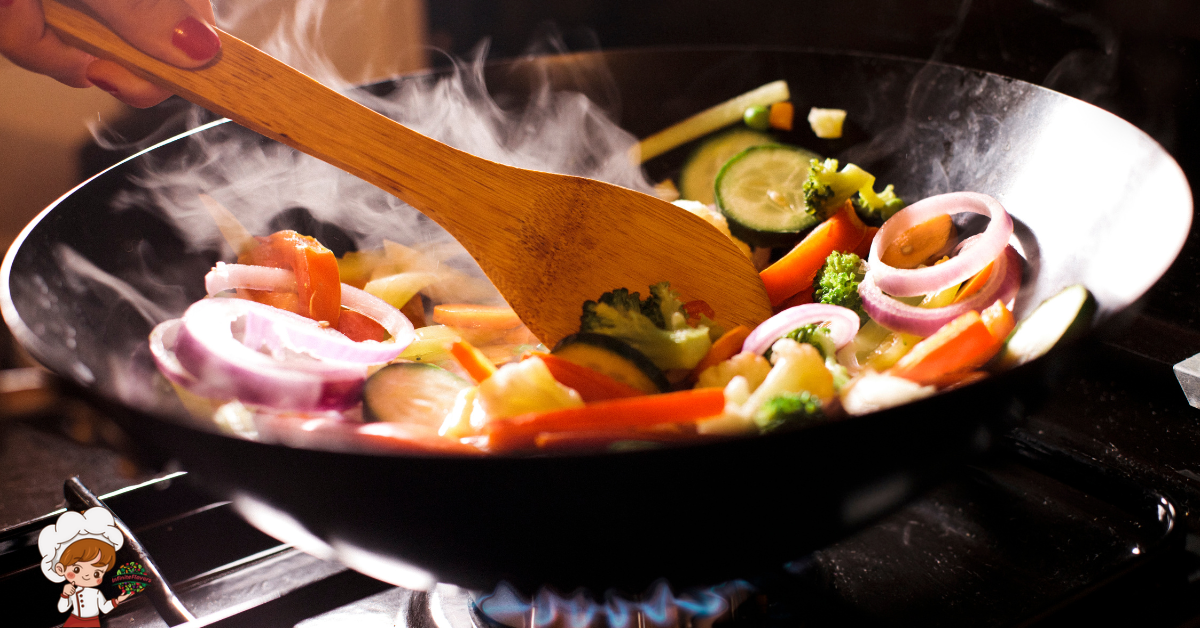
Understanding how to pair ingredients effectively can enhance the stir-frying process, but mastering the techniques is what truly elevates your dish. To achieve the best results with sesame oil, it's vital to employ proper stir-fry techniques that focus on high heat and quick cooking. Start by preheating your wok or skillet until it's smoking hot. This step is significant, as it helps to sear your ingredients instead of steaming them.
When you're ready to cook, add a small amount of sesame oil, which not only adds flavor but also has a high smoke point. Use this oil to sauté aromatics like garlic and ginger first, allowing their flavors to bloom. Once they're fragrant, quickly toss in your protein—whether it's chicken, beef, or tofu. Stir-frying in small batches can help maintain the temperature, ensuring even cooking.
As you incorporate vegetables, remember to follow the cooking methods that suit each ingredient. Harder vegetables like carrots or bell peppers should go in first, while softer ones like spinach can join later. Keep everything moving in the pan; this constant motion prevents burning and promotes even cooking.
Common Mistakes to Avoid
When stir-frying with sesame oil, there are several common mistakes that can hinder your dish's flavor and texture. One of the biggest pitfalls is overheating oil. Sesame oil has a low smoke point compared to other oils, so if you heat it too much, it can burn, resulting in a bitter taste. Always preheat your pan before adding the oil, and watch closely to guarantee it doesn't exceed the ideal temperature.
Another common mistake is using too much sesame oil. While its rich flavor is a highlight in stir-frying, a little goes a long way. Overdoing it can overwhelm your dish, masking the flavors of other ingredients. Aim for a balance; a tablespoon or two is usually sufficient for most stir-fries.
Additionally, don't forget to take into account timing. Adding sesame oil too early in the cooking process can lead to losing its aromatic qualities. Instead, use it towards the end of cooking or as a finishing drizzle to preserve its unique flavor profile.
Lastly, be cautious about mixing sesame oil with other oils. If you're using a combination, make sure that the dominant oil has a higher smoke point to prevent burning. By avoiding these common mistakes, you can elevate your stir-fry dishes and make the most out of sesame oil's delightful taste. Remember, cooking is a balance of flavors, and sesame oil can be your secret weapon when used correctly.
Storing Sesame Oil
When it comes to storing sesame oil, you'll want to keep it in a cool, dark place to maintain its flavor and freshness. Be mindful of its shelf life, as exposure to heat and light can cause it to spoil faster. Proper storage guarantees you get the most out of this flavorful ingredient.
Ideal Storage Conditions
To keep sesame oil fresh and flavorful, it is vital to store it properly. Start by placing it in a cool, dark cabinet, away from direct sunlight and heat sources. The ideal temperature for sesame oil is between 50°F and 70°F. If your kitchen tends to get warm, consider storing it in a refrigerator. Just remember that the oil may become cloudy when chilled, but this won't affect its quality.
Humidity control is also important. High humidity can lead to moisture getting into the bottle, which may cause spoilage. Confirm the cap is tightly sealed after each use to prevent air and moisture from entering. If you're using a larger bottle, consider transferring some oil into a smaller container for daily use. This way, you minimize exposure to air and light for the main supply.
Lastly, keep sesame oil away from strong-smelling foods and substances, as it can easily absorb odors. By following these ideal storage conditions, you'll maintain the oil's vibrant flavor and aroma, making your stir-frying experiences all the more enjoyable.
Shelf Life Considerations
Understanding the shelf life of sesame oil is essential for maintaining its quality in your kitchen. Typically, sesame oil can last up to 12 months when stored properly. However, if you notice it's been sitting on your shelf for a while, it's vital to check for oil expiration signs.
First, take a whiff; if the oil smells rancid or off, it's time to toss it. A change in color or a cloudy appearance is another indicator that your sesame oil may have gone bad. You might also detect a bitter taste if you decide to cook with it, which signals that it's no longer fresh.
To extend its sesame oil shelf life, store it in a cool, dark place, away from heat and light. Always keep the cap tightly sealed to prevent oxidation. If you've opened the bottle, consider refrigerating it, as this can help maintain its flavor and freshness longer.
Recipes to Try
Experimenting with sesame oil in your stir-frying can elevate your dishes to a whole new level. Its rich, nutty flavor and aroma not only enhance the taste but also offer numerous sesame oil benefits, such as promoting heart health and providing antioxidants. Let's explore some delicious recipes that showcase this versatile oil and create delightful stir fry variations.
Start with a classic chicken stir-fry. Sauté bite-sized chicken pieces in a hot pan with a splash of sesame oil, garlic, and ginger. Once the chicken's golden, toss in a colorful mix of bell peppers, broccoli, and snap peas. Drizzle more sesame oil at the end for an extra burst of flavor.
For a seafood twist, try shrimp and asparagus. Heat sesame oil in your wok, add shrimp, and cook until pink. Throw in fresh asparagus and a splash of soy sauce, letting everything stir-fry until tender-crisp. This dish is not only quick but also showcases the rich flavors of sesame oil beautifully.
If you're in the mood for something different, whip up a beef and mushroom stir-fry. Marinate thinly sliced beef in sesame oil, soy sauce, and a hint of sugar. Cook it with shiitake mushrooms and bok choy in a hot wok until everything's cooked through.
These recipes are just the beginning! With sesame oil, you can create endless stir fry variations that are both healthy and bursting with flavor. So, grab your ingredients and get cooking!
Vegetarian Stir-Fry Ideas
Elevating your vegetarian stir-fries with sesame oil can transform simple ingredients into a flavorful feast. Start by making a delicious tofu stir fry that combines cubed tofu, vibrant bell peppers, and snap peas. Heat your skillet, add a splash of sesame oil, and sauté the tofu until golden brown. Toss in the vegetables and stir-fry until they're crisp-tender. A drizzle of soy sauce and a sprinkle of sesame seeds will take this dish to the next level.
If you're looking for a quick meal, consider a vegetable medley stir-fry. Gather your favorite vegetables, like broccoli, carrots, and zucchini, and cut them into bite-sized pieces. Heat sesame oil in your pan, and add the hardier veggies first, letting them soften before adding quicker-cooking ones like mushrooms or spinach. This technique guarantees everything is cooked perfectly without losing texture.
For an extra kick, try adding garlic and ginger to your vegetable medley. These aromatics will infuse your stir-fry with depth and warmth. Don't forget to finish with a sprinkle of crushed red pepper or a splash of rice vinegar for a zesty touch.
Meat-Based Stir-Fry Recipes
When it comes to stir-frying meat, sesame oil adds a rich, nutty flavor that enhances your dishes beautifully. You can elevate your meals by choosing the right protein and applying effective stir fry techniques. Whether you go for chicken, beef, or shrimp, sesame oil plays a key role in bringing out the best in your selected ingredients.
Start with chicken breast or thighs, cutting them into bite-sized pieces. Marinate them in a mixture of sesame oil, soy sauce, and garlic for at least 30 minutes. Heat a wok over high heat, adding a splash of sesame oil before tossing in your marinated chicken. Stir-fry until it's cooked through, then set it aside while you sauté your vegetables.
For beef, consider flank steak or sirloin. Slice it thinly against the grain for tenderness. A simple marinade of sesame oil, ginger, and soy sauce works wonders. Utilize high heat and quick stir fry techniques to keep the beef juicy and flavorful. After cooking the beef, add your choice of veggies like bell peppers or broccoli for a complete meal.
If you prefer seafood, shrimp is a fantastic option. Toss them in sesame oil, chili flakes, and a bit of lemon juice. Stir-fry until they're pink and opaque, then mix in your favorite vegetables for a delightful dish.
Experiment with various protein choices and vegetables, and don't forget to drizzle more sesame oil at the end for an extra boost of flavor. Happy cooking!
Enhancing Dishes With Sesame Oil
Incorporating sesame oil into your cooking can transform ordinary dishes into extraordinary culinary experiences. This versatile oil isn't just a cooking fat; it's a flavor powerhouse that elevates your meals. One of the most significant sesame oil benefits is its rich, nutty flavor, which enhances everything from stir-fries to salad dressings.
When you're stir-frying, consider using sesame oil as a finishing touch. Drizzling a small amount over your dish right before serving can intensify the flavors and add a delightful aroma. You can also experiment with flavor combinations by mixing sesame oil with other oils, like olive or avocado, to achieve a unique taste profile that complements your ingredients.
Try pairing sesame oil with soy sauce, garlic, and ginger for a classic Asian-inspired stir-fry. This combination not only boosts the overall flavor but also provides a depth that's hard to resist. You can even use sesame oil in marinades to infuse meats and vegetables with a rich, savory essence.
Don't forget about its benefits for your health as well. Rich in antioxidants and healthy fats, sesame oil can contribute to a balanced diet while making your dishes more appealing.
Click Here and Turn Every Masterpiece into a Showstopper!
Frequently Asked Questions: Using Sesame Oil In Stir-Frying
Can I Use Sesame Oil for Deep Frying?
You can use sesame oil for deep frying, but it has a low smoke point. While its unique flavor and health benefits are great, consider higher smoke point oils for best deep frying techniques.
Is Sesame Oil Suitable for People With Nut Allergies?
If you have nut allergies, consider sesame oil carefully. It might not be suitable for everyone. You could explore sesame oil alternatives like sunflower or canola oil to avoid potential allergic reactions while cooking.
How Long Does Sesame Oil Last Once Opened?
Once opened, sesame oil lasts about six months in the pantry or up to a year in the fridge. Proper sesame oil storage helps maintain freshness, so keep it tightly sealed away from light and heat.
Can Sesame Oil Be Used in Cold Dishes?
Absolutely, you can use sesame oil in cold dishes! Its nutty flavor enhances salads and dressings. Plus, sesame oil benefits include healthy fats and antioxidants, making your cold dish recipes both delicious and nutritious. Enjoy experimenting!
What Are the Origins of Sesame Oil in Cooking?
Sesame oil has roots in ancient culinary traditions, particularly in Asian cuisines. You'll find it prized for its rich flavor and health benefits, including antioxidants and healthy fats that enhance dishes while promoting overall well-being.

Conclusion
Incorporating sesame oil into your stir-frying routine can elevate your dishes with its unique flavor and health benefits. Whether you opt for toasted or light sesame oil, you'll enhance your meals with a nutty richness that's hard to resist. So, next time you're whipping up a stir-fry, remember to drizzle in some sesame oil to truly elevate the taste. With a variety of recipes to explore, you're bound to find a favorite that keeps you coming back for more!