Great Guide To Stir-Frying With A Wok
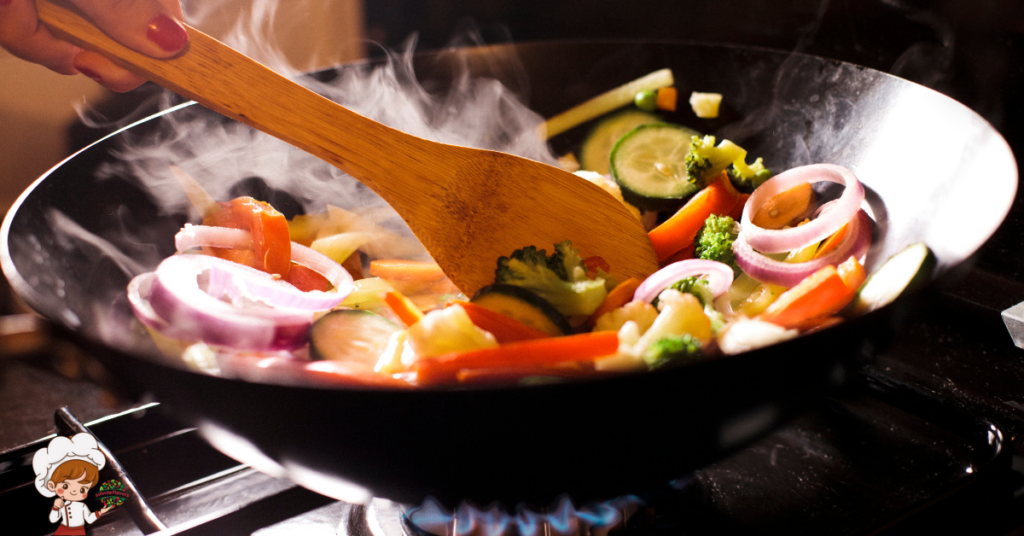
Great Guide To Stir-Frying With A Wok; Stir-frying with a wok is all about speed and flavor. Start by choosing the right wok—carbon steel is a great option for heat retention. Preheat it until smoking, then add oil with a high smoke point. Cut your ingredients into uniform pieces for even cooking. Begin with proteins and denser veggies, adding quicker-cooking ones later. Keep things moving with constant stirring to avoid sticking. Remember to season throughout the process for maximum flavor. With practice, you’ll master the art of stir-frying and impress your friends. There’s so much more to explore about this delicious cooking method!
Click Here and Turn Every Masterpiece into a Showstopper!
Understanding the Wok
When you think about stir-frying, the wok is an essential tool that can elevate your cooking. It’s not just a pan; it’s a piece of culinary history that dates back over 2,000 years. Originating in China, the wok was designed for versatility, allowing you to fry, steam, and even braise with ease. Understanding its history gives you insight into why it’s so integral to Asian cuisine and beyond.
Wok culture revolves around the idea of high heat and quick cooking. The round-bottom design promotes even heat distribution, making it ideal for stir-frying, where ingredients cook fast while retaining their flavors and textures. You’ll find that using a wok aligns perfectly with the philosophy of fresh, vibrant meals that many Asian cultures embrace. This cooking method encourages you to focus on the ingredients, ensuring you achieve that perfect balance of flavors.
As you explore wok culture, you’ll appreciate the communal aspect of cooking with a wok. Traditionally, it’s not just about the food; it’s about gathering with family and friends. The act of stir-frying becomes a shared experience, allowing everyone to engage in the preparation and enjoy the meal together. By embracing this tool and its cultural significance, you’re not just cooking; you’re participating in a time-honored tradition that brings people together. So, get ready to access the potential of your wok and explore the rich history and culture that surrounds it.
Choosing the Right Wok
When choosing the right wok, you’ll want to evaluate the material types available, as each offers unique benefits. Size also plays an essential role, impacting how well your wok performs on the stovetop. Let’s break down what you need to know to make the best choice for your cooking style.
Material Types Explained
Choosing the right material for your wok can greatly impact your cooking experience and results. Carbon steel is a popular choice among chefs due to its excellent heat retention and weight distribution. It heats up quickly and allows for high-temperature stir-frying, making it ideal for creating that perfect sear. Non-stick woks are another modern alternative, offering easy cleanup and reduced oil usage, but they may not provide the same durability factors as traditional materials.
Cast iron woks excel in heat retention, making them great for slow cooking, but they can be heavy and require more maintenance. Stainless steel woks are durable and resistant to rust, but they often lack the non-stick surface texture that makes cooking and cleaning easier. If you value longevity and versatility, consider a well-seasoned carbon steel wok as your go-to option.
Ultimately, the choice depends on your cooking style and preferences. Think about how often you’ll use the wok and what dishes you intend to prepare. Whichever material you choose, each has its unique benefits, so select one that aligns with your culinary goals.
Size Matters Most
Selecting the right size for your wok is vital to achieving the best stir-frying results. Wok dimensions can greatly affect how your food cooks, so you’ll want to choose one that suits your cooking style and portion sizes. Generally, a 14-inch wok is ideal for most home cooks, providing ample cooking surface to handle various ingredients without overcrowding. If you frequently cook for larger families or gatherings, consider a bigger wok, around 16 to 18 inches.
When choosing a wok, think about your stove’s burner size too. A smaller wok on a big burner can lead to uneven heating, while a large wok on a small burner might not get hot enough. The right balance is vital for achieving that perfect stir-fry texture.
Also, keep in mind the depth of your wok. A deeper wok allows for tossing ingredients more easily without spilling, while a shallower one is better for quick sautéing. By understanding these factors, you’ll guarantee that your cooking surface is maximized, leading to flavorful, well-cooked meals every time. Choose wisely, and watch your stir-frying skills soar!
Click Here and Turn Every Masterpiece into a Showstopper!
Essential Stir-Frying Ingredients
To create a delicious stir-fry, you’ll need a few essential ingredients that elevate the dish’s flavor and texture. Start with essential sauces like soy sauce, oyster sauce, or hoisin sauce. These add depth and richness to your meal. Don’t forget flavor enhancers like garlic, ginger, and scallions to give your stir-fry that aromatic kick.
Next, consider your protein options. Chicken, beef, shrimp, or tofu are all fantastic choices. Choose according to your dietary considerations and personal preferences. For a well-balanced dish, pack in a variety of vegetable varieties such as bell peppers, broccoli, carrots, and snap peas. They not only provide color but also essential nutrients.
Spice selections can take your stir-fry to the next level. You might add crushed red pepper or five-spice powder for a bit of heat and complexity. When it comes to meal prep, chop your ingredients ahead of time for a seamless cooking experience.
Garnish ideas like sesame seeds, fresh cilantro, or sliced chilies can enhance the visual appeal and flavor of your dish. When it comes to stir fry combinations, mix and match your proteins and veggies for endless possibilities.
Preparation Techniques
When you’re stir-frying with a wok, choosing the right one is essential for achieving that perfect sizzle. You’ll also need to prep your ingredients properly to guarantee even cooking and vibrant flavors. Let’s explore some tips for selecting your wok and the essential steps for getting your ingredients ready.
Wok Selection Tips
While choosing the right wok for stir-frying, consider factors like material, size, and shape to guarantee ideal cooking results. First, opt for a carbon steel or cast iron wok for excellent heat retention and distribution. These materials heat quickly and respond well to high temperatures, which is vital for stir-frying.
Next, think about wok shapes. Traditional round-bottom woks are great for tossing ingredients, while flat-bottom woks work better on modern stovetops. If you have a gas burner, a round-bottom wok will sit securely when heated properly, allowing for superior cooking control.
Size matters too. A 14-inch wok is usually sufficient for most home cooks, providing enough surface area for cooking several servings at once. However, if you frequently prepare meals for a larger group, consider a bigger size.
Don’t forget about wok accessories! A sturdy spatula is essential for tossing ingredients, while a lid can help steam or finish dishes effectively. Investing in the right wok and accessories will elevate your stir-frying experience, ensuring delicious meals every time.
Ingredient Preparation Steps
Preparing your ingredients properly is key to successful stir-frying. Start with ingredient sourcing; choose fresh, high-quality proteins and vegetables for the best flavor and texture. When selecting your protein, go for options like chicken, beef, or tofu, depending on your preference. Next, focus on vegetable pairing. Combine colorful veggies like bell peppers, broccoli, and snap peas for a vibrant dish.
Use effective chopping techniques to guarantee uniform sizes, which helps them cook evenly. As you chop, think about flavor balancing; include aromatics like garlic and ginger to elevate your dish. Create your prep station by organizing all your ingredients in one place, so you can easily grab them as you cook.
Don’t forget your sauce preparation! Whip up a quick stir-fry sauce using soy sauce, sesame oil, and a splash of vinegar for a balanced flavor profile. Finally, apply some seasoning tips like adding salt or adjusting the sauce to taste during cooking. With these steps, you’ll have everything ready to make a delicious stir-fry that’ll impress everyone at the dinner table.
Click Here and Turn Every Masterpiece into a Showstopper!
Mastering Heat Control
Understanding heat control is essential for successful stir-frying, as it directly influences the texture and flavor of your ingredients. You’ll want to master different heat sources, like gas or electric stoves, to guarantee optimum temperature control. Start by preheating your wok; properly seasoned woks retain heat well, allowing for effective cooking methods.
Once your wok’s hot, adjust the flame to maintain consistent heat. High flames work best for quick cooking styles, while lower flames are ideal for simmering sauces. Remember, flame adjustment is key—too high can scorch your ingredients, while too low can lead to soggy results.
Layering your ingredients strategically can also affect heat retention. Begin with denser items like meats, then add quicker-cooking vegetables, guaranteeing everything cooks evenly. This ingredient layering aids in flavor infusion, allowing the juices from meats to mingle with your veggies.
As you stir-fry, keep an eye on the temperature. If you notice things starting to stick, it might be time for sauce application. Adding sauces at the right moment can enhance the dish without compromising the cooking process.
Ultimately, mastering heat control comes down to practice. Experiment with different cooking methods and adjust your techniques based on what you’re preparing. With consistent practice, you’ll develop an intuition for managing heat that’ll elevate your stir-frying skills to the next level. Enjoy the journey of discovering how heat impacts your favorite dishes!
Stir-Frying Techniques
Stir-frying is an art that combines speed and technique, creating delicious meals in a matter of minutes. To master stir-frying techniques, you’ll want to focus on preparation, timing, and ingredient selection. Start by prepping all your ingredients ahead of time. Cut vegetables and proteins into uniform bite-sized pieces, guaranteeing they cook evenly. This not only saves time but also maintains a beautiful presentation.
When you’re ready to cook, heat your wok until it’s hot and ready for action. Adding oil at this stage is vital; use oils with high smoke points like canola or peanut oil. Once the oil shimmers, toss in your proteins first, allowing them to sear. This step adds depth to your dish. After that, quickly add vegetables, keeping in mind their cooking times. Start with denser veggies like carrots and broccoli, then follow with softer ones like bell peppers.
Flavor balancing is essential in stir-frying. Use sauces like soy sauce, oyster sauce, or hoisin sauce to enhance the taste without overwhelming the dish. Add these sauces towards the end of cooking to prevent burning. Remember to taste as you go; this helps you adjust flavors and guarantee everything melds perfectly.
Lastly, don’t forget to keep things moving! Stir constantly to prevent sticking and to achieve that signature wok hei flavor. By mastering these stir-frying techniques, you’ll create vibrant, flavorful meals that impress your family and friends.
Achieving Smoky Flavor
To achieve that irresistible smoky flavor in your stir-fry, you need to crank up the heat. Using high heat techniques not only cooks your ingredients quickly but also enhances that charred taste. Additionally, choosing the right oil is essential; opt for oils with high smoke points to get the best results.
High Heat Techniques
When it comes to achieving that coveted smoky flavor in your stir-fried dishes, high heat techniques are vital. Stir-frying at high temperatures not only cooks your ingredients quickly but also enhances their natural flavor, giving you that delicious charred taste. To get started, preheat your wok until it’s smoking before adding your ingredients. This helps create a sear that locks in moisture and flavor enhancement.
Ingredient pairing plays an important role in this process. Opt for proteins like beef or chicken that can withstand high heat, and combine them with vegetables that cook quickly, such as bell peppers or snow peas. This way, you’ll create a beautiful contrast of textures and flavors without overcooking anything.
Don’t forget to keep your ingredients moving. Toss them continuously to guarantee they cook evenly and absorb that smoky essence. If you notice the ingredients starting to stick, it’s a sign that you need to adjust your heat or add a little liquid. Mastering these high heat techniques will elevate your stir-fry game, delivering that irresistible smoky flavor you crave.
Choosing the Right Oil
Choosing the right oil is essential for achieving that smoky flavor in your stir-fry. Different oil types have varying smoke points, which can impact your dish’s taste and texture. For high-heat cooking, you’ll want oils with higher smoke points, like peanut or grapeseed oil. These oils not only withstand the heat but also contribute unique flavor profiles to your stir-fry.
Consider your cooking styles and regional oils, too. For example, sesame oil adds a rich, nutty flavor but should be used sparingly due to its lower smoke point. You might also experiment with oil blends to balance flavors and health considerations. Combining oils can enhance the dish while providing beneficial fats.
When selecting an oil, think about storage tips as well. Keep oils in a cool, dark place to extend their shelf life and prevent them from becoming rancid. Ultimately, the right oil will elevate your stir-fry, making it more flavorful and enjoyable. So, choose wisely, and don’t hesitate to try different oils to find the perfect match for your culinary creations!
Cooking Times and Sequence
Understanding cooking times and sequence is vital for stir-frying success, as adding ingredients at the right moment guarantees everything is cooked evenly and retains its vibrant flavors. When you stir-fry, start with the ingredients that require the longest cooking times. This typically includes proteins like chicken, beef, or tofu. Sear them first until they’re browned and nearly cooked through.
Next, you’ll want to add denser vegetables like carrots and bell peppers, which also take longer to soften. Stir-fry these for a few minutes before introducing quicker-cooking vegetables like snow peas or broccoli. Ingredient sequencing is significant here; adding ingredients in the wrong order can lead to overcooked or undercooked items.
Don’t forget aromatics like garlic and ginger. They should be added last, ideally when your proteins and veggies are nearly ready, allowing their flavors to infuse without burning. Regarding cooking times, aim for a total stir-fry time of about 5 to 10 minutes, depending on the quantity and type of ingredients you’re working with.
Lastly, remember to keep the heat high throughout the process. This guarantees your food cooks quickly and maintains that crisp texture. With practice, you’ll get a feel for how long each ingredient should stay in the wok, leading to perfect stir-fries every time. So, keep an eye on the clock, and follow your ingredient sequencing for a delicious outcome!
Click Here and Turn Every Masterpiece into a Showstopper!
Common Stir-Frying Mistakes
Even with a solid grasp on cooking times and the right sequence, mistakes can still happen in stir-frying. One common pitfall is overcooking vegetables. If you leave them in too long, they lose their vibrant color and crunchy texture. To avoid this, cut them evenly so they cook at the same rate. Ignoring seasoning can also ruin your dish; always season as you go for the best flavor.
Another mistake is overcrowding the wok. When you add too many ingredients at once, the temperature drops, leading to steaming instead of stir-frying. Keep it simple, and cook in batches if necessary. Using low heat is another error to watch out for; stir-frying requires high heat for that signature sear. Not preheating the wok properly can also result in uneven cooking.
Don’t neglect your oil choice, either. Some oils have low smoke points and can burn quickly. Choose oils like peanut or canola for better results. Skipping marination on your proteins can make your dish taste bland and less exciting.
Furthermore, using the wrong utensils, like metal spatulas on non-stick surfaces, can damage your cookware. Finally, failing to stir is a critical mistake. Stirring constantly guarantees even cooking and prevents sticking. By being mindful of these common errors, you can elevate your stir-frying game and enjoy delicious, perfectly cooked meals every time.
Cleaning and Maintaining Your Wok
A well-maintained wok is crucial for achieving the best results in your stir-frying endeavors. To keep your wok in top shape, start by cleaning it properly after each use. Avoid using soap, as it can strip away the essential wok seasoning you’ve developed. Instead, rinse your wok with hot water and use a soft sponge or cloth to remove any food residue. For stubborn bits, you can boil some water in the wok to loosen them up.
After cleaning, dry your wok thoroughly over low heat to prevent rusting. Once it’s dry, it’s time to reapply a thin layer of oil to maintain the seasoning. This helps keep the non-stick surface intact and enhances the flavor of your dishes. Use a paper towel to spread a small amount of oil evenly across the surface while the wok is still warm.
When it comes to wok storage, always store it in a dry place to avoid moisture accumulation. If you’re stacking your wok with other cookware, consider placing a paper towel between them to protect the seasoning. This simple step will help prevent scratches and keep your wok ready for your next cooking session.
Regular maintenance is key. By cleaning and seasoning your wok properly, you’ll guarantee it lasts for years and delivers delicious stir-fry results every time you cook. With just a bit of effort, your wok will be a reliable partner in your culinary adventures!
Delicious Stir-Fry Recipes
Release your culinary creativity with a variety of delicious stir-fry recipes that are easy to prepare and packed with flavor. Quick stir fries are perfect for busy weeknights, allowing you to whip up meals in under 30 minutes. Start with your favorite protein pairings, like chicken, beef, or tofu, and add vibrant veggie combinations such as bell peppers, broccoli, and snap peas.
For sauce variations, you can’t go wrong with a classic soy sauce base mixed with garlic and ginger or try a zesty teriyaki sauce for a sweet twist. When meal prepping, cook a larger batch and portion it out for quick lunches or dinners throughout the week. Don’t forget to take into account serving suggestions; over rice or noodles, your stir fry can be a complete meal.
To enhance the flavor, experiment with spice blends like five-spice powder or chili flakes to kick things up a notch. If you’re missing an ingredient, use ingredient swaps—zucchini instead of broccoli or quinoa for rice—without compromising taste.
Here are a few cooking tips: always heat your wok before adding oil to prevent sticking and keep your veggies crisp. Toss in harder vegetables first, followed by softer ones for even cooking. With these delicious stir-fry recipes, you’ll create exciting meals that satisfy your taste buds and make your kitchen adventures enjoyable!
Click Here and Turn Every Masterpiece into a Showstopper!
Frequently Asked Questions: Great Guide To Stir-Frying With A Wok
Can I Use a Non-Stick Wok for Stir-Frying?
Yes, you can use a non-stick wok for stir-frying. The non-stick benefits make cooking easier, but remember to use wooden utensils. For cleaning, avoid abrasive scrubbers to maintain its surface and longevity.
How Do I Know When My Wok Is Properly Seasoned?
To know your wok’s properly seasoned, you’ll see a dark, smooth patina forming. Use seasoning techniques like heating oil until it shimmers, then wipe it with a cloth, ensuring a non-stick surface develops over time.
What Utensils Are Best for Cooking With a Wok?
When cooking with a wok, use a wok spatula for flipping and tossing food effectively. A wooden ladle’s gentle touch helps prevent scratches on your wok’s surface, ensuring longevity and preserving your culinary creations.
Is It Safe to Use a Wok on an Electric Stove?
Yes, it’s safe to use a wok on an electric stove. Just make certain the wok’s base makes good contact with the heating element for ideal heat distribution, and always follow wok safety practices while cooking.
How Do I Store My Wok After Cleaning?
After cleaning, let your wok cool completely. Store it in a dry place, preferably hanging or with a cloth between it and other cookware. These wok storage maintenance tips help prevent rust and maintain its quality.

Conclusion
Now that you’ve got the basics of stir-frying with a wok, it’s time to put your skills to the test. Remember to choose the right wok, gather fresh ingredients, and master your heat control. Avoid common mistakes, and don’t forget to clean and maintain your wok for longevity. With practice, you’ll create delicious stir-fries that impress family and friends. So, fire up that stove and get cooking—your next culinary adventure awaits!