Great Cooking Techniques Understanding Simmering
Cooking Techniques Understanding Simmering; Simmering is an essential cooking technique that involves gently heating liquids between 180°F and 205°F. It allows flavors to meld without vigorous boiling, making it perfect for soups, stews, and tenderizing tougher cuts of meat. Using a heavy-bottomed pot and a snug lid helps maintain an even temperature. You’ll want to monitor the heat carefully to avoid scorching. Simmering enhances texture and depth, letting you experiment with different ingredients easily. As you explore this technique, you’ll discover how it can transform your cooking skills and dishes into something truly special.
What Is Simmering?
Simmering is a cooking technique that involves gently heating liquids just below their boiling point, typically between 180°F and 205°F (82°C to 96°C). This method allows flavors to develop and meld without the vigorous agitation that boiling creates. Many home cooks might fall prey to simmering myths, believing that it’s simply a less intense version of boiling. In reality, simmering requires careful attention to temperature and timing to achieve the desired results.
Historically, simmering has been a fundamental technique in various cuisines around the world. Ancient culinary practices relied on simmering to extract flavors from meats and vegetables, creating hearty broths and stews that have stood the test of time. You might find that some of the oldest recipes call for simmering as a way to achieve depth in flavor, showcasing how this technique has shaped culinary traditions.
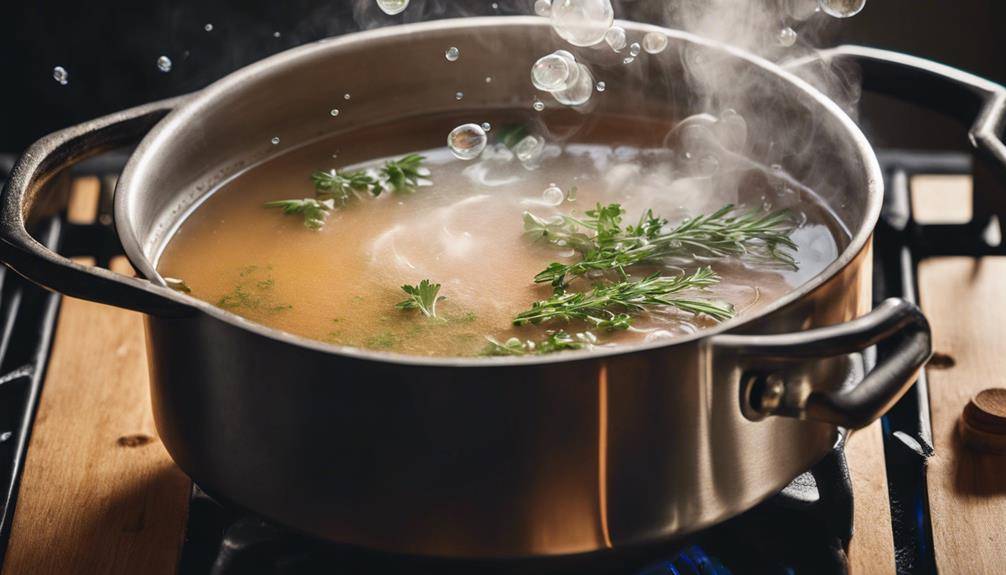
To master simmering, you’ll want to keep an eye on your pot. Look for small bubbles forming at the surface, which indicate that the liquid is simmering, not boiling. This gentle process is perfect for cooking delicate ingredients like fish or for making rich sauces. You might also use simmering to tenderize tougher cuts of meat, allowing them to break down and become succulent over time. Understanding what simmering truly entails will help you navigate your kitchen with confidence, turning simple ingredients into dishes full of flavor and history.
The Science Behind Simmering
Understanding the science behind simmering reveals why this technique is vital for achieving rich flavors and tender textures. At the heart of simmering are molecular interactions that occur when food is gently heated in liquid. When you maintain a steady temperature, typically around 180 to 205°F (82 to 96°C), the molecules in both the food and the liquid begin to move more freely. This movement allows flavors to meld together, enhancing the overall dish.
Heat distribution plays an important role in this process. When you simmer, the heat is evenly distributed throughout the pot, preventing any hot spots that can lead to overcooking or scorching. This even heating guarantees that the ingredients cook at a consistent rate, allowing proteins to break down gradually. As you simmer, tougher cuts of meat become tender, while vegetables soften without losing their shape or nutrients.
The low, consistent temperature also encourages the release of flavorful compounds from herbs, spices, and aromatics. These compounds dissolve into the liquid, creating a rich broth or sauce that can elevate your dish. By controlling the simmering process, you can create complex flavors that would be difficult to achieve through other cooking methods.
Difference Between Simmering and Boiling
When it comes to cooking, knowing the difference between simmering and boiling is vital for achieving the desired results. While both methods involve heating liquids, they serve different purposes and require different techniques. Boiling occurs at a higher temperature, typically around 212°F (100°C), where large bubbles rapidly rise to the surface. This intense heat can toughen proteins and break down delicate ingredients, which is why it’s often used for pasta or vegetables that need quick cooking.
On the other hand, simmering is a gentler process. It generally happens at lower temperatures, just below boiling, creating small bubbles that rise slowly. This method allows flavors to meld without the risk of overcooking or damaging tender foods. Understanding these simmering techniques can enhance your dishes considerably, especially when preparing stocks, sauces, or braised meals.
Many simmering myths suggest that it’s merely a softer version of boiling. However, it’s important to recognize that simmering provides a controlled environment, allowing for more nuanced flavors and textures. By embracing simmering, you can extract maximum taste from your ingredients and achieve a culinary balance that boiling simply can’t provide.
Ideal Temperature for Simmering
Achieving the perfect simmer requires maintaining the right temperature, typically between 180°F and 205°F (82°C to 96°C). This temperature range is essential for effective cooking and guarantees that your food cooks evenly without boiling over. When you use the appropriate simmering methods, like adjusting your heat source, monitoring bubbles, and checking for steam, you can control the cooking process more effectively.
One of the main simmering benefits is that it allows flavors to meld beautifully. At the right temperature, you’ll notice that ingredients release their essential oils and flavors, enriching your dish. For instance, when making soups or sauces, simmering helps to extract the natural goodness from herbs, spices, and proteins, resulting in a more complex taste profile. Plus, simmering is less harsh than boiling, preserving the texture and integrity of delicate ingredients like vegetables or fish.
To achieve that ideal temperature, you might need to experiment a bit with your stove settings. Every stove is different, and factors like the type of cookware you use can affect heat distribution. Keep an eye on the surface of your liquid; you should see small bubbles rising gently, not a rolling boil. Remember, the goal is to create a consistent and controlled cooking environment that enhances your culinary creations. By mastering the ideal temperature for simmering, you’ll elevate your cooking and impress your family and friends with delicious, well-prepared dishes.
Equipment Needed for Simmering
To simmer effectively, having the right equipment is just as important as maintaining the proper temperature. The first step in your simmering journey is pot selection. Choose a pot that’s heavy-bottomed, as it distributes heat evenly and prevents hot spots. A Dutch oven or a saucepan with a lid works well, allowing you to control evaporation and heat retention. If you’re using a non-stick pot, make certain it’s safe for low to medium heat to avoid damaging the coating.
Next, consider the lid. A good lid that fits snugly is essential for simmering. It helps trap steam, which aids in cooking and keeps your ingredients moist. You might also want to have a splatter guard on hand, especially when simmering sauces or broths, to keep your stovetop clean.
Don’t forget about utensils! A wooden spoon or a silicone spatula is ideal for stirring without scratching your pot. If you’re simmering for an extended period, a heat-resistant thermometer can help you monitor the temperature without lifting the lid too often.
Lastly, make certain you have a reliable stove. Whether it’s gas or electric, verify your burner can maintain a consistent low heat. With the right simmering equipment and pot selection, you’ll find that simmering becomes a straightforward and enjoyable cooking technique. So gear up, and get ready to create delicious meals through the art of simmering!
Common Dishes That Use Simmering
When you think of simmering, soups and stews probably come to mind first. These comforting dishes thrive on the low, gentle heat that brings out their flavors. You’ll also find that sauces and stocks benefit greatly from this technique, allowing ingredients to meld beautifully over time.
Soups and Stews
Simmering is the secret behind the rich flavors and comforting textures found in many beloved soups and stews. When you simmer, you create a gentle heat that encourages flavor infusion, allowing the ingredients to meld beautifully. This slow cooking method breaks down tougher ingredients, releasing their natural flavors and creating a deeper, more complex taste.
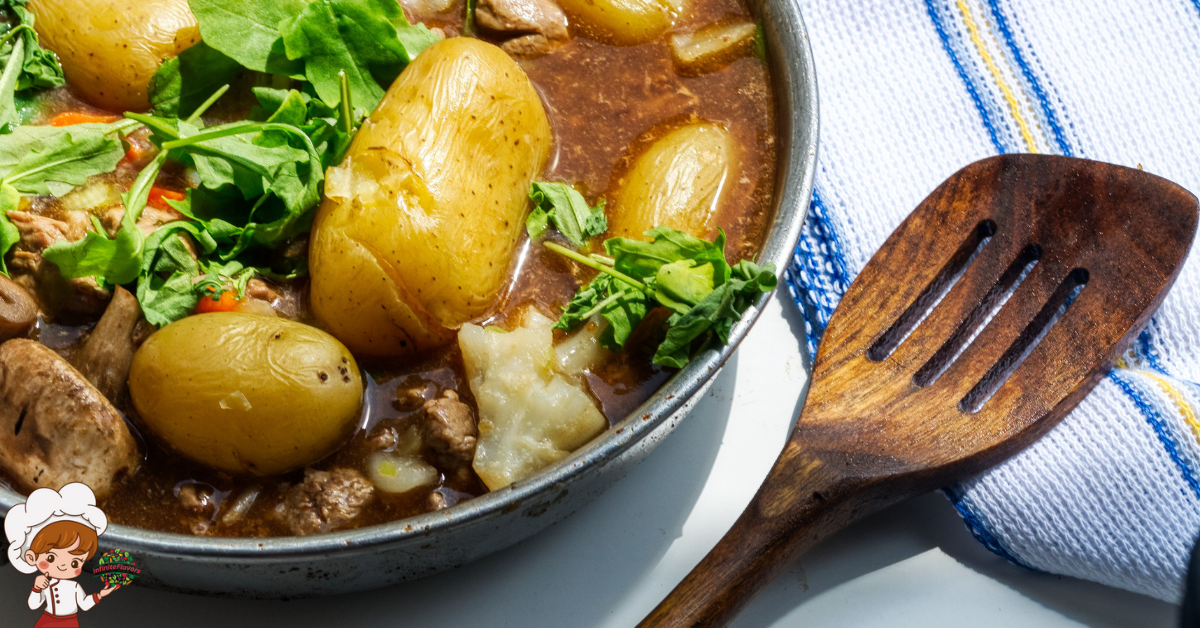
Take a classic chicken noodle soup, for example. As you simmer the chicken with vegetables and broth, the flavors blend together, resulting in a hearty dish that warms your soul. The same goes for beef stew—you’ll notice that the beef becomes tender while the vegetables absorb the savory broth. This texture enhancement is what makes the meal truly satisfying.
Don’t forget about the importance of simmering time. A longer simmer lets the spices and herbs fully develop, enriching your dish even further. So, next time you’re preparing a soup or stew, remember that simmering is your best friend. You’ll achieve a delightful balance of flavors and textures, making your meal not just nourishing but truly enjoyable. Happy cooking!
Sauces and Stocks
Mastering the art of simmering can elevate your sauces and stocks to new heights. When you’re preparing a rich sauce, simmering allows you to achieve the perfect sauce reduction, intensifying flavors without losing the integrity of the ingredients. As you simmer your sauce, keep an eye on the consistency; it should thicken gradually, creating a velvety finish that complements your dish beautifully.
For stocks, simmering is equally essential. It helps extract flavors from bones and vegetables, leading to a more robust and flavorful base. During this process, aim for stock clarity by skimming off any impurities that rise to the surface. This simple step enhances the final product, ensuring your stock looks as good as it tastes.
Whether you’re making a classic marinara or a hearty vegetable stock, simmering reveals the potential of your ingredients. By mastering this technique, you’ll create dishes that are not only delicious but also visually appealing. So next time you’re in the kitchen, embrace simmering for your sauces and stocks, and watch as your culinary creations transform into something truly extraordinary.
Steps to Achieve Perfect Simmering
Achieving perfect simmering requires attention to detail and a few simple steps. First, choose the right pot. A heavy-bottomed pot distributes heat evenly, preventing hot spots that can disrupt your simmer. Fill it with your chosen liquid, whether it’s a broth, sauce, or stew base, leaving enough space for expansion.
Next, bring the liquid to a boil over medium-high heat. Once it reaches a rolling boil, reduce the heat to low or medium-low. This adjustment is vital for maintaining a gentle simmer without letting it boil over. You’re looking for small bubbles that occasionally rise to the surface, not a vigorous boil.
To enhance flavor infusion, consider adding your herbs, spices, and aromatic ingredients at this stage. This allows the flavors to meld beautifully into the dish. Stir occasionally to prevent sticking, and guarantee even distribution of flavors.
Keep an eye on the simmering process. If you notice the bubbles getting too aggressive, lower the heat further. On the other hand, if it seems too quiet, you may need to increase the heat slightly. Your goal is to maintain a consistent simmer, allowing those rich flavors to develop without being overcooked.
Tips for Maintaining a Steady Simmer
To keep your simmer steady, start by choosing the right pot that distributes heat evenly. It’s crucial to control your heat levels carefully, as too much or too little can disrupt the simmer. Don’t forget to monitor the liquid volume, adding more if it starts to evaporate too quickly.
Use the Right Pot
Choosing the right pot is crucial for maintaining a steady simmer. The type of pot you use can greatly affect how evenly heat is distributed. When selecting simmering pots, consider materials that conduct heat well, like stainless steel, cast iron, or copper. These materials help create an even cooking surface, preventing hot spots that can lead to boiling instead of simmering.
Stainless steel is a popular choice due to its durability and non-reactive nature. However, if you’re looking for excellent heat retention, cast iron pots are your best bet. They hold onto heat effectively, allowing for a consistent simmer. Copper pots, while more expensive, offer superior heat conductivity but require more maintenance to keep them looking their best.
Additionally, verify your pot has a heavy bottom, as this helps to distribute heat evenly and reduces the chances of burning your food. Size matters too; a pot that’s too small may cause overcrowding, while an oversized pot could lead to uneven cooking. By choosing the right pot materials and verifying your pot fits your simmering needs, you’ll be better equipped to achieve that perfect simmer every time.
Control Heat Levels
Keeping your heat levels in check is essential for maintaining a steady simmer. You’ll want to start by selecting the right heat source. Gas burners provide instant control, allowing you to adjust quickly. Electric stoves, on the other hand, can take longer to respond, so be patient and keep an eye on your temperature.
Don’t fall for simmering myths, like thinking you need to crank up the heat to get a good simmer. Instead, start on medium heat and adjust as necessary. Once you see small bubbles rising to the surface, you’re in the right zone. If the bubbles become vigorous, reduce the heat immediately to avoid boiling.
To maintain that perfect simmer, check your pot regularly. If it’s losing its gentle bubble, slightly increase the heat. Conversely, if it’s too vigorous, turn it down. Remember, it’s all about fine-tuning.
Monitor Liquid Volume
Monitoring liquid volume is key to achieving that steady simmer you’re aiming for. As your dish cooks, keep an eye on how much liquid is left in the pot. Liquid evaporation is a natural part of the simmering process, and if you let it go unchecked, you might end up with a dry dish or burnt ingredients.
To maintain the right liquid level, check periodically and add water or broth as needed. This not only keeps your simmer consistent but also prevents the flavors from concentrating too much, which can lead to overly salty or intense results. If you notice that your dish is getting thicker than you’d like, don’t hesitate to adjust the seasoning accordingly.
Remember that adjusting seasoning can enhance your dish’s flavor, especially when you’re adding liquid later in the cooking process. By monitoring the liquid volume, you’re not just controlling the cooking process; you’re also ensuring that the final taste meets your expectations. So, stay attentive, keep the simmer steady, and enjoy the fruits of your labor with a well-balanced, delicious meal!
Flavor Development Through Simmering
Simmering, with its gentle heat and steady bubbles, is a fantastic technique for developing deep, rich flavors in your dishes. When you simmer, you’re not just cooking; you’re allowing the ingredients to interact and meld together beautifully. This method is perfect for creating complex flavor profiles, especially when you consider the process of flavor layering.
Start by adding your base ingredients, like onions, garlic, or spices, and let them sweat to release their essential oils. As you continue to simmer, you can introduce your main ingredients—meats, vegetables, or legumes. The key here is to build depth over time. Each layer of flavor contributes to the overall richness of the dish.
Herb infusion is another significant element of simmering. Fresh herbs, like thyme or rosemary, can be added toward the end of the cooking process to brighten the flavors. Alternatively, dried herbs benefit from the longer cooking time, as they release their oils gradually, enhancing the dish’s complexity.
Don’t forget to taste along the way! Adjusting the seasoning as you go can elevate your dish to new heights. As the liquid reduces, it concentrates the flavors, making every spoonful more satisfying.
In short, simmering is not just about cooking food; it’s a culinary art that transforms simple ingredients into a harmonious blend of flavors. Embrace the process, and you’ll find yourself creating dishes that are not only tasty but also deeply satisfying.
Mistakes to Avoid When Simmering
When simmering, you need to be mindful of a few common mistakes that can ruin your dish. Failing to control the temperature, timing your simmer incorrectly, or not preparing your ingredients properly can lead to less-than-ideal results. Let’s explore these pitfalls so you can simmer like a pro.
Temperature Control Issues
Achieving the perfect simmer requires careful attention to temperature control, but many home cooks stumble with common mistakes. One of the biggest issues is failing to understand heat distribution. If your pot isn’t the right size for your burner, you might find some areas too hot while others remain lukewarm. This uneven heating can lead to inconsistent simmering, which affects the final dish.
Another common error involves believing simmering myths. For instance, some think that once a pot reaches a boil, reducing the heat considerably is necessary. In reality, you only need to lower it slightly. If you turn the heat down too much, you risk losing that gentle bubbling essential for simmering.
Also, don’t ignore your lid. Covering the pot can trap heat and change the simmering dynamics. However, using a lid that’s too tight can create excessive pressure, leading to boiling instead of simmering.
Inadequate Timing Practices
Many home cooks overlook the importance of timing, which can lead to overcooked or undercooked dishes. One common timing misconception is that simmering only requires a set duration. However, every ingredient has a different cooking time, so staying attentive is vital. For instance, vegetables may need only a few minutes, while tougher cuts of meat might require hours to become tender. Ignoring these differences can result in overcooking risks, ruining the texture and flavor of your meal.
Another mistake is not checking your dish periodically. If you set a timer and walk away, you might miss the subtle changes that indicate when it’s time to adjust the heat or add ingredients. Simmering is about gentle cooking, and it’s important to monitor your dish closely.
Lastly, don’t assume that once you’ve reached a simmer, you can leave it unattended. Stirring occasionally helps distribute heat evenly, preventing hotspots that could lead to uneven cooking. By understanding these timing practices, you’ll elevate your simmering skills and achieve perfectly cooked dishes. Remember, timing is just as vital as temperature in the art of simmering.
Improper Ingredient Preparation
Improper ingredient preparation frequently undermines your simmering efforts, leading to inconsistent textures and flavors in your dishes. One of the biggest mistakes is using ingredients that aren’t fresh. Always check for ingredient freshness before you start cooking; wilted vegetables or old meats can drastically alter your dish’s final outcome.
Another common error is neglecting proper chopping techniques. When you chop vegetables unevenly, some pieces may cook faster than others, resulting in a mix of mushy and crunchy textures. Aim for uniformity in size; this guarantees even cooking and a harmonious blend of flavors.
Don’t forget about order, either! Add ingredients that require longer cooking times first, and reserve quicker-cooking items for later to maintain their integrity. For instance, hearty root vegetables should go in before delicate greens.
Lastly, remember to prep your ingredients before you start simmering. This organization helps you focus on the cooking process and prevents any last-minute chopping that could disrupt your timing. By paying attention to ingredient freshness and mastering your chopping techniques, you’ll elevate your simmering dishes to a whole new level.
Simmering Vs. Other Cooking Techniques
When comparing simmering with other cooking techniques, you’ll find distinct differences in heat application and flavor development. Simmering involves maintaining a temperature just below boiling, usually between 185°F and 205°F, which allows for gentle cooking. This contrasts sharply with techniques like boiling, where food is subjected to vigorous bubbles, potentially leading to overcooking or nutrient loss. You might also notice that sautéing or frying uses higher heat, which can create a crisp texture that simmering simply can’t replicate.
In terms of flavor, simmering has a rich history in culinary traditions. It allows flavors to meld gradually, enhancing the depth of your dishes. Many simmering myths suggest that it’s a slow and tedious process, but in reality, it’s an effective way to develop complex flavors without constant attention. You might find that simmering can be less demanding than techniques like braising or poaching, allowing you to multitask while your meal cooks.
Moreover, simmering is ideal for soups, stews, and sauces, where you want the ingredients to harmonize. It’s worth noting that while simmering requires patience, the results are often worth the wait. By understanding these differences, you can make informed choices about which technique best suits your cooking needs. So next time you’re in the kitchen, consider simmering as a reliable method for achieving flavorful dishes with minimal fuss.
Adapting Recipes for Simmering
To successfully adapt recipes for simmering, you’ll want to take into account the cooking times and ingredient sizes carefully. Simmering techniques require you to adjust these factors to achieve the best results. Start by considering your ingredient choices. For instance, root vegetables and proteins like chicken or beef can benefit from longer simmering times, while delicate vegetables like zucchini should be added later to avoid mushiness.
When making recipe modifications, think about how different ingredients interact with heat and moisture. If a recipe calls for quick-cooking grains, like couscous, you may want to switch to something heartier, like barley, which holds up better during simmering. This will enhance both texture improvements and flavor enhancement.
Don’t forget about dietary considerations—if you’re adapting a recipe for a vegetarian or gluten-free diet, substitute proteins and grains accordingly, ensuring they’re suitable for simmering. Seasonal adaptations can also make a big difference. Use fresh, in-season produce to elevate your dish’s flavor profile.
Monitoring cooking times is essential; aim for a gentle simmer rather than a rolling boil to prevent overcooking. Keep an eye on the dish as it simmers, making small adjustments to heat and timing as needed. By focusing on these aspects, you’ll create a delicious, satisfying meal that showcases the benefits of simmering while meeting your unique needs.
Benefits of Mastering Simmering
Mastering the art of simmering opens up a world of culinary possibilities, allowing you to create rich, flavorful dishes with minimal effort. When you simmer, you maintain a low, steady heat that helps ingredients meld together, bringing out their natural flavors. This technique not only enhances taste but also promotes nutrient preservation. By cooking at lower temperatures, you minimize the breakdown of vitamins and minerals, guaranteeing your meals are as nutritious as they are delicious.
Another significant benefit of simmering is texture enhancement. Whether you’re preparing soups, sauces, or stews, simmering allows tougher ingredients, like meats and vegetables, to become tender without overcooking. This gradual cooking process guarantees that everything retains its shape and consistency, leading to a more satisfying bite.
Moreover, simmering is incredibly versatile. You can use it for a variety of dishes, from a hearty beef stew to a delicate vegetable broth. Each time you simmer, you gain insights into flavor profiles and ingredient interactions, helping you refine your cooking skills.
Frequently Asked Questions: Cooking Techniques Understanding Simmering
Can I Simmer Food in a Microwave?
Yes, you can simmer food in a microwave. Use low microwave settings to maintain a gentle heat, adjusting the simmering time according to the recipe for best results. Just keep an eye on it to avoid boiling.
What Types of Pots Are Best for Simmering?
When choosing simmering pots, consider materials like stainless steel, cast iron, or enameled pots. Each type retains heat well, ensuring your food simmers evenly. Avoid thin, non-stick pots—they don’t distribute heat effectively for simmering.
How Do I Know When to Adjust the Heat?
You’ll know to adjust the heat by observing visual cues like bubbling intensity. If it’s too vigorous, lower the heat; if it’s too calm, increase it. Mastering heat control guarantees your dish cooks perfectly.
Can I Simmer With a Lid on or Off?
You can simmer with the lid on or off. A lid helps concentrate flavors and reduces evaporation, enhancing the dish. Without it, you’ll get more intense simmering flavors but may need to adjust liquid amounts.
Is Simmering Safe for All Types of Meat?
Simmering’s safe for most meats, as long as you maintain appropriate simmering temperatures. It helps tenderize tougher cuts, making them juicy and flavorful. Just guarantee you cook them long enough for proper safety and tenderness.

Conclusion
Mastering simmering opens up a world of delicious possibilities in your cooking. By understanding its science and techniques, you can enhance flavors and achieve tender textures. Remember to avoid common mistakes and adapt recipes to make the most of this gentle method. With practice, you’ll find simmering not only elevates your dishes but also boosts your confidence in the kitchen. So, grab your pot and start simmering your way to culinary success!
If you enjoyed exploring this topic and want to dive even deeper, be sure to check out some of our other articles here on Infinite Flavors. From rich culinary histories to creative twists on classic recipes, there’s always something new to discover. Whether you’re curious about the origins of a dish, looking for fresh inspiration in the kitchen, or simply love learning about food culture, our collection of posts is the perfect next step on your flavor journey.
Easy Steps To Simmering Vegetables Perfectly
Easy Ways To Pan Fry With Non-Stick Pans
The Great Difference Between Simmering Vs Boiling In Cooking