Braising Techniques For Italian Cuisine
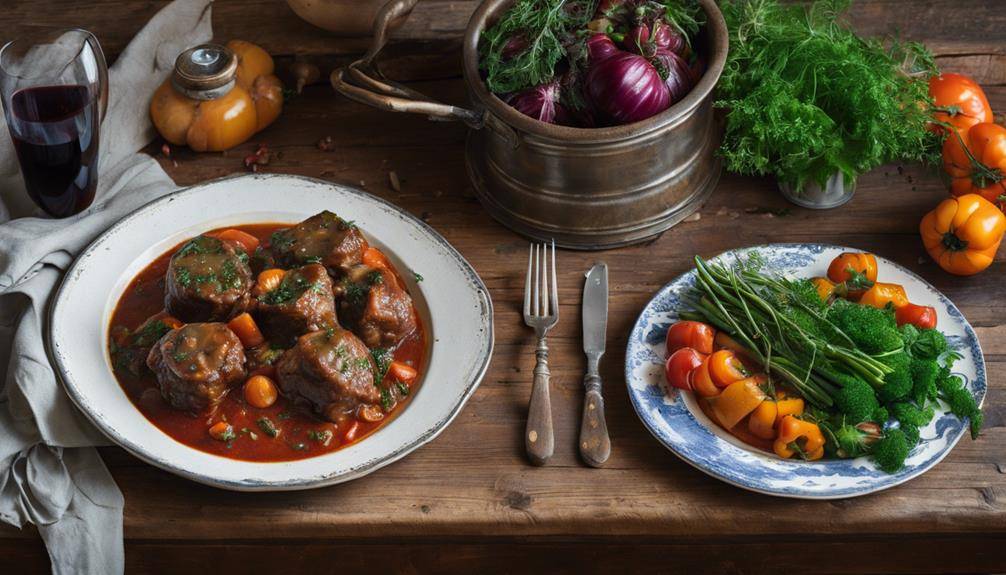
Braising Techniques For Italian Cuisine: To master braising in Italian cuisine, start by selecting tougher cuts of meat like chuck or lamb shanks, which tenderize beautifully during cooking. Enhance flavors by browning the meat in a heavy pan and using aromatic ingredients like thyme, rosemary, and garlic. Don't forget to choose a flavorful braising liquid, like rich broth or wine, to infuse your dish with depth. Keep your cooking temperature between 300°F to 325°F, allowing the meat to become fork-tender. Experimenting with regional variations in recipes will elevate your skills, revealing delicious secrets along the way.
Click Here and Turn Every Masterpiece into a Showstopper!
Understanding Braising Basics
Braising's magic lies in its ability to transform tough cuts of meat into tender, flavorful dishes. This cooking technique combines both dry and wet heat, allowing you to create meals that are rich in flavor and satisfying in texture. Understanding the basics of braising means appreciating its deep-rooted history. It dates back centuries, evolving across various cultures and regions. You'll find that each area puts its spin on braising, reflecting local ingredients and traditions.
In Italian cuisine, for instance, braising often involves cuts like chuck or short ribs, typically slow-cooked in a mixture of wine, broth, and aromatic vegetables. This method allows the meat to absorb the flavors while breaking down the connective tissues, resulting in a melt-in-your-mouth experience. Each region in Italy boasts unique braising styles; for example, in Tuscany, you'll encounter "cacciucco," a rich fish stew braised with tomatoes and garlic. Meanwhile, northern regions may favor hearty, red wine-based dishes.
As you explore braising, remember that it's not just about the meat. The cooking liquid and aromatics play vital roles. They not only add flavor but also create a delicious sauce that complements the dish. By mastering the fundamentals of braising, you'll find it's an incredibly versatile technique, perfect for both everyday meals and special occasions. Embrace the art of braising and discover how it can elevate your cooking.
Essential Ingredients for Braising
When you're braising, the right ingredients are essential for building depth and flavor. Think about the key aromatics you'll use, the proteins that can withstand slow cooking, and the flavorful liquids that will enhance your dish. Each component plays an important role in creating that rich, comforting taste you're after.
Key Aromatics to Use
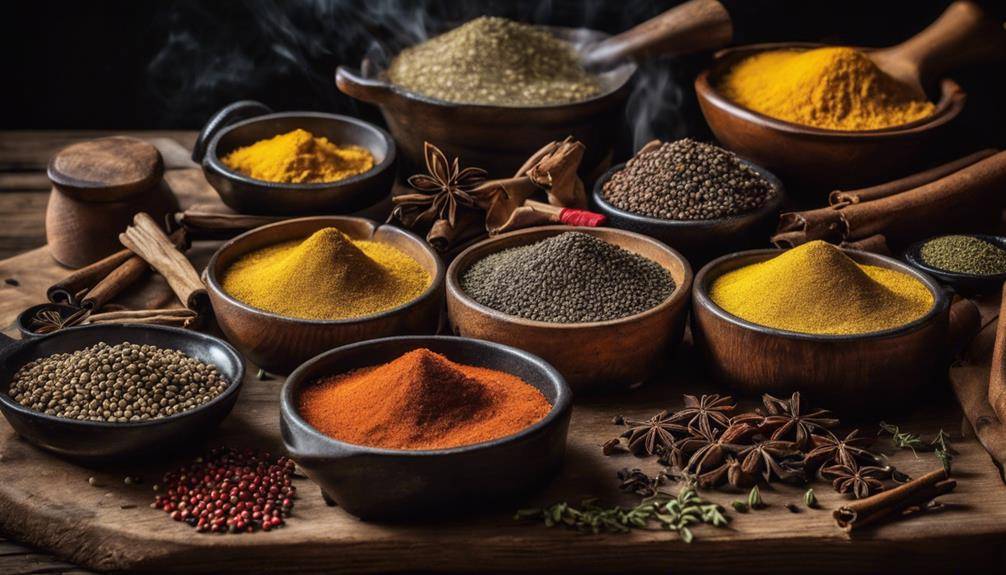
Aromatic ingredients are the backbone of a flavorful braise, infusing your dish with depth and complexity. When you're braising, consider the diverse herbs variety at your disposal. Fresh thyme, rosemary, and bay leaves work wonders, while dried herbs can add a rich, concentrated flavor. Don't forget about aromatic oils—olive oil is a staple, but you can also experiment with infused oils for an extra kick.
Onion varieties play an essential role too; yellow and sweet onions caramelize beautifully, enhancing your dish's overall profile. Garlic types, whether roasted or sautéed, can elevate your braise to new heights. For an added layer of flavor, incorporate spice blends that resonate with the regional differences of Italian cuisine.
Citrus zest can brighten the dish, cutting through the richness and adding a rejuvenating note. Finally, consider flavor boosters like anchovies or olives that can deepen the umami flavor. By combining these elements thoughtfully, you'll create a braise that's not only delicious but also reflects the heart of Italian culinary traditions.
Suitable Proteins for Braising
Choosing the right protein is key to a successful braise. Start with beef options like chuck roast or short ribs; these cuts become tender and flavorful with slow cooking. For pork choices, consider shoulder or belly, which melt down beautifully and absorb the braising liquid. If you're leaning towards chicken varieties, thighs are ideal due to their rich flavor and moist texture, while drumsticks also work well.
Don't overlook lamb selections like shanks or shoulder, which provide a distinct taste that pairs perfectly with Italian seasonings. If you're feeling adventurous, game meats like venison or wild boar can add a unique twist to your dish, offering depth and richness.
For seafood alternatives, look for sturdy options such as mussels or fish like halibut, which can withstand the braising process without disintegrating. Finally, if you prefer vegetarian proteins, try braising hearty ingredients like eggplant, mushrooms, or even lentils, which can absorb the flavors of your chosen liquid beautifully.
Flavorful Liquid Choices
The right braising liquid can elevate your dish from good to unforgettable. When you're braising, the choice of liquid is vital, as it not only infuses flavor but also helps tenderize your protein. Start with your favorite broth variations; chicken, beef, or vegetable broths can provide a rich base. You might also consider using stock for a deeper flavor profile.
Don't shy away from experimenting with liquid infusions. Adding wine—red for heartier meats, white for poultry—can enhance the overall taste. If you're feeling adventurous, try incorporating balsamic vinegar for a sweet tang or soy sauce for umami depth. You can even use fruit juices, like pomegranate or orange, to introduce a unique sweetness.
Herbs and spices are essential, too. Toss in some fresh thyme or rosemary to complement your main ingredient. Remember, the liquid should be enough to cover at least half of your protein to guarantee even cooking. With these flavorful liquid choices, you'll find that every bite of your braised dish bursts with complexity and satisfaction. Happy cooking!
Choosing the Right Cut of Meat
When it comes to braising, choosing the right cut of meat is essential for achieving tender, flavorful results. You'll want to focus on tougher cuts, like chuck or brisket, as they break down beautifully during the slow cooking process. Understanding the differences between tough and tender meats will help you make the best choices for your Italian dishes.
Best Cuts for Braising
For a successful braise, it's essential to pick the right cut of meat, as this choice directly influences both flavor and tenderness. The braising history in Italian cuisine highlights the importance of using tougher cuts that benefit from slow cooking. Cuts like chuck roast, brisket, and shank are ideal because they contain connective tissue that breaks down during the braising process, resulting in rich, succulent meat.
Regional variations also play a significant role in your selection. In Northern Italy, you might opt for cuts like osso buco, which features a bone filled with marrow, adding depth to your dish. In Southern Italy, consider using pork shoulder or lamb shanks, which are popular in hearty stews. These cuts not only embrace the tradition of braising but also enhance the flavors of accompanying ingredients, such as tomatoes, herbs, and wine.
When choosing your cut, remember that the key is to embrace the unique characteristics of each region's cuisine. By selecting the right meat, you're setting the foundation for a delicious braise that pays homage to Italy's culinary heritage.
Tough Vs. Tender Meat
Understanding the difference between tough and tender meat is essential for mastering braising techniques in Italian cuisine. When you choose the right cut, you set the stage for achieving tender results that melt in your mouth. Tough cuts, like chuck or brisket, are perfect for braising because they contain more connective tissue and fat. This fat breaks down during the long, slow cooking process, transforming tough cuts into flavorful, succulent meals.
On the other hand, tender cuts like filet mignon might not benefit from braising as much. They're already soft and don't require the low-and-slow method to become enjoyable. Instead, reserve those for grilling or pan-searing, where their natural tenderness shines.
When braising, remember to select cuts that may seem less appealing at first glance. Their robust flavor and the ability to absorb the cooking liquid enhance the dish's overall taste. Whether you're making a classic Osso Buco or a hearty beef stew, working with tough cuts will yield the best results. So next time you're at the butcher, don't shy away from those tougher options; they're your ticket to Italian culinary success.
Preparing Ingredients for Braising
Preparing ingredients for braising is an essential step that can greatly enhance the depth of flavor in your Italian dishes. Start by selecting your meat and vegetables carefully; choose tough cuts like chuck or brisket for the best results. Good ingredient preparation is key, so take your time to wash and peel your vegetables, ensuring they're perfectly fresh.
Next, focus on your knife skills. A sharp knife is vital for making clean cuts, which helps your ingredients cook evenly. Dice onions and carrots into uniform pieces to promote consistent cooking. If you're using garlic, consider mincing it finely to release more aroma and flavor.
For herbs, you can use fresh varieties like rosemary or thyme; chop them coarsely to release their essential oils. Make sure to gather all your ingredients before you start cooking. This mise en place approach not only streamlines your cooking process but also allows you to visualize the flavors coming together.
If you're adding any liquid, like wine or broth, measure it out beforehand. This way, you won't have to scramble for it while your meat is browning. Remember, the quality of your ingredient preparation directly affects the final dish, so don't rush this step. Take your time, enjoy the process, and your braised Italian masterpiece will be all the more rewarding.
The Importance of Browning
Browning your meat is an indispensable step in the braising process that can greatly elevate the flavor of your dish. When you employ effective browning techniques, you're not just cooking the meat; you're creating a rich, complex flavor profile that enhances the entire meal. The Maillard reaction, which occurs when you sear your meat at high temperatures, leads to those delectable brown bits that contribute depth to your sauce.
When you take the time to brown your meat properly, you reveal numerous browning benefits. The caramelization of the meat's surface adds a savory umami quality, which is vital in Italian cuisine. This initial step can transform an ordinary dish into something extraordinary. You'll notice how the flavors meld together during the braising process, thanks to those beautifully browned morsels.
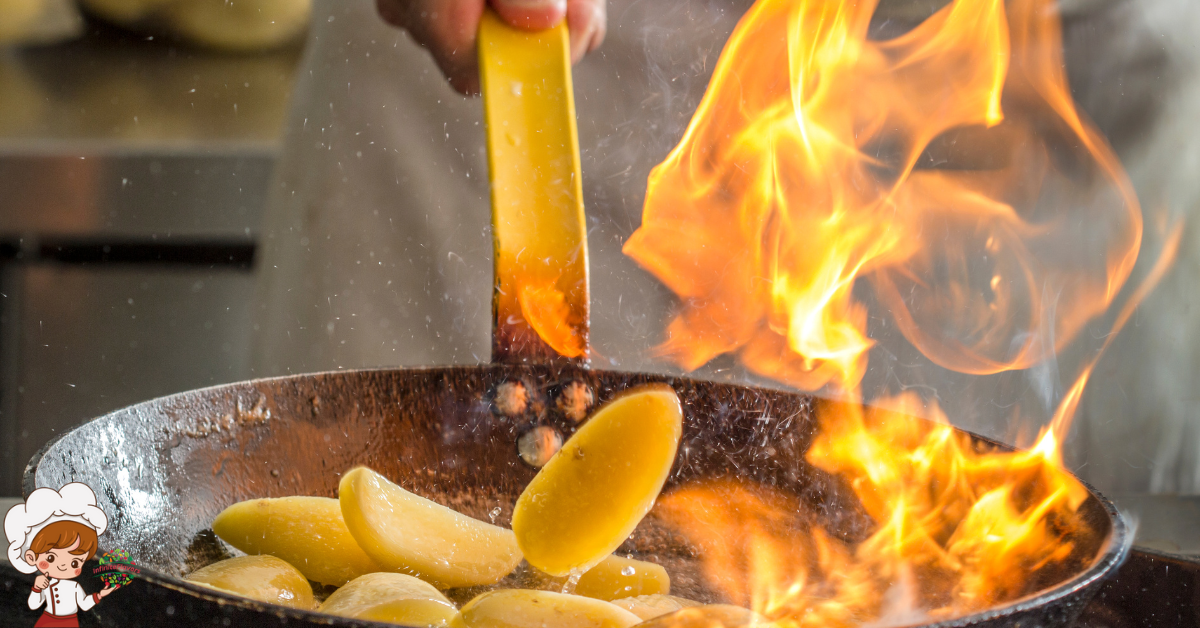
To achieve peak browning, use a heavy-bottomed pan and make certain it's hot enough before adding your meat. Don't overcrowd the pan; this can lead to steaming rather than browning. Instead, work in batches if necessary. Once you've achieved that perfect golden crust, don't forget to deglaze the pan! The fond left behind is packed with flavor and should be incorporated into your braising liquid for a truly enriching experience.
Selecting the Perfect Braising Liquid
When it comes to selecting the perfect braising liquid, you'll want to contemplate the type and flavor profile that best suits your dish. Whether you opt for alcohol-based options like wine or stick to non-alcoholic choices, each will impart unique qualities to your meal. Understanding these differences can elevate your braising game and enhance the overall taste.
Types of Braising Liquids
Selecting the right braising liquid is essential for achieving the rich, deep flavors characteristic of Italian cuisine. You'll want to contemplate a variety of options that complement your main ingredients. Traditional choices include broth, wine, or even a combination of both. For instance, using red wine with beef or lamb can enhance the dish's depth, while white wine pairs beautifully with poultry and seafood.
When you're choosing your liquid, think about the cooking techniques involved. A good rule of thumb is to aim for a liquid ratio of about one part liquid to two parts solid ingredients. This balance guarantees your dish remains moist without becoming overly soupy. If you're looking for an extra layer of flavor, feel free to add aromatics like garlic, onions, or herbs directly into your liquid.
Flavor Profiles to Consider
Choosing the right flavors can elevate your braising game markedly. Start by considering herb combinations like rosemary and thyme or basil and oregano, which can add depth to your dish. Spice blends such as smoked paprika or crushed red pepper can introduce warmth and complexity. Don't forget to explore regional variations; a dish from Tuscany might benefit from a different profile than one from Sicily.
Achieving the perfect acidity balance is essential, too. A splash of vinegar or a squeeze of lemon can cut through richness and brighten flavors. Look for umami enhancement through ingredients like tomatoes, mushrooms, or Parmesan rinds, which can deepen the savory notes of your braise.
Be mindful of sweetness levels; a hint of honey or caramelized onions can round out the flavor. Texture contrasts also play a role—adding chunky vegetables can create a delightful mouthfeel alongside tender meat. Finally, incorporate seasonal ingredients, as they'll provide freshness and reflect the time of year. By thoughtfully selecting and balancing these elements, you'll craft a braising liquid that brings your Italian dishes to life.
Alcohol Vs. Non-Alcohol Options
The essence of a great braise often lies in the choice of liquid, and understanding the role of alcohol versus non-alcohol options can greatly impact flavor and depth. When you reach for wine, you're not just adding moisture; you're enhancing the dish with acidity and complexity. A robust red wine can complement meats beautifully, while a crisp white might brighten lighter proteins. However, if you'd prefer to skip the alcohol, there are plenty of wine alternatives that can still deliver rich flavors.
Cooking with broth is a fantastic non-alcohol option. Whether you choose beef, chicken, or vegetable broth, it adds a savory base that can elevate your dish. You can also incorporate vinegar or citrus juices for acidity, mimicking the effects of wine without the alcohol. If you want additional depth, consider adding a splash of soy sauce or Worcestershire sauce.
Ultimately, the best choice depends on your personal preference and dietary needs. Experiment with both alcohol and non-alcohol options to find the perfect balance for your braise, ensuring you create a dish that's both delicious and satisfying.
Click Here and Turn Every Masterpiece into a Showstopper!
Cooking Techniques and Methods
When it comes to Italian cuisine, mastering cooking techniques and methods is crucial for bringing out the rich flavors and textures of each dish. One popular method is sous vide, which allows you to cook food in a vacuum-sealed bag at a precisely controlled temperature. This technique guarantees an even cook and maximizes flavor infusion, making it perfect for meats and vegetables.
Pressure cooking is another efficient method, dramatically reducing cooking time while maintaining moisture and flavor. It's especially useful for braising variations like osso buco or stews, where tenderizing tough cuts is essential. Slow roasting, on the other hand, lets you develop rich, deep flavors over time, perfect for a succulent roast.
Poaching is a gentle technique that preserves the delicate flavors of fish or poultry. This method can be enhanced by using broths or flavored liquids, adding an extra layer of taste. Similarly, confit methods involve cooking food in its own fat, resulting in tender, flavorful dishes that can be stored for longer periods.
Don't overlook smoking techniques; they add an incredible depth of flavor to meats and vegetables. Finally, braising variations, which combine both moist and dry heat methods, yield meltingly tender dishes that speak to the heart of Italian cooking. By incorporating these techniques into your repertoire, you'll elevate your culinary skills and create dishes that truly resonate with authentic Italian flavors.
Timing and Temperature Control
While mastering braising techniques in Italian cuisine, timing and temperature control play an essential role in achieving perfect results. You need to guarantee that your cooking temperature remains consistent throughout the process. Ideal braising requires a low and slow approach, usually around 300°F to 325°F. This allows the meat to tenderize without drying out. If you notice temperature fluctuations, it's vital to adjust your heat source promptly. A few degrees can mean the difference between perfectly tender meat and a tough, chewy dish.
Timing is equally important. Each cut of meat requires different cooking times, so be prepared to make timing adjustments based on what you're using. For example, tougher cuts like chuck or brisket may need several hours, while more delicate meats like veal shanks can cook more quickly. Use a meat thermometer to check doneness, guaranteeing you don't overcook or undercook your dish.
As you monitor both timing and temperature, consider the braising liquid. If it evaporates too quickly, you might end up with a dry dish. Keep an eye on it and replenish as needed. Remember, patience is key in braising; don't rush the process. Trust your instincts and pay attention to the aromas wafting from your pot. They'll guide you to that perfect Italian braise, one that's rich in flavor and tenderness. With these tips, you're well on your way to mastering this essential technique!
Popular Italian Braised Dishes
Italian cuisine boasts a rich array of popular braised dishes that highlight the technique's ability to transform tough cuts of meat into tender, flavorful meals. One classic dish you can't overlook is osso buco, featuring braised veal shanks cooked with white wine, broth, and aromatic vegetables. The marrow in the bone adds an incredible richness, making it a true comfort food.
Another favorite is braised rabbit, often prepared with olives, garlic, and herbs. This dish showcases the versatility of braising, as rabbit becomes incredibly tender and infused with the robust flavors of the rustic sauces you choose. In many regions, you'll find unique regional variations that reflect local ingredients and traditions, giving each recipe its own charm.
Don't forget about hearty stews, which can include a variety of meats and vegetables, all slow-cooked to perfection. The slow cooked flavor melds the ingredients beautifully, creating a satisfying meal that warms the soul. Pairing these stews with creamy polenta is a must; the smooth texture complements the rich sauces perfectly.
As you explore these traditional recipes, you'll discover how braising elevates simple ingredients into something extraordinary. Each dish tells a story, rooted in Italian culture and culinary history, showcasing the love and care that goes into every bite. So, roll up your sleeves and plunge into the world of Italian braised dishes—there's a whole universe of flavors waiting for you to explore!
Serving and Pairing Suggestions
To truly enjoy braised dishes, thoughtful serving and pairing can elevate your dining experience. Start by considering the serving temperature; warm dishes enhance the flavors and aromas. A braised dish served at the right temperature creates a comforting and inviting meal.
When it comes to plate presentation, aim for a visually appealing arrangement. Use a large, shallow bowl or plate to showcase your dish, ensuring that the rich sauce and tender meat take center stage. You can add garnish options like fresh herbs, a drizzle of olive oil, or a sprinkle of grated Parmesan to enhance the dish's visual appeal.
Side dishes play a significant role in complementing your braised meal. Pair your dish with creamy polenta, soft risotto, or sautéed seasonal vegetables to create a well-rounded plate. These sides should provide flavor contrasts that balance the richness of the braise.
Wine pairings can further enhance your dining experience. A robust red wine, like Chianti or Barolo, works well with hearty braised meats, while a lighter white, such as Verdicchio, can complement braised vegetables. The right wine can bring out the dish's flavors and create a harmonious dining experience.
Tips for Perfecting Your Braise
For a successful braise, start with high-quality ingredients. Choose cuts of meat that are meant for slow cooking, like chuck roast or lamb shanks. These tougher cuts become tender and flavorful when braised. Don't overlook your aromatics, either; onions, garlic, and herbs are essential for building a rich flavor base.
When you're ready to braise, pay attention to the searing process. Sear the meat in a hot pan until it's browned on all sides. This step adds depth to your dish, so don't skip it. Next, consider the liquid. While many believe you can use any broth or wine, regional variations in Italian cuisine showcase the importance of using local ingredients. For instance, a Chianti from Tuscany or a Barolo from Piedmont can elevate your dish dramatically.
Don't fall for common braising myths, such as needing to cook your dish for hours on end. Depending on the cut, you might only need to braise for two to three hours. Check for doneness by testing the meat; it should be fork-tender but not falling apart.
Click Here and Turn Every Masterpiece into a Showstopper!
Frequently Asked Questions: Braising Techniques For Italian Cuisine
Can I Braise Vegetarian Dishes in the Same Way?
Absolutely, you can braise vegetarian dishes just like meat! By using vegetables, legumes, and rich stocks, you'll achieve incredible flavor development. Just adjust cooking times to guarantee everything becomes tender and delicious. Enjoy your culinary adventure!
How Do I Store Leftover Braised Dishes?
To store leftover braised dishes, let them cool before transferring to airtight containers. This way, you'll guarantee flavor preservation. Refrigerate for up to three days or freeze for longer storage. Enjoy your delicious leftovers later!
What Kitchen Tools Are Essential for Braising?
For successful braising methods, you'll need essential cookware like a heavy pot or Dutch oven, a sturdy spatula, and a reliable meat thermometer. These tools guarantee even cooking and help you achieve tender, flavorful results.
Can I Use a Slow Cooker for Braising?
Yes, you can use a slow cooker for braising. It's convenient, allowing you to set it and forget it. The slow cooker benefits include evenly distributing heat and enhancing flavors from the braising liquid.
How Can I Adjust Braising Recipes for Dietary Restrictions?
You can adjust braising recipes by exploring substitution options like low-sodium broth or gluten-free options. Don't forget to enhance the flavor with herbs, spices, or citrus to keep your dish delicious while meeting dietary needs.

Conclusion
Braising is an essential technique in Italian cooking that transforms simple ingredients into flavorful masterpieces. By understanding the basics, choosing the right cuts of meat, and mastering the art of browning, you can truly elevate your dishes. Don't forget to pay attention to timing and temperature for the best results. With practice and a few tips, you'll soon create mouthwatering Italian braises that impress your family and friends. So, roll up your sleeves and start cooking!