How To Roast Almonds In Oven
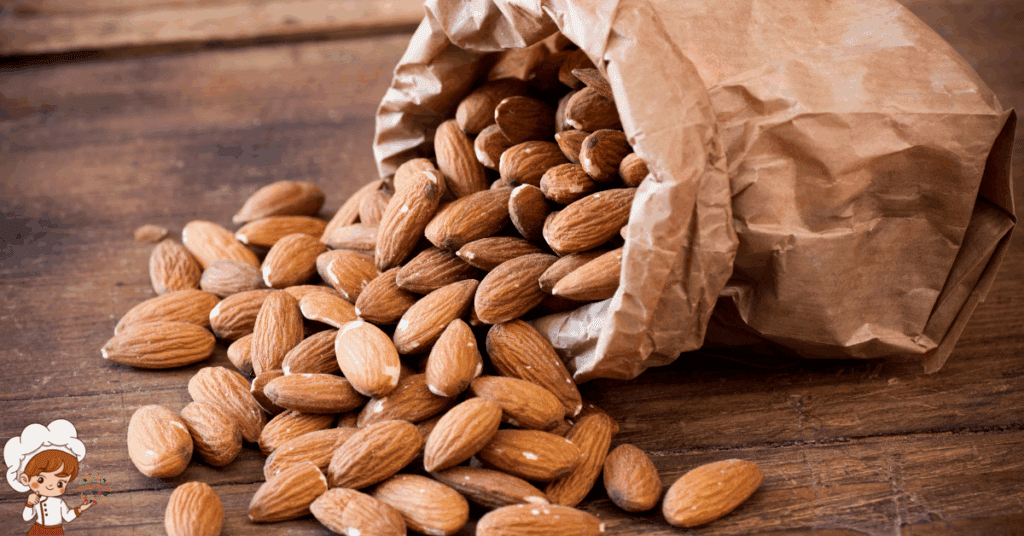
How To Roast Almonds In Oven; To roast almonds in the oven, preheat it to 350°F (175°C). Spread raw or blanched almonds on a baking sheet in a single layer. Optional: toss them in a bit of oil and your choice of seasonings. Roast for 10-15 minutes, stirring halfway through to guarantee even browning. Keep an eye on them; they should turn a light golden-brown. Once done, let them cool before storing in an airtight container to maintain freshness. Enjoy their enhanced flavor and crunch as a snack or in recipes. There’s more to discover about flavoring options and storage techniques!
Benefits of Roasting Almonds
Roasting almonds not only enhances their flavor but also boosts their nutritional profile. When you roast almonds, you bring out their natural oils, resulting in a richer taste that can elevate any dish or snack. But it’s not just about flavor—roasted almonds offer impressive health benefits too.
One of the key advantages of roasting almonds is how it affects their nutritional value. Roasting can increase the availability of certain antioxidants, making it easier for your body to absorb them. Antioxidants help combat oxidative stress and can lower the risk of chronic diseases. Additionally, roasted almonds still retain their healthy fats, fiber, and protein, contributing to a balanced diet.
You might also notice that roasted almonds have a satisfying crunch that enhances their appeal as a snack. This crunchiness can lead to slower eating, allowing you to enjoy your food more and feel fuller for longer—this can be beneficial if you’re watching your calorie intake. Moreover, the flavor enhancement makes it easier to incorporate almonds into your diet, whether you’re adding them to salads, oatmeal, or eating them on their own.
Choosing the Right Almonds
When it comes to choosing the right almonds, you’ll want to take into account both the type and quality to guarantee a delicious and nutritious snack. First, consider the almond varieties available. You’ll typically find two main types: sweet and bitter. Sweet almonds are what you’ll want for snacking or roasting, while bitter almonds are primarily used for oil extraction and aren’t safe to eat raw.
Next, think about the raw vs. roasted options. If you prefer the natural, unaltered flavor, go for raw almonds. They’re packed with nutrients and offer a great base for roasting at home. However, if you’re looking for convenience and immediate crunch, you might opt for pre-roasted almonds. Just keep in mind that they might contain added oils or salt, so check the label to ascertain they meet your dietary preferences.
Quality matters too. Look for almonds that are fresh, with no signs of discoloration or rancidity. You can usually find high-quality almonds at health food stores or specialty markets. If possible, buy them in bulk to guarantee you’re getting the freshest batch available.
Lastly, consider whether you want blanched or unblanched almonds. Blanched almonds have their skins removed, giving them a smoother texture, while unblanched almonds retain their skins, which adds fiber and a nuttier flavor. Choosing the right almonds sets the foundation for a satisfying roasting experience!
Necessary Ingredients
Now that you’ve chosen the right almonds, gathering the necessary ingredients is your next step for a successful roasting session. Besides the almonds themselves, you’ll need a few simple items to elevate their taste and maximize their nutritional benefits.
First, grab some high-quality olive oil, which not only enhances the flavor profiles of your roasted almonds but also adds healthy fats. A couple of tablespoons should do the trick. If you prefer a different oil, avocado or coconut oil work well, too.
Next, consider adding seasonings to customize the taste. Sea salt is a classic choice, but you can also experiment with spices like paprika, garlic powder, or cayenne pepper for a little kick. A teaspoon or two of your preferred seasoning will enhance the overall flavor while still allowing the natural nuttiness of the almonds to shine through.
If you want to add a touch of sweetness, a sprinkle of cinnamon or a drizzle of honey can make your almonds irresistible. Just remember that too much sugar can overshadow their nutritional benefits, so use these sparingly.
Prepping Your Oven
Preparing your oven is an important step in achieving perfectly roasted almonds. First, make certain your oven is clean. Remove any leftover food particles or debris, as these can burn and affect the flavor of your almonds. Next, check that your oven rack is in the middle position. This allows for even heat distribution, essential for uniform roasting.
Now, let’s talk about oven safety. Verify your oven is in good working condition. Inspect the heating elements and confirm there are no strange smells or sounds when you turn it on. If you’re using a gas oven, check for any gas leaks. If you spot anything unusual, it’s best to call a professional before you start roasting.
Once you’ve confirmed everything is safe, it’s time to preheat your oven. Preheating is important for roasting almonds evenly. Set your oven to 350°F (175°C), which is the perfect temperature for roasting. While it’s heating, keep an eye on the timer; it usually takes about 10-15 minutes for most ovens to reach the desired temperature.
Preparing Almonds for Roasting
With your oven preheated and ready, the next step is to prepare your almonds for roasting. Start by deciding whether you want to roast raw almonds or blanched ones. If you prefer blanched almonds, soaking almonds in water for about 24 hours is a great technique. This process not only rehydrates the nuts but also helps to loosen their skins. Once soaked, simply squeeze each almond between your fingers to remove the skins easily.
If you don’t want to soak your almonds, that’s perfectly fine too! You can roast raw almonds directly without blanching. However, soaking and blanching almonds can enhance their texture and flavor, giving you that crunchy bite you might be looking for.
After you’ve soaked and peeled your almonds, make sure to drain them well. Pat them dry with a clean kitchen towel or paper towels to remove excess moisture. Moisture can cause the almonds to steam instead of roast, preventing that desired crispy finish.
For raw almonds, rinse them under cold water and dry them thoroughly as well. Once your almonds are ready, consider tossing them in a little bit of oil and seasoning if you want to add extra flavor. This step is optional, but it can elevate your roasted almonds to a whole new level. Now that your almonds are prepped, you’re all set to move on to the next stage of roasting!
Setting the Right Temperature
Getting the temperature right is crucial for perfectly roasted almonds. If the oven temperature is too low, your almonds won’t achieve that delightful crunch. If it’s too high, they might burn before you even realize it. For ideal results, preheat your oven to 350°F (175°C). This temperature strikes a good balance, allowing the almonds to roast evenly without scorching.
Once your oven reaches the right temperature, you’ll need to pay attention to the roasting time. Generally, almonds take about 10 to 15 minutes to reach that golden-brown hue you’re looking for. To avoid overcooking, check them at the 10-minute mark. Stirring the almonds halfway through the roasting time guarantees they brown evenly. Keep in mind that almonds will continue to cook slightly even after you remove them from the oven, so it’s best to take them out just a tad before they reach your desired shade.
If you’re experimenting with different flavors or seasonings, you might want to adjust the roasting time based on how much moisture is in your added ingredients. For instance, if you’re using oil or other wet seasonings, it can affect the roasting process. Remember, setting the right oven temperature and closely monitoring the roasting time will lead you to deliciously roasted almonds that are perfect for snacking or adding to your favorite recipes. Enjoy the process and savor the results!
Roasting Process
The roasting process for almonds is straightforward and rewarding, transforming raw nuts into a delicious, crunchy snack. First, you’ll want to choose your almond varieties. Whether you prefer blanched, whole, or sliced almonds, each type will roast differently, so keep that in mind as you decide what to use.
Next, prepare your almonds by spreading them in a single layer on a baking sheet. This guarantees even roasting, which is essential for achieving that perfect crunch. Depending on the roasting techniques you prefer, you can experiment with oil or seasoning. While some folks enjoy roasting almonds plain, others like to add a bit of olive oil and salt to enhance the flavor.
Once your almonds are arranged, place the baking sheet in the preheated oven. It’s best to roast them at a moderate temperature to avoid burning. Stir the almonds every 5-10 minutes to promote even browning. The total roasting time will vary based on the almond varieties you choose and your desired level of toastiness, but it typically ranges from 10 to 15 minutes.
As you roast, keep an eye on the almonds. The aroma will fill your kitchen, signaling that they’re nearing completion. With these techniques in mind, you’re well on your way to enjoying perfectly roasted almonds that you can snack on or use in your favorite recipes.
Checking for Doneness
As your almonds roast, keep an eye out for visual cues that indicate doneness, like a golden-brown color. You’ll also notice a shift in aroma; the nuts will start to smell nutty and fragrant. Trust your senses—when they look and smell just right, it’s time to take them out!
Visual Cues for Doneness
When roasting almonds, you’ll want to look for specific visual cues that indicate they’re done. The first thing to notice is the color changes; perfectly roasted almonds should turn a light golden brown. If they start to look too dark, it’s a sign you may have overcooked them, so keep a close eye on that color.
Next, pay attention to the texture contrast. Well-roasted almonds should have a slightly glossy appearance, indicating that the natural oils have been released. This glossiness adds to the visual appeal and suggests a good roast. You might also notice a slight puffiness in the almonds, which shows that they’ve expanded as they cooked.
If you’re unsure, it’s always better to check them a little earlier than later. Remember, they’ll continue to cook a bit even after you take them out of the oven due to residual heat. So, when you see that golden hue and a shiny surface, you can feel confident that your almonds are just about ready. Monitoring these visual cues will help guarantee you achieve the perfect roast every time!
Aroma and Flavor Changes
Along with visual cues, aroma and flavor changes are key indicators that your almonds are reaching perfection. As your almonds roast, pay close attention to the increasing aroma intensity. Initially, they may smell slightly nutty, but as they cook, that scent will deepen and become richer. When you start to notice a warm, toasty fragrance wafting from the oven, you’re getting close to the ideal roast.
Additionally, the flavor profile of the almonds will evolve during roasting. At first, they might taste bland, but as they continue to cook, their natural oils release, enhancing their nuttiness and adding a slightly sweet undertone. This transformation means they’re on the right track.
To check for doneness, taste an almond from the batch. It should be crunchy with a robust, toasted flavor. If it still tastes raw or lacks that deep flavor, give them a few more minutes in the oven. Remember to rotate the almonds halfway through to guarantee even roasting. By focusing on aroma intensity and flavor changes, you’ll master the art of roasting almonds to perfection.
Flavoring Options
Roasting almonds opens the door to a world of flavor possibilities that can elevate your snacking experience. You can easily customize your almonds with a variety of sweet variations and savory blends. Whether you prefer them with a hint of sweetness or a kick of spice, there’s an option for everyone.
For sweet variations, consider tossing your almonds in melted coconut oil or butter, then sprinkling them with cinnamon and a bit of sugar before roasting. You might also try a drizzle of maple syrup or honey, followed by a sprinkle of sea salt to enhance that sweet-savory combo. For an extra twist, add some cocoa powder for a chocolatey treat that’s hard to resist.
If savory blends are more your style, the options are endless. Start with a base of olive oil and toss in your favorite spices. A simple mix of garlic powder, onion powder, and smoked paprika can deliver a delightful punch. Or, go for a Mediterranean flair with herbs like rosemary and thyme, along with a sprinkle of feta cheese after roasting. If you’re feeling adventurous, experiment with a spicy blend using cayenne pepper, chili powder, or even a dash of sriracha.
No matter which flavor profile you choose, make certain to coat your almonds evenly before placing them in the oven. This guarantees that every bite is packed with flavor. Get creative, and enjoy the delicious results!
Storing Roasted Almonds
To guarantee your roasted almonds stay fresh and delicious, it’s essential to store them properly. Start by choosing the right storage containers. Airtight containers are your best bet since they help keep moisture and air at bay, which can lead to spoilage. Glass jars, plastic containers, or vacuum-sealed bags work well. Just make sure they’re clean and dry before adding your almonds.
Once your almonds are in their storage containers, consider where you’ll keep them. A cool, dark place like a pantry is ideal. Avoid direct sunlight, as it can cause the almonds to go rancid more quickly. If you want to extend their shelf life even further, you might consider refrigerating or freezing them. In the fridge, roasted almonds can last for about 2-3 weeks, while freezing can extend their shelf life to several months. Just remember to use freezer-safe containers if you go this route.
When you’re ready to enjoy your almonds again, let them come to room temperature if they’ve been frozen. This way, you’ll savor that crunchy texture and rich flavor you love. Always check for any off smells or flavors before consuming, as this can indicate they’ve gone bad. By following these simple storage tips, you can enjoy your delicious roasted almonds well beyond the day you made them.
Frequently Asked Questions: How To Roast Almonds In Oven
Can I Roast Almonds Without Oil?
Yes, you can dry roast almonds without oil! This method preserves their natural flavor and offers health benefits like lower calories and less fat. Just spread them on a baking sheet and toast until golden.
How Long Do Roasted Almonds Last?
Roasted almonds can last up to two weeks at room temperature. For ideal freshness, store them in an airtight container. Look for signs like off smells or discoloration to confirm they’re still good.
Is It Safe to Roast Raw Almonds?
Yes, it’s safe to roast raw almonds! Using proper roasting techniques enhances their flavor and preserves nutritional benefits. Just keep an eye on the time and temperature to avoid burning them. Enjoy your tasty, healthy snack!
Can I Roast Flavored Almonds?
Yes, you can roast flavored almonds! Just choose your preferred flavored varieties and explore various seasoning options. Experiment with spices or sweeteners to create delicious, customized snacks that suit your taste perfectly. Enjoy your tasty creations!
How Do I Know if Almonds Are Burnt?
To know if almonds are burnt, trust your senses. If the almond aroma turns bitter or overly strong, they’ve likely burnt. Use roasting tips like checking frequently to avoid overcooking and preserve that delicious flavor.

Conclusion
Roasting almonds in the oven is a simple way to enhance their flavor and texture. By following these steps, you can enjoy perfectly roasted almonds in no time. Remember to experiment with different flavors to find your favorite combinations. Once you’ve roasted your almonds, store them properly to keep them fresh and crunchy. So go ahead, grab your almonds, and get roasting—you’ll love the delicious results!
If you enjoyed exploring this topic and want to dive even deeper, be sure to check out some of our other articles here on Infinite Flavors. From rich culinary histories to creative twists on classic recipes, there’s always something new to discover. Whether you’re curious about the origins of a dish, looking for fresh inspiration in the kitchen, or simply love learning about food culture, our collection of posts is the perfect next step on your flavor journey.
The Best Temperature For Roasting Whole Chicken
Great Reasons For Using Roasting Pan With Rack