Seasoning Tips For Braising Meats
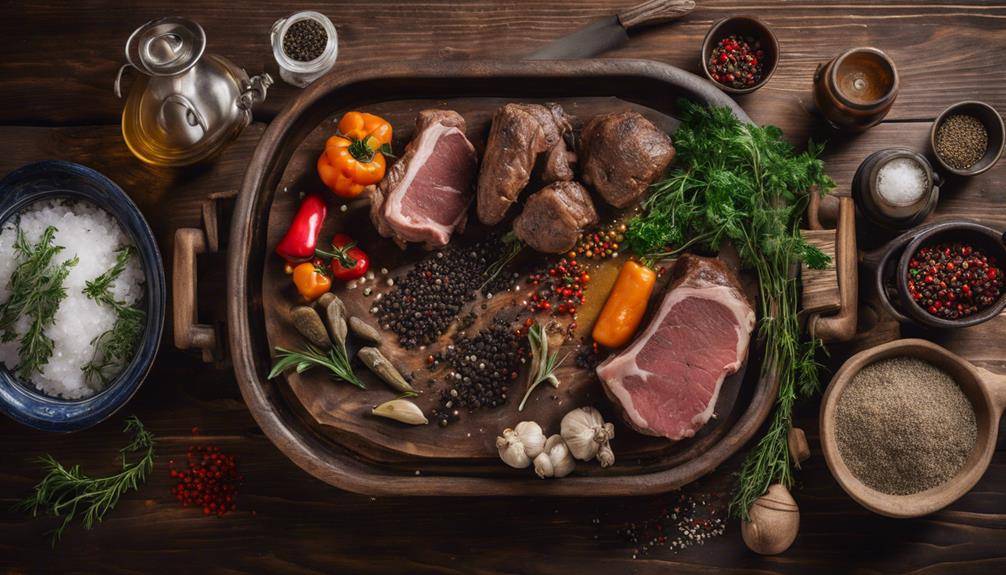
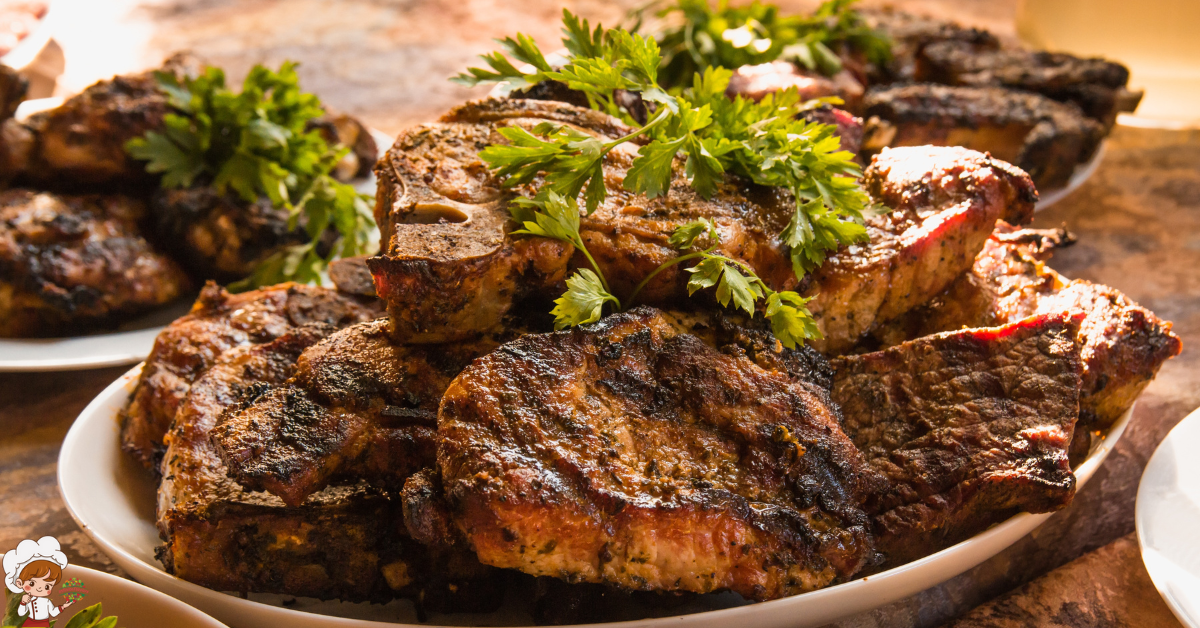
Seasoning Tips For Braising Meats: When you braise meats, start by understanding each meat's unique flavor. Use bold seasonings for beef, like garlic and rosemary, while pork thrives on sweeter notes, such as apples and mustard. Don't skip marinades; soaking your meat in a mixture of acid and spices enhances flavor and tenderness. Before browning, apply a generous dry rub or wet marinade to let the flavors soak in. Layer flavors by adding aromatics early, and adjust seasoning as you go for balance. Brighten your dish with a splash of vinegar or fresh herbs at the end. There's more to explore for perfectly seasoned braised meats.
Click Here and Turn Every Masterpiece into a Showstopper!
Understanding Flavor Profiles
When it comes to braising meats, understanding flavor profiles is essential for creating a delicious dish. You'll want to start by considering the taste profiles of the ingredients you're using. Each meat has its own unique flavor, and recognizing how it interacts with spices, herbs, and liquids will elevate your dish. For instance, beef pairs well with bold flavors like garlic, rosemary, and red wine, while pork often shines with sweeter notes like apples and mustard.
Next, think about flavor combinations that can enhance your braising liquid. A good balance of acidity, sweetness, and umami can transform a simple dish into something extraordinary. If you're braising lamb, try combining it with olives, citrus, and fresh herbs to create a Mediterranean vibe. For chicken, a mixture of lemon, thyme, and garlic can create a delightful flavor contrast that complements the meat beautifully.
Don't forget about the impact of aromatics, like onions, carrots, and celery, which can add depth to your braising liquid. These ingredients not only contribute their own taste profiles but also help build a rich base for the dish. Experimenting with different combinations can lead to surprising results, so don't hesitate to play around with various herbs and spices. Ultimately, understanding these flavor profiles and how they work together will help you craft a braised dish that's not just tender, but bursting with flavor.
Choosing the Right Meat
Selecting the right meat is a key factor in achieving a successful braise. Your meat selection can make or break your dish, so it's important to understand the cut differences. For braising, tougher cuts with more connective tissue work best, as they become tender and flavorful when cooked low and slow. Cuts like chuck roast, brisket, and shanks are all excellent choices because they hold up well during the long cooking process.
When you're choosing your meat, consider the fat content as well. Marbling adds flavor and moisture, which is vital during braising. Look for cuts that have a good amount of fat, as this will render down and enhance the overall taste of your dish. You can also explore pork shoulder or lamb shanks, which provide a unique flavor profile and work wonderfully in a braise.
Don't forget about the bone-in options! Bone-in cuts like short ribs or oxtail impart additional richness to your dish, thanks to the gelatin released during cooking. This can elevate your braise to a whole new level.
Importance of Marinades
Marinades are a game changer when it comes to enhancing the flavors of braised meats. By using the right marinade ingredients, you can infuse your meats with rich flavors and tenderize them at the same time. A good marinade typically includes an acid, such as vinegar or citrus juice, which helps break down the proteins in the meat. Combine this with oils and flavorful elements like garlic, onions, and herbs to create a balanced mixture that penetrates the meat.
When it comes to marinade techniques, you've got a few options. You can soak your meat in the marinade for several hours or even overnight, allowing those flavors to meld beautifully. If you're short on time, a quick marinade of 30 minutes can still work wonders, especially with smaller cuts of meat. Remember to turn the meat occasionally to guarantee even coverage.
Don't forget about the importance of using enough marinade to cover the meat completely. This assures that every bite will be flavorful. After marinating, be sure to pat the meat dry before braising; this helps achieve a nice sear and enhances the overall texture.
Lastly, consider reserving some of the marinade to create a sauce after braising. Just remember to bring it to a boil first to eliminate any bacteria. With these marinade tips, you'll elevate your braised meats to a whole new level of deliciousness. Enjoy experimenting with different flavors!
Essential Herbs and Spices
When braising meats, the right herbs and spices can elevate the dish to new heights. You'll want to focus on herbs that complement the richness of the meat, while spices can add that extra kick. Let's explore which flavors work best for your next braising adventure.
Best Herbs for Braising
Braising isn't just about cooking; it's an art that transforms tough cuts of meat into tender, flavorful dishes. To elevate your braised meats, choosing the right herbs is essential. Fresh herbs like thyme, rosemary, and bay leaves bring vibrant flavors, while dried herbs offer convenience and concentrated taste.
When deciding between fresh versus dried herbs, remember that dried herbs are typically more potent. A general rule is to use one-third the amount of dried herbs compared to fresh. Herb combinations can also enhance depth; for instance, pairing rosemary with thyme creates a delightful balance.
Don't shy away from experimenting! Try mixing herbs like oregano and tarragon for a unique twist. If you're braising beef, consider using robust herbs, while lighter meats like chicken can benefit from more delicate flavors.
Always remember to add your herbs wisely—putting them in at the right stage of cooking can make all the difference. For example, add fresh herbs towards the end to preserve their flavor, while dried herbs can be introduced earlier to meld with the dish. With the right herbs, your braised meats will be nothing short of spectacular.
Spices to Enhance Flavor
To truly enhance the flavor of your braised meats, incorporating the right spices can make all the difference. Start by experimenting with classic spice blends like garam masala or Italian seasoning. These blends pack a punch and can transform your dish from ordinary to extraordinary.
Consider flavor combinations that complement the type of meat you're using. For beef, spices like smoked paprika, cumin, or black pepper work wonders. If you're braising pork, try adding fennel seeds or coriander for a sweet and aromatic profile.
Don't forget about the power of heat! A pinch of cayenne or crushed red pepper flakes can elevate the dish while adding depth. For a more subtle approach, think about using herbs de Provence or a dash of cinnamon for unexpected warmth.
Seasoning Before Browning
Seasoning your meat before browning is essential for building a rich flavor base. When you season early, the flavors have time to penetrate the meat, enhancing its overall taste. You can choose between dry rubs vs. wet marinades, each offering distinct advantages. Dry rubs, composed of spices and herbs, create a flavorful crust when seared, while wet marinades, containing acids like vinegar or citrus, tenderize the meat and infuse moisture.
Consider the seasoning intensity impact when you decide how much to use. If you're working with a robust cut like beef chuck, you can be bolder with your spices. On the other hand, lighter meats like chicken or fish benefit from more subtle seasoning to prevent overpowering their natural flavors. A good rule of thumb is to season generously, but not excessively—balance is key.
For dry rubs, mix your favorite spices and coat the meat evenly, allowing it to sit for at least 30 minutes. If you prefer wet marinades, marinate for several hours or even overnight for the best results. Remember, the goal is to enhance the inherent flavors of the meat rather than mask them.
Layering Flavors During Cooking
Layering flavors during cooking is essential for achieving a deep, complex taste in braised meats. When you begin the braising process, think about how you can enhance the dish by using effective layering techniques. Start with aromatics like onions, garlic, and herbs. Sauté these ingredients in your pot before adding the meat; this not only builds a flavorful base but also infuses your dish with rich undertones.
Next, consider the flavor combinations you're using. Different meats pair well with various herbs and spices. For instance, rosemary and thyme complement lamb beautifully, while bay leaves and sage work wonders with pork. Once you've browned your meat and set it aside, deglaze the pot with a splash of wine or broth. This step lifts the flavorful bits stuck to the bottom, ensuring nothing goes to waste.
As you add your braising liquid, don't forget to include additional flavor boosters like tomato paste or Worcestershire sauce. These ingredients can intensify the overall taste. If you're adding vegetables, do so in layers as well—root vegetables like carrots and potatoes can go in earlier, while delicate greens should be added closer to the end of cooking.
Balancing Saltiness and Sweetness
When you're braising meats, finding the right balance between saltiness and sweetness is key to enhancing flavors. Experiment with different salt types, like kosher or sea salt, to see how they affect your dish. Also, consider various sweetness sources, such as honey or maple syrup, to complement the savory notes in your meat.
Salt Types and Usage
Choosing the right type of salt can greatly impact your braised meats, balancing the savory and sweet elements of your dish. Sea salt benefits include its natural minerals, which enhance flavor without overpowering the meat. It's perfect for finishing touches, giving a delightful crunch and burst of flavor. Kosher salt is another great choice; its larger flakes make it easy to control how much you use, ensuring even seasoning throughout your dish. Plus, it's excellent for drawing moisture from meat, making it a popular choice among chefs.
When considering salt, be aware of table salt differences. Unlike kosher and sea salts, table salt is finer and often contains additives, which can lead to a more concentrated saltiness. Finally, Himalayan salt characteristics include its unique pink hue and mineral content, adding a subtle flavor that can elevate your braised meats. However, use it sparingly, as its taste can be quite distinct. By understanding these salt types and their uses, you can create a harmonious balance of saltiness and sweetness in your braised dishes, enhancing the overall flavor profile.
Sweetness Sources to Consider
To achieve a balanced flavor in your braised meats, consider incorporating various sources of sweetness that complement the savory elements. Honey options are a fantastic choice; they add a natural sweetness and can enhance the overall depth of flavor. Maple syrup also works well, offering its unique caramel notes that blend beautifully with meats like pork or chicken.
Don't overlook fruit juices, such as apple or orange, which bring a revitalizing sweetness while adding acidity. Brown sugar is another versatile ingredient that not only sweetens but enriches your dish with a hint of molasses richness. If you're feeling adventurous, try adding sweet vegetables like carrots or sweet potatoes; they'll infuse your braise with natural sugars as they cook down.
For an interesting twist, consider using agave nectar, which has a milder sweetness than traditional sugars. Finally, if you want to deepen the flavor further, a touch of molasses can elevate your dish with its complex sweetness. Balancing these sweetness sources with the saltiness in your braise creates a harmonious flavor profile that'll delight your taste buds.
Click Here and Turn Every Masterpiece into a Showstopper!
Using Acid for Brightness
While balancing flavors is essential in braising meats, using acid can elevate your dish by adding brightness and complexity. Acid types such as vinegar and citrus zest play an important role in achieving this effect. Vinegar options, like red wine or apple cider, can provide a sharp contrast to the richness of the meat, enhancing its flavor while cutting through the fat.
Incorporating acid at the right moment is key. If you add it too early in the cooking process, it can diminish the meat's natural sweetness and tenderness. Instead, consider adding acid towards the end of cooking for best brightness effects. This approach keeps the acidity balance in check, ensuring your dish doesn't become overly tart.
Using marinades can also influence the final flavor profile of your braised meat. A marinade with a splash of vinegar or lemon juice not only infuses the meat with flavor but also tenderizes it, thanks to the acidity. When you're braising, think about the cooking techniques you employ; braising in a liquid that includes acid will deepen the complexity of the dish.
Incorporating Aromatics
Aromatics are your secret weapon for transforming braised meats into a rich, flavorful experience. By incorporating a variety of aromatic vegetables and herb combinations, you can elevate your dish to new heights. Start with a base of onions, garlic, and carrots—these staples provide essential flavor and sweetness. You can also experiment with aromatic oils, like olive or sesame, to add depth.
To maximize flavor infusion, consider using herbaceous broths or vegetable stocks instead of plain water. This not only enhances the taste but also adds subtle complexity. When choosing your aromatics, think about the culinary traditions you want to draw from. For example, Mediterranean dishes benefit from basil, rosemary, and thyme, while Asian-inspired braises might include ginger, lemongrass, and cilantro.
Don't shy away from spice blends either; a pinch of cumin, coriander, or smoked paprika can add incredible scent enhancements to your braise. Remember to layer your seasonings throughout the cooking process. Start by sautéing your aromatic vegetables to release their oils and flavors, then add your meat and allow it to sear before introducing your liquid.
As the dish cooks, the aromas will mingle, creating a deliciously fragrant braise. As you refine your seasoning techniques, you'll discover the perfect balance of flavors that will keep your family and friends coming back for more. Embrace the power of aromatics, and watch your braised meats transform into a culinary masterpiece.
Timing for Adding Seasoning
Getting the timing right for adding seasoning can greatly impact the flavor of your braised meats. Start with pre-braising seasoning to enhance the depth of flavor. When you season your meat before it hits the heat, you give the spices and herbs a chance to penetrate the meat. This not only develops a robust base flavor but also helps in creating a delicious crust during the initial searing. A good rule of thumb is to season your meat at least 30 minutes ahead of cooking to allow the flavors to meld.
Once your meat is perfectly braised and tender, it's time to think about post-braising adjustments. After removing your meat from the pot, don't forget that the braising liquid can also be seasoned. Taste the sauce; it may need a bit more salt, pepper, or even a splash of vinegar to brighten the flavors. The liquid often absorbs the seasoning from the meat, so this step can elevate the final dish considerably.
Be mindful of the timing here; adding seasoning too early in the braising process can lead to overly salty or unbalanced flavors. It's about finding that sweet spot where you've built a foundation with pre-braising seasoning and can then enhance with post-braising adjustments. Remember, it's easier to add more seasoning than to take it away, so go in gradually and taste as you go. This approach will guarantee your braised meats are flavorful and satisfying.
Tasting and Adjusting
As you cook, make sure to taste your dish frequently. It's essential to balance the flavors carefully, adjusting seasoning as needed to enhance the overall profile of the meat. Trust your palate; it'll guide you to the perfect braise.
Taste As You Cook
One key to achieving perfectly braised meats is to taste as you cook. This simple yet vital step allows you to monitor the seasoning and guarantee your dish develops a rich, satisfying flavor. As you apply various seasoning techniques, take small samples throughout the cooking process. This helps you gauge how the flavors meld and evolve over time.
When you taste early and often, you can identify whether your dish needs more salt, acidity, or other seasonings to enhance its overall profile. Remember, flavors can intensify as the meat simmers, so don't hesitate to adjust your seasonings gradually. If it's too bland, add a pinch of salt or a splash of vinegar; if it's overpowering, you might need to balance it with a bit of sweetness or additional liquid.
The key is to trust your palate. By actively engaging with the cooking process, you'll develop a better understanding of how different flavors interact and contribute to the final dish. So, grab a spoon, taste frequently, and adjust as necessary to create a braised masterpiece that's bursting with flavor.
Balance Flavors Carefully
Balancing flavors carefully is essential for a successful braise. As you cook, regularly taste your dish and adjust the seasoning to achieve that perfect harmony. You want to develop umami depth, which enhances the richness of the meat and creates a satisfying mouthfeel. Start with a good base, like broth or wine, and build from there.
When adding ingredients, think about flavor contrast. A touch of acidity from tomatoes or vinegar can brighten up the dish, while a hint of sweetness from carrots or onions balances the savory notes. Don't be afraid to experiment with herbs and spices; rosemary, thyme, and bay leaves can elevate your braise, but remember to add them gradually.
After your meat has cooked for a while, give it another taste. If it feels flat, consider a splash of soy sauce or a dash of salt. If it's too salty, a little sugar or more veggies can help counteract that. The goal is to create a well-rounded flavor profile that keeps your taste buds engaged. With practice, you'll master the art of balancing flavors and elevate your braised dishes to new heights.
Finishing Touches for Flavor
To elevate the flavors of your braised meats, don't underestimate the power of finishing touches. After hours of slow cooking, you'll want to make sure those flavors pop. Start by considering finishing techniques that can add brightness and depth. A squeeze of fresh lemon or a splash of vinegar can cut through the richness and elevate the dish. Don't shy away from herbs, either; fresh parsley, cilantro, or thyme sprinkled just before serving can bring a burst of freshness.
Another great way to enhance flavor is by adding a finishing oil. A drizzle of high-quality olive oil or flavored oils, like chili or garlic-infused, can add complexity and a rich mouthfeel. You might also consider a touch of cream or butter at the end, which can create a luscious sauce that clings beautifully to your meat.
If you're feeling adventurous, a sprinkle of smoked sea salt can add an exciting layer of flavor. Remember to taste as you go; adjusting seasoning at the end can make a world of difference.
Lastly, don't forget that a well-chosen garnish can enhance the visual appeal and flavor profile of your dish. Think toasted nuts, microgreens, or even a bit of zesty citrus peel. These finishing touches not only amp up taste but also create an inviting plate that's hard to resist. So go ahead, experiment with these flavor enhancements, and watch your braised meats transform into something extraordinary!
Pairing Sides and Sauces
The right sides and sauces can elevate your braised meats to new heights, complementing the rich flavors you've created. When you think about sauce varieties, consider how they can enhance the meat's taste and create a harmonious plate. A classic option like a red wine reduction pairs beautifully with beef, while a tangy balsamic glaze can bring out the sweetness in pork. Don't shy away from experimenting! Try a creamy mustard sauce for chicken or a spicy chimichurri for a zesty kick.
Now, let's talk side combinations. Aim for sides that balance the richness of your braised dish. Creamy mashed potatoes or polenta provide a comforting base, soaking up any delicious sauce you've prepared. Roasted root vegetables add a natural sweetness, while sautéed greens like kale or spinach bring a pop of color and a touch of bitterness to cut through the richness.
Don't forget about grains! Barley or farro can add texture and nutty flavors that work well with your braised meat. For a lighter touch, a fresh salad with citrus dressing can brighten up the meal.
Ultimately, the key is to create a well-rounded plate. Think about contrasting textures and flavors that complement your braised meats. By selecting the right sauce varieties and side combinations, you'll transform your dish into a complete culinary experience that your guests will rave about. Enjoy the process, and let your creativity shine!
Storing Leftovers Properly
After you've enjoyed your delicious braised meat, it's important to store the leftovers properly. Make sure to cool the dish before placing it in airtight containers to keep it fresh. Don't forget to label and date your containers so you know exactly when you stored them!
Cool Before Storing
Cooling leftovers properly is vital for preserving both flavor and food safety. After braising your meats, don't leave them out for too long. Letting them cool at room temperature for more than two hours can lead to bacterial growth that could spoil your meal. To avoid this, use effective cooling methods. One common approach is to divide large portions into smaller containers, allowing them to cool down faster. You can also place the containers in an ice bath, where you fill a larger bowl with ice and water, then nestle your smaller containers within it.
Once your leftovers are cool, it's important to store them right away. The ideal storage duration for cooked meats is typically three to four days in the refrigerator. If you plan to keep them longer, consider freezing them, which can extend their lifespan up to three months. Just remember, for the best taste and texture, try to consume your leftovers within the recommended time frame. By following these steps, you'll guarantee that your delicious braised meats stay safe and enjoyable for future meals.
Use Airtight Containers
Using airtight containers is essential for keeping your braised meat leftovers fresh and flavorful. When you store your leftover braised meats, make sure to choose high-quality airtight containers that seal tightly. This prevents air from getting in and helps retain moisture, which is vital for maintaining the delicious flavor you've worked hard to create.
If you want to go the extra mile, consider vacuum sealing your leftovers. This method removes excess air and locks in the juices, ensuring that your meat stays tender and succulent. Vacuum sealing is especially effective if you plan to freeze your braised meats, as it minimizes freezer burn and keeps them tasting just as good as the day you cooked them.
Don't forget that proper marinating techniques can also enhance the flavor of your leftovers. If you have any braising liquid left, store it alongside the meat. It'll not only keep the meat moist but also provide an opportunity to infuse even more flavor the next time you reheat it.
Label and Date
Labeling and dating your leftovers is a simple yet effective way to keep track of when you cooked your braised meats. It guarantees you enjoy your meals at their best quality and helps prevent food waste. Start by using clear labeling techniques; write the dish name and the date you cooked it on the container. You can use masking tape or adhesive labels for easy removal later.
When it comes to date selection, always opt for the date you cooked the dish, rather than when you put it in the fridge. This way, you have a clear timeline of freshness. If you're storing multiple meals, consider adding a "use by" date that's typically three to four days after cooking.
Be consistent with your labeling; it'll save you time and confusion when you're rummaging through your fridge. Remember, once the date has passed, it's best to toss it out. Keeping your leftovers organized not only makes meal prep easier but also helps you feel more in control of your kitchen. So, take a moment to label and date your braised meats, and enjoy the peace of mind that comes with it!
Click Here and Turn Every Masterpiece into a Showstopper!
Frequently Asked Questions: Seasoning Tips For Braising Meats
Can I Braise Meats Without Any Seasoning?
You can braise meats without seasoning, but you'll miss out on rich flavor profiles. Braising basics emphasize seasoning to enhance the dish, making it more enjoyable and memorable. Don't skip the seasoning for the best results!
How Does Altitude Affect Seasoning in Braising?
Altitude affects seasoning because lower air pressure can diminish flavor intensity. You'll want to make altitude adjustments by adding more seasoning than usual to guarantee your dish retains its rich, delicious taste while braising.
Can I Use Pre-Seasoned Meats for Braising?
You can definitely use pre-seasoned meats for braising! They offer pre-seasoned benefits, enhancing flavor absorption during cooking. Just be mindful of the seasoning levels, as they might intensify while braising, leading to overpowering flavors.
What Are Common Mistakes When Seasoning for Braising?
When seasoning for braising, avoid over seasoning pitfalls by adding salt gradually. Timing matters too; season early for deeper flavor integration, but hold back some seasoning for the end to adjust taste perfectly.
How Do Different Cooking Vessels Impact Seasoning?
Different cooking vessel materials affect flavor absorption greatly. If you use cast iron, it retains heat and enhances seasoning, while stainless steel may not absorb flavors as well. Choose wisely to maximize your dish's taste.

Conclusion
Braising meats can transform your dishes into flavorful delights when you master the seasoning. By understanding flavor profiles and choosing the right meat, you set a solid foundation. Don't forget the power of marinades and essential herbs and spices to elevate your meal. Always taste and adjust as you go, and consider finishing touches for extra flair. With these tips, you'll create mouthwatering meals that leave everyone wanting more. Enjoy your culinary journey!