Braising Techniques For Mediterranean Diet
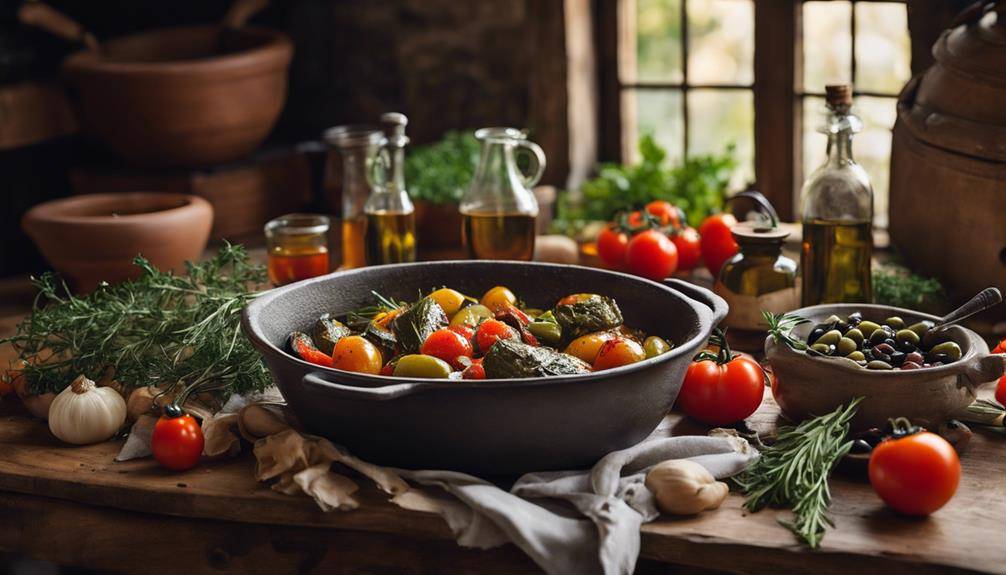
Braising Techniques For Mediterranean Diet: Braising's a key technique in the Mediterranean diet, combining wet and dry heat to create rich, flavorful meals. Start by searing your meat in a heavy pot, then add vegetables and a flavorful liquid like broth or wine. It's great for transforming tougher cuts into tender dishes over low and slow cooking. Don't forget to use fresh, seasonal ingredients to enhance flavors and nutrition. Experiment with herbs and spices to create unique taste combinations. This method not only preserves culinary traditions but also makes healthier, satisfying meals. You'll discover even more delicious ideas along the way!
Click Here and Turn Every Masterpiece into a Showstopper!
Understanding Braising Techniques
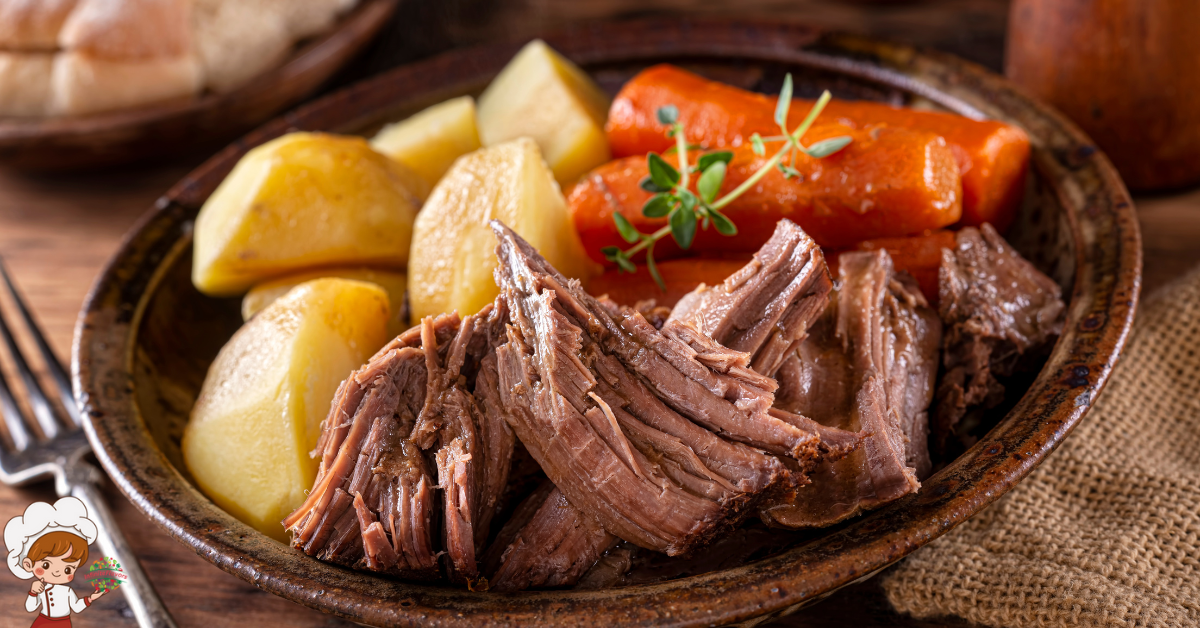
Braising is a cooking method that combines both wet and dry heat, making it ideal for tenderizing tougher cuts of meat while infusing them with rich flavors. This technique has a long braising history, dating back to ancient civilizations where it was used to make the most of less desirable cuts. In fact, many cultures adopted braising as a way to transform inexpensive ingredients into hearty, satisfying meals.
The cultural significance of braising can't be overstated. Across different regions, families gather around the table to enjoy dishes that have been lovingly prepared using this method. From French coq au vin to Italian osso buco, braising has shaped the culinary landscape of many societies. By slow-cooking meat in a flavorful liquid, you're not just creating a meal; you're also preserving traditions and sharing stories that span generations.
As you embrace braising, you'll find it's not just about cooking; it's about connection. The process encourages patience and attentiveness, allowing you to fully engage with the ingredients and the history behind them. You'll discover that each dish carries its own narrative, reflecting the flavors and techniques of the culture it comes from.
Choosing the Right Ingredients
When braising, you'll want to focus on fresh seasonal vegetables and quality proteins to elevate your dish. Choosing ingredients that are in season not only enhances flavor but also supports local farming. Remember, the better your ingredients, the more delicious your final meal will be.
Fresh Seasonal Vegetables
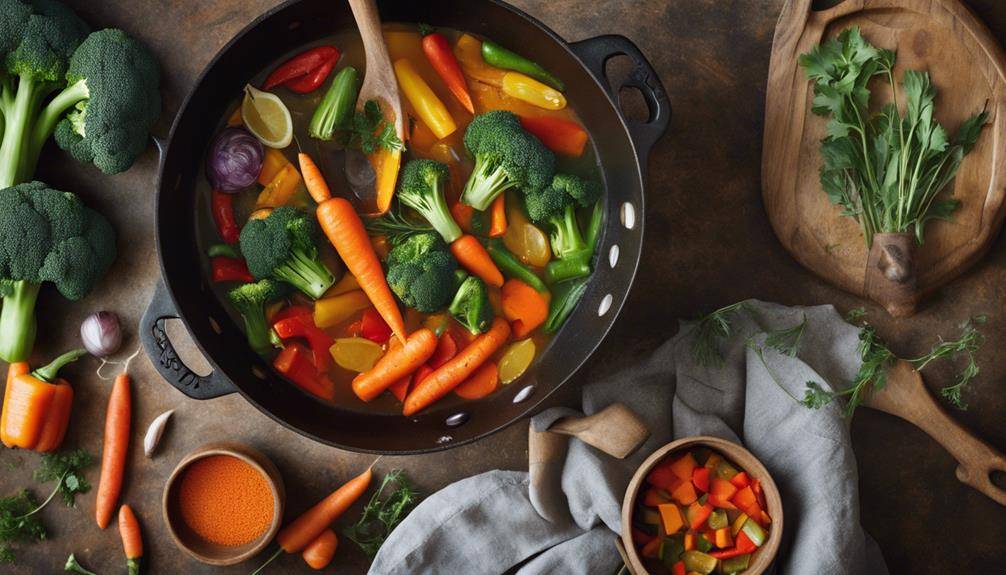
Choosing fresh seasonal vegetables is essential for elevating your braised dishes. When you focus on seasonal variety, you'll not only enhance flavors but also maximize nutrition. Start by visiting your local farmer's market or grocery store to see what's in season. For spring, think asparagus and peas; summer brings ripe tomatoes and zucchini; fall welcomes root vegetables like carrots and parsnips; and winter offers hearty greens such as kale and collards.
Pairing your vegetables thoughtfully is vital. For example, braising tomatoes with eggplant creates a rich, comforting dish, while adding bell peppers and onions brings a delightful sweetness. Consider the textures and flavors that complement each other—crunchy vegetables can balance out softer ones, creating a satisfying contrast.
Don't hesitate to experiment with different combinations. Mixing seasonal varieties not only creates visual appeal but also enhances the overall taste of your dish. Remember, the fresher the vegetables, the better your braised meals will be. So, embrace the seasonal bounty and get creative with your vegetable pairings to make your Mediterranean braising truly shine.
Quality Proteins Selection
Fresh seasonal vegetables set the stage for your braised dishes, but quality proteins take them to the next level. When selecting proteins, consider incorporating both lean meats and plant-based proteins to create a balanced and flavorful meal. Lean meats like chicken, turkey, or pork tenderloin are excellent choices for braising. They absorb flavors beautifully and remain juicy, enhancing your dish's overall taste.
If you're looking to explore plant-based options, legumes such as lentils, chickpeas, or black beans pack a protein punch while adding texture and richness. Tofu and tempeh are also fantastic alternatives that soak up the savory braising liquids, making them a great addition to your recipe.
When you choose proteins, think about the overall harmony of your dish. Pairing lean meats with hearty vegetables can create a satisfying contrast, while plant-based proteins can offer a lighter, fresh angle. Remember, quality matters—opt for organic or grass-fed options when possible. This not only boosts flavor but also guarantees you're feeding your body the best nutrients. By carefully selecting your proteins, you'll elevate your braised dishes and truly embrace the Mediterranean diet's wholesome philosophy.
Essential Equipment for Braising
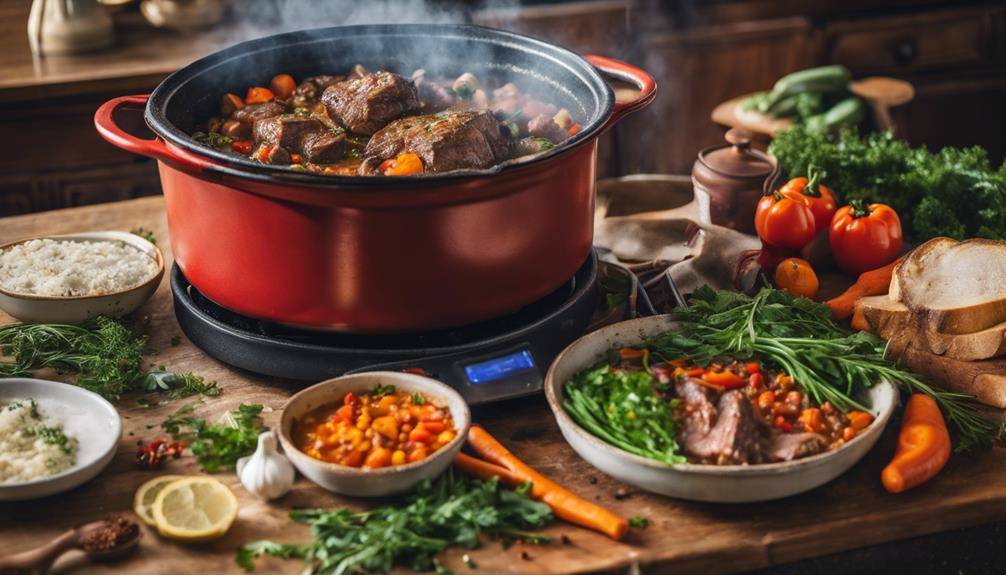
To braise effectively, you'll need a few key pieces of equipment that can make all the difference in your cooking process. First and foremost, a good-quality braising pot is vital. Look for a heavy, thick-bottomed pot, like a Dutch oven or a heavy cast-iron pot. These materials distribute heat evenly, guaranteeing your dish cooks thoroughly. A tight-fitting lid is also important, as it helps retain moisture during the cooking process.
Next, consider your heat sources. While a stovetop is great for browning your meats and vegetables, you might also want an oven for the slow cooking phase. If you have a versatile braising pot that's oven-safe, you can easily shift from stovetop to oven, allowing your dish to develop rich flavors.
Besides the pot, a set of sturdy utensils is vital. Tongs make it easy to turn meats, while a wooden spoon is perfect for scraping up those flavorful bits stuck to the bottom of the pot. You might also want a good-quality thermometer to make sure your proteins reach the perfect doneness.
Lastly, don't overlook the importance of a cutting board and sharp knives for prepping your ingredients. With these essential tools in your kitchen, you're well on your way to mastering the art of braising and enjoying delicious Mediterranean dishes.
Click Here and Turn Every Masterpiece into a Showstopper!
Step-by-Step Braising Process
Braising is a cooking method that transforms tough cuts of meat and hearty vegetables into tender, flavorful dishes. To master this technique, you'll want to follow a straightforward step-by-step process. Start by preheating your oven to the appropriate temperature, usually between 300°F and 350°F.
Next, season your meat with salt and pepper. In a heavy pot, heat some oil over medium-high heat. Sear the meat on all sides until it's nicely browned. This step not only enhances flavor but also pays homage to braising history, where browning was essential for developing depth in dishes.
Once the meat is browned, remove it from the pot and set it aside. Add aromatic ingredients like onions, garlic, and carrots, sautéing them until they're softened. This is your flavor base. After that, deglaze the pot with a splash of wine or broth, scraping up any browned bits stuck to the bottom.
Return the meat to the pot and add enough liquid to partially submerge it. Bring the mixture to a simmer, then cover the pot and transfer it to your preheated oven.
One common mistake is not allowing enough time for the braise; tough cuts need at least two to three hours to become tender. Check occasionally to ascertain the liquid hasn't evaporated too much. When it's done, you'll have a rich, succulent dish that showcases the beauty of braising. Enjoy your culinary creation!
Flavor Enhancements and Variations
When you're looking to elevate your braised dishes, consider incorporating a variety of herbs, spices, and ingredients that align with the Mediterranean diet. Fresh herbs like rosemary, thyme, and oregano can create vibrant flavor profiles. Try infusing your braising liquid with these herbs to enhance the overall taste. You can also experiment with herb infusions by adding a bouquet garni—simply tie your chosen herbs together and add them to the pot for a fragrant boost.
Spice combinations are another effective way to deepen flavors in your braised meals. Cumin, coriander, and smoked paprika can add warmth and complexity, while a hint of cayenne can give your dish a subtle kick. Don't shy away from experimenting; a pinch of cinnamon can transform a savory dish into a delightful experience.
Also, consider incorporating aromatic vegetables like garlic, onions, and bell peppers into your braising process. Sauté them at the start to build a solid foundation of flavor. Adding acidic elements, such as lemon juice or a splash of red wine vinegar, can brighten the dish and balance rich flavors.
Delicious Mediterranean Braising Recipes
Elevating your braised dishes with Mediterranean flavors opens the door to a variety of delicious recipes that showcase this cooking technique. With a rich braising history rooted in cultures spanning from Italy to Greece, you'll find numerous regional variations that enhance the flavors of your meals.
Start with a classic Italian Osso Buco, where you braise veal shanks in a mixture of white wine, broth, and fragrant herbs like rosemary and thyme. The result is a tender dish that melts in your mouth and pairs beautifully with risotto. Next, try a Moroccan Lamb Tagine, featuring a blend of spices such as cumin, coriander, and cinnamon. Braising the lamb with apricots and almonds adds a sweet and savory twist that'll transport your taste buds.
For a lighter option, consider a Mediterranean Chicken and Olives dish. Simply sauté chicken thighs with garlic, then braise them with olives, tomatoes, and a splash of white wine. This dish embodies the essence of the Mediterranean diet while delivering a burst of flavor.
Don't forget about vegetarian options, like a Ratatouille. Layer eggplant, zucchini, and bell peppers in a pot, add tomatoes, and let them braise until tender. This dish highlights regional variations from Provence and can be served as a side or main course.
Click Here and Turn Every Masterpiece into a Showstopper!
Frequently Asked Questions: Braising Techniques For Mediterranean Diet
Can Braising Be Done in an Electric Pressure Cooker?
Yes, you can braise in an electric pressure cooker! It locks in moisture and flavors, giving you tender results in less time. Just adjust your cooking method, and you'll enjoy delicious, juicy dishes quickly.
How Long Should I Let Braised Dishes Rest Before Serving?
After braising, let your dish rest for at least 15-30 minutes. This resting period enhances flavor development, allowing the juices to redistribute, resulting in a more delicious and tender final meal when you serve it.
Is It Necessary to Sear Meat Before Braising?
You don't have to sear meat before braising, but it offers significant searing benefits. It enhances flavor, adding depth to your dish. If you want richer taste, consider searing for that extra boost.
Can I Braise Vegetables Without Meat?
Absolutely, you can braise vegetables without meat! Just sauté them first to develop flavor, then add liquid for a delicious flavor infusion. This method enhances their natural taste and creates a satisfying dish on its own.
What Are Common Mistakes to Avoid When Braising?
When braising, avoid overcooking, using too much liquid, or neglecting flavor enhancement. Mastering braising fundamentals helps you achieve tender dishes while keeping flavors vibrant. Remember, balancing moisture and seasoning is key for delicious results.

Conclusion
Braising is a fantastic way to embrace the Mediterranean diet, bringing out rich flavors and tender textures in your meals. By using fresh, wholesome ingredients and the right techniques, you can create delicious, healthful dishes that nourish both body and soul. Experiment with different herbs, spices, and vegetables to personalize your recipes. So, grab your equipment, follow the steps, and enjoy the delightful experience of Mediterranean braising in your kitchen! Happy cooking!