How To Easily Prevent Over Boiling
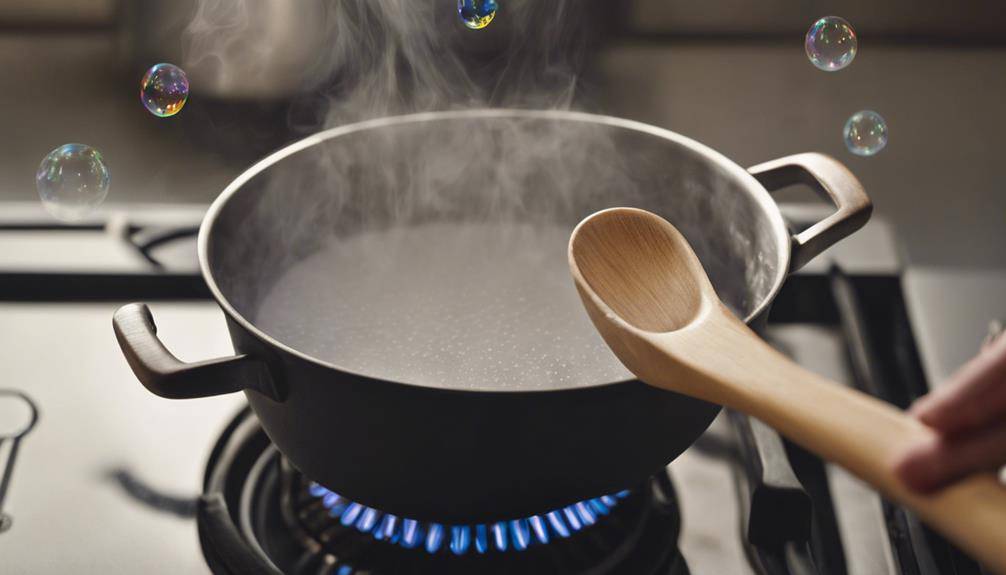
How To Easily Prevent Over Boiling; To prevent over boiling, keep a few key strategies in mind. Use a pot that’s the right size and material, filling it only two-thirds full to allow for bubbling. Regularly check water levels to avoid overheating, and stir gently to distribute heat evenly. Adjust your heat settings as needed, lowering the flame if the bubbles get too vigorous. Consider covering the pot, leaving a gap for steam to escape, and using a wooden spoon to break the surface tension. Implement these techniques, and you’ll find cooking becomes smoother—there’s even more to explore on how to enhance your cooking skills!
Understanding the Boiling Point
Understanding the boiling point is fundamental for preventing over boiling. When you heat a liquid, it eventually reaches a boiling temperature, where it changes from a liquid to a gas. This temperature isn’t fixed; it can alter based on the pressure surrounding the liquid. For instance, at sea level, water boils at 100 degrees Celsius (212 degrees Fahrenheit), but if you’re at a higher altitude, the boiling temperature decreases. This means you need to be mindful of your environment when cooking.
Pressure influence plays an important role in how your liquid behaves. When you increase the pressure, like when you use a pressure cooker, the boiling point elevates, allowing you to cook food more quickly. Conversely, lower pressure lowers the boiling temperature, which can lead to quicker over boiling.
To prevent over boiling, you should monitor the heat level and adjust as necessary. If you notice bubbles rising rapidly and the liquid threatening to overflow, reducing the heat can save you from a messy situation. You’ll also want to keep an eye on your pot’s contents to make certain they don’t foam excessively, as this can contribute to over boiling. Understanding these concepts will help you maintain control over your cooking and achieve the desired results without the hassle of a boil-over. By being aware of the boiling point and how pressure influences it, you can cook more effectively and enjoy your meals without the worry of cleanup afterward.
Choosing the Right Pot
When you’re cooking, the right pot can make all the difference in preventing over boiling. Think about the material, size, and shape of the pot you choose, as each factor plays a vital role in heat distribution and liquid capacity. Selecting a pot that fits your needs will help you maintain control over your cooking process.
Material Matters
Choosing the right pot can greatly impact your cooking experience and help prevent over boiling. When considering material types, think about heat conductivity. Copper and aluminum offer excellent conductivity, allowing for quick heating and even cooking. On the other hand, heavier materials like cast iron retain heat well, guaranteeing stable temperatures.
The surface texture of your pot also matters. Non-stick finishes are great for easy food release and cleaning, reducing the chances of sticking and overflow. However, be cautious with reactive metals like aluminum when cooking acidic foods, as they can affect both flavor and safety.
Pot durability is vital, too. Look for materials with good corrosion resistance to guarantee longevity. Additionally, consider material weight; heavier pots tend to provide better stability and prevent tipping over during boiling.
Size Selection
Selecting the right size pot is essential for preventing over boiling. When you choose a pot, consider the pot dimensions in relation to the ingredient quantity you’re cooking. If your pot is too small, the ingredients may not have enough space, causing the liquid to bubble up and spill over. On the other hand, a pot that’s too large can lead to uneven heating, which might also contribute to over boiling.
To find the perfect fit, measure the amount of ingredients you’ll be using and select a pot that can comfortably hold them while allowing some extra room. A general rule of thumb is to fill the pot no more than two-thirds full to give the liquid room to expand and boil without spilling over.
When cooking pasta, for example, a larger pot is often necessary to accommodate the water and pasta, while a smaller pot works well for sauces or single servings. By paying attention to pot dimensions and matching them with your ingredient quantity, you’ll considerably reduce the risk of messy over boiling and enjoy a more successful cooking experience.
Shape Considerations
The shape of your pot plays an essential role in preventing over boiling. A pot with a wider surface area allows steam to escape more easily, reducing the likelihood of bubbling over. Consider the pot shape: a shallower, wider pot promotes better evaporation than a tall, narrow one.
Lid design is another significant factor. A well-fitting lid keeps steam contained but can trap it if the pot depth is too shallow. Look for a lid that balances steam retention and allows some escape.
Weight distribution matters too; pots with a heavier base tend to heat more evenly, preventing hotspots that can cause over boiling. The handle angle should be comfortable, allowing you to easily tilt the pot for better pouring and reducing the chance of spills.
Lastly, pay attention to rim height and base thickness. A higher rim can help contain froth, while a thicker base offers stability and even heat distribution. By choosing the right pot shape, you’ll be well on your way to preventing those messy over boils.
Monitoring Water Levels
Keeping an eye on your water levels is essential to prevent over boiling. You can use measurement tools for accuracy and implement timely stirring techniques to maintain even heat distribution. Let’s explore how these strategies can help you achieve the perfect boil without the mess.
Importance of Water Levels
Regularly monitoring water levels is vital in preventing over boiling. When you keep an eye on the water level, you can effectively manage water evaporation and maintain proper temperature control. If the water level gets too low, it can lead to rapid evaporation, causing the pot to overheat and potentially boil over.
By checking the water levels frequently, you can guarantee that there’s enough liquid to maintain a steady boil without the risk of over boiling. This not only protects your cooking equipment but also guarantees that your food cooks evenly and thoroughly.
Moreover, when you’re aware of the water levels, you can make timely adjustments, adding more water as needed to keep the cooking process under control. It’s a simple yet vital step that helps you avoid messes and maintain safety in the kitchen.
Using Measurement Tools
How can you guarantee accurate monitoring of water levels while cooking? Using the right measurement tools is essential. Start with a reliable measuring cup or a pot with clear markings. This way, you can easily see how much water you’re adding and avoid overfilling.
To guarantee measurement accuracy, always check that your tools are calibrated correctly. If you’re using a digital scale or thermometer, verify its calibration periodically to maintain precision. A miscalibrated tool can lead to incorrect water levels, increasing the risk of over boiling.
When you pour water into a pot, take a moment to observe the level. If you’re unsure, it’s better to err on the side of caution and add less. You can always add more as needed, but removing excess water can be a hassle.
Using a transparent lid can also help you monitor water levels without lifting the lid. You’ll keep heat contained and maintain a more consistent boiling point. By employing these measurement tools effectively, you’ll greatly reduce the chances of over boiling your meals, guaranteeing a smoother cooking experience.
Timely Stirring Techniques
While stirring might seem like a simple task, it plays an essential role in monitoring water levels and preventing over boiling. To achieve the best results, pay attention to your stirring frequency. Regularly stirring helps distribute heat evenly, reducing the risk of boiling over. Choose the right utensil, like a wooden spoon or silicone spatula, to guarantee you’re gentle on your cookware.
Vary your stirring direction to promote ingredient interaction, which can enhance flavor development. Use timing intervals, such as every few minutes, to check for temperature and consistency. When you stir, don’t just go through the motions; assess the aroma and observe the texture. If you notice that the mixture is thickening or developing a rich scent, it’s time to adjust the heat or add more liquid.
Technique variations can also help you monitor water levels. For instance, a circular stirring motion can help prevent clumping, while a gentle folding technique can incorporate ingredients without splashing. By keeping an eye on these factors, you’ll maintain control over your cooking process and greatly reduce the chances of over boiling.
Adjusting Heat Settings
To prevent over boiling, adjusting the heat settings on your stove is vital. Proper heat adjustment allows you to maintain control over your cooking process, guaranteeing that your dishes cook evenly without spilling over. Start by using appropriate burner settings based on the size of your pot; larger pots benefit from higher heat sources, while smaller pots need lower settings for ideal simmering techniques.
Flame control plays an important role in temperature regulation. If you notice your liquid beginning to bubble too vigorously, turn down the flame to reduce heat distribution. This adjustment not only helps in avoiding over boiling but also enhances cooking efficiency, allowing your food to cook gently and evenly.
When simmering sauces or soups, aim for a low and steady heat. This method guarantees that flavors meld beautifully without the risk of boiling over. Practicing energy conservation is also a plus; a lower heat setting reduces energy consumption while still achieving delicious results.
Remember to always keep safety precautions in mind. Avoid placing pots too close to the edge of the stove, where they can easily tip over, especially when using higher heat settings. Always monitor your cooking to catch any potential over boiling before it happens. By mastering the art of adjusting heat settings, you can enjoy stress-free cooking and delicious, well-prepared meals every time.
Using a Wooden Spoon
A wooden spoon is your best ally in preventing over boiling. The unique properties of this spoon material make it particularly effective in the kitchen. Unlike metal or plastic, wooden spoons don’t conduct heat, which means they won’t get too hot to handle. This allows you to stir comfortably while keeping an eye on your pot.
One of the key wooden spoon benefits is its ability to break the surface tension of boiling liquids. By gently stirring your pot with a wooden spoon, you can disrupt bubbles that form, helping to reduce the chances of an overflow. This simple action is often all it takes to keep your pot from boiling over.
Additionally, wooden spoons are sturdy and durable, capable of withstanding high temperatures without warping or melting. They’re also gentle on your cookware, ensuring you won’t scratch non-stick surfaces or other delicate materials. Using a wooden spoon encourages you to engage with your food actively, allowing you to monitor consistency and texture.
When you notice that your pot is starting to bubble too aggressively, don’t hesitate to give it a good stir with your wooden spoon. This not only keeps things in check but also aids in even cooking. So, next time you’re in the kitchen, reach for that trusty wooden spoon. It’s an easy and effective way to prevent over boiling, keeping your cooking experience smooth and enjoyable.
Adding Oil or Fat
Adding oil or fat to your cooking can help reduce the chances of over boiling by creating a barrier that disrupts bubble formation. You’ll want to reflect on the types of cooking oils you use and how much to add for the best results. Let’s explore the benefits and ideal amounts to guarantee your dishes turn out perfectly.
Benefits of Adding Fat
In cooking, fat plays an essential role in preventing over boiling and enhancing flavor. By incorporating various fat types, you not only improve the taste of your dishes but also help manage the boiling point of liquids. When you add fat, it forms a barrier that slows down the heating process, reducing the risk of boiling over.
Flavor enhancement is another significant benefit of using fat. Whether you choose butter, olive oil, or coconut oil, each fat type brings its unique taste profile, making your food more appealing. Additionally, fat contributes to texture improvement, giving your meals a rich, creamy consistency that’s hard to resist.
Moreover, adding fat can boost cooking efficiency. When fats are used correctly, they can help distribute heat evenly, ensuring that your ingredients cook uniformly without burning. This not only saves time but also enhances the overall quality of your dishes.
Lastly, don’t forget the health benefits. Certain fats, like those found in avocados and nuts, provide essential nutrients that your body needs. So, next time you cook, remember that adding fat isn’t just about flavor; it’s a strategic move for better meals.
Types of Cooking Oils
Different types of cooking oils can greatly influence your dishes, both in flavor and functionality. When you’re deciding which oil to use, consider the unique characteristics each one brings to the table. For example, olive oil is perfect for dressings and sautéing, providing a rich flavor. Coconut oil adds a subtle sweetness, making it ideal for baking or tropical dishes.
If you need a neutral choice, vegetable oil or canola oil works well for frying and general cooking. Peanut oil is excellent for high-heat applications, especially in Asian cuisine, while sesame oil offers a nutty depth to your stir-fries.
Avocado oil boasts a high smoke point and is great for roasting or grilling, whereas grapeseed oil is light and perfect for emulsifying dressings. Sunflower oil also provides a mild flavor and is suitable for deep frying. Finally, palm oil, while rich in saturated fat, is commonly used in various cuisines but should be consumed in moderation due to its environmental impact.
Optimal Amount to Use
When it comes to cooking, knowing the ideal amount of oil or fat to use is key to achieving the best flavors and textures in your dishes. The right balance not only enhances taste but also helps with steam control and heat distribution. Start by considering the water quantity and ingredient ratios in your recipe. If your dish is denser, you may need more oil to guarantee even cooking and prevent sticking.
Take into account your pot dimensions as well; a wider pot requires a different oil amount compared to a smaller one. Adjust your cooking duration as well, since longer cooking times might lead to higher evaporation rates, necessitating a bit more fat to maintain moisture.
Don’t forget to experiment with different liquid types, as they can also affect how much oil you need. You’ll find that making recipe adjustments based on food density and desired texture leads to better results. Ultimately, mastering the ideal amount to use will help you prevent over boiling and achieve perfectly cooked meals every time.
Covering the Pot
Covering the pot while cooking can greatly reduce the chances of over boiling. When you place a pot lid on, you trap heat and moisture inside, which helps maintain a steady temperature. This means that the water or liquid reaches its boiling point more slowly, giving you better control over the cooking process. By managing the heat effectively, you’re less likely to experience that dreaded boil-over.
However, it’s important to allow for some steam release. If you cover the pot completely without any means for steam to escape, pressure builds up, which can lead to a more vigorous boil than you intend. You can slightly offset the pot lid, creating a small gap for steam to vent. This way, you still benefit from the heat retention while preventing excessive bubbling.
Another tip is to monitor the pot closely as it heats up. Once you see small bubbles forming, you can reduce the heat slightly and keep the lid on. This guarantees the cooking liquid stays at a gentle simmer, further reducing the risk of over boiling.
Using a Boil-Over Preventer
One effective way to tackle the issue of over boiling is by using a boil-over preventer. These handy devices can save you from the mess and hassle that comes with boiling liquids overflowing your pot. Typically made from materials like silicone or plastic, boil-over preventers sit atop your pot and help manage the foam that forms during boiling.
When you place a boil-over preventer on your pot, it works by breaking the bubbles that form, keeping them from spilling over the edges. This means you can focus on cooking without constantly watching the pot. Many people find that using a boil-over preventer is one of the most effective techniques for maintaining control over their cooking processes.
There are several types of boil-over preventers available on the market, including those shaped like a lid and others that are designed to float. You can choose one that fits your pot size and style best. Always verify it’s heat-resistant and easy to clean, so you won’t have any extra chores after cooking.
Incorporating a boil-over preventer into your kitchen routine can greatly reduce the chances of messy spills. You’ll find that cooking becomes less stressful, allowing you to enjoy your time in the kitchen more. So, next time you’re boiling water or cooking pasta, consider using a boil-over preventer to keep everything in check and verify a smooth cooking experience.
Timing Your Cooking
Timing your cooking is just as important as using tools like a boil-over preventer. If you want to avoid over boiling, you need to master timing methods that align with your cooking techniques. Start by understanding the cooking durations for different food types. For instance, pasta typically takes longer to cook than vegetables; knowing this helps you manage your pots efficiently.
Pay attention to your boiling habits. If you often let water boil too vigorously, try adjusting the heat management by lowering the flame once it reaches a boil. This simple recipe adjustment can prevent spills while ensuring your food cooks properly. Remember, the placement of your pot on the burner also plays a significant role; make sure it sits centered to promote even heat distribution.
When cooking multiple dishes, consider the ingredient ratios in each recipe. Cooking times may vary based on the combination of ingredients, so adjust your timings accordingly. Use kitchen tools like timers or smart devices to stay on track. You can even set reminders for when to check on your pots.
Lastly, be proactive about monitoring your food as it cooks. If you notice bubbles starting to rise too quickly, stir the pot or momentarily reduce the heat. By being mindful of these factors, you’ll improve your boiling habits, minimize mess, and enjoy perfectly cooked meals without the worry of over boiling.
Cleaning Up Spills Efficiently
Although spills can be frustrating, cleaning them up efficiently can save you time and effort in the kitchen. Start by having the right cleanup tools on hand, like paper towels, cloths, and quick absorbents specifically designed for liquid spills. These tools will help you tackle any mess before it spreads and causes more trouble.
To guarantee spill containment, always keep your cooking area organized. A clutter-free kitchen allows you to respond quickly when accidents happen. When a spill occurs, use a quick absorbent to soak up the liquid immediately, preventing it from seeping into your surfaces. If you’re dealing with a thicker substance, like sauce, a spatula can help scrape it off before you wipe the area clean.
Surface protection is another smart strategy. Consider using mats or liners on your countertops and stovetop to catch spills and make cleanup easier. After addressing the spill, think about efficient disposal. Seal any used cleaning materials in a bag to contain odors and mess, and dispose of them properly.
Frequently Asked Questions: How To Easily Prevent Over Boiling
Can I Use a Lid to Prevent Over Boiling?
Yes, you can use a lid to prevent over boiling. The lid benefits include trapping heat and steam, which can help regulate temperature. Experiment with different boiling techniques to find what works best for your cooking.
What Types of Pots Are Best for Boiling?
When boiling, stainless steel and copper pots heat evenly, while nonstick surfaces make for easy cleanup. Cast iron retains heat well, but be cautious as it can be heavy and slow to heat up.
How Can I Tell if Water Is About to Boil Over?
You can tell water’s about to boil over by watching for bubbles forming rapidly at the surface. When you notice the water temperature rising and bubbles increasing, it’s time to adjust your boiling techniques.
Is It Safe to Leave Boiling Food Unattended?
Leaving boiling food unattended isn’t safe. You risk overflows or even fires. Always stay close, monitor the cooking, and guarantee boiling safety. If you must step away, turn off the heat or set a timer.
What Ingredients Can Cause Excessive Bubbling During Boiling?
Certain ingredients can cause excessive bubbling during boiling. Starchy foods, like pasta or potatoes, release starch, while sugary liquids create foam. You’ll notice more bubbling when you combine these elements in your cooking.

Conclusion
Preventing over boiling is all about staying attentive and making smart choices. By understanding the boiling point, using the right pot, and adjusting heat settings, you can keep your cooking mess-free. Don’t forget to monitor water levels and consider simple tricks like using a wooden spoon or a boil-over preventer. With these tips, you’ll enjoy perfectly cooked meals without the hassle of spills. Just a little effort goes a long way in the kitchen!
If you enjoyed exploring this topic and want to dive even deeper, be sure to check out some of our other articles here on Infinite Flavors. From rich culinary histories to creative twists on classic recipes, there’s always something new to discover. Whether you’re curious about the origins of a dish, looking for fresh inspiration in the kitchen, or simply love learning about food culture, our collection of posts is the perfect next step on your flavor journey.
The Exciting Boiling Points Of Different Liquids
How To Gratinate Vegetables At Home
The Best Cheese For Gratinating Dishes