Great Ways Of Converting Recipes For Pressure Cooking
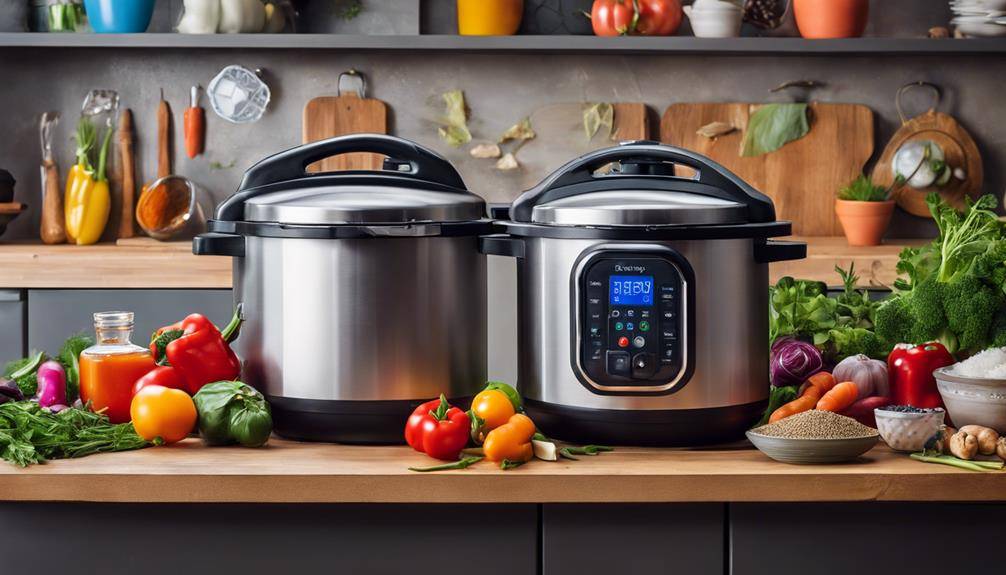
Converting recipes for pressure cooking can save you time while enhancing flavors. Start by adjusting cooking times; for slow-cooked dishes, reduce the time by about one-third. Remember to use adequate moisture since pressure cooking can require different liquid levels. If you’re working with delicate ingredients, add them later to avoid mushiness. Experiment with spices and flavors, but start with less salt to prevent overpowering your dish. Familiarize yourself with your pressure cooker, whether it’s electric or stovetop, to achieve the best results. There’s plenty more to explore to make your pressure cooking experience even better.
Understanding Pressure Cooking Basics
Understanding the basics of pressure cooking can transform your culinary experience. You’ll quickly discover that pressure cooking utilizes steam and high pressure to cook food faster than traditional methods. Familiarizing yourself with the different pressure types—high and low—will help you choose the right setting for your recipes. High pressure is great for most dishes, while low pressure is ideal for delicate ingredients, like fish or certain vegetables.
Before you engage in cooking, it’s essential to follow important safety precautions. Pressure cookers can be intimidating, but with a little knowledge, you can use them confidently. Always verify that the sealing ring is in good condition and properly positioned. This ring is what creates the airtight seal, so its integrity is crucial for safe operation. Also, familiarize yourself with the pressure release methods. You’ll encounter natural and quick release; knowing when to use each will not only keep you safe but also improve your dishes.
Make it a habit to check the pressure valve and steam vent regularly to avoid blockages. These components are fundamental for maintaining the right pressure and preventing accidents. When you’re ready to cook, start with simple recipes to build your confidence. Over time, you’ll learn how to adjust flavors and cooking times, leading to delicious meals. Mastering these basics will open up a whole new world of cooking possibilities, making your time in the kitchen both enjoyable and efficient.
Adjusting Cooking Times
Once you’re comfortable with the basics of pressure cooking, you’ll want to focus on adjusting cooking times for different recipes. The beauty of pressure cooking lies in its ability to drastically reduce cooking times while preserving flavors and nutrients. However, not all recipes will translate perfectly to this method, so you’ll need to tweak the cooking times based on various factors.
First, consider the original cooking method. If a recipe calls for braising or slow cooking, you’ll often cut the time by about one-third when using a pressure cooker. For example, if a dish normally takes 60 minutes on the stove, try starting with 20 minutes in the pressure cooker.
Next, pay attention to the food’s texture and size. Larger pieces of meat or dense vegetables might require longer cooking times, even at higher pressure levels. Conversely, delicate ingredients like fish or leafy greens will cook much faster, so you’ll want to reduce the time accordingly to avoid overcooking.
Always remember that you can release pressure in two ways: natural release and quick release. Natural release allows the food to continue cooking, which can be beneficial for tougher meats, while quick release is ideal for delicate items.
Modifying Ingredients
When converting recipes for pressure cooking, modifying ingredients is just as vital as adjusting cooking times. You’ll find that some ingredients you typically use in traditional cooking methods may not work as well under pressure. For instance, delicate vegetables like zucchini or spinach can turn mushy if you pressure cook them for too long. Instead, consider adding them later in the cooking process or substituting them with heartier options such as carrots or bell peppers.
It’s also important to think about ingredient substitutions. If a recipe calls for a protein that takes longer to cook, you might want to swap it out for something that cooks faster, like chicken breasts instead of thighs. Similarly, if you’re using grains, opt for quick-cooking varieties like couscous instead of brown rice, which requires a longer cooking time.
Don’t forget about liquids! Pressure cooking requires adequate moisture to build steam. If your original recipe is low in liquid, you’ll need to increase it. Aim for at least one cup of liquid to guarantee proper pressure is achieved.
Lastly, adjust spices and flavorings. Pressure cooking intensifies flavors, so you might want to reduce the amount of spices to avoid overpowering the dish. By carefully considering these modifications, you’ll enhance your pressure cooking experience and create delicious meals tailored to this unique cooking method.
Tips for Successful Conversions
Successfully converting recipes for pressure cooking involves a few key strategies that can make all the difference. First, familiarize yourself with the different pressure cooker types, as they can affect cooking times and techniques. Electric pressure cookers and stovetop models have distinct features, so understanding your specific appliance is essential.
Next, pay close attention to ingredient substitutions. Some ingredients may require adjustments when using a pressure cooker. For instance, items like pasta and rice absorb more liquid, so you’ll need to reduce the amount of liquid in the original recipe. Conversely, vegetables can cook more quickly, so consider cutting back on cooking time or adding them later in the process to prevent overcooking.
When it comes to seasoning, don’t hesitate to enhance flavors, but be cautious with salt. Salt can intensify in a pressure cooker, so it’s a good idea to use less initially and adjust to taste after cooking.
Also, remember that pressure cooking doesn’t allow for the same evaporation as traditional methods. If your recipe relies on reducing liquids, you’ll need to adapt it by either increasing cooking time or modifying the liquid used.
Sample Recipe Conversions
Converting a favorite recipe for pressure cooking can seem intimidating, but with a few adjustments, you can enjoy the same delicious results in less time. Let’s look at a classic beef stew as an example. Typically, this recipe takes hours to simmer on the stove, but in a pressure cooker, you can cut that down to about 35 minutes.
Start by browning your beef in the pressure cooker using the sauté function. This step not only adds depth to the flavor but also helps with sauce thickening later on. Once browned, add your vegetables, herbs, and spices. Instead of the usual amount of liquid, reduce it by about a third to guarantee you don’t end up with a watery stew. Pressure cooking retains moisture, so you won’t need as much.
Next, seal the lid and set your cooker to high pressure for 35 minutes. When it’s done, allow for a natural release of pressure for about 10 minutes before doing a quick release. This method enhances flavor by letting the ingredients meld together perfectly.
If you find your stew is thinner than you’d like after cooking, simply mix a tablespoon of cornstarch with cold water and stir it into the pot during the last few minutes of sautéing. This quick sauce thickening trick will elevate your dish’s texture and flavor even further.
With these sample conversions, you’ll be well on your way to transforming your favorite recipes into pressure cooker delights. Enjoy the process!
Frequently Asked Questions: Converting Recipes For Pressure Cooking
Can I Pressure Cook Frozen Ingredients Directly?
Yes, you can pressure cook frozen ingredients directly. Just remember that cooking times will be different; frozen vegetables typically require a bit more time than fresh ones. Adjust accordingly for best results and enjoy your meal!
Do I Need to Add More Liquid When Pressure Cooking?
When pressure cooking, you typically need to add more liquid to guarantee proper steam creation. Adjust your liquid ratios based on ingredients and cooking times, as insufficient liquid can lead to burning or uneven cooking.
How Does Altitude Affect Pressure Cooking Times?
Altitude affects pressure cooking times because higher elevations lower atmospheric pressure, requiring altitude adjustments. You’ll need to increase cooking times to guarantee your food cooks properly, so consider your local altitude when planning meals.
Can I Use My Slow Cooker Recipes for Pressure Cooking?
You can definitely use your slow cooker recipes for pressure cooking! Just make slow cooker adaptations and adjust cooking times, typically reducing them considerably, since pressure cooking cooks food much faster than slow cooking does.
What Types of Containers Are Safe for Pressure Cooking?
When pressure cooking, you’ll want containers made from safe materials like stainless steel, glass, or silicone. Avoid plastic. Opt for shapes that fit well inside your cooker, ensuring steam can circulate evenly for best results.

Conclusion
Now that you’ve learned the basics of pressure cooking and how to adjust recipes, you’re ready to tackle any dish with confidence. Remember to tweak cooking times and modify ingredients as needed for the best results. With these tips in hand, you’ll find pressure cooking not only saves time but also enhances flavors. So grab your pressure cooker, get creative, and enjoy delicious meals that are quick and easy to prepare! Happy cooking!
If you enjoyed exploring this topic and want to dive even deeper, be sure to check out some of our other articles here on Infinite Flavors. From rich culinary histories to creative twists on classic recipes, there’s always something new to discover. Whether you’re curious about the origins of a dish, looking for fresh inspiration in the kitchen, or simply love learning about food culture, our collection of posts is the perfect next step on your flavor journey.
The Best Pressure Cooking For Gluten-Free Diets
Great Ways Of Improving Flavor With Pressure Cooking
How To Pressure Cooking For Breakfast Recipes