The Best 10 Peruvian Street Food Dishes
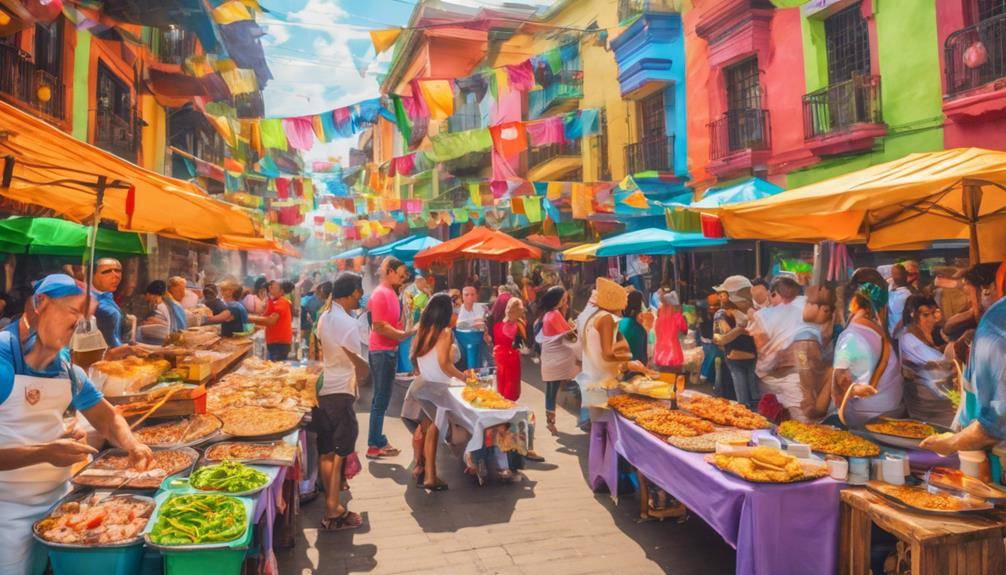
The Best 10 Peruvian Street Food Dishes; When you’re exploring Peruvian street food, don’t miss these top 10 dishes. Start with fresh ceviche, enjoyed for its zesty flavors. Then, try anticuchos—grilled beef heart skewers full of smoky goodness. Lomo saltado mixes stir-fried beef with fries for a unique twist. Salchipapas will satisfy your cravings with crispy fries and hot dogs. For something savory, sample pan con chicharrón, featuring tender pork belly. Papa rellena, choclo con queso, dulce de leche treats, and alfajores offer delightful options as well. As you savor these dishes, you’ll discover even more culinary gems waiting for you.
Ceviche
Ceviche, a vibrant staple of Peruvian street food, tantalizes your taste buds with its fresh ingredients and zesty flavors. This dish typically features raw fish marinated in a citrus concoction, most commonly lime juice, which effectively “cooks” the fish while infusing it with a bright taste. You’ll find ceviche variations that highlight the incredible diversity of this dish across different regions of Peru. Each variation brings a unique twist, showcasing local ingredients and culinary traditions.
When you think of traditional ceviche, imagine cubes of firm white fish like corvina, seasoned with salt and mixed with diced onions, cilantro, and a kick of chili peppers. But don’t stop there! You can also explore other ceviche ingredients, such as shrimp, octopus, or even mixed seafood, allowing your palate to experience a range of textures and flavors. Some variations even incorporate sweet potatoes, corn, or avocado, enhancing the dish’s complexity.
As you dive deeper into the world of ceviche, you’ll discover regional specialties. For instance, in the coastal areas, you’ll find a spicier version, while the Andes might offer a heartier twist. No matter which variation you choose, ceviche promises freshness and vibrancy in every bite. So, when you’re in Peru, make sure to indulge in this celebrated dish; it’s a culinary experience you won’t want to miss!
Anticuchos
When you think of Peruvian street food, anticuchos often come to mind. These skewered delights are traditionally prepared using specific methods and are often paired with tasty accompaniments. Plus, you’ll find regional variations that add unique twists to this beloved dish.
Traditional Preparation Methods
How do you make the perfect anticuchos? Start by selecting quality beef heart, a traditional choice for this dish. Cut it into bite-sized pieces, then marinate it using a mix of vinegar and spices. This step employs fermentation techniques, which not only tenderize the meat but also infuse it with rich flavors. A classic marinade might include garlic, cumin, and aji panca, giving your anticuchos a distinct Peruvian flair.
Once your meat’s marinated for a few hours, it’s time to skewer those flavorful chunks onto wooden sticks. Make sure to soak the skewers beforehand; this prevents them from burning during grilling. When you’re ready to cook, fire up your grill, ensuring it’s hot enough for that perfect char. Grilling methods vary, but direct heat is essential to achieve a smoky flavor and crispy edges. Cook the skewers for about 10-15 minutes, turning them occasionally until they’re nicely browned.
Popular Accompaniments Served
After you’ve grilled those delicious anticuchos, it’s time to enhance the experience with the right accompaniments. One of the most popular pairings is salsa criolla. This zesty onion and lime salsa adds a invigorating crunch that complements the rich flavors of the grilled meat perfectly. Just spoon some over your anticuchos, and you’ll instantly elevate your meal.
Another essential accompaniment is ají amarillo. This bright yellow chili pepper sauce packs a punch of flavor without overwhelming the palate. Drizzle some over your anticuchos for a delightful heat that really brings the dish to life. If you prefer a milder version, you can mix the ají amarillo with some creamy ingredients, creating a smooth dip that balances the spice.
Don’t forget to serve your anticuchos with a side of boiled potatoes or corn. These starchy staples not only add texture but also help tone down the spiciness, making your meal even more enjoyable. So, gather your accompaniments, and get ready to savor every bite of your grilled anticuchos!
Regional Variations Explored
Across Peru, anticuchos showcase a delightful array of regional variations that reflect local tastes and ingredients. In Lima, you’ll find the classic beef heart anticuchos, marinated in vinegar and spices, served with a side of spicy salsa. Head to Cusco, and you might encounter variations that include alpaca meat, a nod to the region’s unique cultural influences and agricultural practices.
In the coastal regions, seafood anticuchos take center stage, with grilled shrimp or fish skewers, often paired with tangy sauces made from local fruits. If you venture into the Amazon, you’ll discover anticuchos featuring exotic meats like wild game, infused with the region’s vibrant herbs and spices.
Each region brings its flair, showcasing how diverse ingredients and culinary traditions converge. Street vendors often adapt their recipes based on what’s fresh and available, ensuring that every bite reflects the local culture. As you explore these variations, you’ll appreciate how anticuchos not only satisfy your hunger but also tell a story of Peru’s rich heritage and the creativity of its people. So, wherever you go, don’t miss out on trying the local twist on this beloved street food!
Lomo Saltado
Lomo Saltado combines the flavors of Peru and China in a vibrant stir-fry that’s sure to tantalize your taste buds. This dish showcases marinated strips of beef, typically sirloin, sautéed with onions, tomatoes, and a touch of soy sauce. As you taste it, you’ll notice how the savory and slightly sweet elements blend with the crispness of the vegetables. It’s a perfect example of how diverse culinary influences shape Peruvian cuisine.
The lomo history traces back to the Chinese immigrant communities in Peru during the 19th century. They adapted their cooking styles to incorporate local ingredients, giving birth to this iconic dish. As you dig deeper into lomo variations, you’ll find that different regions and households have their unique twists. Some might add aji peppers for heat, while others include French fries or serve it with rice, creating a comforting and hearty meal.
To enjoy Lomo Saltado to the fullest, pair it with a chilled beverage, as the richness of the dish balances well with something invigorating. Whether you’re at a bustling street food stall or a cozy restaurant, Lomo Saltado remains a must-try. Its fusion of flavors and history not only fills your stomach but also connects you to the cultural tapestry of Peru. So, don’t miss out—this dish is a delightful representation of Peru’s vibrant culinary scene!
Salchipapas
Often found at street vendors and casual eateries, Salchipapas is a beloved Peruvian street food that brings together two crowd-pleasers: hot dogs and French fries. This dish is not only delicious but also quick and satisfying, making it a popular choice for locals and tourists alike. The foundation of salchipapas features crispy, golden fries topped with sliced, fried hot dogs. It’s a simple concept, but the flavors are undeniably enticing.
The history of salchipapas dates back to the mid-20th century, likely originating from the fusion of European and local culinary influences. As street food became more prevalent in Peru, salchipapas quickly gained popularity due to their affordability and ease of preparation. Vendors began experimenting with various salchipapas toppings, transforming this humble dish into a customizable delight. You can often find toppings such as ketchup, mayonnaise, mustard, and even aji sauce, adding layers of flavor to every bite.
When you indulge in salchipapas, you’re not just enjoying a meal; you’re experiencing a piece of Peruvian culture. It’s a dish that’s perfect for sharing and brings people together. Whether you’re grabbing a quick bite after a long day or enjoying a late-night snack, salchipapas hit the spot. So next time you find yourself in Peru, don’t miss the chance to try this delightful street food—each bite tells a story of tradition and flavor that’s hard to resist.
Pan Con Chicharrón
When you think of flavorful street food in Peru, Pan Con Chicharrón stands out as a must-try. This delicious sandwich, packed with tender pork belly, has become a popular choice among locals and visitors alike. You won’t want to miss the savory experience it offers!
Flavorful Pork Belly Sandwich
Have you ever tasted a sandwich that perfectly combines crunch and tenderness? The flavorful pork belly sandwich, or Pan Con Chicharrón, is an unforgettable experience that showcases Peru’s street food scene. This dish has roots in the rich sandwich history of the country, melding influences from indigenous and immigrant culinary traditions.
As you bite into the sandwich, you’ll experience the crispy, golden-brown pork belly, which has been expertly fried to achieve that satisfying crunch. The tender meat melts in your mouth, creating a delightful contrast that keeps you coming back for more. The sandwich is often served on a soft, fresh bread roll, which adds to its irresistible charm.
To elevate the flavor, vendors typically garnish the pork belly with a mix of pickled onions, spicy ají salsa, and a hint of lime. These vibrant accompaniments enhance the savory richness of the pork, creating a harmonious balance that’s hard to resist. Whether you’re enjoying it on a bustling street corner or at a local market, the Pan Con Chicharrón is a must-try for anyone seeking the true essence of Peruvian street food.
Popular Street Food Choice
The Pan Con Chicharrón stands out as a popular street food choice that captures the hearts and taste buds of locals and visitors alike. This delicious pork belly sandwich has deep roots in Peru’s street food history, reflecting the country’s rich culinary influences. You’ll often find it served in bustling markets and food stalls, where the aroma of crispy pork wafts through the air, drawing you in.
When you take a bite, the combination of succulent, juicy chicharrón, fresh bread, and toppings like salsa criolla creates an explosion of flavors. Each ingredient plays an essential role, showcasing Peru’s diverse culinary heritage, influenced by indigenous, Spanish, and African cuisines.
As you savor this dish, you’re not just enjoying a meal; you’re partaking in a tradition that’s been passed down through generations. Whether you choose to add a dollop of spicy sauce or keep it simple, the Pan Con Chicharrón never disappoints. It’s a perfect representation of Peru’s street food scene, where passion and flavor meet on every corner. So, don’t miss the chance to indulge in this iconic sandwich during your culinary adventure in Peru!
Acarajé
Acarajé, a beloved Brazilian street food with roots in African cuisine, is a must-try for anyone exploring the vibrant flavors of South America. This delectable dish showcases the rich cultural significance of Afro-Brazilian heritage, particularly in Bahia, where it’s often served by street vendors known as “Baianas.” When you bite into an Acarajé, you’re not just enjoying a snack; you’re experiencing a piece of history that reflects the traditions and flavors of African ancestors.
To prepare Acarajé, black-eyed peas are soaked, peeled, and ground into a smooth paste. This mixture is then seasoned with onions, salt, and spices before being shaped into balls and deep-fried in dendê oil, which gives it a distinctive flavor and golden color. The preparation techniques are essential, as the frying process creates a crispy exterior while keeping the inside soft and fluffy. Once fried, the Acarajé is typically split open and filled with a variety of savory toppings, like spicy shrimp, vatapá (a creamy seafood paste), and a tangy pepper sauce.
As you savor this dish, take a moment to appreciate the blend of flavors and textures that reflects the diverse influences in Brazilian cuisine. Acarajé isn’t just food; it’s a celebration of culture, community, and the resilience of traditions passed down through generations. Don’t miss the chance to indulge in this iconic street food on your culinary journey.
Tacos De Pescado
Exploring the vibrant street food scene of South America wouldn’t be complete without trying Tacos De Pescado. These delicious fish tacos showcase the rich flavors of the ocean, combining fresh ingredients and traditional preparation methods that pay homage to their Mexican fish taco origins. While they may have roots in Mexico, Peruvian street vendors have put their own unique twist on this beloved dish, making it a must-try for anyone visiting the region.
When you approach a taco stand, the enticing aroma of grilled fish fills the air, beckoning you to indulge. The taco preparation typically starts with marinated pieces of fresh fish, often seasoned with lime, garlic, and spices, before grilling them to perfection. Once cooked, the fish is delicately placed in warm corn tortillas, which add a delightful texture to each bite.
But the real magic happens when you pile on the toppings. You’ll find a colorful array of fresh ingredients like shredded cabbage, diced tomatoes, and zesty salsa, each element enhancing the overall flavor profile. A drizzle of creamy sauce or a squeeze of lime adds that final touch, making every bite a burst of freshness.
Papa Rellena
Papa Rellena is Peru’s savory answer to comfort food, and you won’t want to miss it during your street food adventures. This delightful dish consists of mashed potatoes stuffed with a flavorful filling, often made from seasoned ground beef, olives, hard-boiled eggs, and spices. Once you take a bite, you’ll be hooked by the creamy texture and the explosion of flavors.
The cooking techniques used to prepare papa rellena are both simple and effective. First, the potatoes are boiled and mashed until smooth. Then, the filling is sautéed to develop the rich flavors, creating a perfect balance of savory and slightly tangy. Finally, the stuffed potatoes are shaped, breaded, and deep-fried to achieve that crispy exterior that contrasts beautifully with the soft interior. This method guarantees that every bite is a delicious experience.
Beyond its mouthwatering taste, papa rellena holds cultural significance in Peru. It reflects the country’s blend of indigenous and Spanish influences, showcasing how diverse culinary traditions can come together in harmony. You’ll often find this dish sold by street vendors, making it a popular choice for locals and tourists alike. As you enjoy your papa rellena, you’re not just savoring a delicious meal—you’re also experiencing a piece of Peruvian heritage.
Choclo Con Queso
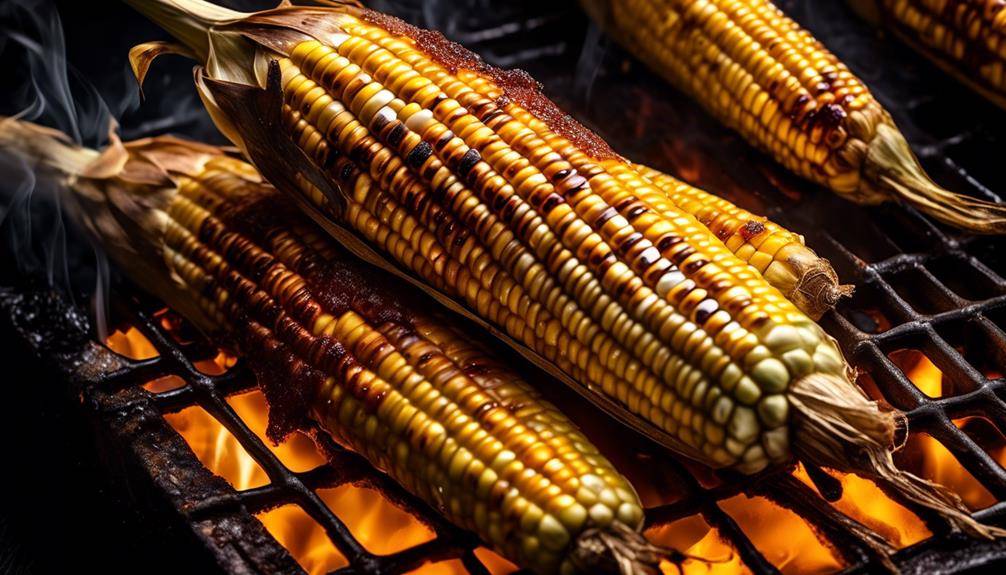
After enjoying a delicious papa rellena, you’ll want to try another beloved Peruvian street food: choclo con queso. This dish features large, tender kernels of Peruvian corn, known as choclo, paired with a generous slice of fresh cheese. It’s a simple yet satisfying snack that captures the essence of Peruvian flavors.
Choclo con queso holds significant cultural importance in Peru. You’ll find it sold by street vendors at fairs, markets, and roadside stalls, making it a staple for both locals and tourists alike. The combination of sweet corn and creamy cheese creates a delightful contrast, and enjoying it outside while soaking in the lively atmosphere is an experience in itself.
As you explore different vendors, you might notice ingredient variations that enhance the traditional recipe. Some vendors might offer different types of cheese, like queso fresco or a more aged variety, which can add a unique tang. Others might provide additional toppings, such as a sprinkle of chili powder or herbs, giving you the chance to customize your snack to your taste.
This dish not only satisfies your hunger but also connects you to the rich culinary heritage of Peru. So, as you wander through the streets, don’t miss the opportunity to savor choclo con queso. It’s more than just food; it’s a taste of Peruvian culture that you’ll cherish long after your trip.
Dulce De Leche Treats
When you indulge in dulce de leche treats, you’re diving into a sweet world that showcases one of Peru’s most beloved confections. This rich, creamy caramel-like sauce is made by slowly heating sweetened milk until it thickens and turns a beautiful golden brown. It’s a staple in many Peruvian desserts, and you’ll find countless dulce recipes that incorporate this delightful ingredient.
One of the most popular ways to enjoy dulce de leche is through alfajores, which are delicate cookies sandwiched together with a generous layer of the sweet filling. These treats are often rolled in coconut or dusted with powdered sugar, making them a must-try when exploring Peruvian street food. You’ll also encounter milk cake, or “torta de leche,” which features layers of sponge cake soaked in dulce de leche, creating a moist and decadent dessert.
Caramel variations are everywhere in Peru, and they’re not just limited to sweet treats. You might find dulce de leche drizzled over fruit, served with ice cream, or even used as a filling for pastries. Each bite is a harmonious blend of sweetness and creaminess that leaves you craving more.
As you wander through the streets of Peru, keep an eye out for these dulce de leche delights. Whether in the form of cookies, cakes, or sauces, they provide a delicious taste of Peru’s culinary heritage. So go ahead, treat yourself and savor the sweetness!
Frequently Asked Questions: The Best 10 Peruvian Street Food Dishes
What Are the Best Regions in Peru for Street Food?
When exploring Peru’s street food, you’ll find Lima hotspots buzzing with vibrant flavors. Each region offers unique regional specialties, so don’t miss trying local favorites in Cusco, Arequipa, and Trujillo for a true culinary adventure.
How Can I Safely Enjoy Street Food in Peru?
To safely enjoy street food in Peru, prioritize food safety. Look for busy stalls, ask locals for tips, and choose freshly prepared items. Always drink bottled water to avoid any health issues during your adventure.
Are There Vegetarian Options in Peruvian Street Food?
Yes, you’ll find great vegetarian options in Peruvian street food! Look for delicious vegetarian empanadas filled with cheese or vegetables, and try various quinoa dishes that showcase the region’s rich flavors and healthy ingredients.
What Beverages Pair Well With Peruvian Street Food?
When enjoying Peruvian street food, you can’t go wrong with Pisco cocktails for a revitalizing kick. Chicha Morada, a sweet purple corn drink, complements spicy flavors perfectly. Both elevate your culinary experience uniquely and deliciously.
How Do I Find Authentic Street Food Vendors in Peru?
To find authentic street food vendors in Peru, ask locals for recommendations and consider joining street food tours. These experiences often uncover hidden gems and provide insights into the best dishes the area has to offer.
Conclusion
Now that you know about these amazing Peruvian street food dishes, it’s time to plunge in and experience them for yourself! Whether you’re savoring the freshness of ceviche or indulging in the heartiness of lomo saltado, each dish offers a unique taste of Peru’s vibrant culinary culture. So grab your friends, hit the streets, and enjoy the delicious flavors that await you. You won’t regret exploring these mouthwatering treats!