What Are Traditional Filipino Pork Dishes
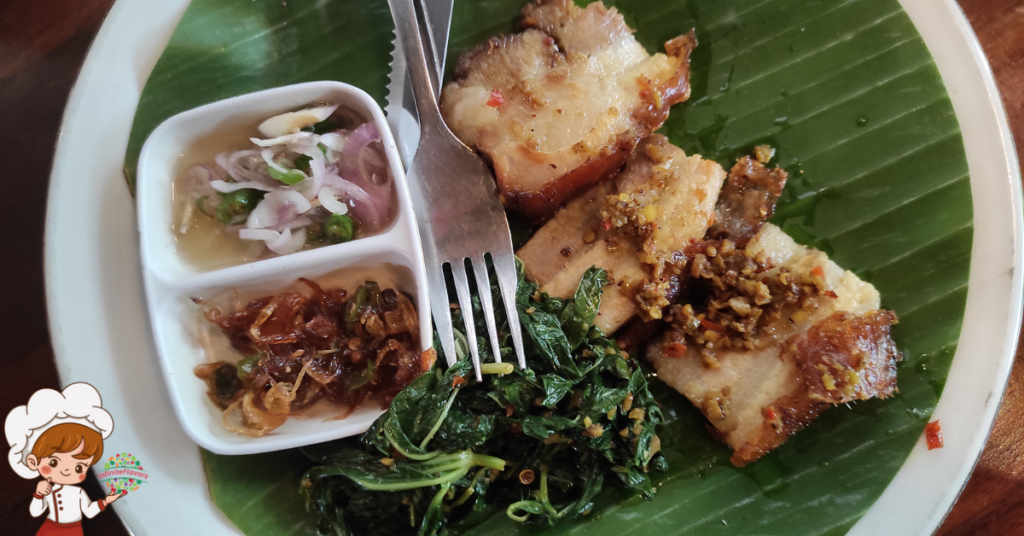
What Are Traditional Filipino Pork Dishes: When you think of traditional Filipino pork dishes, lechon and pork adobo probably come to mind. Lechon, a whole roasted pig, is a staple for celebrations, while pork adobo offers a savory blend of soy sauce and vinegar that warms the heart. You can’t miss sinigang na baboy, a tangy soup with tender pork and vegetables, or spicy Bicol Express enriched with coconut milk. Don’t forget about Kare-Kare, rich in peanut sauce, or crispy chicharrón. Each dish reflects the vibrant culture and culinary diversity of the Philippines. Stick around to discover even more delicious delights!
Click Here and Turn Every Masterpiece into a Showstopper!
Lechon
When you think of Filipino celebrations, lechon often comes to mind as the star of the feast. This iconic dish, a whole roasted pig, holds a special place in Filipino culture and cuisine. The lechon preparation process is an art in itself, requiring both skill and patience. It usually starts with selecting a young pig, ideally around 20-30 kilograms. After cleaning and seasoning the pig, it's often stuffed with herbs and spices, adding to its rich flavor. The real magic happens during the roasting, where the pig is skewered on a spit and cooked over an open flame for several hours. The result? Crispy skin and tender, juicy meat that's irresistible.
The lechon history dates back to the Spanish colonial era, when it became a symbol of feasting and celebration among Filipinos. Originally introduced by the Spaniards, it quickly became a staple at important gatherings, from birthdays to weddings and fiestas. Over time, each region in the Philippines developed its own unique variations and recipes, showcasing local flavors and ingredients.
You'll find that lechon is more than just food; it's a cultural centerpiece that brings people together. Whether enjoyed with a side of liver sauce or served as the main attraction on a banquet table, it embodies the spirit of Filipino hospitality and tradition. So, next time you find yourself at a Filipino celebration, remember, lechon is not just a dish; it's a delicious piece of history.
Pork Adobo
After indulging in the rich flavors of lechon, you might want to explore another beloved Filipino dish: pork adobo. This dish stands out for its unique combination of savory, tangy, and slightly sweet flavor profiles, making it a staple in Filipino households. The beauty of pork adobo lies in its versatility; it allows you to use different cuts of pork, such as belly, shoulder, or even ribs.
The cooking techniques used in preparing pork adobo are simple yet effective. You start by marinating the pork in a mixture of soy sauce, vinegar, garlic, bay leaves, and pepper. This marinade not only infuses the meat with robust flavors but also helps tenderize it. After marinating, you can either sauté the pork before simmering it in the marinade or simply add everything to the pot. The simmering process allows the flavors to meld beautifully, creating a rich sauce that clings to the meat.
As you cook, you'll notice the vinegar's tanginess mellowing out, while the soy sauce adds depth. Some variations even include coconut milk for a creamier texture. Serve your pork adobo with steamed rice, and you'll experience a comforting dish that showcases the essence of Filipino cuisine. It's a dish that's perfect for gatherings or a cozy family dinner, ensuring everyone leaves the table satisfied. Don't miss out on this iconic Filipino favorite!
Sinigang Na Baboy
If you're craving a dish that perfectly balances sour and savory flavors, search no more than sinigang na baboy. This beloved Filipino soup features tender pork, typically belly or ribs, simmered in a flavorful broth. The magic really happens with the sinigang ingredients, which often include tamarind for that characteristic tang, along with tomatoes, radish, eggplant, and leafy greens like kangkong. This combination creates a comforting dish that warms both body and soul.
Sinigang's rich sinigang history reflects a fusion of cultures, with influences from both indigenous practices and Spanish colonization. Over time, various regions in the Philippines have put their unique spin on the recipe, using local souring agents like calamansi, green mango, or even bilimbi. Each variation showcases the creativity and adaptability of Filipino cuisine.
When you prepare sinigang na baboy, you'll find the process straightforward. Start by sautéing onions and tomatoes, then add the pork and water, allowing it to simmer until tender. Introduce your chosen souring agent, followed by the remaining vegetables. The key is to adjust the sourness according to your preference, ensuring a perfect balance that'll excite your taste buds.
Sinigang na baboy isn't just a meal; it's a symbol of home and family gatherings. Enjoying a bowl with rice brings comfort and connection, making it a must-try for anyone wanting to explore traditional Filipino flavors.
Bicol Express
Bicol Express is another iconic dish that showcases the rich flavors of Filipino cuisine, particularly from the Bicol region. It's known for its bold and spicy flavor profile, mainly due to the generous use of chili peppers and coconut milk. When you take a bite, you'll instantly experience that creamy, spicy coconut goodness that's become a hallmark of this dish.
Originating in Bicol, Bicol Express draws on regional influences that highlight the area's love for heat and richness in flavor. The dish typically features tender pork, usually belly or shoulder, simmered until it's melt-in-your-mouth tender. The pork absorbs the flavors from the coconut milk and spices, creating a harmonious blend that keeps you coming back for more.
What sets Bicol Express apart is its unique combination of ingredients. The use of shrimp paste, or bagoong, adds a savory depth that complements the sweetness of the coconut milk. For those who crave a bit of heat, the dish can be adjusted by increasing the number of chili peppers, making it as spicy as you like.
When you serve Bicol Express, it's commonly paired with steamed rice, balancing the rich flavors and making it a complete meal. Whether you're entertaining guests or enjoying a family meal, this dish is sure to impress with its vibrant colors and unforgettable taste. So, don't hesitate to whip up this Bicolano classic; your taste buds will thank you!
Kare-Kare
Kare-Kare captivates with its rich, savory flavors and unique presentation, making it a standout dish in Filipino cuisine. Often enjoyed during special occasions, this hearty stew features tender ox tripe simmered to perfection. The real star, however, is the luscious peanut sauce that envelops the meat, creating a delightful combination that's hard to resist.
When you dig into a bowl of Kare-Kare, you'll find a medley of vegetables like eggplant, banana heart, and string beans, all adding vibrant colors and textures to the dish. The way the vegetables blend with the creamy peanut sauce enhances the overall experience, making each bite a celebration of flavor.
Traditionally, you'll want to serve Kare-Kare with a side of bagoong or fermented shrimp paste. This salty contrast balances the dish's rich creaminess, elevating your dining experience. Many families have their own unique recipes, some opting for variations that include other meats such as oxtail or pork knuckles, but the classic version with ox tripe remains a favorite.
As you savor this dish, you're not just enjoying a meal; you're partaking in a cherished tradition that reflects Filipino culture and hospitality. Whether it's a festive gathering or a comforting weeknight dinner, Kare-Kare brings people together, inviting everyone to share in its deliciousness and warmth. So, grab a spoon and get ready to indulge in this culinary treasure!
Longganisa
Longganisa is a beloved Filipino sausage that showcases the country's rich culinary diversity. You'll find that longganisa comes in various flavors and styles, each reflecting regional ingredients and traditions. For instance, if you try the Vigan longganisa, you'll taste a garlicky, slightly sweet sausage with a hint of vinegar, while the Lucban longganisa has a distinct herby flavor with a hint of citrus.
The longganisa history dates back to the Spanish colonial period when Filipino cuisine began to blend with Spanish influences. Over time, locals adapted the recipe, using native spices and techniques, creating the longganisa varieties we enjoy today. It's fascinating how this sausage has evolved, with each region claiming its own unique twist.
When you cook longganisa, you'll often pan-fry or grill it, allowing the fat to render and the flavors to intensify. Pair it with garlic rice and a sunny-side-up egg, and you've got a hearty breakfast that'll keep you energized throughout the day.
Longganisa isn't just a dish; it's a cultural symbol that connects you to Filipino heritage and family gatherings. Whether you're enjoying it at a fiesta or simply having it at home, longganisa brings people together over delicious food. So, next time you're craving something flavorful, consider trying out different longganisa varieties to explore the richness of Filipino cuisine.
Click Here and Turn Every Masterpiece into a Showstopper!
Dinuguan
Dinuguan, often referred to as "chocolate meat," is a savory Filipino stew that captivates the taste buds with its rich and bold flavors. Made primarily from pork blood and tender cuts of pork, this dish is a staple in Filipino cuisine, showcasing the cultural heritage that many Filipinos cherish. As you immerse yourself in a bowl of dinuguan, you'll notice its unique, dark color and the spicy flavor that sets it apart from other stews.
The cooking techniques involved in preparing dinuguan are quite fascinating. It usually starts with sautéing garlic, onions, and sometimes ginger, followed by adding the pork and its blood. The dish simmers until it thickens, allowing the flavors to meld beautifully. You might also encounter regional differences in recipes, with some areas adding ingredients like vinegar, chili peppers, or even coconut milk for a twist.
Dinuguan is often served during festive occasions, making it a beloved dish among families and friends. It pairs perfectly with steamed rice or puto, a type of rice cake. The combination of traditional ingredients and unique spices creates a comforting meal that resonates with many, reminding them of home and celebrations. So, the next time you're in the mood for something different, consider indulging in dinuguan—it's more than just a dish; it's a taste of Filipino culture that brings people together.
Inihaw Na Baboy
When it comes to grilling, Inihaw Na Baboy stands out as a favorite among Filipinos. This dish showcases the country's love for barbecued pork, and it's not hard to see why. The key to a great Inihaw Na Baboy lies in the preparation and the grilling techniques you use. Typically, pork belly or shoulder is marinated in a mixture of soy sauce, vinegar, garlic, and spices, enhancing its natural flavors.
Once marinated, the pork is skewered and grilled over hot coals, allowing the smoky aroma to mingle with the marinade's tangy notes. You'll want to master the art of grilling to achieve that perfect sear while keeping the meat juicy and tender. Adjusting the heat is essential; too high, and you risk charring the outside while leaving the inside undercooked.
As you grill, the flavor profiles of Inihaw Na Baboy evolve. The caramelized bits add a delightful sweetness, while the marinade contributes a savory umami. Many people enjoy serving it with a side of vinegar dipping sauce, which adds an extra layer of zest to the dish.
Inihaw Na Baboy isn't just a meal; it's a celebration of Filipino culture, often enjoyed during gatherings and festivities. So, fire up the grill, perfect your technique, and get ready to savor one of the Philippines' most beloved pork dishes!
Pork Binagoongan
Pork Binagoongan is often a standout dish at Filipino feasts, thanks to its rich and savory flavor profile. This dish features tender pork, typically belly or shoulder, that's cooked until it's juicy and full of flavor. The magic happens when you combine the pork with shrimp paste, or bagoong, which adds a unique umami element that's hard to resist. You'll love how the salty, fermented notes of the shrimp paste harmonize with the natural pork flavors.
To prepare Pork Binagoongan, you'll want to start with the right cooking techniques. Begin by sautéing garlic, onions, and tomatoes until they're fragrant and softened. Then, add the pork and allow it to brown, sealing in those delicious juices. After that, stir in the shrimp paste and let the mixture simmer, allowing the pork to absorb all those amazing flavors. You might want to add a bit of water for moisture, but be careful not to dilute the rich taste.
As the dish cooks, the aroma will fill your kitchen, making it nearly impossible to resist. Serve it with steamed rice to balance the robust flavors, and you'll have a meal that brings everyone together. Pork Binagoongan showcases the best of Filipino cooking, where simple ingredients come together through thoughtful techniques to create something truly special. So, next time you're planning a feast, don't forget to include this beloved dish on your menu!
Lumpiang Shanghai
Delight your guests with Lumpiang Shanghai, a popular Filipino spring roll that's sure to be a hit at any gathering. This delicious dish has a rich Lumpiang history, tracing back to Chinese influences on Filipino cuisine. You'll find it served at parties, celebrations, and even as a snack, making it a staple in many homes.
To make Lumpiang Shanghai, you'll need a few key Lumpiang ingredients. Ground pork is the star of the filling, often combined with minced onions, garlic, carrots, and sometimes, finely chopped green beans. Seasoning is essential, so don't forget to add soy sauce, salt, and pepper to enhance the flavors. You can also include a hint of sesame oil for added depth.
Once your filling is ready, it's time to wrap it up in spring roll wrappers. Lay a wrapper flat, place a spoonful of the filling near one corner, and roll it tightly while folding in the sides. Seal the edges with a bit of water to keep everything secure. After wrapping, heat oil in a pan for frying. Fry until the rolls are golden brown and crispy, and you've got a dish that's visually appealing and packed with flavor.
Serve your Lumpiang Shanghai with a side of sweet and sour sauce or vinegar for dipping. Your guests won't be able to resist, and they'll appreciate the effort you put into creating this delightful Filipino treat. Enjoy the compliments!
Chicharrón
When you think of chicharrón, you probably picture that crispy, savory delight that's a favorite in Filipino cuisine. Let's explore the different cooking methods that bring out its unique texture and flavor, as well as some popular variations you might want to try. Whether you enjoy it as a snack or a main dish, there's so much more to discover about this beloved pork treat.
Cooking Methods Explained
Chicharrón, a beloved traditional dish, showcases the art of frying pork skin until it's perfectly crispy. To achieve this delightful texture, you typically start by selecting good quality pork belly or skin. First, you can opt for slow cooking, which helps render the fat and make the skin more tender before frying. This method allows the flavors to meld beautifully, guaranteeing a rich taste.
Once the slow cooking is done, it's time for the star of the show: frying. You'll need a deep pot filled with oil heated to the right temperature. Carefully add the pork skin, making sure it's fully submerged. Fry it until it puffs up and turns a golden brown color. This step is vital for that satisfying crunch.
While frying is the most common method, you can also explore grilling techniques. Grilling adds a smoky flavor to the chicharrón, enhancing its overall taste. After grilling, you might want to fry it briefly to achieve that crispy finish. Whichever method you choose, mastering the cooking process will guarantee your chicharrón is always a crowd-pleaser at any gathering.
Popular Variations Available
Among the many delicious variations of chicharrón, you'll find regional twists that highlight local ingredients and cooking styles. In the Visayas region, for instance, chicharrón is often marinated in a blend of vinegar, soy sauce, and garlic, infusing the pork with a tangy flavor that complements its crispy texture.
In Mindanao, you might encounter a spicier version, enhanced with local cooking spices like turmeric and chili. This variation not only packs a punch but also showcases the rich culinary traditions of the area.
In Luzon, particularly in Pampanga, cooks often incorporate unique pork marinades that include calamansi and black pepper, creating a delightful balance of sour and savory.
No matter where you are, chicharrón remains a beloved snack, often served with a side of vinegar dipping sauce. Each region's approach adds a personal touch to this classic dish, making it a versatile treat that you can enjoy in countless ways. So whether you prefer it simple or spicy, there's a chicharrón variation out there that's just right for you.
Pochero
When you think of Pochero, you might picture a hearty dish filled with tender pork and vibrant vegetables. This flavorful stew varies by region, each version reflecting local ingredients and traditions. Plus, it's often a centerpiece in celebrations, showcasing its cultural significance in Filipino gatherings.
Ingredients and Preparation Methods
Pochero is a hearty Filipino stew that brings together a delightful mix of flavors and textures. To create this dish, you'll need pork, typically belly or shank, along with vegetables like potatoes, carrots, and cabbage. Start by marinating the pork in a mixture of soy sauce, garlic, and peppercorns. This marinade technique helps to infuse the meat with rich flavor profiles, ensuring each bite is savory and satisfying.
Once marinated, brown the pork in a large pot to develop a deeper flavor. Add onions and tomatoes, allowing them to soften and release their juices. Then, pour in water or broth, and bring the mixture to a boil. Afterward, reduce the heat and let it simmer until the pork is tender.
As the stew cooks, add the vegetables in stages, starting with those that take longer to cook, like potatoes and carrots. Finish with leafy greens, such as cabbage, just before serving. The result is a warm and comforting dish perfect for family gatherings, showcasing the essence of Filipino home cooking. Enjoy your Pochero with rice for a complete meal!
Regional Variations of Pochero
Different regions of the Philippines put their own spin on Pochero, showcasing local ingredients and culinary traditions. In the Visayas, you might find a sweeter version that incorporates bananas and sometimes even a touch of sugar, reflecting the region's love for sweet flavors. Meanwhile, in Luzon, particularly in Batangas, it's common to use a mix of beef and pork, along with an assortment of regional ingredients like eggplant and green beans, making the dish heartier and more diverse.
In Mindanao, Pochero often includes coconut milk, which adds a rich creaminess and distinct flavor to the stew, showcasing the region's penchant for using coconut in various dishes. The cooking techniques can also vary; while some regions prefer slow-cooking to enhance the flavors, others might opt for quick pressure cooking to save time while still retaining the dish's essence.
No matter where you are, the regional variations of Pochero reflect the unique culinary landscapes of the Philippines, making each bowl a delicious representation of local culture and tastes. So, whether you're in the city or the countryside, you'll always find a delightful take on this beloved dish.
Cultural Significance in Celebrations
Festivities in the Philippines often come alive with the aroma of Pochero, as this hearty dish plays a central role in various celebrations. Whether it's a birthday, holiday, or family gathering, you'll find Pochero simmering away, filling the air with its rich scent. This flavorful stew, made with tender pork and vegetables, symbolizes warmth and togetherness.
When you sit down with loved ones to enjoy Pochero, you're not just sharing a meal; you're participating in festive traditions that strengthen family bonds. Traditionally, it's served during significant occasions, often becoming the centerpiece of the dining table. As you dig into a bowl of Pochero, you're tasting generations of culinary heritage, connecting you to your roots and culture.
Moreover, preparing Pochero can be a communal activity, bringing family members together in the kitchen. Everyone pitches in, whether it's chopping vegetables or stirring the pot, reinforcing the spirit of cooperation and love. In the Philippines, Pochero isn't just food; it's a cherished part of celebrations that fosters unity and joy among families, making every gathering memorable.
Click Here and Turn Every Masterpiece into a Showstopper!
Frequently Asked Questions: What Are Traditional Filipino Pork Dishes
What Are the Best Side Dishes to Pair With Filipino Pork Dishes?
When pairing side dishes with Filipino pork, consider vibrant sauce pairings like vinegar or soy sauce. You can't go wrong with rice varieties such as garlic fried rice or jasmine rice to complete your meal.
How Do You Properly Marinate Pork for Filipino Recipes?
To properly marinate pork, mix your marinade ingredients like soy sauce, vinegar, garlic, and pepper. Let it soak for at least two hours, but overnight's even better for richer flavor and tenderness. Enjoy your cooking!
Are There Any Vegetarian Alternatives for Traditional Pork Dishes?
You can use vegan substitutes like jackfruit, tofu, or tempeh as plant-based options to replace pork in traditional recipes. These alternatives mimic textures and flavors, making your dishes both delicious and suitable for vegetarians.
What Cooking Techniques Are Commonly Used in Filipino Pork Dishes?
When exploring cooking techniques, you'll find simmering techniques and grilling methods commonly used. Simmering enriches flavors, while grilling adds that smoky touch, making each dish uniquely delicious and satisfying for your taste buds.
How Can I Make Filipino Pork Dishes Less Fatty?
To make Filipino pork dishes less fatty, choose lean cuts like tenderloin or loin chops. Use healthier cooking methods like grilling, steaming, or baking instead of frying to reduce excess fat and retain flavor.
For the bigger picture, explore our complete guide to Filipino Fusion Cuisine Concepts — where Filipino flavors meet global favorites.

Conclusion
In exploring traditional Filipino pork dishes, you've discovered a rich tapestry of flavors and cooking techniques. From the crispy delight of lechon to the savory goodness of adobo and the spicy kick of Bicol Express, each dish brings its own story to the table. Whether you're enjoying a hearty bowl of sinigang or indulging in lumpiang Shanghai, these dishes reflect the vibrant culture and culinary heritage of the Philippines. So, why not try cooking them yourself? Enjoy the journey!