Classic French Holiday Feasts: 12 Expert Tips
Classic French Holiday Feasts: 12 Expert Tips: To create a memorable classic French holiday feast, start by embracing seasonal ingredients for freshness and flavor. Master iconic appetizers like French onion soup and escargot to set the tone. Choose traditional main courses, such as coq au vin, and elevate them with vibrant sides like ratatouille. Perfect your sauces for rich depth, and don't forget unique French cocktails to enhance the celebration. Timing is key, so plan your courses well. Finally, share the experience with loved ones to create lasting memories. There's plenty more to explore to elevate your holiday gatherings even further!
Click Here and Turn Every Masterpiece into a Showstopper!
Embrace Seasonal Ingredients
As the holiday season approaches, you can elevate your feasts by embracing seasonal ingredients that not only reflect the flavors of the moment but also support local farmers. A visit to your local farmers market can be a delightful way to discover fresh produce that's in peak season. You'll find vibrant vegetables, succulent fruits, and aromatic herbs that can transform your holiday meals.
When you choose seasonal ingredients, you're not just enhancing the taste of your dishes; you're also creating a connection to the land and community. Seasonal recipes allow you to highlight these ingredients, showcasing their natural flavors. For instance, root vegetables like carrots and parsnips are perfect for roasting or adding to stews, while citrus fruits can brighten up your desserts or salads.
Don't hesitate to ask the farmers at the market for their recommendations. They often have insider tips on how to prepare their produce in the best way. With their guidance, you can craft meals that are not only delicious but also celebrate the bounty of the season.
Incorporating seasonal ingredients into your holiday feasts can lead to memorable dining experiences. You'll impress your guests with dishes that reflect the essence of winter while supporting local agriculture. From hearty soups to festive sides, seasonal recipes will guarantee your holiday table is vibrant and full of flavor. So, head to your farmers market, gather your ingredients, and get ready to create unforgettable holiday meals.
Master the Classic Appetizers
To impress your guests, you'll want to master iconic French starters that set the tone for your holiday feast. Selecting the right seasonal ingredients not only enhances flavor but also showcases your culinary skills. Finally, mastering presentation and plating techniques will elevate your appetizers, making them truly unforgettable.
Iconic French Starters
When hosting a classic French holiday feast, starters set the tone for the entire meal. Begin with a warm French onion soup, a comforting choice that envelops your guests in rich flavors. For something more refined, explore Tartare variations, using fresh fish or beef, seasoned to perfection. If you're feeling adventurous, perfect your escargot preparation; garlic butter and herbs make this bistro favorite irresistible.
Gougère recipes offer delightful cheese puffs that pair beautifully with wine, while a well-assembled charcuterie board introduces an array of cured meats, cheeses, and pickles, encouraging mingling. Master pâté techniques to create a smooth, flavorful spread that's sure to impress. Consider crostini ideas for a crunchy base topped with savory spreads or seasonal vegetables.
Don't overlook soupe variations; a creamy potato-leek blend or a vibrant tomato bisque can elevate your starter game. Canapé styles are another fun option, allowing you to play with textures and flavors in bite-sized portions. With these iconic French starters, you'll create a festive atmosphere that leaves your guests enthusiastic for the main course. Enjoy the process, and let these dishes shine at your holiday gathering!
Seasonal Ingredient Selection
Seasonal ingredient selection plays an essential role in mastering classic French appetizers. By sourcing ingredients from local farmers and seasonal markets, you not only support your community but also guarantee the freshest produce for your creations. Freshness is vital, as it enhances the flavor profiles of your dishes and reflects the culinary traditions of France.
When exploring seasonal recipes, consider regional specialties that highlight local ingredients. This allows you to incorporate unique flavors and textures into your appetizers. Don't shy away from experimenting with ingredient substitutions, especially if a specific item isn't in season. For example, swapping out asparagus for green beans can still yield a delicious tart.
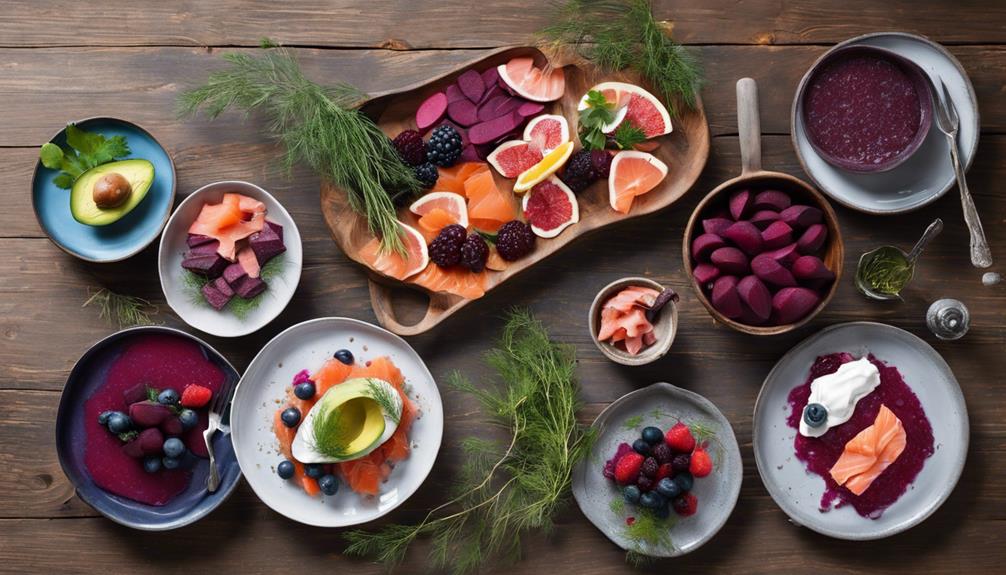
Think about ingredient pairings that complement one another, like pairing creamy goat cheese with tangy beets. This attention to detail can elevate your appetizers and impress your guests. Sustainable sourcing is also key; it connects you to the land and guarantees that your dishes are environmentally friendly.
Presentation and Plating Techniques
A beautifully arranged plate can transform a simple appetizer into an unforgettable experience. To master presentation and plating techniques, it's crucial to explore various plating styles. Start by choosing a style that complements your dish, like minimalist for a refined look or rustic for a homey feel.
Next, consider the arrangement of your ingredients. Use the rule of thirds to create balance—place your main item off-center and build around it, allowing negative space to enhance visual appeal.
When it comes to garnish techniques, think beyond mere decoration. Fresh herbs, edible flowers, or a drizzle of flavored oil can elevate your dish's flavor profile and visual interest. Remember, the garnish should enhance, not overpower, the main components.
Don't forget about color contrast; vibrant ingredients can make your plate pop. Finally, keep your utensils and serving ware in mind—select plates that highlight your food while ensuring they're the right size. With these tips, you'll create appetizers that not only taste fantastic but also look stunning, impressing your guests this holiday season.
Choose the Perfect Main Course
When choosing the perfect main course for your holiday feast, consider the rich regional cuisines of France that can inspire your dish. Think about incorporating seasonal ingredients that elevate flavors and connect your meal to the time of year. Finally, reflect on the cooking methods that will best showcase your chosen ingredients and create a memorable centerpiece for your celebration.
Regional Cuisine Inspirations
Across the diverse regions of France, each area offers unique culinary delights that can elevate your holiday feast. When choosing your main course, consider regional specialties that highlight local ingredients and cultural influences. For instance, a dish from Provence might feature fresh herbs and fish, while a hearty cassoulet from the southwest celebrates beans and artisan sausages.
Explore traditional recipes that have been cherished through generations. You might opt for coq au vin, a classic from Burgundy, or a festive variation of bouillabaisse from Marseille. Each dish carries its own flavor profiles, reflecting the heritage dishes of its region.
Regional pairings can enhance your meal, too. If you're serving a rich coq au vin, consider accompanying it with a robust red wine from the same area. Artisan products such as regional cheeses or charcuterie can also serve as excellent starters or side dishes, adding depth to your feast.
Seasonal Ingredient Selection
Selecting the right seasonal ingredients can elevate your holiday main course to new heights. When you focus on seasonal flavors, you'll not only enhance your dish but also support local farmers and markets. Start by visiting farmer's markets or local grocery stores that emphasize ingredient sourcing. Fresh produce like root vegetables, winter squash, and hearty greens can add depth and richness to your meal.
For proteins, consider options like lamb, duck, or game birds, which are often more flavorful during the colder months. These meats pair beautifully with seasonal sides, creating a harmonious plate. Don't shy away from experimenting with unique herbs and spices that complement your main course; think thyme, rosemary, or even a touch of citrus.
Also, remember to think about the colors and textures of your ingredients. A visually appealing dish will entice your guests before they even take a bite. By prioritizing seasonal ingredients, you'll create a memorable main course that not only tastes great but also celebrates the bounty of the season. Embrace the opportunity to showcase the flavors of this time of year with every dish you prepare.
Cooking Method Considerations
Considering the various cooking methods can greatly influence your choice of main course for a classic French holiday feast. Each technique offers unique flavors and textures that can elevate your dish. For a tender and juicy result, consider sous vide cooking; it guarantees perfect doneness every time. If you prefer a rich, golden crust, mastering roasting techniques will be essential.
Slow cooking and braising methods work wonders for tougher cuts of meat, allowing flavors to meld beautifully over time. If you're feeling adventurous, explore grilling tips for that smoky flavor that can enhance a festive dish. Poaching techniques are great for delicate proteins, while frying essentials can provide that irresistible crunch.
Baking secrets can transform your main course into a masterpiece, especially when paired with caramelizing onions to deepen the flavor. Steaming benefits include retaining nutrients and bright colors in vegetables, making them a perfect side. For speed, pressure cooking can save the day without sacrificing taste. Finally, don't underestimate the allure of smoking flavors; they can add a complex depth to your holiday feast that guests will remember long after the meal. Choose your method wisely, and your main course will shine!
Elevate With Traditional Sides
To truly elevate your classic French holiday feast, pairing your main dish with traditional sides is essential. Think of it as a harmonious orchestra where each side contributes its unique note to the overall experience. Start with classic accompaniments like ratatouille or haricots verts. These vegetable sides not only add vibrant colors but also enhance the meal with their fresh flavors.
Consider an herb infusion to bring out the essence of your dishes. A simple herb butter can work wonders when melted over steamed vegetables or roasted meats. It infuses them with aromatic notes, creating an irresistible aroma that'll entice your guests. For starch, you can't go wrong with creamy potato gratin or fluffy pommes purée. These sides offer a comforting contrast to richer main dishes, balancing the flavors beautifully.
Don't forget about the importance of flavor contrasts. If your main course is rich and hearty, opt for lighter sides like a citrusy salad with a vinaigrette. This will refresh the palate between bites, making each mouthful enjoyable. You could also incorporate a tangy compote or chutney, adding a sweet and sour element that complements meat dishes perfectly.
Lastly, garnishing your sides with fresh herbs can elevate them further, adding visual appeal and an extra layer of flavor. By thoughtfully selecting your sides, you create a well-rounded meal that truly celebrates the essence of French cuisine during the holidays.
Perfect Your Sauces
To elevate your holiday feasts, mastering sauce techniques is key. You'll want to explore flavor pairings that complement your dishes perfectly and steer clear of common mistakes that can ruin your efforts. Let's get started on creating sauces that impress every guest at your table.
Essential Sauce Techniques
When it comes to French cuisine, mastering essential sauce techniques can elevate your holiday feasts from ordinary to extraordinary. Start by understanding the importance of sauce ratios. A classic sauce often hinges on a fundamental balance of liquid to thickener. For instance, a béchamel sauce requires a precise ratio of butter, flour, and milk. This guarantees a smooth texture and rich flavor.
Next, focus on achieving flavor balance. Taste as you go, adjusting seasoning and acidity to make certain your sauce complements your main dish. If it's too salty, a splash of vinegar or a sprinkle of sugar can help round out the flavors. Remember, every sauce tells a story, so don't skimp on quality ingredients. Use homemade stocks and fresh herbs to enhance depth.
Also, practice emulsification techniques for sauces like hollandaise or vinaigrettes. Whisking constantly while slowly adding fat creates a stable sauce that holds together beautifully. Finally, don't be afraid to experiment. Each holiday feast is unique, so adapt your techniques to fit the occasion. With these essential sauce techniques, you'll create dishes that leave your guests raving.
Flavor Pairing Insights
Understanding flavor pairing is vital for perfecting your sauces and enhancing your holiday feasts. Start by exploring umami combinations, as they create depth in your dishes. Focus on herb pairings that complement your main ingredients; for instance, thyme with poultry or basil with tomatoes brings out their best.
Next, achieve acidity balance by incorporating ingredients like vinegar or citrus. This not only brightens flavors but also enhances texture contrasts in your sauce. Don't shy away from sweet savory elements, like caramelized onions or honey, which can elevate a dish's complexity.
Aromatics harmony is significant too—think garlic, shallots, or leeks, which infuse your sauce with fragrance. Spice integration adds warmth and depth; consider using spices that resonate with your main ingredients.
Incorporate color contrasts in your sauces by adding vibrant ingredients like roasted peppers or fresh herbs, which can make your dish visually appealing. Finally, pay attention to temperature variations. A warm sauce poured over a cold dish can create a delightful contrast, enhancing the overall dining experience. By focusing on ingredient synergy, you'll craft sauces that truly shine during your holiday celebrations.
Common Mistakes to Avoid
Many home cooks encounter common pitfalls that can undermine their sauce-making efforts. One major issue is poor seasoning, which can lead to bland flavors. Always taste as you go and adjust accordingly. Rushed preparations often result in unbalanced textures; take your time to achieve that silky finish. Don't overlook the importance of planning—an inadequate approach can lead to overcooked meat or undercooked sides, ruining your entire dish.
Another mistake is mismatched wines; guarantee your wine complements your sauce to elevate the overall flavor. Avoid excessive garnishing that distracts from the primary taste. Instead, keep garnishes simple and relevant. Overcomplicated dishes can overwhelm your palate, so focus on a few key elements that shine.
Lastly, don't forget about neglected cleaning. A cluttered workspace can lead to mistakes and stress during service. By avoiding these common mistakes, you'll enhance your sauce-making skills and create delightful dishes that impress your guests. Focus on clarity, simplicity, and balance, and your sauces will reach new heights.
Select Fine French Wines
Selecting fine French wines can elevate your holiday feast from ordinary to extraordinary. When you choose the right wine pairings, you not only complement your dishes but also enhance the entire dining experience. Start by considering the main course. If you're serving a classic Coq au Vin, a robust Burgundy will harmonize beautifully. For seafood dishes, opt for a crisp Sancerre or a light Chablis to brighten the flavors.
Vineyard selections play an essential role in finding the perfect bottle. Explore wines from renowned regions like Bordeaux, Rhône, or Champagne. Each area has its unique terroir that can add depth to your meal. Don't shy away from lesser-known vineyards, either—sometimes, they offer exceptional quality at more accessible prices.
As you shop, pay attention to vintage. Certain years yield better grapes, which can greatly enhance the wine's character. Don't hesitate to ask for recommendations from knowledgeable staff at your local wine shop. They can guide you toward hidden gems that might not be on your radar.
Click Here and Turn Every Masterpiece into a Showstopper!
Create a Festive Atmosphere
Creating a festive atmosphere is just as important as the food and wine you'll serve at your holiday gathering. The right ambiance sets the tone for an unforgettable experience, so let's focus on some key elements.
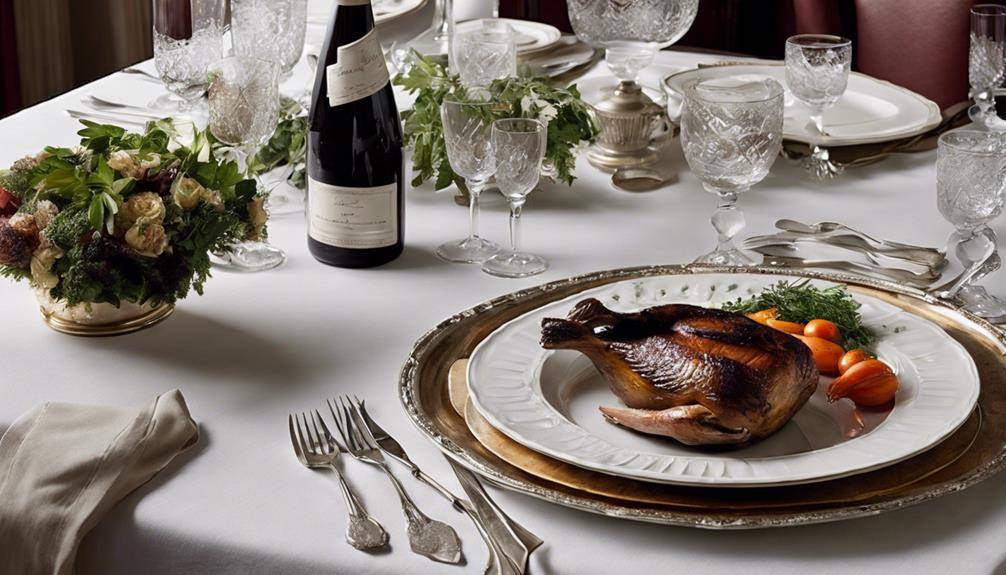
Start with your table settings. Choose a beautiful tablecloth that complements your theme, whether it's classic white linen or a rich, festive color. Use elegant dinnerware and glassware to elevate the dining experience. Don't forget to add personal touches, like place cards or small favors that reflect your style.
Next, consider your centerpiece. A stunning arrangement of seasonal flowers or a decorative bowl filled with ornaments can serve as a focal point. Make sure it's not too tall, so guests can easily chat across the table.
Now, let's talk about festive lighting. Soft, warm lighting creates an inviting atmosphere. Use candles of varying heights for a cozy glow, and consider string lights for a magical touch. If you have a fireplace, light it up to add warmth and charm.
Pay Attention to Presentation
While the flavors of your dishes are essential, the way you present them can elevate your holiday feast into a truly memorable experience. You want your guests to not only taste your culinary creations but also to be visually captivated by them. Start by considering color contrasts; vibrant greens from fresh herbs or vegetables can pop against rich, darker sauces or meats. A visually appealing plate will entice your guests before they even take a bite.
Next, think about texture variety. Combining different textures can create an exciting eating experience. For example, pair a creamy purée with a crispy garnish, or serve a soft braised dish alongside a crunchy salad. This contrast not only adds interest but also enhances the overall flavor profile of your meal.
Don't forget about the plating itself. Use elegant plates that complement your food, and arrange your dishes thoughtfully. A well-plated dish should have a focal point, drawing attention to the star ingredients. You can also use garnishes like microgreens, edible flowers, or a drizzle of sauce to add flair and intrigue.
Lastly, consider the overall table setting. Elegant cutlery, beautiful linens, and tasteful centerpieces can enhance your presentation further. When your guests see a beautifully arranged table and dishes, they'll feel the effort you've put into creating a special holiday feast. So take a moment to focus on presentation; it's the finishing touch that transforms a meal into an unforgettable experience.
Incorporate French Desserts
When it comes to rounding out your classic French holiday feast, incorporating decadent desserts is a must. French desserts are not only delicious but also a delightful way to impress your guests. Start with mastering essential pastry techniques, like making a flaky pâte brisée for tarts or a light choux pastry for éclairs. These foundational skills will elevate your dessert game.
Consider classic options like a rich chocolate tart or a delicate fruit tart topped with seasonal berries. Both desserts showcase the beauty of French pastry and can be paired with a scoop of homemade vanilla ice cream or a dollop of crème fraîche for added richness. When thinking about dessert pairings, complement your sweets with a robust coffee or a sweet dessert wine, which can enhance the flavors and transform your meal into a luxurious experience.
Don't overlook the charm of a traditional Bûche de Noël, a yule log cake that captures the spirit of the season. Its combination of chocolate ganache and sponge cake is sure to be a crowd-pleaser. For something lighter, consider a lemon tart, which provides a zesty contrast to richer dishes you may have served earlier.
Plan Your Timing
Timing plays a significant role in guaranteeing your classic French holiday feast unfolds smoothly. To achieve this, you need effective timing coordination. Start by creating a timeline for your meal. Break it down into courses and determine how long each dish takes to prepare and cook. This helps you avoid last-minute scrambling, which can disrupt your guests' experience.
Next, consider meal pacing. French meals often feature multiple courses, so you'll want to allow enough time between each one for guests to savor the food and engage in conversation. A good rule of thumb is to plan for at least 15 to 20 minutes between courses, depending on the complexity of the dishes. This pacing not only enhances the dining experience but also gives you breathing room to handle any unexpected delays.
As you plan, think about the order of your dishes. Start with appetizers that can be prepared ahead of time, allowing you to focus on main courses as your guests arrive. Remember, if you're serving a roast or a dish that requires resting time, factor that into your overall timing.
Don't forget about the drinks! Guarantee your wine or beverage service aligns with your meal pacing. Pouring a glass should feel seamless, not rushed. By prioritizing timing coordination and meal pacing, you'll create an inviting atmosphere where your guests can relax and enjoy every moment of your classic French holiday feast.
Offer Unique French Cocktails
To kick off your classic French holiday feast with flair, consider serving unique French cocktails that set the tone for an unforgettable evening. Embrace French aperitif traditions by offering a selection of drinks that blend elegance and flavor. Think of the classic Kir Royale, made with crème de cassis and sparkling wine, or a invigorating Pastis, which showcases the anise flavor beloved in France. These drinks not only taste fantastic but also evoke a sense of celebration.
Don't overlook the importance of cocktail garnishes. A simple twist of lemon peel or a sprig of fresh herbs can elevate your cocktails and add a visual appeal that impresses your guests. For a touch of sophistication, consider garnishing your Kir Royale with a few fresh blackberries or a delicate edible flower.
You might also explore the world of vermouth-based cocktails, such as a perfect Lillet Spritz, which combines Lillet Blanc, tonic water, and fresh fruit slices. This drink is light and zesty, making it a perfect pre-dinner option that excites the palate.
If you're feeling adventurous, try crafting a French 75, a delightful mix of gin, lemon juice, sugar, and Champagne. This cocktail's effervescence and citrus notes will surely awaken your guests' spirits.
Share the Experience
Creating a memorable holiday feast isn't just about the food and drinks; it's about sharing the experience with your loved ones. When you gather around the table, you're not just enjoying a meal; you're engaging in culinary traditions that have been passed down through generations. These festive gatherings create bonds and memories that last a lifetime, so make sure to include everyone in the celebration.
Invite family and friends to help with the preparations. Whether it's chopping vegetables or stirring sauces, cooking together fosters a sense of unity. As you work side by side, share stories about the recipes—where they came from and the memories tied to them. This connection enriches the experience and brings a deeper appreciation for the meal you're about to enjoy.
Set the atmosphere right. A beautifully arranged table with candles, fresh flowers, and festive decorations adds to the excitement. Encourage everyone to dress up a bit; it makes the occasion feel special. As you sit down to eat, engage in lively conversation, sharing laughter and stories that reflect your shared history.
Click Here and Turn Every Masterpiece into a Showstopper!
Frequently Asked Questions: Classic French Holiday Feasts: 12 Expert Tips
What Are the Best Regional French Dishes for Holiday Feasts?
When considering the best regional French dishes for holiday feasts, you'll enjoy regional specialties like coq au vin and bouillabaisse. These dishes burst with festive flavors, creating a memorable dining experience you won't forget.
How Do I Accommodate Dietary Restrictions in a French Holiday Menu?
To accommodate dietary restrictions in your menu, include vegetarian options like ratatouille. For gluten-free adaptations, try using rice flour in your pastries. This way, everyone can enjoy a delightful holiday feast without worry!
What Kitchen Tools Are Essential for Preparing French Holiday Meals?
To prepare French holiday meals, you'll need essential tools like a mandoline, immersion blender, and a good knife. Mastering cooking techniques and understanding ingredient substitutions will elevate your dishes and accommodate diverse tastes effortlessly.
How Can I Incorporate French Traditions Into My Holiday Celebration?
To incorporate French holiday customs, focus on creating festive table settings with elegant tableware and fresh flowers. Serve traditional dishes like foie gras or bûche de Noël, and encourage guests to share stories and laughter.
What Are Common Mistakes to Avoid When Hosting a French Holiday Feast?
When hosting a French holiday feast, avoid overdoing garnish presentation and neglecting portion control. You want your dishes to shine without overwhelming guests. Balance elegance with practicality for a memorable dining experience everyone will enjoy.

Conclusion
By embracing these expert tips, you're set to create a memorable French holiday feast that dazzles your guests. Remember to focus on seasonal ingredients, classic appetizers, and those irresistible desserts. Timing is key, so plan ahead, and don't forget to offer unique cocktails to elevate the experience. Most importantly, share the joy of the meal with friends and family, making it a celebration to remember. Bon appétit!