Traditional Caribbean Holiday Recipes
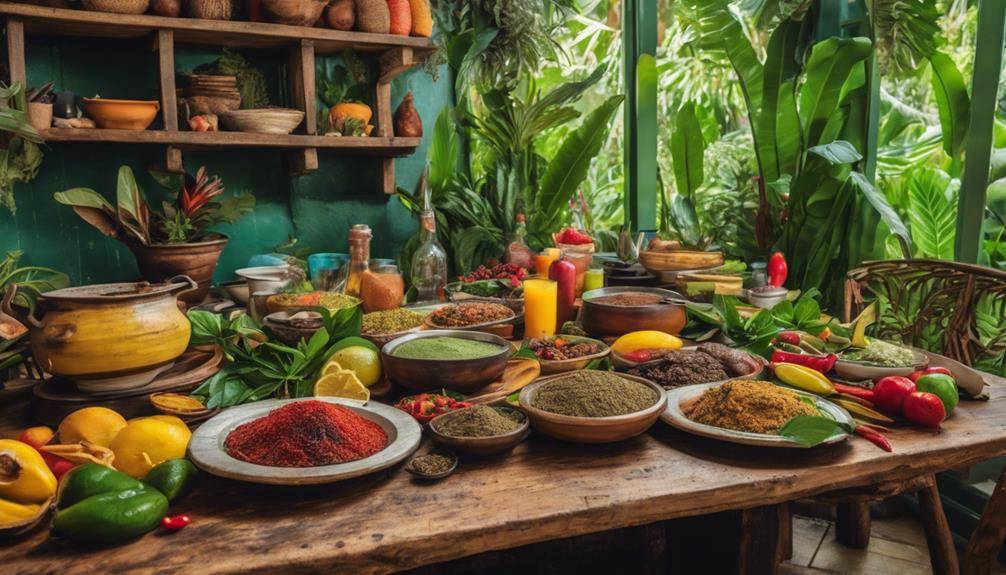
Traditional Caribbean Holiday Recipes: When you're looking for traditional Caribbean holiday recipes, you'll discover a burst of flavors that truly enhance your celebrations. Start with a Spiced Ham Delight or a Jerk Turkey, marinated overnight for the best taste. Side dishes like Festive Rice and Peas or Fried Plantains add that perfect touch. Don't forget the Sweet Potato Pudding for dessert, and sip on a Classic Caribbean Sorrel Drink to refresh your palate. Each dish reflects the rich cultural traditions of the Caribbean and sparks joy at the table. Stick around to uncover even more delightful recipes that can elevate your holiday feasts!
Click Here and Turn Every Masterpiece into a Showstopper!
Spiced Ham Delight
Spiced Ham Delight is the star of any Caribbean holiday feast, bringing bold flavors and vibrant aromas to your table. This dish is more than just a centerpiece; it's a celebration of cooking techniques passed down through generations. You'll find that marinating the ham in a blend of spices, such as allspice, cloves, and ginger, infuses it with an irresistible depth of flavor.
To prepare this dish, start by scoring the surface of the ham, allowing the spices to penetrate deeper. You'll want to create a mixture of brown sugar and mustard to glaze the ham, adding a sweet contrast to the savory spices. As the ham bakes, the aroma will fill your home, instantly making it feel like a holiday gathering.
Incorporating Spiced Ham Delight into your holiday traditions isn't just about the meal; it's about the memories you create with family and friends. You'll often find that this dish sparks joy and brings everyone together around the dinner table. As you carve into the succulent ham, the anticipation builds, and you can almost hear the stories being shared and laughter echoing through the room.
Classic Caribbean Sorrel Drink
As the savory aroma of Spiced Ham Delight fills the air, it's the perfect moment to rejuvenate your palate with a Classic Caribbean Sorrel Drink. This vibrant beverage, often enjoyed during the festive season, has deep sorrel origins rooted in West African and Caribbean cultures. It's not just a drink; it's a symbol of celebration and community, bringing people together during holidays.
To make this revitalizing drink, you'll need dried sorrel petals, water, and a mix of spices like ginger, cloves, and cinnamon. Start by boiling the sorrel petals in water, letting them steep until the mixture turns a rich crimson. The aroma alone evokes the spirit of festive traditions, making your kitchen feel like a bustling Caribbean marketplace.
Once the sorrel has steeped, strain the mixture to remove the petals, then sweeten it to your taste with sugar or honey. For an extra touch, add a splash of rum if you're in the mood for something a little stronger. Chill the drink before serving, and garnish it with fresh mint or a slice of lime for a pop of color.
Whether you're hosting a holiday gathering or simply enjoying a quiet evening, the Classic Caribbean Sorrel Drink is a revitalizing nod to the past, celebrating the rich tapestry of Caribbean culture. Embrace this festive tradition and let the flavors transport you to sun-soaked shores.
Festive Rice and Peas
Nothing complements a Caribbean feast quite like Festive Rice and Peas. This vibrant dish isn't just a side; it's a celebration of flavors and traditions. You'll find that the combination of different rice varieties, such as basmati or long-grain, creates a delightful texture. The key is to choose the right rice that can absorb the rich coconut milk and spices.
When preparing your Festive Rice and Peas, you'll want to start by cooking your chosen rice variety with kidney beans, which provide both protein and color. The traditional method involves boiling the beans until tender, then adding the rice and cooking it all together with a mix of coconut milk, garlic, thyme, and scallions. This cooking method allows the flavors to meld beautifully, ensuring each grain is infused with that distinct Caribbean taste.
Don't forget to season generously; a pinch of salt and a dash of pepper can enhance the overall flavor. Some folks like to add a hint of Scotch bonnet pepper for an extra kick, but that's entirely up to your spice tolerance!
As the rice cooks, the aroma fills your kitchen, drawing everyone in with anticipation. When it's finally ready, serve it hot alongside your holiday dishes, and watch as it becomes the star of the meal. Trust me, this Festive Rice and Peas will have your guests asking for seconds!
Jerk Turkey for the Holidays
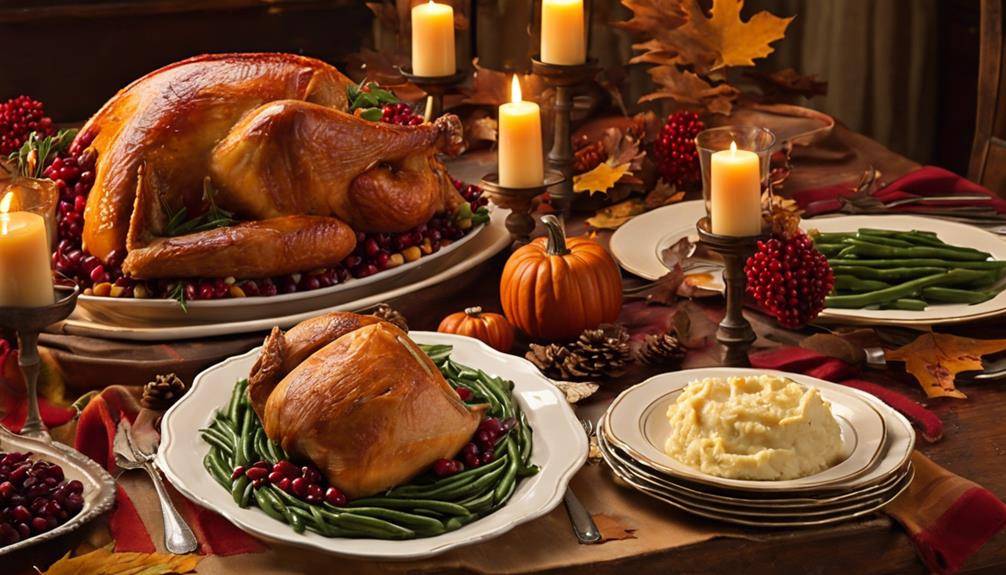
When the holiday season rolls around, a Jerk Turkey is the perfect centerpiece for your Caribbean feast. This dish not only embodies the bold flavors of the islands but also brings a unique twist to your holiday traditions. To get started, you'll need a good jerk marinade, which is the heart of this recipe. You can either make your own using ingredients like Scotch bonnet peppers, allspice, thyme, and garlic or purchase a pre-made version from the store.
Once you've got your marinade ready, it's time to prepare the turkey. Make sure to rub the jerk marinade generously all over the turkey, ensuring it seeps into every nook and cranny. Allow it to marinate for at least a few hours, but ideally overnight, to let those flavors develop fully. This step is essential for achieving that mouthwatering taste everyone will rave about.
When you're ready to cook, preheat your oven to a suitable temperature, typically around 325°F. Roast the turkey until it reaches a safe internal temperature, basting occasionally to keep it juicy and flavorful. The aroma of the jerk spices wafting through your home will have your family gathering around well before dinner is served.
Serve your Jerk Turkey alongside traditional sides like rice and peas, and watch as your holiday gathering transforms into a lively Caribbean celebration. Embrace this vibrant dish and make it a new highlight in your holiday traditions!
Sweet Potato Pudding
Sweet Potato Pudding is a must-try dessert that captures the essence of Caribbean flavors. This delightful dish combines the natural sweetness of sweet potatoes with rich spices, creating a comforting treat that's perfect for any holiday table. You'll find that there are various sweet potato variations across the Caribbean, each with its unique twist. Whether you prefer a creamy consistency or a more cake-like texture, this pudding can easily adapt to your taste.
To make your own Sweet Potato Pudding, start by selecting fresh, vibrant sweet potatoes. After peeling and boiling them, mash them until smooth. Mix in ingredients like coconut milk, brown sugar, cinnamon, and nutmeg. These combine to create a rich, flavorful batter that embodies the warm, inviting essence of Caribbean pudding traditions. You can even add raisins or nuts for an extra layer of texture and flavor.
Once your mixture is ready, pour it into a greased baking dish and bake until it's firm and golden on top. The aroma that fills your kitchen will have everyone enthusiastically anticipating this treat. Serve it warm or chilled, and watch as it becomes a beloved addition to your holiday spread.
Traditional Rum Cake
Indulge in the rich, moist delight of Traditional Rum Cake, a festive staple that embodies the spirit of Caribbean celebrations. This luscious dessert has roots that stretch back to the early colonial days, where rum cake history intertwines with the melding of various cultures. As you savor each bite, you can taste the influence of African, European, and indigenous traditions that have shaped this beloved treat.
Typically enjoyed during holidays and special occasions, rum cake is made with a blend of dried fruits, nuts, and, of course, rum. The use of rum not only enhances the flavor but also preserves the cake, making it a perfect centerpiece for any gathering. You'll find that traditional recipes often call for soaking the fruits in rum for an extended period, which infuses the cake with a depth of flavor that's hard to resist.
Rum cake variations abound, allowing you to explore different flavor profiles and textures. Some bakers incorporate spices like nutmeg or cinnamon, while others may add a splash of fruit juices for a unique twist. You might even come across recipes that use chocolate or coffee for an unexpected yet delightful surprise.
No matter how you choose to make it, Traditional Rum Cake remains a cherished dessert that brings people together. So, whether you're following a family recipe or trying a new variation, you're sure to create delicious memories with this iconic Caribbean treat.
Coconut Drops Treat
Coconut Drops Treat is a delightful snack that captures the essence of the Caribbean with every bite. This simple yet satisfying treat combines fresh grated coconut with sugar, ginger, and spices, creating a chewy texture that evokes tropical flavors. The coconut's history in the Caribbean stretches back centuries, as it was brought to the islands by early explorers and has since become a staple ingredient in local cuisine.
When you make Coconut Drops, you'll notice how versatile this recipe can be. You can easily adapt it to include various tropical variations by adding ingredients like rum, vanilla, or even dried fruits. Each tweak offers a unique twist while still honoring the traditional preparation. The process involves mixing the grated coconut with sugar and spices, then dropping spoonfuls onto a baking sheet to create small clusters that bake to perfection.
Enjoy Coconut Drops as a snack with your morning coffee or as a sweet treat during festive gatherings. They're perfect for sharing and always bring a taste of the islands to any occasion. Plus, making them is a fun way to introduce your family and friends to Caribbean flavors.
Whether you're enjoying them on a sunny beach or at a cozy holiday gathering, Coconut Drops Treat will transport you to the heart of the Caribbean. So, gather your ingredients, roll up your sleeves, and indulge in this delightful snack that's rich in history and flavor.
Callaloo and Saltfish
When you think of Caribbean flavors, Callaloo and Saltfish often come to mind. This dish not only boasts a unique blend of ingredients but also carries a rich cultural significance across the islands. Let's explore how to prepare it and discover the variations that make it a beloved staple.
Ingredients and Preparation Steps
To create a delicious Callaloo and Saltfish dish, you'll need a handful of key ingredients and straightforward preparation steps. Start by gathering fresh callaloo leaves, saltfish (dried and salted cod), onions, garlic, tomatoes, and peppers. You might consider holiday ingredient swaps, like using spinach if callaloo isn't available, or smoked fish for a different flavor.
First, soak the saltfish for a few hours to remove excess salt, then boil it until tender. While that's cooking, chop your onions, garlic, tomatoes, and peppers. In a large skillet, use traditional cooking techniques by sautéing the onions and garlic in oil until fragrant. Add the tomatoes and peppers, stirring until they soften.
Next, drain and flake the saltfish, incorporating it into the skillet mixture. Finally, add the chopped callaloo, cooking until wilted and tender. Season with black pepper and a pinch of hot pepper if you like it spicy. Serve this vibrant dish warm, and enjoy the delightful flavors that capture the essence of Caribbean holiday cooking!
Cultural Significance and Variations
Culinary traditions hold a special place in Caribbean culture, and Callaloo and Saltfish is a perfect example of this rich heritage. This dish reflects the blend of African, Indigenous, and European influences that shape Caribbean cooking. When you enjoy Callaloo and Saltfish, you're not just savoring a meal; you're experiencing a vibrant cultural narrative passed down through generations.
You'll find that Callaloo, made from leafy greens like amaranth or spinach, varies by island. In Trinidad, it's often cooked with coconut milk, while in Jamaica, it may include okra and spices. The saltfish, typically salted cod, adds depth and flavor, and its preparation showcases the resourcefulness of Caribbean communities.
The dish's cultural significance extends beyond the kitchen; it's often served during holidays and celebrations, symbolizing togetherness. Each family may have its own secret recipe, making it a personal expression of culinary traditions. When you share Callaloo and Saltfish with loved ones, you're not just sharing food; you're sharing a piece of your cultural heritage, fostering connections, and honoring the past. Embrace these variations, and you'll appreciate the rich tapestry of Caribbean life even more.
Click Here and Turn Every Masterpiece into a Showstopper!
Ginger Beer Recipe
Creating your own ginger beer at home is a delightful way to enjoy a revitalizing, spicy beverage that captures the essence of the Caribbean. This recipe not only celebrates holiday traditions but also introduces you to the fascinating process of ginger fermentation.
To start, gather your ingredients: fresh ginger root (about 1 cup, grated), 1 cup of sugar, 2 tablespoons of lemon juice, and 4 cups of water. Begin by boiling 2 cups of water in a pot. Once it reaches a boil, add the grated ginger and sugar, stirring until the sugar dissolves. Remove it from heat and let it steep for about 30 minutes.
After steeping, strain the mixture into a large pitcher, discarding the ginger pulp. Add the remaining 2 cups of cold water and the lemon juice, mixing well. Now, for the fermentation process. Pour the mixture into a clean glass jar, leaving some space at the top. Cover it loosely with a cloth or lid to allow gases to escape. Let it sit at room temperature for 2-3 days.
After fermentation, taste your ginger beer. If it's fizzy and tangy enough for your liking, transfer it to the refrigerator to stop the fermentation. Enjoy it chilled or with ice, and share it with family and friends during your holiday gatherings. You'll find that this homemade ginger beer adds a unique touch to your celebrations, embodying the spirit of Caribbean festivities.
Baked Macaroni and Cheese
Baked macaroni and cheese is a comforting dish that warms the heart and brings a taste of home to your holiday table. This beloved recipe has roots that stretch back centuries, with macaroni history dating to the 1700s when it first appeared in Italian cookbooks. Since then, it's evolved into countless variations, especially in the Caribbean, where local ingredients and flavors elevate this classic.
To create your own version, start with cooked macaroni. You can use elbow pasta or any shape you prefer. Next, choose your cheese variations; cheddar is a popular choice, but don't hesitate to mix in gouda, mozzarella, or even pepper jack for a spicy kick. The creaminess comes from a simple béchamel sauce, made by whisking together butter, flour, and milk, then adding your cheese until it melts into a rich, gooey delight.
Once you've combined the pasta with the cheese sauce, pour everything into a baking dish and top it off with breadcrumbs for that perfect golden crust. Bake until it's bubbling and golden brown, and you'll have a dish that's not only delicious but also sure to impress your family and friends.
As you serve this baked macaroni and cheese, you'll be sharing a piece of history and culture that brings everyone together, making it an essential part of your Caribbean holiday feast. Enjoy every bite!
Caribbean Fruit Cake
Caribbean fruit cake is a festive staple that's rich in flavor and tradition, making it an important treat during the holiday season. You'll find that this cake showcases a delightful blend of tropical ingredients, such as dried fruits, nuts, and spices, which come together to create a unique and aromatic experience.
To make this cake, start by soaking your dried fruits—like raisins, currants, and prunes—in rum or fruit juice. This not only enhances the flavors but also helps keep the cake moist. While the fruits soak, you can prepare your batter using a combination of flour, sugar, and spices like nutmeg and cinnamon for that warm, inviting aroma. You'll want to fold in the soaked fruits and nuts into the batter, ensuring every bite is packed with flavor.
Baking techniques play a significant role in achieving the perfect Caribbean fruit cake. Opt for a slow bake at a lower temperature to allow the flavors to meld beautifully while keeping the cake tender. Once it's done, you can age your cake by wrapping it in rum-soaked cheesecloth, which enhances its richness over time.
When it's finally time to serve, your Caribbean fruit cake will be a centerpiece that captures the essence of the holiday spirit. Whether enjoyed with family or shared with friends, this treat brings everyone together, embodying the warmth and joy of Caribbean celebrations. Enjoy every slice!
Pumpkin Soup Variation
When the cool breezes of the Caribbean holiday season roll in, a warm bowl of pumpkin soup makes for the perfect comforting dish. You'll love how easy it is to whip up this delicious soup, especially with the unique pumpkin variations you can explore. Start by selecting a fresh pumpkin or butternut squash—both bring a delightful sweetness to your soup.
Begin by peeling and chopping your pumpkin into small cubes. Sauté some onions and garlic in a pot until they're fragrant and golden. Then, add your pumpkin cubes and let them cook for a few minutes. Next, pour in your choice of vegetable or chicken broth, covering the pumpkin completely. Let it simmer until the pumpkin is tender, which should take about 15-20 minutes.
Now comes the fun part! Blend the soup until it's smooth and creamy. You can adjust the consistency by adding more broth if needed. To elevate the flavor, stir in some soup spices like nutmeg, cinnamon, and a pinch of allspice—these will give your pumpkin soup that warm, holiday essence.
For a bit of heat, consider adding a dash of cayenne pepper or a sprinkle of fresh herbs like thyme or cilantro. Serve your soup topped with a swirl of coconut cream or a sprinkle of roasted pumpkin seeds for that extra touch. Enjoy this delightful treat that captures the spirit of the Caribbean holiday season!
Pepperpot Stew
Pepperpot stew is a hearty dish that showcases the rich flavors of the Caribbean. You'll discover its unique ingredients and preparation steps, along with its fascinating historical significance. Plus, you'll see how variations of this beloved stew differ across the region, adding to its charm.
Ingredients and Preparation Steps
There's something special about the rich flavors of Pepperpot Stew that can transport you straight to the heart of the Caribbean. To make this delightful dish, you'll need ingredients that pack a punch: beef, pork, or even lamb; a medley of spices like allspice, cinnamon, and cloves; garlic, onions, and bell peppers for depth; and, of course, cassareep—a sweetened cassava extract that brings everything together.
Start by browning your meat in a large pot, letting those holiday flavors develop. Once browned, toss in your garlic, onions, and bell peppers, sautéing until they're soft. Next, add your spices and cassareep. Stir well to coat the meat, then pour in enough water to cover it. Simmer gently for a couple of hours until the meat is tender.
If you're looking to experiment, consider ingredient swaps. You could use chicken or even a plant-based protein for a vegetarian twist. Serve your Pepperpot Stew with rice or bread to soak up all that delicious sauce. Enjoying this dish will surely make your holiday gathering memorable!
Historical Significance of Pepperpot
Originating from the rich tapestry of Caribbean culture, Pepperpot Stew holds a significant place in the region's culinary history. This dish embodies the fusion of flavors and techniques brought by various cultures, making it a true representation of the Caribbean's culinary heritage. You can trace its roots back to the Indigenous peoples, who first used spices and meats to create hearty stews.
As you explore Pepperpot's history, you'll notice how it evolved through cultural exchange. Enslaved Africans, European colonizers, and other immigrant groups contributed their unique ingredients and cooking methods, enriching the dish over generations. It became a symbol of resilience and adaptability, reflecting the diverse backgrounds of those who prepared it.
During holiday celebrations, Pepperpot Stew often takes center stage, showcasing not just a meal, but a shared story of community and tradition. When you enjoy this stew, you're not just savoring a delicious dish; you're connecting with the rich history and cultural significance behind it. Celebrating Pepperpot isn't merely about food, it's about honoring the journey of the Caribbean people and their culinary evolution.
Variations Across the Region
Across the Caribbean, you'll find a rich variety of Pepperpot Stew, with each island offering its unique twist on this beloved dish. In Guyana, for instance, you'll savor a hearty blend of meats, like beef and pork, simmered with spices and cassareep, a thick sauce made from blackstrap molasses. This version reflects the region's influences from indigenous, African, and Indian cuisines.
Traveling to Barbados, you might encounter a lighter version, incorporating fish and a zest of lime, showcasing the island's coastal bounty and culinary traditions. In contrast, Jamaican Pepperpot often features allspice and Scotch bonnet peppers, adding a spicy kick that's a hallmark of the island's robust flavors.
These variations not only highlight regional influences but also connect deeply with holiday traditions. Families gather to prepare Pepperpot Stew during festive occasions, each recipe passed down through generations. As you explore these regional differences, you'll appreciate how Pepperpot Stew serves as a delicious symbol of community and heritage, bringing people together to celebrate their unique culinary identities while sharing in the warmth of the holiday spirit.
Festive Fruit Punch
When you think of a vibrant Caribbean celebration, a glass of festive fruit punch often comes to mind, bursting with color and flavor. This invigorating drink is a staple at holiday gatherings, bringing people together to enjoy the tropical flavors that define the region. With its blend of fresh fruits and zesty juices, festive fruit punch is not just a drink; it's an experience that captures the essence of Caribbean culture.
To make your own festive fruit punch, start by choosing a mix of fruits like pineapples, mangoes, and guavas. These tropical delights will add sweetness and a burst of color to your punch. Slice the fruits into bite-sized pieces and combine them in a large bowl. Then, pour in some freshly squeezed orange juice and a splash of lime juice for a tangy kick. You can also add coconut water or a light rum for that extra island flair.
Don't forget to chill your punch before serving! Pour it over ice in a vibrant pitcher, and garnish with mint leaves or additional fruit slices for an appealing presentation. Whether you're enjoying it at a festive holiday gathering or just a casual get-together, this punch is sure to be a hit. So, raise your glass and savor the tropical flavors of the Caribbean; it's a delightful way to celebrate the season!
Fried Plantains Side Dish
Fried plantains can be a delightful addition to your Caribbean holiday spread. To get them just right, you'll want to focus on perfecting your frying technique and experimenting with flavorful seasonings. Let's explore how to achieve that golden crispiness and the best ways to enhance their taste.
Perfecting the Frying Technique
Mastering the frying technique for plantains can transform this simple ingredient into a standout side dish. To get started, choose the right frying oils. Oils with high smoke points, like canola or vegetable oil, are ideal because they can withstand the necessary frying temperatures without burning.
Before you begin frying, slice the plantains at an angle to create more surface area, which enhances crispiness. Heat your chosen oil in a pan over medium-high heat; you want it hot but not smoking. A good test is to drop a small piece of plantain into the oil—if it sizzles immediately, you're ready to go.
Carefully add the plantain slices in a single layer, ensuring they're not overcrowded. This helps them cook evenly and achieve that golden-brown color you're aiming for. Fry the slices for about 2-3 minutes on each side, or until they're perfectly crispy. Once done, remove them and let them drain on paper towels to absorb excess oil.
With these tips, you'll be well on your way to perfecting the frying technique for delicious fried plantains. Enjoy your culinary adventure!
Flavorful Seasoning Options
After perfecting your frying technique for plantains, it's time to elevate their flavor with some creative seasoning options. You can start by experimenting with various spice blends to give your fried plantains a unique twist. A popular choice is a blend of garlic powder, paprika, and a pinch of cayenne for a touch of heat. Just sprinkle this mix over your freshly fried plantains while they're still hot, allowing the flavors to meld beautifully.
Another great option is to use a Caribbean-inspired blend featuring allspice, thyme, and black pepper. This combo adds warmth and depth, making the plantains a standout side dish. As you apply your chosen spice blend, don't forget to use seasoning techniques like tossing or lightly dusting to guarantee even coverage.
For a sweet and savory experience, try a sprinkle of cinnamon and brown sugar after frying. It'll create a delightful contrast to the natural savory flavor of the plantains. Remember, the key is to taste as you go, adjusting the seasoning until you find that perfect balance. With these flavorful seasoning options, your fried plantains will be a hit at your holiday gatherings!
Click Here and Turn Every Masterpiece into a Showstopper!
Frequently Asked Questions: Traditional Caribbean Holiday Recipes
What Are the Origins of Caribbean Holiday Cooking Traditions?
Caribbean holiday cooking traditions stem from a rich culinary history, blending African, Indigenous, European, and Asian influences. You'll find vibrant flavors and unique techniques that reflect the region's diverse cultural heritage, making each dish special.
How Can I Adapt Recipes for Dietary Restrictions?
To adapt recipes for dietary restrictions, explore recipe substitutions and ingredient alternatives. You can swap dairy with plant-based options, use gluten-free flour, or replace sugar with natural sweeteners to guarantee everyone enjoys the meal.
Where Can I Find Traditional Caribbean Ingredients?
You can find traditional Caribbean ingredients at local markets, where fresh produce and spices abound. Additionally, check online stores for harder-to-find items. Exploring both options will help you gather everything you need for your culinary adventures.
What Are Popular Caribbean Holiday Celebrations Beyond Food?
Caribbean holiday celebrations extend beyond food, focusing on vibrant parades, music, and dance. You'll discover the cultural significance of these festive celebrations, uniting communities and honoring traditions that bring joy and pride to everyone involved.
How Can I Incorporate Caribbean Flavors Into Non-Traditional Dishes?
You can incorporate Caribbean flavors into non-traditional dishes by experimenting with Caribbean spices like jerk seasoning and allspice. Try fusion cuisine, blending these bold flavors into pasta, tacos, or even pizzas for a unique twist.

Conclusion
As you gather with family and friends this holiday season, these traditional Caribbean recipes will bring warmth and joy to your celebrations. From the savory Jerk Turkey to the sweet indulgence of Sweet Potato Pudding, each dish captures the vibrant flavors of the islands. Don't forget to sip on the invigorating Sorrel Drink and share the Festive Fruit Punch for a toast to togetherness. Embrace these culinary delights, and create lasting memories around your holiday table!