Traditional Nordic Christmas Recipes
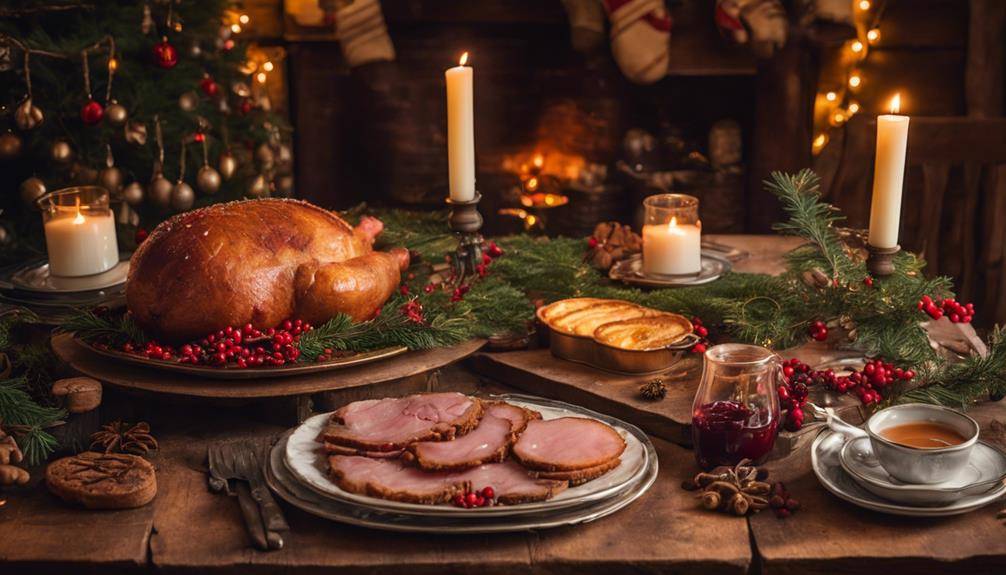
Traditional Nordic Christmas Recipes: You'll love traditional Nordic Christmas recipes that bring warmth and togetherness to your holiday meals. Start with Swedish gingerbread cookies, rich in spices, perfect for decorating or enjoying with glögg. Try Norwegian ribbe, crispy on the outside and tender inside, served with spiced apples. Danish roast pork, accompanied by red cabbage, is a festive favorite. For a comforting side, make Finnish Christmas casserole with layers of rice and carrots. And don't forget Icelandic hangikjöt, a smoky lamb dish that elevates any gathering. There's so much more to explore in Nordic culinary traditions!
Click Here and Turn Every Masterpiece into a Showstopper!
Swedish Gingerbread Cookies
Swedish gingerbread cookies, or pepparkakor, invite you to plunge into the heart of Nordic holiday traditions. These delightful treats have been a staple in Swedish households for centuries, symbolizing warmth and togetherness during the festive season. You'll find that the process of making pepparkakor is as enjoyable as eating them, bringing friends and family together in the kitchen.
As you roll out the dough, you'll notice the rich spices—ginger, cinnamon, and cloves—filling the air with a cozy aroma. This isn't just baking; it's a cherished part of Sweden's gingerbread traditions. Once you cut out shapes, it's time for the fun part: cookie decorations. You can set free your creativity by using icing, candies, and sprinkles to transform each cookie into a masterpiece. Whether you stick to classic hearts and stars or try whimsical designs, each cookie tells a story.
Traditionally, pepparkakor are enjoyed alongside warm drinks like glögg, a spiced mulled wine, making them perfect for holiday gatherings. You might also want to hang some cookies on your Christmas tree, adding a personal touch to your holiday décor. They make delightful gifts too, wrapped beautifully or showcased in jars.
Norwegian Ribbe
When you prepare Norwegian ribbe, mastering the cooking techniques is key for achieving that perfect crispy skin. It's also important to take into account the traditional accompaniments that elevate this festive dish, like sauerkraut and potatoes. Let's explore how to make the most of this beloved holiday centerpiece!
Cooking Techniques Explained
Norwegian ribbe, a succulent pork rib dish, requires specific cooking techniques to achieve that perfect balance of crispy skin and tender meat. To start, you'll want to properly prepare the ribs by scoring the skin. This not only allows the fat to render during cooking but also helps attain that delightful crunch.
Next, consider using fermentation techniques to enhance the flavor of the meat. Marinating the ribs in a mix of salt and spices for a day or two can elevate its taste, allowing the flavors to penetrate deep into the meat.
When it's time to cook, employ a low-and-slow roasting method. Begin at a lower temperature to allow the fat to render, then increase the heat towards the end to crisp up the skin. This combination creates that irresistible contrast between tender meat and crunchy exterior.
Lastly, if you have any leftovers, don't forget about preservation methods. Storing leftover ribbe in the fridge or freezing it can help maintain its flavor and texture for future meals. By mastering these techniques, you'll guarantee your Norwegian ribbe is a holiday hit!
Traditional Accompaniments Served
Accompanying your Norwegian ribbe with traditional sides enhances the overall dining experience. To elevate your feast, consider serving spiced apples alongside the rich, savory pork. The natural sweetness and warmth of the spices create a delightful contrast, cutting through the ribbe's fatty richness. Simply sauté sliced apples with cinnamon, cloves, and a touch of sugar until they're tender and fragrant.
Another perfect companion is berry compote, which adds a burst of tartness to your plate. You can easily make this by simmering a mix of fresh or frozen berries with sugar and a splash of lemon juice until it thickens. It's a simple yet elegant addition that not only brightens the flavors but also brings a vibrant color to your table.
For a more complete meal, serve your ribbe with creamy potato dumplings and steamed green vegetables. Together, these accompaniments create a well-rounded dining experience that honors Norwegian traditions. Enjoy the harmony of flavors and textures, and don't forget to savor each bite, celebrating the festive spirit of the season with your loved ones.
Danish Roast Pork
When you're preparing Danish roast pork, you'll want to focus on the right techniques to achieve that perfect crispiness. It's not just about the meat; traditional accompaniments can elevate your dish to the next level. Let's explore how to make this festive favorite shine on your Christmas table.
Preparation Techniques Explained
To achieve the perfect Danish roast pork, you'll want to focus on a few key preparation techniques that enhance its flavor and texture. Start with the meat selection; choose a well-marbled pork shoulder or loin for the best results. Next, consider using fermentation techniques to develop deeper flavors. A simple brine with salt, sugar, and spices can work wonders, so let your pork soak for a few hours or overnight.
Once brined, it's time for spice blending. Create a mixture of your favorite spices, such as garlic, thyme, and black pepper, and rub it generously over the pork. This not only adds flavor but also helps form a beautiful crust during roasting. Preheat your oven to a high temperature initially to get that crackling skin, then lower it to allow the meat to cook evenly.
Don't forget to score the skin before roasting; this helps the fat render and leave you with crispy crackling. By focusing on these techniques, you'll guarantee that your Danish roast pork is juicy, flavorful, and a highlight of your holiday feast. Enjoy the process, and savor every bite!
Traditional Accompaniments Suggested
Serving Danish roast pork isn't just about the meat; the right accompaniments elevate the entire meal. To create a festive experience, consider classic holiday side dishes that harmonize beautifully with the rich flavors of the pork.
Start with a vibrant red cabbage salad, its sweet and tangy notes perfectly balancing the savory depth of the roast. You might also want to include creamy potato dumplings, which soak up the delicious juices and add a comforting texture to your plate.
Don't overlook the importance of gravy—this can be a game changer. A rich, homemade gravy made from the drippings will tie everything together and enhance those festive flavor pairings.
For a touch of sweetness, serve a side of caramelized apples or pears. They add a delightful contrast and bring out the roast's savory elements.
Finnish Christmas Casserole
Finnish Christmas casserole, often enjoyed during the holiday season, combines layers of rice, carrots, and a touch of cream for a comforting dish that warms the heart. This casserole is a staple in Finnish traditions, embodying the spirit of Christmas with its simple yet flavorful ingredients. You'll find that the dish is easy to prepare, making it perfect for festive gatherings.
To make your own Finnish Christmas casserole, start by cooking the rice until it's tender. Then, mix in finely grated carrots, which not only add color but also a natural sweetness. Don't forget to incorporate cream for that rich, silky texture that binds the layers together. Season the mixture with salt and pepper to enhance the flavors.
As you layer the ingredients in a baking dish, you'll want to create an inviting presentation. Bake it in the oven until it's golden brown on top and the flavors meld beautifully. This dish often serves as a delightful side alongside the main course, complementing other traditional Christmas ingredients like ham and root vegetables.
Incorporating Finnish Christmas casserole into your holiday meal will surely impress your family and friends. It's not just a dish; it's a taste of Finnish culture and warmth that embodies the festive spirit. So, go ahead and add this comforting casserole to your holiday menu, and enjoy the delightful flavors and cherished traditions it brings to your table.
Icelandic Hangikjöt
When you think of Icelandic Christmas traditions, Hangikjöt stands out as a beloved centerpiece. This smoked lamb dish not only showcases unique preparation methods but also carries deep cultural significance. You'll want to explore how it's traditionally served and the history behind this festive favorite.
Preparation and Cooking Methods
Icelandic Hangikjöt, or smoked lamb, is a beloved holiday dish that's simple to prepare yet packed with flavor. To start, you'll want to select a quality lamb leg, ideally sourced from local farms to embrace the festive flavors of the region. Begin by brining the meat in a mixture of water, salt, and spices for a day, allowing the flavors to infuse deeply into the lamb.
After brining, rinse the lamb to remove excess salt and let it dry. Next, you'll need to smoke the leg over birch wood or other traditional woods for about four to six hours. This step is essential, as it imparts a rich, smoky taste that's characteristic of Icelandic cooking traditions. If you don't have a smoker, you can use a stovetop smoking method or even roast it in the oven with some liquid smoke for a similar effect.
Once cooked, let the Hangikjöt rest before slicing it thinly. This dish is often enjoyed warm or cold, making it a versatile centerpiece for your festive gatherings. Enjoy the beautiful blend of flavors that this traditional dish brings to your holiday table!
Traditional Serving Suggestions
To fully appreciate the rich flavors of Hangikjöt, serve it thinly sliced alongside traditional accompaniments that complement its smoky taste. Start with a hearty side of roasted potatoes, which balance the meat's richness, and consider adding a tangy red cabbage salad for a revitalizing contrast. You might also include some creamy white sauce or mustard to enhance the dish's flavors.
When it comes to holiday table settings, arrange the slices of Hangikjöt on a beautiful platter, garnished with fresh herbs like dill or parsley. This not only makes for a visually appealing presentation but also elevates the festive atmosphere of your gathering.
For festive drink pairings, consider serving it with a robust Icelandic beer or a glass of glögg, a spiced mulled wine that warms the spirit. The aromatic spices in glögg beautifully complement the savory notes of the Hangikjöt.
Don't forget to include some fresh bread or flatbreads on the side, encouraging guests to create their own bites, making the meal interactive and enjoyable. These thoughtful serving suggestions guarantee your holiday feast is memorable and delicious.
Cultural Significance and History
Hangikjöt, or smoked lamb, has deep roots in Icelandic culture, symbolizing both sustenance and tradition. This dish is more than just a meal; it embodies the essence of Nordic traditions and the spirit of celebration. Traditionally prepared during the holiday season, families gather to enjoy this flavorful dish, reinforcing bonds and creating lasting memories.
The process of smoking the lamb dates back centuries, reflecting the resourcefulness of Icelanders who utilized every part of the animal. This practice connects you to the land and its history, illustrating how people adapted to their environment. During festive occasions, hangikjöt serves as a centerpiece, embodying festive symbolism that brings warmth and joy to the table.
You might find that this dish is often accompanied by sides like potatoes, béchamel sauce, or red cabbage, enhancing its rich flavors. As you partake in this meal, you're not just enjoying a delectable dish; you're also embracing Iceland's cultural heritage. Hangikjöt serves as a delicious reminder of the importance of family, tradition, and the joys of sharing food during the holiday season, making it an essential part of your Nordic Christmas experience.
Swedish Meatballs
Swedish meatballs, or köttbullar, tantalize your taste buds with their rich flavors and comforting texture. These delicious morsels have deep meatball origins, tracing back to the 18th century. Originally inspired by recipes from Italy and influenced by local ingredients, they quickly became a staple in Swedish cuisine. You can find them served at festive gatherings and family dinners alike, making them a beloved holiday treat.
When you prepare Swedish meatballs, you'll discover a range of seasoning variations that elevate their taste. Traditional recipes often include breadcrumbs soaked in milk, ground beef or pork, and a blend of spices such as nutmeg and allspice. The balance of flavors is essential, as these spices add warmth and depth to each bite. You might also experiment with different meats or add herbs like parsley for an extra kick.
The cooking method is just as important. Frying the meatballs until golden brown gives them a crispy exterior while keeping the inside tender and juicy. Once cooked, you can serve them in a creamy gravy, often accompanied by lingonberry sauce and creamy mashed potatoes, creating a perfect harmony of flavors on your plate.
Click Here and Turn Every Masterpiece into a Showstopper!
Glögg: Mulled Wine
After enjoying a plate of Swedish meatballs, you might find yourself craving something warm to sip on. Enter glögg, the beloved Nordic mulled wine that's perfect for the chilly Christmas season. This spiced beverage warms you from the inside out, making it a staple in festive traditions across Scandinavia.
Glögg is typically made with red wine, sweetened with sugar, and infused with a medley of spices like cinnamon, cardamom, and cloves. You can also find glögg variations that include additional ingredients such as port wine or even vodka for an extra kick. Some recipes incorporate dried fruits, like raisins or almonds, adding a delightful texture and flavor that complements the spices.
The preparation of glögg is a cherished ritual in many Nordic households. As the aroma of simmering spices fills the air, it creates a cozy atmosphere that draws family and friends together. You can serve glögg in festive mugs, garnished with a slice of orange or a cinnamon stick, making it visually appealing as well.
Whether you enjoy a traditional recipe or experiment with your own glögg variations, this warm drink is sure to elevate your holiday celebrations. So, as you gather with loved ones this Christmas, don't forget to raise your glass of glögg and toast to the season's joy and warmth!
Norwegian Lutefisk
Embracing the unique culinary traditions of Norway, lutefisk stands out as a distinctive Christmas dish that sparks curiosity and conversation. This traditional dish, made from dried fish, typically cod, undergoes an intriguing lutefisk preparation process that transforms it into a gelatinous delicacy. The fish is first soaked in cold water for several days, followed by a lye solution that gives it its characteristic texture. Afterward, it's rinsed thoroughly to remove the lye, making it safe to eat. This meticulous process is what sets lutefisk apart from other holiday fare.
Lutefisk history dates back to the times of the Viking Age, where preservation methods were essential for surviving the harsh winters. By soaking fish in lye, Norwegians discovered a way to extend the shelf life of their catch, ensuring they had sustenance during long, cold months. Over generations, lutefisk became embedded in the cultural fabric of Norway, particularly during the Christmas season.
Served with a variety of accompaniments like potatoes, peas, and melted butter, lutefisk often evokes strong opinions—some love it, while others can't understand its appeal. Regardless of your stance, trying lutefisk is a rite of passage for those seeking an authentic Norwegian Christmas experience. So, when you gather around the holiday table, don't shy away from this traditional dish; embrace the opportunity to explore Norway's culinary history and enjoy a taste of Christmas past.
Finnish Joulupöytä
When it comes to Finnish Christmas traditions, the Joulupöytä, or Christmas table, is a feast that showcases a delightful array of dishes. This festive meal is the highlight of the holiday season for many families in Finland, bringing everyone together to enjoy both traditional and contemporary flavors. You'll find that the spread usually includes a variety of items, each with its own significance and story.
Start with the classic root vegetable casseroles, like the sweet potato and carrot versions, which provide a warm, comforting taste. Then, there's the much-loved ham, typically glazed and baked to perfection, which serves as the centerpiece of the table. Don't forget about the traditional gravlax, a cured salmon dish that adds a rejuvenating contrast to the other flavors.
As you explore Joulupöytä traditions, you might also come across various pickled vegetables and salads that offer a crunchy texture and a burst of color. Desserts are equally important, with the rice porridge often served with a hidden almond, symbolizing luck for the finder. Gingerbread cookies and a rich, spiced Christmas cake round out the meal, ensuring everyone leaves with a sweet taste of the holidays.
In essence, the Joulupöytä isn't just about the food; it's about gathering with loved ones to celebrate the spirit of Christmas, making memories over a shared table filled with love and tradition.
Danish Æbleskiver
Moving from the festive spread of the Finnish Joulupöytä, let's look at a delightful treat from Denmark—Æbleskiver. These small, round pancakes are a holiday favorite, often enjoyed during Christmas gatherings. Traditionally, Æbleskiver are made from a batter of flour, eggs, sugar, milk, and baking powder, creating a fluffy and flavorful base.
When it comes to Æbleskiver variations, you can get creative! Some people like to add apples, a nod to the name, which means "apple slices" in Danish. Others incorporate spices like cinnamon or nutmeg for a warm, festive flavor. You might even find some with chocolate or berries tucked inside, giving each bite a delicious surprise.
To cook them, you'll need a special Æbleskiver pan, which has round indentations that help shape the batter. As they cook, you'll turn them with a skewer or chopstick, achieving that perfect golden-brown exterior.
Once they're ready, it's time to choose your Æbleskiver toppings. The classic choice is powdered sugar, which adds a touch of sweetness. You can also serve them with berry jam or maple syrup for extra flavor. If you're feeling adventurous, try a dollop of whipped cream or a drizzle of chocolate sauce.
These delightful bites are perfect for sharing and will surely bring warmth and joy to your holiday table. So gather your loved ones, whip up a batch, and enjoy the magic of Danish Æbleskiver this Christmas!
Saffransbullar: Saffron Buns
As the holiday season approaches, Saffransbullar, or saffron buns, bring a vibrant touch to Swedish Christmas celebrations. These delightful treats are not just visually stunning; they're steeped in saffron history, dating back to ancient times when saffron was considered a luxury spice. It's said that the spice was used in medieval Europe for its color and flavor, symbolizing wealth and prosperity.
When you make Saffransbullar, you'll find that there are several bun variations to explore. The classic version features a sweet, fluffy dough infused with saffron, often shaped into spirals or braids. Some recipes even call for the addition of raisins or almond paste, creating a rich filling that enhances the unique flavor of the saffron. You might also come across savory versions, which incorporate cheeses or herbs, showcasing how versatile these buns can be.
To prepare Saffransbullar, you'll typically mix saffron with warm milk to help release its vibrant color and aroma. Once combined with flour, sugar, butter, and yeast, the dough rises beautifully, creating a light texture that melts in your mouth. As you bake them, your kitchen will fill with the intoxicating scent of saffron, drawing everyone in.
Swedish Julskinka
After enjoying the sweet delight of Saffransbullar, the savory centerpiece of Swedish Christmas feasts, known as Julskinka, takes the spotlight. This traditional dish is a must-have during the festive season, embodying the essence of Swedish traditions. Typically prepared with a whole ham, the Julskinka is cured and then baked to perfection, creating a flavorful and aromatic centerpiece that draws everyone to the table.
To make your own Julskinka, start with a quality ham, ideally one that's been cured. You'll want to score the fat in a diamond pattern, which not only enhances the presentation but also allows the delicious glaze to seep in. A mixture of mustard, brown sugar, and breadcrumbs makes for a delightful topping that caramelizes beautifully in the oven.
As the ham bakes, your home fills with the enticing aroma of holiday spices, setting the stage for your Christmas feast. Once it's ready, let it cool before slicing. Julskinka is often served cold, allowing for easy sandwich-making during the days following Christmas.
Don't forget that serving Julskinka is about more than just the food; it's a way to bring family and friends together. Pair it with other classic Swedish dishes like Janssons frestelse or pickled herring to create a feast that celebrates both tradition and flavor. With each bite, you'll feel the warmth of Swedish traditions, making your Christmas even more special. Enjoy this festive staple and relish the joy it brings to your holiday celebrations!
Click Here and Turn Every Masterpiece into a Showstopper!
Frequently Asked Questions: Traditional Nordic Christmas Recipes
What Are the Origins of These Traditional Nordic Christmas Recipes?
The origins of these recipes lie in ancient customs and agricultural practices. You'll find cultural significance in each dish, with regional variations reflecting local ingredients, traditions, and celebrations that have evolved over generations across the Nordic countries.
How Do Nordic Countries Celebrate Christmas Differently?
In Nordic countries, you'll experience unique Christmas traditions. You'll wander through vibrant Christmas markets, savoring local treats while enjoying festive decorations. Each country celebrates with distinct customs, making every holiday experience a delightful adventure.
Are There Vegetarian Options for Nordic Christmas Dishes?
Yes, you'll find plenty of vegetarian options for Nordic Christmas dishes. Explore festive flavors with hearty root vegetables, creamy mushroom sauces, and spiced lentil stews, providing delicious vegetarian alternatives that capture the holiday spirit perfectly.
Can I Substitute Ingredients in These Recipes?
Absolutely, you can substitute ingredients in recipes! Experimenting with ingredient swaps can enhance flavors. Just remember to adjust cooking techniques accordingly, ensuring your dish maintains its intended taste and texture. Enjoy the creative process!
What Are the Best Drinks to Pair With Nordic Christmas Meals?
When pairing drinks with Nordic Christmas meals, consider serving mulled wine for warmth or spiced cider for a cozy touch. Both enhance the flavors and create a festive atmosphere, making your meal even more enjoyable.

Conclusion
These traditional Nordic Christmas recipes bring warmth and joy to your holiday celebrations. Whether you're baking Swedish gingerbread cookies or savoring Finnish Christmas casserole, each dish adds a unique touch to your festive table. Don't forget to try Danish æbleskiver for a sweet treat or Icelandic hangikjöt for a hearty main course. Embrace these delightful flavors and create lasting memories with your loved ones this season. Enjoy the magic of Nordic traditions in your own home!