Mexican Cuisine’s Significance In Festive Celebrations
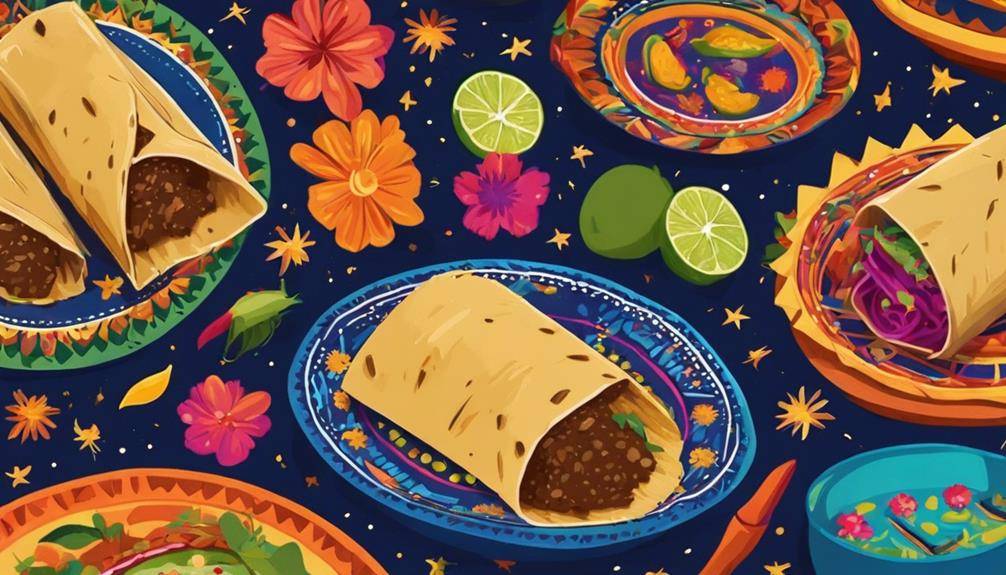
Mexican Cuisine’s Significance In Festive Celebrations: Mexican cuisine holds immense significance in festive celebrations, connecting you to history, culture, and community. Traditional dishes like tamales, pozole, and pan de muerto aren't just meals; they symbolize unity and remembrance, especially during Día de los Muertos and Christmas. When you gather with loved ones to prepare and enjoy these foods, you strengthen bonds and share stories that celebrate your heritage. Each festive gathering highlights the diverse regional flavors, adding richness to your culinary experience. Embracing these traditions is a way to honor the past while creating new memories, and there's more to explore.
Click Here and Turn Every Masterpiece into a Showstopper!
Historical Roots of Mexican Cuisine
Mexican cuisine is a vibrant tapestry woven from centuries of history and cultural influences. When you explore its roots, you'll find that ancient civilizations, like the Aztecs and Mayans, laid the groundwork for what we now recognize as traditional Mexican food. These civilizations cultivated staples such as corn, beans, and chili peppers, which remain integral to the culinary landscape today.
As you dig deeper into this culinary evolution, you'll see how the arrival of Spanish colonizers in the 16th century introduced new ingredients and cooking techniques. They brought with them spices, meats, and dairy products that blended seamlessly with indigenous foods. This fusion created dishes that reflect both the indigenous heritage and colonial influences, shaping a unique cuisine that's rich in flavor and history.
You might also notice that as time progressed, regional variations emerged, each boasting its own distinct flavors and preparations. For instance, the coastal areas embraced seafood, while the mountainous regions leaned heavily on hearty meats and vegetables. This diversity mirrors the geographic and cultural richness of Mexico itself.
Traditional Dishes for Celebrations
When you think of Mexican celebrations, iconic dishes instantly come to mind. From tamales to pozole, each dish brings its own unique ingredients and preparation methods that reflect the rich culinary heritage. Let's explore these traditional favorites that make every festive gathering unforgettable.
Iconic Festive Dishes
There's something magical about the vibrant flavors and rich traditions that come together in iconic festive dishes during celebrations. Each dish tells a story, infused with celebration symbolism that connects families and communities. For instance, tamales are a staple at gatherings, wrapped in corn husks and filled with savory or sweet ingredients. They symbolize unity, as families often come together to prepare them, sharing laughter and memories.
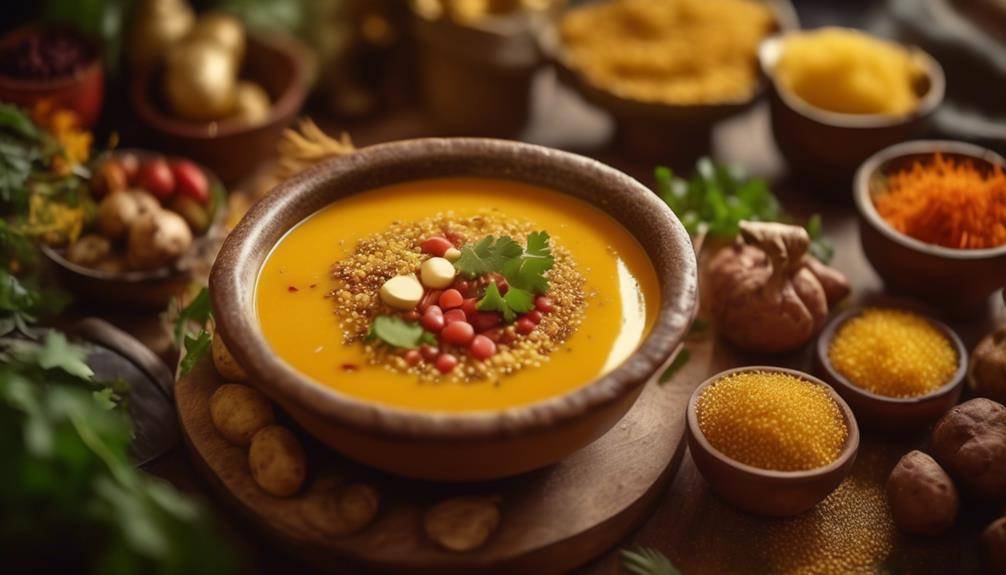
Another beloved dish is pozole, a hearty soup that's perfect for any festive occasion. It features hominy and meat, often garnished with radishes, cabbage, and lime. This dish not only offers festive flavors that dance on your palate but also serves as a centerpiece that brings everyone around the table.
Then there are the traditional sweets like pan de muerto, perfectly baked for Día de los Muertos. Its unique shape and sugar topping symbolize the joy of life and remembrance of loved ones. Each bite offers a taste of history and connection, making every celebration unforgettable. Embracing these iconic festive dishes enriches your gatherings, turning ordinary moments into cherished memories filled with cultural significance.
Ingredients and Preparations
Festive gatherings come alive with the vibrant ingredients and preparations that define traditional dishes. You'll find that seasonal ingredients play a vital role in creating authentic flavors. During celebrations, fresh chilies, ripe tomatoes, and fragrant herbs like cilantro and epazote are essential. You can enhance your dishes by sourcing local produce, ensuring that every bite is bursting with freshness.
When it comes to cooking techniques, you'll want to embrace methods that highlight these ingredients. Techniques like roasting, frying, and slow-cooking bring out the natural flavors of your chosen components. For example, preparing tamales involves a labor of love, as you mix masa with seasonal fillings like spiced meats or sweet fruits, then wrap them in corn husks and steam them to perfection.
Don't forget about the importance of spices, which add depth and character to your dishes. Cumin, oregano, and cinnamon are just a few staples that elevate your festive meals. By thoughtfully selecting your ingredients and employing traditional cooking methods, you'll create memorable dishes that truly celebrate Mexican culinary heritage during special occasions.
Dishes of Día De Los Muertos
When you celebrate Día de los Muertos, the dishes you prepare hold deep meaning and connection to your loved ones. Traditional offerings like pan de muerto and sugar skulls not only delight the senses but also honor those who've passed. Let's explore the popular dishes and the significant ingredients that make this celebration so special.
Traditional Offerings and Significance
Amid the vibrant celebrations of Día de los Muertos, traditional offerings take center stage, showcasing the rich tapestry of Mexican culture. You'll find that these offerings, known as ofrendas, are carefully crafted to honor deceased loved ones. Each component carries deep culinary symbolism that reflects the beliefs and values of the community.
As you explore the traditional rituals surrounding this celebration, you'll notice that specific foods play an essential role. Pan de muerto, a special bread, symbolizes the cycle of life and death, while sugar skulls represent the sweetness of life and the enduring nature of the spirit. Traditional drinks, like atole and agua de jamaica, are included to quench the thirst of the visiting souls.
These offerings aren't just about the food; they invite the spirits to return and reconnect with their families. You might also see fruits, candles, and marigolds, all integral to the altar. By partaking in these rituals, you're not only honoring the past but also celebrating the present, keeping the memory of your loved ones alive through the flavors and traditions that unite your community.
Popular Dishes and Ingredients
Día de los Muertos celebrates a variety of popular dishes and ingredients that reflect the essence of this vibrant holiday. You'll find an array of salsa varieties that add a burst of flavor to every meal, from zesty tomatillo to smoky chipotle. Tamale fillings range from savory meats to sweet fruits, making them a beloved staple during the festivities.
Mole sauces, rich and complex, are often poured over chicken or served alongside rice, showcasing the depth of Mexican culinary traditions. Different tortilla types, including corn and flour, serve as the perfect base for delicious street foods like tacos and quesadillas.
As you immerse yourself in the celebrations, don't forget to indulge in festive beverages like horchata or atole, which perfectly complement the savory dishes. For dessert, options like pan de muerto, a sweet bread adorned with sugar, and colorful sugar skulls are essential to the festivities. Finally, celebratory snacks like churros or fresh fruit add a delightful touch to your Día de los Muertos experience, making each bite a tribute to loved ones and the rich culture surrounding this special occasion.
Christmas Feasts and Customs
Christmas in Mexico is a vibrant tapestry of flavors and traditions, where festive feasts play a central role in the celebrations. During this time, families come together to prepare and enjoy a variety of traditional dishes, with Christmas tamales being a highlight. These delicious parcels, often filled with meats, cheeses, or sweet fillings, are wrapped in corn husks and steamed to perfection, symbolizing warmth and togetherness.
As you immerse yourself in the holiday traditions, you'll find that the preparation of these tamales isn't just about the food; it's a communal activity. Families gather to mix the masa, fill the tamales, and share stories, laughter, and love. It's a bonding experience that strengthens familial ties and honors cultural heritage.
Alongside tamales, you'll likely encounter rich posole, a hearty hominy soup, and various types of enchiladas that showcase the region's flavors. These dishes often grace the tables on Christmas Eve, creating a feast that reflects the spirit of the season.
In addition to the food, you'll notice that customs like the "nacimiento" (nativity scene) and "Las Posadas" play a significant role in the festivities. The combination of these culinary delights and cherished customs creates a unique atmosphere, embodying the essence of Christmas in Mexico. So, as you partake in these culinary experiences, you're not just enjoying food; you're celebrating a rich tapestry of history and community that defines the season.
Family Gatherings and Food Traditions
When you gather with family during festive celebrations in Mexico, the food traditions are just as important as the time spent together. Each dish tells a story, often passed down through generations, and it's these family recipes that create a sense of belonging and connection. You'll find that meals aren't just about nourishment; they're a celebration of heritage and love.
As the aroma of tamales, pozole, or mole fills the air, you can feel the anticipation building. Communal meals are a centerpiece of these gatherings, bringing everyone together around the table. You might take part in preparing the food, learning from your elders as they share their culinary secrets. There's something magical about chopping vegetables or rolling out dough while sharing laughter and memories.
During these special occasions, you'll notice how each family member contributes to the feast. Maybe your aunt makes her famous enchiladas, while your cousin brings a rejuvenating agua fresca. Everyone plays a role, and that shared effort fosters deeper connections among family members.
As you sit down to enjoy these lovingly prepared dishes, you realize how food transcends mere sustenance. It's a vessel for storytelling and bonding, reinforcing the ties that hold your family together. In these moments, you understand that the true essence of Mexican festive celebrations lies not only in the food but in the shared experiences and cherished traditions that accompany each meal.
Click Here and Turn Every Masterpiece into a Showstopper!
Regional Variations in Festive Foods
Across Mexico, festive foods reflect the diverse cultural tapestry of its regions, each bringing unique flavors and traditions to the table. From the spicy mole of Puebla to the vibrant tamales of Oaxaca, regional specialties showcase the culinary diversity that defines Mexican cuisine. During festive occasions, these dishes embody not only festive flavors but also the cultural significance tied to local customs.
In the north, you'll find hearty dishes like cabrito, often served during community gatherings, celebrating local traditions with family and friends. Meanwhile, the Yucatán Peninsula delights with cochinita pibil, a slow-roasted pork dish wrapped in banana leaves, highlighting seasonal ingredients that pay homage to ancient cooking techniques.
In central Mexico, the rich and filling pozole is a staple during celebrations, reflecting both cultural heritage and regional variations. Each region puts its own twist on this beloved dish, showcasing unique traditions and flavors.
As you explore these festive foods, you'll notice how they serve as a bridge between past and present, uniting generations and fostering a sense of belonging. The variety of dishes available during celebrations reminds everyone of the importance of local customs and the role they play in strengthening community bonds. With every bite, you're not just tasting food; you're experiencing a rich narrative of history, culture, and the joyous spirit of Mexican festivities.
The Role of Ingredients in Celebrations
Ingredients play a pivotal role in Mexican celebrations, bringing dishes to life with vibrant flavors and cultural significance. Each ingredient you choose carries its own symbolism, reflecting the rich traditions and beliefs of the community. For instance, corn represents sustenance and life, which is why you'll often find it in festive dishes like tamales or pozole during celebrations.
Seasonal availability also influences your ingredient choices. Depending on the time of year, certain fruits, vegetables, and spices take center stage, adding freshness and authenticity to your meals. For example, during the holiday season, you might notice the use of seasonal ingredients like pomegranates and squash, which not only enhance flavor but also connect your dishes to the time of year and its associated festivities.
When you prepare dishes for celebrations, you're not just cooking; you're also honoring the ingredients that hold meaning. By incorporating local produce and traditional staples, you create a culinary experience that resonates with your guests and reflects cultural heritage. Each bite tells a story, making the meal more than just food—it's a celebration of history and identity.
Cooking as a Means of Connection
In Mexican culture, cooking serves as an essential means of connection, weaving together family, friends, and traditions. You'll find that kitchen gatherings are more than just meals; they're vibrant events filled with laughter, stories, and the aroma of spices that remind you of your roots. When you step into a kitchen during a celebration, it's like entering a world where everyone plays a role, whether it's chopping vegetables, stirring a pot, or setting the table. Each person contributes to a collective experience that strengthens bonds and creates lasting memories.
Culinary storytelling is a vital element of these gatherings. As you cook, you share tales of your family's history, passed down through generations, often tied to specific recipes and dishes. You learn the significance of each ingredient, like how grandma always added a pinch of love and a dash of tradition to her mole. These stories aren't just about food; they're about identity, heritage, and the connections that form around the dinner table.
When you gather to cook, you're not just preparing a meal; you're engaging in a ritual that honors the past while looking forward to the future. Each dish becomes a narrative that reflects the values and experiences of your family. So, the next time you're in the kitchen with loved ones, remember that you're not just cooking—you're weaving together threads of connection that tie your family's story together.
Food and Cultural Identity
Food holds a mirror to cultural identity, reflecting the values, traditions, and history of a community. When you savor the rich flavors of Mexican cuisine, you're not just enjoying a meal; you're experiencing a deep connection to a vibrant cultural heritage. Every dish tells a story, revealing the intricate blend of indigenous ingredients and Spanish influences that shaped the culinary landscape.
Take mole, for instance. This complex sauce embodies the fusion of diverse ingredients, symbolizing the unity of various cultures. As you indulge in this savory dish, you're participating in a tradition that spans generations, connecting you to your ancestors and their customs. Each bite carries cultural symbolism, representing not just sustenance but also celebration and identity.
In festive celebrations, food plays a crucial role in expressing cultural pride. When you gather with loved ones over tamales or pan de muerto, you're not merely sharing a meal; you're reinforcing bonds and honoring the culinary heritage that defines your community. These dishes become the centerpiece of gatherings, sparking conversations and reminiscing about shared experiences.
Moreover, food acts as a vehicle for passing down traditions. By preparing family recipes, you keep the cultural flame alive, ensuring future generations understand their roots. In this way, Mexican cuisine transcends mere nourishment. It becomes a significant aspect of identity, uniting people through shared rituals, flavors, and memories. So, the next time you enjoy a festive meal, remember: you're partaking in a rich tapestry of culture and history.
Click Here and Turn Every Masterpiece into a Showstopper!
Frequently Asked Questions: Mexican Cuisine’s Significance In Festive Celebrations
What Beverages Are Commonly Served During Mexican Festive Celebrations?
During festive celebrations, you'll find traditional beverages like horchata and aguas frescas, alongside festive cocktails such as margaritas and palomas. These drinks not only refresh but also enhance the joyful atmosphere of the occasion.
How Do Modern Influences Alter Traditional Mexican Festive Foods?
Modern influences transform traditional Mexican festive foods by blending fusion flavors, making dishes more diverse. However, you can still enjoy the essence of cultural preservation by seeking authentic recipes that honor these rich culinary traditions.
Are There Any Health Considerations Related to Festive Mexican Dishes?
When enjoying festive Mexican dishes, you should consider nutritional balance. You can make ingredient substitutions, like using whole grains or reducing fats, to create healthier options while still savoring the vibrant flavors you love.
What Role Do Desserts Play in Mexican Festive Celebrations?
Desserts in festive celebrations showcase cultural symbolism, highlighting traditions and family connections. You'll enjoy various dessert variations, like flan and tres leches cake, that sweeten the festivities and bring everyone together in joyful moments.
How Do Mexican Festivals Incorporate Vegetarian or Vegan Options?
Mexican festivals often embrace plant-based traditions, showcasing vibrant vegetarian or vegan options. You'll find cultural adaptations like nopales tacos or mole made with nuts, ensuring everyone enjoys the rich flavors during celebrations.

Conclusion
Mexican cuisine is more than just food; it's a vibrant part of your festive celebrations. Each dish tells a story, connects you with your roots, and brings family together. Whether you're savoring traditional recipes during Día de los Muertos or sharing a Christmas feast, these culinary traditions shape your cultural identity. By embracing these flavors and customs, you're not just enjoying a meal; you're participating in a rich heritage that celebrates life, love, and remembrance.