12 Must-Try Italian Holiday And Festival Food Traditions
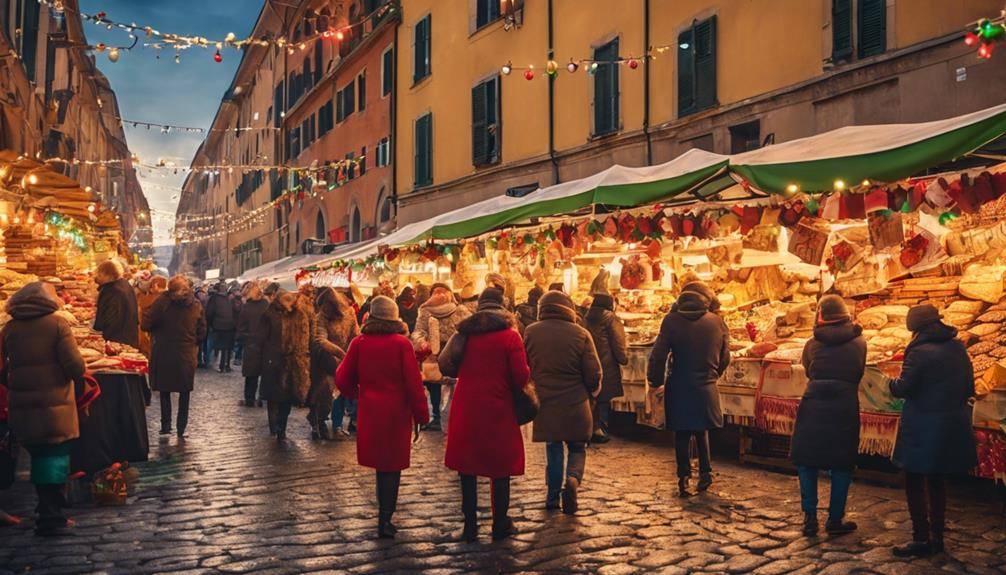
12 Must-Try Italian Holiday And Festival Food Traditions: You can't miss these 12 must-try Italian holiday and festival food traditions that truly celebrate heritage and togetherness. Indulge in panettone at Christmas, savor colomba pasquale for Easter, and enjoy the feast of the seven fishes on Christmas Eve. Don't forget carnival's chiacchiere or the heartwarming roasted chestnuts on St. Martin's Day. Sagra di San Giuseppe and regional street food festivals showcase local flavors. Embrace pizza di pasqua to shift from Lent or enjoy gnocchi on New Year's Day. Each bite tells a story, and there's so much more to discover.
Click Here and Turn Every Masterpiece into a Showstopper!
Panettone at Christmas
When the holiday season rolls around in Italy, you'll likely find panettone stealing the spotlight on festive tables. This traditional sweet bread, with its rich history dating back to the 15th century, has become a symbol of Christmas in Italian culture. Its origins are often traced to Milan, where it was initially created as a luxurious treat for the nobility. Over the centuries, panettone has evolved, and today, you can find numerous panettone varieties that cater to diverse tastes.
One of the most popular panettone varieties is the classic version, filled with candied fruits and sultanas. However, you'll also discover gourmet options, like chocolate-filled panettone or those flavored with pistachio. Each bakery adds its unique twist, making the experience of tasting panettone a delightful adventure.
As you indulge in this festive treat, you'll appreciate the craftsmanship that goes into making it. The dough undergoes a lengthy fermentation process, often taking days to achieve that light, fluffy texture. This dedication to quality is part of what makes panettone so special during the holiday season.
Whether you enjoy it plain, paired with a glass of sweet wine, or as part of a dessert spread, panettone truly embodies the spirit of Italian Christmas celebrations. So, when you sit down to your holiday meal, be sure to save room for a slice of this iconic pastry, and savor the flavors and history it brings to your table.
Colomba Pasquale for Easter
Celebrating Easter in Italy often means enjoying colomba pasquale, a delightful dove-shaped cake that symbolizes peace and resurrection. This traditional dessert is a staple during the Easter season, embodying the joy and renewal associated with the holiday. As you participate in Easter traditions, you'll find that colomba pasquale takes center stage on many festive tables.
The cake's origins date back to ancient times, but today, it's a beloved symbol of Italian Easter celebrations. Made with a rich, fluffy dough, colomba is typically flavored with candied orange peel and topped with a crunchy almond glaze. You might be surprised to discover the various colomba variations available. Some bakers add chocolate or cream fillings, while others incorporate dried fruits to create unique flavor profiles.
When you slice into a colomba, its light texture and sweet aroma are sure to impress. Sharing this cake with family and friends enhances the spirit of togetherness that Easter brings. Whether you're enjoying a classic version or a creative twist, each bite invites you to savor the rich culinary heritage of Italy.
As you indulge in colomba pasquale, you're not just treating yourself to a delicious dessert; you're also partaking in a cherished cultural tradition that celebrates the essence of Easter. So, don't hesitate to embrace this delightful cake as you create your own holiday memories.
Sagra Di San Giuseppe
In the heart of Italy, the Sagra di San Giuseppe brings communities together to honor St. Joseph, the patron saint of workers and fathers. This vibrant festival, typically celebrated on March 19th, showcases the rich sagra history that dates back centuries. You'll find towns adorned with colorful decorations, and locals participating in lively processions, all while celebrating their cultural heritage.
One of the highlights of the Sagra di San Giuseppe is the incredible array of local dishes that take center stage. You'll want to try the classic zeppole, which are delicious cream-filled pastries topped with powdered sugar and sometimes a cherry on top. They symbolize the sweet blessings of St. Joseph and are a must-have during the festivities.
As you explore the festival, you'll also encounter other traditional dishes, such as pasta with sardines and various seasonal vegetables, which reflect the region's agricultural bounty. These local dishes not only tantalize your taste buds but also tell the story of the land and the people who celebrate their heritage with pride.
Participating in the Sagra di San Giuseppe is more than just enjoying food; it's about connecting with a community and experiencing the warmth of Italian culture. So, whether you're savoring a bite of zeppole or mingling with locals, you'll feel the spirit of St. Joseph and the joy that comes with this beloved celebration. Don't miss out on this fantastic opportunity to immerse yourself in Italian traditions!
Feast of the Seven Fishes
When you think about Italian holiday traditions, the Feast of the Seven Fishes stands out with its rich origins and cultural significance. As you explore this celebration, you'll discover a variety of traditional dishes that highlight the flavors of the sea. Let's uncover what makes this feast such a cherished part of Italian Christmas Eve.
Origins and Significance
The Feast of the Seven Fishes, a cherished Italian-American tradition, finds its roots in the Catholic practice of abstaining from meat on Christmas Eve. This celebration reflects not just a religious observance but also a rich cultural heritage that Italian immigrants brought to the United States. As you gather with family and friends, you're partaking in a ritual that honors faith, community, and the culinary delights of Italian food.
The significance of this feast lies in its symbolism. Each fish represents a different aspect of the holiday season, reflecting themes of abundance and spiritual preparation for Christmas. You'll notice different regions of Italy have their own variations, showcasing the diversity of Italian cuisine. The tradition encourages you to connect with your ancestry, celebrating the flavors and techniques handed down through generations.
Participating in the Feast of the Seven Fishes is about more than just enjoying a meal; it's a way to preserve and share an essential part of Italian culture. As you savor each dish, you're not only honoring your heritage but also creating new memories that will be cherished for years to come.
Traditional Dishes Included
For many families, the Feast of the Seven Fishes features a delightful array of seafood dishes, each contributing to the celebration. This traditional Italian Christmas Eve meal showcases regional specialties that vary from household to household. You might find fried calamari, succulent shrimp scampi, or even a rich seafood stew on the table, each dish bringing its own unique flavor and story.
You can also expect to enjoy baccalà, or salted cod, in various preparations, highlighting the creativity of Italian cooking. Clams and mussels may appear, often served with pasta or as part of a flavorful broth. The diversity of seafood reflects the coastal regions of Italy, where families have relied on the ocean's bounty for generations.
To enhance the festive atmosphere, don't forget to pair these dishes with traditional festive beverages. A crisp white wine or a sparkling Prosecco can complement the seafood beautifully, while some families might serve a rich, spiced mulled wine to warm up the evening. The Feast of the Seven Fishes is not just a meal; it's a cherished gathering that brings loved ones together, celebrating both heritage and flavors.
Carnival's Chiacchiere
When Carnival rolls around, you can't miss the delightful chiacchiere. These crispy, sweet treats have a rich history tied to Italian celebrations, and mastering their preparation can elevate your festivities. Let's explore how to make them and the significance they hold in Italian culture.
Historical Significance of Chiacchiere
Chiacchiere, those delightful crispy treats, come alive during Carnival, embodying a rich tapestry of Italian tradition and history. Originating from ancient Roman festivities, chiacchiere have evolved, reflecting regional nuances and cultural influences. You might be surprised to learn that their name translates to "chatter," symbolizing the joyful social interactions typical during Carnival celebrations.
As you explore chiacchiere history, you'll find that these pastries were traditionally prepared to celebrate the end of winter and the start of spring. Communities would gather, sharing laughter and stories while indulging in these sweet, fried delights. Over time, chiacchiere variations emerged, differing in shape, thickness, and even flavor.
In Naples, for example, you might encounter ricotta-filled versions, while other regions might favor a dusting of cocoa or citrus zest. Each variation tells a story, connecting you to the local customs and the diverse Italian culture. Whether you enjoy them plain or with a twist, chiacchiere remind you of the importance of togetherness and celebration during Carnival. So, next time you savor these treats, you'll appreciate their historical significance and the joy they bring to this festive season.
Preparation and Serving Tips
Creating your own chiacchiere at home can be a rewarding experience that enhances your Carnival celebrations. To start, gather your ingredients: flour, eggs, sugar, and a hint of lemon zest. The key cooking techniques involve mixing the dough until it's smooth and elastic, then rolling it out thinly. Use a sharp knife or a pasta cutter to create strips, making sure to cut them into fun shapes. Fry the strips in hot oil until they puff up and turn golden brown. Don't skip the dusting of powdered sugar; it's what makes chiacchiere irresistible!
When it comes to serving etiquette, presentation matters. Arrange the chiacchiere on a decorative platter, and feel free to add some festive touches, like confetti or colorful napkins, to highlight the Carnival spirit. You can also serve them alongside a selection of dipping sauces or fruit preserves to elevate the experience. Remember to encourage your guests to indulge and enjoy the crispy treats as they celebrate. With these preparation and serving tips, your homemade chiacchiere will surely impress everyone at your Carnival gathering!
Ferragosto's Grilled Specialties
The joy of Ferragosto is often celebrated with sizzling grills and mouthwatering dishes that bring families together. This Italian holiday, marking the peak of summer, invites you to fire up the barbecue and indulge in grilled specialties that reflect the season's bounty. You'll want to gather your loved ones for a memorable outdoor feast.
Start with a selection of grilled vegetables, like zucchini, eggplant, and bell peppers. Marinating them in olive oil, garlic, and herbs enhances their natural flavors, making each bite a delight. The vibrant colors and smoky aroma will set the perfect scene for your summer barbecues.
Next, consider marinated meats such as chicken, lamb, or pork. A simple marinade of lemon juice, rosemary, and chili flakes can transform ordinary cuts into flavorful masterpieces. As they grill to perfection, the tantalizing scents will have everyone enthusiastically awaiting the feast.
Don't forget about traditional Italian sausages! Grilling these juicy links brings out their rich flavors, and they pair beautifully with crusty bread and a drizzle of spicy olive oil. You can even make skewers with a mix of meats and vegetables for a fun, hands-on dining experience.
As you celebrate Ferragosto, take the time to savor the company of family and friends while enjoying these grilled specialties. Each bite embodies the essence of summer, making your holiday truly unforgettable. So fire up that grill and enjoy a day filled with laughter, delicious food, and cherished memories.
Click Here and Turn Every Masterpiece into a Showstopper!
Frittelle Di Riso for Carnival
As Carnival approaches, you'll want to treat your taste buds to Frittelle Di Riso, a delightful rice fritter that captures the festive spirit of this Italian celebration. Originating from the Venetian Carnival, these fritters have a rich carnival history, offering a sweet, warm indulgence that locals and visitors alike crave during this vibrant season.
Frittelle Di Riso are made from cooked rice, eggs, milk, sugar, and flour, creating a batter that's both creamy and crispy when fried. The delightful texture pairs perfectly with a dusting of powdered sugar, making each bite a crunchy, sweet treat. You'll find various frittelle variations across Italy, each region adding its unique twist. Some might incorporate raisins, orange zest, or even a splash of rum, enhancing the flavor and making these fritters even more irresistible.
Traditionally served during Carnival, Frittelle Di Riso symbolize the joy and indulgence of this festive time, as people prepare for Lent by indulging in sweet treats. As you savor these tasty morsels, you'll be partaking in a tradition that dates back centuries, celebrating the spirit of togetherness and merriment.
Whether you're enjoying them at a local festival or trying your hand at making them at home, Frittelle Di Riso is a must-try that will elevate your Carnival experience. So, roll up your sleeves and immerse yourself in this delicious Italian tradition; your taste buds will thank you!
La Befana's Sweet Treats
When you think of La Befana, you can't miss the sweet treats that celebrate this beloved figure. From sugary coal to delightful cookies, these traditional goodies play a big role in the festivities. You'll discover how these treats are not just delicious but also steeped in rich customs that bring families together.
Traditional La Befana Treats
In Italy, families gear up for La Befana by indulging in a variety of delicious treats that celebrate this beloved holiday figure. Central to Befana folklore is the tradition of sweet offerings, which you'll find in every home during the Epiphany celebrations on January 6th. One of the most popular treats is the "carbone" or coal candy—blackened sugar resembling coal, traditionally given to children who've been naughty.
You can't forget about "struffoli," tiny fried dough balls coated in honey and colorful sprinkles, which symbolize the sweetness of life. Another festive favorite is the "panettone," a rich, yeasted cake filled with candied fruits and nuts, perfect for sharing.
Families also prepare "biscotti" and various cookies, often shaped like stars or other festive symbols. These sweet treats not only satisfy your taste buds but also embody the spirit of giving and sharing during this special time. As you enjoy these traditional La Befana treats, you'll feel the warmth of Italian culture and the joy of celebrating one of its most cherished festive traditions. So grab a plate and indulge in the magic of La Befana!
Sweet Celebrations and Customs
La Befana's sweet treats turn the Epiphany into a joyous celebration filled with flavors and traditions. You'll find an array of festive desserts that capture the essence of Italian candy traditions. From chocolate-coated fruits to colorful, sugary treats, every bite brings back cherished childhood memories. During family gatherings, these holiday pastries become the centerpiece, inviting everyone to share in the sweet rituals of the season.
Each region in Italy boasts its own unique variations, adding to the cultural significance of La Befana's offerings. Traditional recipes are passed down through generations, ensuring that the warmth of these seasonal celebrations is never lost. As you indulge in panettone or struffoli, you'll appreciate how these sweets reflect the heart of Italian heritage.
Participating in these sweet customs not only satisfies your taste buds but also strengthens family bonds. You'll find that every treat has a story, making your experience richer. So, whether you're baking at home or enjoying local specialties, remember that La Befana's sweet treats are more than just desserts—they're a delicious way to celebrate and create lasting memories.
St. Martin's Day Chestnuts
As autumn deepens, the celebration of St. Martin's Day brings a delightful tradition centered around chestnuts. In Italy, this day, celebrated on November 11th, marks the beginning of the chestnut season, and you'll find people gathering to indulge in the warmth and comfort of roasted chestnuts. The smell of chestnut roasting wafts through the air, drawing you into the spirit of the season.
During autumn gatherings, friends and family come together to enjoy this simple yet satisfying treat. You might find street vendors selling hot, roasted chestnuts, their crispy shells hiding the soft, sweet nut inside. It's customary to eat them warm, often paired with a glass of new wine, which adds to the festive atmosphere.
As you partake in chestnut roasting, you'll discover that these nuts are not just a seasonal snack; they embody the essence of St. Martin's Day. The act of roasting chestnuts can be a communal experience, whether you're around a fire pit in your backyard or at a local festival. Each bite transports you back to childhood memories of family gatherings and the joy of sharing good food.
Lent and Pizza Di Pasqua
The end of Lent brings a feast that's both joyous and meaningful, particularly with the celebration of Pizza Di Pasqua. This delicious Easter bread, originating from central Italy, symbolizes the shift from Lenten fasting to Easter feasting. As you gather with family and friends, you'll find this unique bread at the heart of your celebration.
Pizza Di Pasqua is a savory bread made with a rich dough that often includes eggs, cheese, and various cured meats. It's typically baked in a round shape, representing unity and the circle of life. As you slice into this bread, the fragrant aroma fills the room, signaling the joy of Easter and the end of the Lenten season.
Traditionally, families prepare Pizza Di Pasqua on Holy Saturday, allowing them to enjoy it fresh on Easter Sunday. You might notice the bread's distinctive flavor, which comes from the combination of ingredients that reflect the abundance of life and the festive spirit of the holiday.
As you gather around the table, sharing stories and laughter, Pizza Di Pasqua serves as a reminder of the sacrifices made during Lent and the joy of renewal. Each bite carries a sense of history and tradition, connecting you to generations before you. So, make sure to include Pizza Di Pasqua in your Easter celebration; it's more than just a dish—it's a cherished tradition that enhances the meaning of the holiday.
Gnocchi on New Year's Day
On New Year's Day, enjoying gnocchi is a beloved Italian tradition that many families enthusiastically embrace. This comforting dish symbolizes good luck and prosperity for the year ahead. As you gather with loved ones, you can't help but feel the warmth of family traditions that have been passed down through generations.
Preparing gnocchi is an art, and each family has their own cherished gnocchi recipes. You might find your grandma's secret ingredient that makes her gnocchi extra special, or maybe you'll try a contemporary twist, like incorporating spinach or beetroot for vibrant colors. Regardless of the recipe, the process of making gnocchi together becomes a joyful occasion, filled with laughter and shared memories.
As you roll the dough, cut the pieces, and create those signature grooves with a fork, you're not just cooking; you're participating in a time-honored ritual that strengthens your family bonds. Each bite of soft, pillowy gnocchi reflects the love and care that went into its making.
On this day, it's common to pair your gnocchi with rich sauces, perhaps a classic tomato sauce or a creamy gorgonzola. No matter how you choose to serve it, the act of sharing this dish with family is what truly matters. So, as you enjoy your gnocchi on New Year's Day, you're not only savoring a delicious meal but also honoring a beautiful Italian tradition that brings everyone together.
Regional Street Food Festivals
After celebrating New Year's Day with comforting gnocchi, your culinary adventure can continue at regional street food festivals across Italy. These vibrant festivals showcase a diverse array of local specialties, allowing you to savor the unique flavors of each region. From the rich, savory arancini in Sicily to the delicate, sweet zeppole in Naples, there's something to tantalize every palate.
As you wander through the bustling streets, you'll notice how cultural influences shape each dish. For instance, the melting pot of flavors in Liguria reflects its maritime history, featuring fresh seafood combined with aromatic herbs. Meanwhile, in Emilia-Romagna, the influence of neighboring countries is evident in dishes like tortellini and piadina, which have become beloved staples.
At these festivals, you'll also find friendly vendors enthusiastic to share their culinary heritage. Don't hesitate to ask them about their recipes; they're often happy to share stories behind their creations. You might even discover innovative twists on traditional dishes, as chefs experiment with new techniques while respecting their roots.
As you indulge in street bites, take note of the sense of community that permeates these events. Locals gather to celebrate their heritage, and you'll feel like part of the family as you share in their food traditions. Each festival is an invitation to explore Italy's rich tapestry of flavors, making your culinary journey unforgettable. So grab a plate and dig in; Italy's street food festivals are waiting for you!
Click Here and Turn Every Masterpiece into a Showstopper!
Frequently Asked Questions: 12 Must-Try Italian Holiday And Festival Food Traditions
What Are the Origins of Italian Holiday Food Traditions?
Italian holiday food traditions stem from deep cultural influences and historical significance. You'll find regional ingredients and ancient customs blend, creating unique dishes that celebrate family, faith, and the rich tapestry of Italy's culinary heritage.
How Are Italian Holiday Foods Typically Prepared and Served?
Italian holiday foods are typically prepared with love, using family recipes passed down through generations. You'll find vibrant flavors in festive feasts, where family gatherings become joyous occasions filled with laughter, sharing, and delicious dishes.
Are There Vegetarian Options for Traditional Holiday Dishes?
Yes, you'll find plenty of vegetarian alternatives during the holidays. Many traditional dishes can be adapted, featuring festive flavors like roasted vegetables, rich sauces, and hearty grains, ensuring everyone can enjoy a delightful meal together.
What Is the Significance of Food in Italian Holiday Celebrations?
In Italian holiday celebrations, food plays an essential role, symbolizing love and togetherness. You'll find family gatherings filled with traditional dishes, as festive rituals create cherished memories, strengthening bonds and honoring cultural heritage through shared meals.
How Do Regional Variations Affect Holiday Food Traditions in Italy?
Regional variations shape your holiday food traditions in Italy. You'll discover unique regional specialties and festive ingredients that reflect local culture, climate, and history, making each celebration a distinct culinary experience worth savoring.

Conclusion
Embracing Italy's holiday and festival food traditions is a delicious way to celebrate culture and community. From the sweet richness of panettone at Christmas to the festive flavors of the Feast of the Seven Fishes, each dish tells a story. Don't miss out on the joy of trying these unique foods, whether you're attending a local festival or gathering with family. Immerse yourself in these culinary delights and savor the true essence of Italian celebrations!