Why Are Traditional Nordic Christmas Recipes So Special
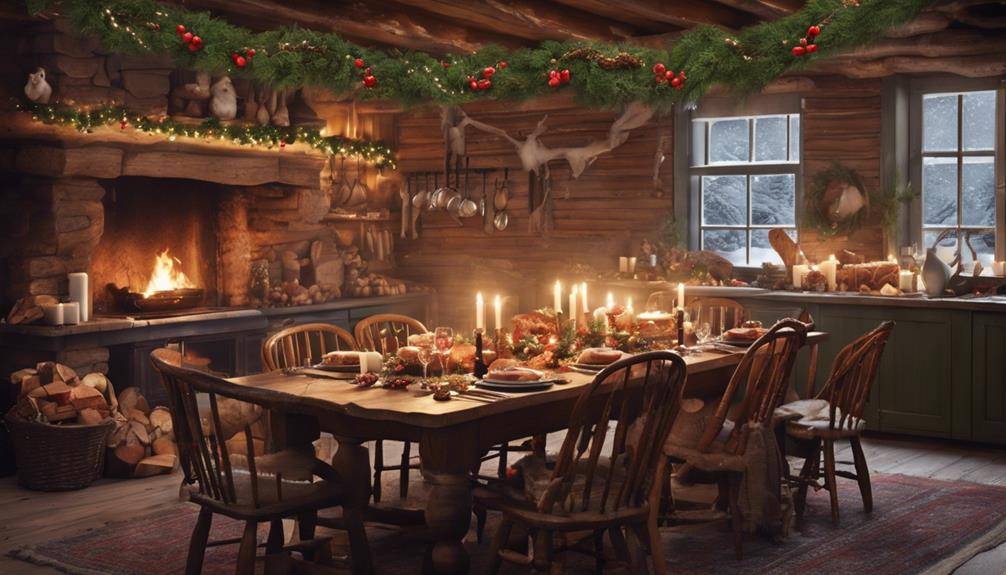
Why Are Traditional Nordic Christmas Recipes So Special: Traditional Nordic Christmas recipes are special because they blend rich history, unique ingredients, and cherished family traditions. You'll find dishes reflecting the harsh climates and agricultural practices of Northern Europe, using seasonal produce and local meats like elk and reindeer. Flavors are balanced with warming spices, while techniques like pickling and slow cooking enhance authenticity. These recipes serve as a connection to cultural heritage, often passed down through generations. Each meal brings families together, celebrating unity and shared memories. Explore further, and you'll discover even more about the traditions and flavors that make these recipes truly extraordinary.
Click Here and Turn Every Masterpiece into a Showstopper!
Historical Roots of Nordic Cuisine
When you think of Nordic cuisine, it's easy to overlook its rich historical roots. This culinary tradition has been shaped by centuries of cultural exchanges, agricultural practices, and environmental factors. The harsh climates of the Nordic countries led to innovative cooking methods and a reliance on preservation techniques, which have become foundational elements of the cuisine you enjoy today.
Regional variations play a significant role in defining Nordic food. Each country—Denmark, Norway, Sweden, Finland, and Iceland—has its unique dishes influenced by local ingredients, traditions, and even neighboring cultures. For instance, coastal areas often focus on seafood, while inland regions emphasize meat and dairy products. You might discover that a traditional dish from Sweden, like gravlax, differs slightly from its Norwegian counterpart, showcasing how regional ingredients and customs shape flavors.
Seasonal influences also heavily affect Nordic cuisine. The long winters limit the availability of fresh produce, pushing people to rely on root vegetables, preserved meats, and fermented foods. In contrast, summer brings an abundance of fresh berries, herbs, and greens, which you'll find incorporated into dishes during festive occasions. This connection to the seasons not only enriches the flavors but also fosters a deep appreciation for nature's cycles. By understanding these historical roots, you'll gain a greater appreciation for the traditional Nordic Christmas recipes, which reflect a blend of past and present culinary practices.
Unique Ingredients and Flavors
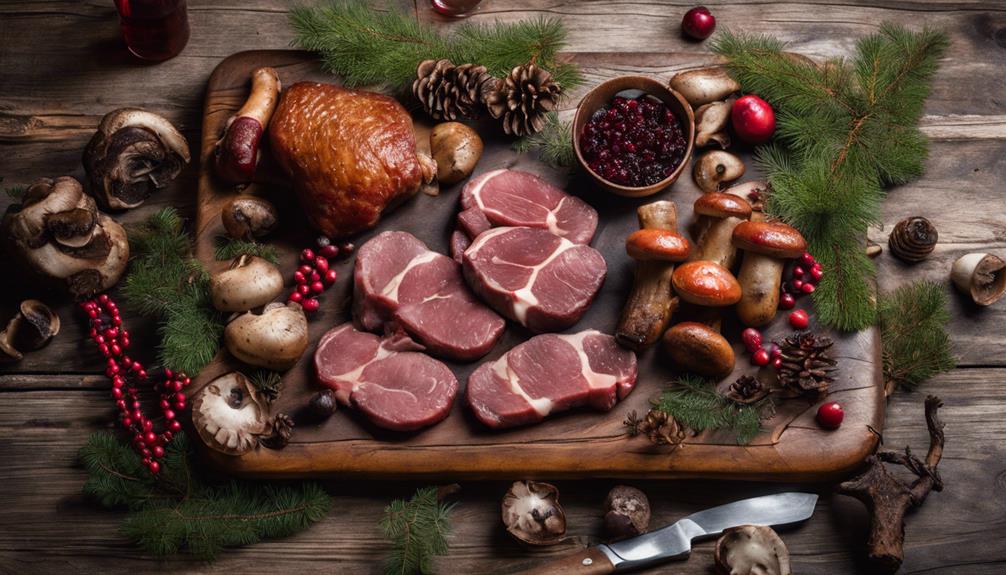
Nordic cuisine boasts a distinctive palette of unique ingredients and flavors that reflect its natural landscape and cultural heritage. When you immerse yourself in traditional Nordic Christmas recipes, you'll find a delightful mix of foraged ingredients and seasonal flavors that elevate each dish. The region's cold climate influences what you can forage, leading to a focus on hardy, resilient ingredients like mushrooms, berries, and herbs.
Foraging plays a vital role in Nordic cooking. You might come across ingredients like lingonberries or cloudberries, bursting with tartness, that add vibrant notes to festive dishes. These foraged gems are often used in jams or sauces, enhancing savory meals and providing a touch of sweetness that contrasts beautifully with richer flavors.
Seasonal flavors are equally important during the holiday season. Root vegetables, such as carrots and potatoes, take center stage, roasted to perfection or mashed into creamy sides. Fish, often preserved or cured, showcases the bounty of the sea, while spices like cinnamon and cardamom bring warmth and comfort to desserts and baked goods.
Incorporating these unique ingredients and flavors transforms your Christmas feast into a celebration of Nordic traditions. Each bite tells a story of the land and the seasons, reminding you of the deep-rooted connection between food and culture. So, as you prepare your holiday meals, embrace these distinctive elements that make Nordic Christmas recipes truly special.
Traditional Cooking Techniques
Cooking techniques passed down through generations play an essential role in crafting authentic Nordic Christmas dishes. When you engage with these culinary traditions, you'll discover the significance of fermentation methods and slow cooking that elevate these recipes beyond the ordinary. Fermentation, for instance, isn't just a technique; it's a way of preserving ingredients and enhancing flavors. Think of traditional dishes like sauerkraut or pickled herring, where the tangy notes contribute depth and complexity to the meal.
Slow cooking is another hallmark of Nordic cuisine, allowing flavors to meld and develop over time. When you prepare a hearty stew or roast, patience is key. By letting the ingredients simmer gently, you'll create a dish that's rich and comforting, perfect for festive gatherings. This technique honors the simple yet robust ingredients typical of Nordic cooking, making each bite a celebration of the season.
Incorporating these methods into your holiday preparations connects you with the past, as you embrace the rhythms of nature and the changing seasons. You'll find that the time spent in the kitchen, whether fermenting or slow cooking, fosters a sense of community and warmth. These techniques aren't just about cooking; they're about crafting memories and sharing joy with loved ones. So, as you begin your culinary journey this Christmas, remember that each method has a story, and you're now a part of that ongoing tradition.
Click Here and Turn Every Masterpiece into a Showstopper!
Cultural Significance of Festive Dishes
Festive dishes hold deep cultural significance in the Nordic region, embodying traditions that have shaped communities for centuries. When you gather around the table during the holiday season, you're not just sharing a meal; you're participating in a rich tapestry of festive symbolism that connects you to your ancestors. Each dish reflects the agricultural cycles, seasonal changes, and local ingredients that have defined Nordic culinary practices over time.
These festive recipes often serve as a bridge between generations, carrying stories and memories that resonate with everyone at the table. For example, dishes like lutefisk or ribbe aren't just food; they represent cherished customs that have been passed down, reminding you of the importance of family and community. When you serve these traditional meals, you honor the past while creating new memories with loved ones.
Moreover, communal gatherings during the holiday season highlight the spirit of togetherness that is essential to Nordic culture. Sharing a feast fosters a sense of belonging and strengthens social bonds. This act of coming together over food not only celebrates the flavors of the season but also reinforces the values of unity and gratitude.
As you enjoy these festive dishes, remember that they carry a deeper meaning beyond taste. They embody the history, resilience, and warmth of Nordic communities, making each bite a connection to a vibrant cultural heritage. Embrace this culinary journey, and let it enrich your holiday experience.
Family Traditions and Celebrations
During the holiday season, families across the Nordic countries come together to celebrate cherished traditions that have been passed down through generations. These family gatherings are filled with warmth, laughter, and a sense of belonging that makes the festive season truly magical. You'll find that every family has its unique holiday rituals, yet many share common elements that highlight the importance of togetherness.
Food plays a central role in these celebrations. As you prepare traditional dishes like roasted pork, pickled herring, or spiced gingerbread cookies, you'll likely hear stories from older generations about how these recipes became staples in your family's Christmas feast. The act of cooking together not only strengthens bonds but also allows you to connect with your heritage.
Another significant aspect of Nordic Christmas traditions is the emphasis on creating a festive atmosphere. You might gather around the table, adorned with candles and decorations, to sing carols or exchange gifts. These moments foster a deep sense of community and remind everyone of the values of love, generosity, and gratitude.
As you partake in these holiday rituals, remember that they're not just about the food or the decorations; they're about the connections you forge and the memories you create with your family. Embrace these traditions, and you'll find that they enrich your holiday experience, making each Christmas a celebration of love and togetherness that you'll cherish for years to come.
Click Here and Turn Every Masterpiece into a Showstopper!
Frequently Asked Questions: Why Are Traditional Nordic Christmas Recipes So Special
What Are Some Common Desserts in Nordic Christmas Traditions?
In Nordic Christmas traditions, you'll find delightful desserts like gingerbread houses, intricately decorated and sweet. Don't forget saffron buns, their golden hue and rich flavor making them a festive favorite during the holiday season.
How Do Nordic Christmas Recipes Vary by Country?
Nordic Christmas recipes vary by country, reflecting cultural significance and regional variations. You'll find unique ingredients and cooking methods, like Sweden's gingerbread and Finland's rice porridge, each dish telling a story of tradition and celebration.
Are There Vegetarian Options in Traditional Nordic Christmas Meals?
Yes, there are vegetarian options in traditional Nordic Christmas meals. You can easily make vegetarian substitutions, bringing festive flavors to dishes like mushroom-based gravies or root vegetable casseroles that everyone will enjoy during the holiday season.
What Beverages Are Typically Served During Nordic Christmas Celebrations?
During Nordic Christmas celebrations, you'll enjoy glögg variations, a warm spiced wine, and festive aquavit, a flavored spirit. Both beverages create a cozy atmosphere, perfect for toasting to the season's joy and togetherness.
How Have Modern Influences Changed Nordic Christmas Recipes?
Modern influences have introduced fusion flavors and ingredient substitutions into Nordic Christmas recipes. You'll notice spices and ingredients from various cultures, making traditional dishes more diverse and exciting while still retaining their festive charm.

Conclusion
To sum up, traditional Nordic Christmas recipes hold a special place in our hearts due to their rich history, unique flavors, and cultural significance. These dishes aren't just about nourishment; they connect us to our ancestors and strengthen family bonds during the festive season. By embracing these culinary traditions, you can create cherished memories and celebrate the warmth of togetherness. So, gather your loved ones, cook up some classic recipes, and savor the magic of Nordic Christmas festivities!