The 3 Best Nutritional Benefits Of Ethiopian Cuisine
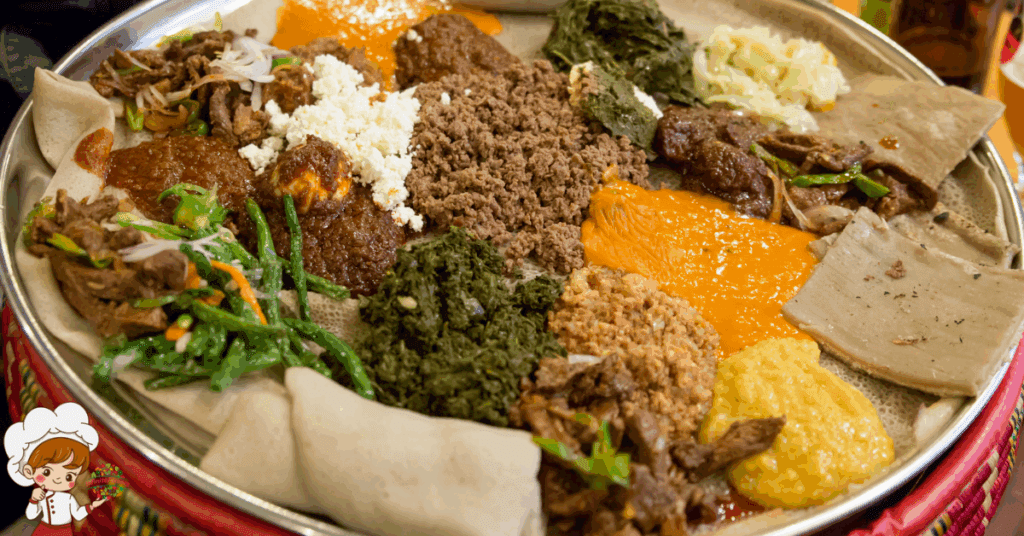
Nutritional Benefits Of Ethiopian Cuisine; Ethiopian cuisine provides you with impressive nutritional benefits. First, it’s rich in plant-based proteins, thanks to lentils and injera made from teff flour, which enhance digestion and nutrient absorption. Second, you’ll find an abundance of vitamins and minerals, with dishes packed with calcium, iron, and B vitamins from ingredients like leafy greens and chickpeas. Finally, the cuisine features anti-inflammatory spices like turmeric and berbere, which can help reduce inflammation and improve overall health. If you’re curious about how these benefits can fit into your meals, there’s plenty more to discover!
Rich in Plant-Based Proteins
When it comes to healthy eating, Ethiopian cuisine stands out for its rich sources of plant-based proteins. One of the most delightful aspects of this cuisine is the variety of lentil dishes available, which are both nutritious and satisfying. Lentils are packed with protein and fiber, making them an excellent choice for anyone looking to enhance their diet. You’ll find lentil stews, such as misir wot, bursting with flavor from spices like berbere. These dishes not only provide a hearty meal but also promote muscle maintenance and overall health.
Pairing these lentil dishes with traditional injera, a fermented flatbread made from teff flour, creates a complete meal. Injera is not just a delicious way to enjoy your food; it’s also a source of protein and essential amino acids. The unique fermentation process makes injera easier to digest, allowing your body to absorb the nutrients more effectively.
In Ethiopian cuisine, you can easily create a balanced diet by combining different plant-based proteins. Enjoying a variety of lentil dishes alongside injera guarantees you’re getting a wide range of nutrients. Plus, the communal way of eating, where you share large platters of food, makes mealtime a joyous experience. So, if you’re aiming to incorporate more plant-based proteins into your diet, exploring Ethiopian cuisine is a fantastic way to do it. You’ll not only relish the rich flavors but also nourish your body in the process.
Abundant in Vitamins and Minerals
Ethiopian cuisine doesn’t just shine with plant-based proteins; it also offers a wealth of vitamins and minerals that support overall health. When you immerse yourself in this vibrant culinary tradition, you’re not just enjoying delicious flavors; you’re also benefiting from its impressive nutrient density. The traditional ingredients used in Ethiopian dishes, such as lentils, chickpeas, and various vegetables, are packed with essential vitamins and minerals.
For instance, injera, the staple flatbread made from teff, is rich in calcium, iron, and B vitamins. Teff’s nutrient density makes it a fantastic choice for those looking to boost their dietary intake of these essential nutrients. Additionally, the abundant use of leafy greens, like collard greens and kale, in dishes such as gomen provides an excellent source of vitamins A, C, and K.
Moreover, when you savor dishes like misir wot, a spicy lentil stew, you’re not only enjoying the flavors but also benefiting from iron and protein that are critical for energy and overall well-being. The combination of spices and vegetables in Ethiopian meals helps enhance the absorption of these nutrients, making every bite count.
Incorporating Ethiopian cuisine into your diet can be a delicious way to guarantee you’re getting a diverse range of vitamins and minerals. So, next time you enjoy a meal inspired by this rich culture, know that you’re nourishing your body with some of nature’s best offerings.
Anti-Inflammatory Spices and Herbs
Spices and herbs play an essential role in Ethiopian cuisine, offering not just flavor but also anti-inflammatory benefits that can enhance your health. One of the standout ingredients is turmeric, known for its potent anti-inflammatory properties. Turmeric benefits come from its active compound, curcumin, which has been linked to reducing inflammation and may help with conditions like arthritis and digestive issues. Incorporating turmeric into your meals can be as simple as adding it to stews or dishes like doro wat, a spicy chicken stew.
Another key player in Ethiopian cooking is the berbere blend, a vibrant spice mix that typically includes chili peppers, garlic, ginger, and additional spices. This blend not only adds a rich depth of flavor but also boasts anti-inflammatory properties. The ingredients in berbere can help combat inflammation while enhancing your dishes. For example, the chili peppers contain capsaicin, which has been shown to reduce inflammation and pain.
Frequently Asked Questions: Nutritional Benefits Of Ethiopian Cuisine
Are Ethiopian Dishes Suitable for Gluten-Free Diets?
Yes, Ethiopian dishes can suit gluten-free diets. You’ll find options like teff and other Ethiopian grains, which are naturally gluten-free. Just make sure to choose the right dishes and gluten-free alternatives when dining out.
How Can I Incorporate Ethiopian Cuisine Into Meal Prep?
To incorporate Ethiopian cuisine into meal prep, try different injera variations and experiment with spice blends like berbere. Prepare stews and vegetables in advance, making it easy to enjoy flavorful meals throughout the week.
What Are Traditional Ethiopian Drinks That Complement the Food?
You’ll love exploring traditional Ethiopian drinks like Tej, a honey wine, and T’ej, which complement your meals beautifully. These beverages hold cultural significance, enhancing the dining experience and connecting you to Ethiopia’s rich heritage.
Are There Any Common Allergens in Ethiopian Cuisine?
Yes, common allergens in Ethiopian cuisine include gluten, nuts, and dairy. If you’re allergic, ingredient substitutions like gluten-free injera or nut-free sauces can help you enjoy the flavors while staying safe and healthy.
How Does Ethiopian Cuisine Support Sustainable Eating Practices?
Ethiopian cuisine supports sustainable eating practices by emphasizing locally sourced ingredients and plant-based proteins. You’ll find delicious dishes that reduce carbon footprints while promoting health, making every meal a step towards a more sustainable lifestyle.

Conclusion
Incorporating Ethiopian cuisine into your diet can be a delicious way to boost your health. With its rich plant-based proteins, abundant vitamins and minerals, and a variety of anti-inflammatory spices and herbs, you’re not just enjoying flavorful dishes; you’re also nourishing your body. So, why not explore these vibrant flavors? You might just find that Ethiopian food becomes a favorite in your kitchen, providing both taste and wellness in every bite.
If you enjoyed exploring this topic and want to dive even deeper, be sure to check out some of our other articles here on Infinite Flavors. From rich culinary histories to creative twists on classic recipes, there’s always something new to discover. Whether you’re curious about the origins of a dish, looking for fresh inspiration in the kitchen, or simply love learning about food culture, our collection of posts is the perfect next step on your flavor journey.
7 Amazing African Cuisines Shaped By Ethiopian Food