The Amazing Health Benefits Of Ethiopian Cuisine
Amazing Health Benefits Of Ethiopian Cuisine; Ethiopian cuisine is a flavorful journey that boosts your health with its nutrient-dense ingredients. You’ll find a rich variety of legumes, grains, and fresh vegetables, packed with fiber and essential vitamins. Unique spices like turmeric and cumin provide anti-inflammatory benefits and aid digestion. Plus, the high fiber content keeps you feeling full and supports digestive health. The low glycemic index of many dishes helps maintain balanced blood sugar levels. With wholesome ingredients and communal dining traditions, exploring Ethiopian cuisine nourishes both body and soul. Discover the hidden gems of this vibrant culinary world and its benefits.
Nutrient-Dense Ingredients
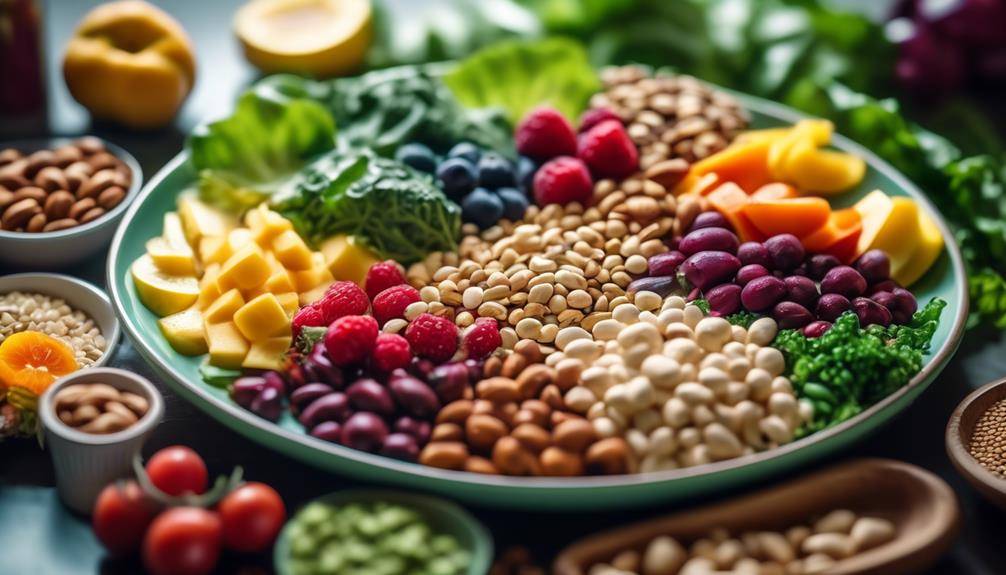
Ethiopian cuisine is packed with nutrient-dense ingredients that offer a wealth of health benefits. When you immerse yourself in this vibrant culinary world, you’ll discover a variety of whole foods, including legumes, grains, vegetables, and lean meats. Each ingredient contributes essential vitamins, minerals, and antioxidants that support your overall well-being.
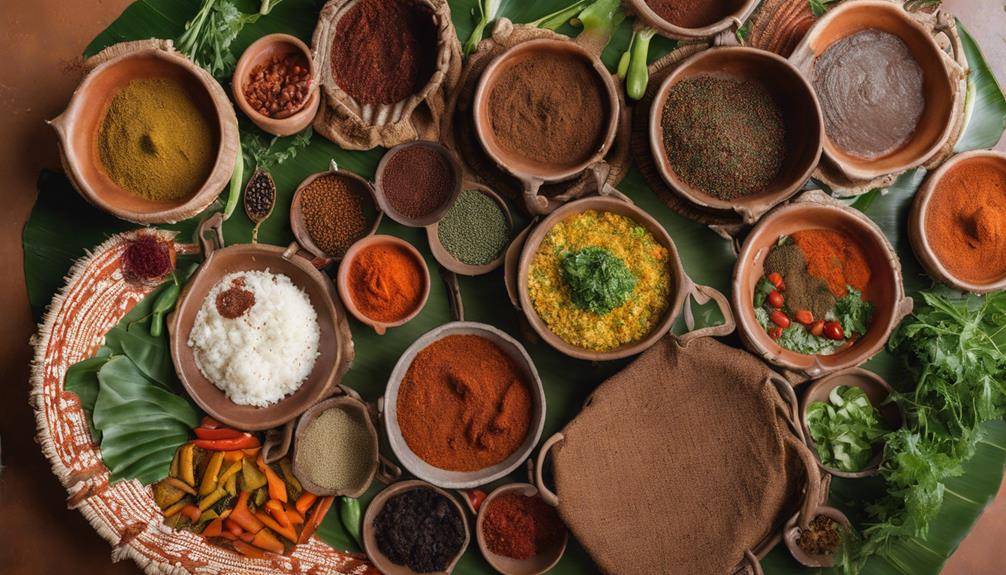
One of the hallmarks of Ethiopian cuisine is its unique spice combinations. Spices like turmeric, cumin, and coriander not only enhance flavor profiles but also provide numerous health benefits. For instance, turmeric contains curcumin, known for its anti-inflammatory properties, while cumin can aid digestion and boost your immune system. By incorporating these spices into your meals, you’re not just enjoying delicious food; you’re also nurturing your body.
Moreover, many Ethiopian dishes are centered around lentils and chickpeas, which are rich in protein and crucial nutrients. These legumes can help maintain your energy levels and keep you full longer. Additionally, the use of fresh vegetables like collard greens and carrots adds fiber and essential vitamins, making each meal a powerhouse of nutrition.
As you explore Ethiopian dishes, you’ll appreciate how the careful balance of flavors and spices creates meals that are not only satisfying but also beneficial for your health. So next time you enjoy a plate of injera topped with spicy stews, remember that you’re treating yourself to a feast that’s both delicious and packed with nutrients.
High Fiber Content
When you explore Ethiopian cuisine, you’ll notice a rich variety of legumes and whole grain options that pack a powerful fiber punch. These ingredients not only enhance the flavors of your meals but also support your digestive health. Incorporating high-fiber foods into your diet can help you feel fuller longer and maintain balanced energy levels.
Rich Legume Variety
A diverse range of legumes in Ethiopian cuisine offers an impressive source of dietary fiber, which can considerably benefit your digestive health. These legume varieties, including lentils, chickpeas, and fava beans, are staples in many traditional Ethiopian dishes. By incorporating them into your meals, you’re not just enjoying flavorful food, but you’re also boosting your fiber intake, which can help maintain regular digestion.
Ethiopian culinary traditions emphasize the importance of legumes, often featuring them in hearty stews like shiro and misir wot. These dishes provide a satisfying way to enjoy a high-fiber diet that supports overall well-being. The fiber found in legumes can help you feel fuller for longer, making it easier to manage your weight while promoting healthy gut bacteria.
Beyond digestive health, legumes also offer essential nutrients, such as protein, vitamins, and minerals, making them a valuable addition to your diet. So, when you savor a delicious Ethiopian meal, remember that each bite of those rich legume varieties serves not just your taste buds but your health, too. Embrace the benefits of these fiber-packed ingredients and enjoy the vibrant flavors of Ethiopian cuisine.
Whole Grain Options
Throughout history, whole grains have been a cornerstone of many diets, and Ethiopian cuisine is no exception. When you indulge in dishes like injera, a sourdough flatbread made from teff, you’re not just enjoying a delicious meal; you’re also reaping the benefits of high fiber content. Whole grains like teff, barley, and millet are staples, and their nutritional value can help support digestive health and maintain steady energy levels.
Ethiopian cooking techniques often highlight these grains, allowing them to shine alongside vibrant spice combinations. The unique flavors of berbere or mitmita, mixed with whole grains, create a satisfying and wholesome experience. When you enjoy a hearty dish of doro wat, served with injera, you’re fueling your body with essential nutrients while savoring the rich flavors of Ethiopian cuisine.
Incorporating whole grains into your diet can also help manage weight and reduce cholesterol levels. So, whether you’re trying new recipes at home or enjoying a meal at an Ethiopian restaurant, you can feel good knowing you’re choosing healthful options that nourish your body and delight your taste buds.
Rich in Antioxidants
Ethiopian cuisine is packed with ingredients that are rich in antioxidants, offering a delicious way to boost your health. The vibrant spices used in this culinary tradition not only enhance flavor profiles but also provide significant health benefits. For instance, spices like turmeric and cinnamon are known for their high antioxidant content, helping to combat oxidative stress in your body.
When you indulge in dishes like doro wat or lentil stew, you’re not just savoring incredible flavors; you’re also reaping the rewards of these powerful spices. The spice benefits extend beyond mere taste, as they can support your immune system and improve overall well-being. The antioxidants in these ingredients play a vital role in protecting your cells from damage and reducing inflammation.
Moreover, the unique combination of spices in Ethiopian cuisine creates a rich tapestry of flavors that tantalizes your taste buds. Each bite offers a burst of cultural richness, making healthy eating enjoyable. You’ll find that the smoky notes of berbere spice blend, made from chili peppers, garlic, and other spices, not only add depth to your meal but also contribute to your antioxidant intake.
Plant-Based Protein Sources
When you explore Ethiopian cuisine, you’ll find an abundance of plant-based protein sources that pack a nutritional punch. Lentils and legumes are staples, offering essential amino acids, while teff grain provides not just protein but also a wealth of fiber and nutrients. Don’t forget about chickpeas, which play a key role in many dishes, adding both flavor and health benefits.
Lentils and Legumes
Lentils and legumes pack a powerful punch as plant-based protein sources, offering numerous health benefits. When you incorporate these nutrient-rich foods into your diet, you’re not just boosting your protein intake; you’re also enhancing your overall health. Lentil varieties, like red, green, and black lentils, provide essential vitamins and minerals, including iron, folate, and magnesium, which are vital for your body’s ideal functioning.
You can easily prepare delicious legume recipes that cater to your taste buds while keeping your meals healthy. From hearty lentil stews to spicy lentil salads, the options are vast and versatile. These dishes are not only satisfying but also help in regulating blood sugar levels and promoting digestive health due to their high fiber content.
Moreover, including lentils and legumes in your meals can help in weight management, as they keep you feeling full longer. So, whether you’re whipping up a comforting lentil soup or experimenting with different legume recipes, you’re making a smart choice for your health. Embrace the richness of Ethiopian cuisine and reap the benefits of these powerful plant-based proteins today!
Teff Grain Benefits
Often overlooked, teff is a tiny grain with big health benefits that deserves a spot on your plate. This ancient grain has a rich teff grain history, originating in Ethiopia over 3,000 years ago. It’s packed with nutrients, making it an excellent choice for anyone looking to boost their plant-based protein intake. Just one cup of cooked teff provides about 10 grams of protein, which is impressive for a grain.
Teff is also high in fiber, iron, and calcium, which can support your overall health. Incorporating teff into your meals is easy. You can try teff grain recipes like porridge for breakfast or use it to make injera, a traditional Ethiopian flatbread that serves as a base for various dishes. You might even enjoy it in salads or as a side dish, offering a nutty flavor and pleasant texture.
Chickpeas in Dishes
Incorporating chickpeas into your meals is a fantastic way to enhance your plant-based protein intake. These versatile legumes can be used in a variety of dishes that not only taste great but also pack a nutritional punch. You can whip up invigorating chickpea salads, combine them in hearty chickpea stews, or spice things up with chickpea curries.
If you’re in the mood for a snack, roasted chickpeas are a crunchy, satisfying option. You can also enjoy chickpea dips like hummus, perfect for pairing with veggies or pita bread. For something a bit more indulgent, consider chickpea fritters, which can be crispy on the outside and soft on the inside.
Don’t forget about chickpea desserts, too! You might be surprised at how well they can work in sweet treats. From chickpea brownies to energy bites, the possibilities are endless.
Heart Health Benefits
While you savor the rich flavors of Ethiopian cuisine, you might be surprised to learn that it can also support heart health. The combination of ingredients and spices in Ethiopian dishes can contribute considerably to your cardiovascular wellness. One of the standout aspects is the use of heart-friendly spices like turmeric, garlic, and ginger. These spices are not just flavorful; they’re packed with antioxidants and anti-inflammatory properties that can help reduce the risk of heart disease.
Turmeric, for instance, contains curcumin, which has been shown to improve endothelial function—the lining of your blood vessels. This can help lower blood pressure and improve circulation. Garlic, on the other hand, has been linked to lower cholesterol levels and improved arterial health. Incorporating these spices into your meals makes your dishes not only delicious but also beneficial for your heart.
Moreover, Ethiopian cuisine often features a variety of legumes and vegetables, which are high in fiber. These foods are fantastic for heart health, as they can help regulate cholesterol levels and support overall cardiovascular function. The use of whole grains like teff also adds essential nutrients and helps maintain healthy blood pressure.
Blood Sugar Regulation
Ethiopian cuisine features low glycemic index foods that can help keep your blood sugar stable. With its nutrient-dense ingredients and traditional cooking methods, you’ll find meals that not only taste great but also support your overall health. By choosing these dishes, you’re making a smart choice for blood sugar regulation.
Low Glycemic Index Foods
Low glycemic index foods play an essential role in blood sugar regulation, making them a smart choice for anyone looking to maintain stable energy levels. Ethiopian cuisine is rich in these foods, helping you avoid the spikes and crashes associated with high-glycemic options. For example, dishes based on lentils, chickpeas, and various whole grains are common staples.
Incorporating Ethiopian spices not only enhances flavors but can also contribute to blood sugar control. Spices like cinnamon and fenugreek have been shown to help improve insulin sensitivity, allowing your body to manage blood sugar more effectively.
Additionally, traditional fermentation techniques used in Ethiopian cooking, such as in injera, create a low-glycemic food that’s full of beneficial probiotics. This fermentation process helps break down carbohydrates into simpler forms, further aiding in blood sugar regulation.
Nutrient-Dense Ingredients
Incorporating nutrient-dense ingredients into your diet can greatly enhance blood sugar regulation. Ethiopian cuisine offers a variety of whole foods that support stable blood sugar levels. For example, lentils, chickpeas, and teff are rich in fiber, which slows down sugar absorption and helps maintain even glucose levels.
You’ll also find that spice combinations play a vital role in this cuisine. Spices like cinnamon, fenugreek, and turmeric not only add flavor but are known for their blood sugar-regulating properties. These spices can help improve insulin sensitivity and reduce inflammation, making them powerful allies in managing blood sugar.
Moreover, the regional variations in Ethiopian dishes provide diverse options to keep your meals exciting while still prioritizing health. Each region features unique ingredients and spice blends that contribute to nutrient density, helping you enjoy wholesome meals without sacrificing taste.
Traditional Cooking Methods
Cooking methods play an essential role in preserving the nutritional integrity of dishes, especially when it comes to blood sugar regulation. In Ethiopian cuisine, the traditional preparation of injera stands out. Made from teff flour, injera is fermented, a process that not only enhances its flavor but also increases the bioavailability of nutrients. This fermentation helps stabilize blood sugar levels, making it a great option for those mindful of their glucose intake.
Additionally, the use of traditional spices in Ethiopian cooking, like berbere and mitmita, contributes to blood sugar management. These spices can enhance metabolism and improve insulin sensitivity. When you combine injera with various vegetable and protein-rich stews, you’re creating a balanced meal that promotes steady energy levels without sharp spikes in blood sugar.
Moreover, the communal way of eating Ethiopian meals encourages slower dining, allowing your body to signal fullness effectively. By embracing these traditional cooking methods, you not only enjoy delicious flavors but also support your overall health. So, the next time you savor Ethiopian cuisine, remember how these techniques can benefit your blood sugar regulation.
Anti-Inflammatory Properties
Ethiopian cuisine is rich in ingredients known for their anti-inflammatory properties, making it a delicious way to support your overall health. The culinary traditions of Ethiopia often feature spices and herbs that have been recognized for their beneficial effects on inflammation. For instance, berbere, a staple spice blend, contains ingredients like chili peppers and garlic, both of which have demonstrated anti-inflammatory effects. When you incorporate these spices into your meals, you’re not just adding flavor; you’re also enhancing your body’s ability to combat inflammation.
Another key ingredient is turmeric, widely praised for its active compound, curcumin. This vibrant yellow spice is often included in various Ethiopian dishes, and its anti-inflammatory properties can help reduce symptoms associated with chronic conditions. By enjoying a plate of doro wat or misir wat, you’re getting a dose of turmeric that may assist in lowering inflammation in your body.
Additionally, the use of lentils and beans in Ethiopian cuisine provides a wealth of nutrients that contribute to overall health. These legumes are high in fiber and antioxidants, which can further help reduce inflammation. By embracing the rich flavors of Ethiopian dishes, you’re not only enjoying a unique culinary experience but also actively supporting your body’s health.
Digestive Health Support
The flavorful ingredients found in Ethiopian cuisine not only boast anti-inflammatory benefits but also support digestive health. One key aspect of this cuisine is its use of fermented foods, which are rich in probiotics. These probiotics play a crucial role in promoting a healthy gut microbiome, helping to balance the bacteria in your digestive system. When you enjoy dishes like injera, a sourdough flatbread made from teff flour, you’re not just savoring a delicious meal; you’re also introducing beneficial bacteria that can enhance your gut health.
Fermented foods provide significant fermentation benefits, aiding in the breakdown of nutrients and making them easier for your body to absorb. This process can lead to improved digestion and can alleviate common gastrointestinal issues, such as bloating and gas. Additionally, the fiber-rich vegetables and legumes commonly found in Ethiopian dishes, like lentils and chickpeas, further support your digestive system by promoting regular bowel movements and feeding the good bacteria in your gut.
When you incorporate Ethiopian cuisine into your diet, you’re not just enjoying a burst of flavors; you’re also taking a proactive step towards better digestive health. The combination of probiotics from fermented foods and the fiber from plant-based ingredients creates a harmonious environment for your gut. So, next time you sit down to savor Ethiopian fare, remember that you’re also nurturing your digestive system, all while enjoying a vibrant culinary experience.
Weight Management Benefits
With a focus on wholesome ingredients, Ethiopian cuisine offers significant weight management benefits. The traditional dishes are often made with fresh vegetables, legumes, and lean proteins, which can help you feel full and satisfied without overindulging. This is essential for effective portion control. When you fill your plate with colorful, nutrient-dense foods, you naturally consume fewer calories while still getting the essential nutrients your body craves.
Another important aspect of Ethiopian cuisine is meal timing. Many Ethiopian meals are usually enjoyed in a communal setting, which encourages mindful eating. Taking the time to savor your food not only enhances your dining experience but also allows your body to recognize its fullness cues, helping you avoid overeating. By being present during meals, you can develop a healthier relationship with food.
Incorporating traditional dishes like injera, lentils, and various vegetable stews into your diet can support your weight management goals. These meals are rich in fiber, which aids digestion and keeps you feeling fuller longer. Additionally, many Ethiopian foods are naturally low in unhealthy fats and sugars, making them an excellent choice for anyone looking to maintain or lose weight.
Cultural and Social Aspects
When you immerse yourself in Ethiopian cuisine, you’re not just enjoying a meal; you’re partaking in a vibrant cultural experience. This culinary adventure invites you into a world of communal dining, where sharing food fosters social connection among friends and family. Traditionally, meals are served on a large platter, and everyone digs in together, reinforcing the bonds of kinship and community.
Ethiopian cuisine is deeply rooted in cultural heritage, reflecting centuries-old traditions and rituals. For instance, during family gatherings and festive celebrations, dishes like injera and various stews symbolize togetherness and hospitality. As you savor each bite, you’re not just tasting flavors; you’re engaging in food storytelling that narrates the history and values of the Ethiopian people.
The culinary diversity of Ethiopia is also remarkable. Different regions offer unique ingredients and cooking methods, showcasing the country’s rich agricultural landscape. This diversity adds layers to your dining experience, as you explore the regional specialties that vary from one meal to another.
Moreover, the act of eating with your hands, a traditional ritual, creates an intimate atmosphere, making each meal memorable. It’s a chance to engage in conversation and share stories, transforming a simple meal into an enriching experience. So, the next time you enjoy Ethiopian cuisine, remember it’s more than just food—it’s a celebration of community, culture, and connection that leaves a lasting impression on your heart and palate.
Frequently Asked Questions: Amazing Health Benefits Of Ethiopian Cuisine
Are There Gluten-Free Options in Ethiopian Cuisine?
Yes, there are gluten-free options in Ethiopian cuisine. You’ll find dishes made with teff, an ancient grain, which serves as a great gluten-free alternative. Enjoy flavorful injera and stews without worrying about gluten.
What Spices Are Commonly Used in Ethiopian Dishes?
In Ethiopian dishes, you’ll find spices like the berbere blend, which packs a flavorful punch. This mix not only enhances taste but also offers various spice health benefits, making your meals both delicious and nutritious.
How Does Injera Contribute to Health Benefits?
Injera’s nutritional value comes from its fermentation process, which enhances digestibility and introduces beneficial probiotics. When you include injera in your meals, you’re not just enjoying a tasty dish, but also boosting your health.
Can Ethiopian Cuisine Accommodate Vegetarian and Vegan Diets?
Ethiopian cuisine’s traditional dishes often feature plant-based proteins like lentils and chickpeas, making it perfect for vegetarian and vegan diets. You’ll find a variety of flavorful options that satisfy your cravings and nutritional needs.
What Traditional Beverages Complement Ethiopian Meals?
When enjoying Ethiopian meals, you can savor traditional beverages like Tej honey wine and Tena yistilign, a revitalizing herbal tea. These drinks enhance the flavors and create a unique dining experience you won’t forget.

Conclusion
To sum up, embracing Ethiopian cuisine isn’t just a delicious choice; it’s a smart one for your health. With its nutrient-dense ingredients, high fiber content, and abundance of antioxidants, you’re giving your body what it needs to thrive. Plus, the plant-based proteins and heart-healthy benefits support overall wellness. So, next time you’re looking for a meal that nourishes both body and soul, consider diving into the vibrant flavors of Ethiopia—you won’t regret it!
If you enjoyed exploring this topic and want to dive even deeper, be sure to check out some of our other articles here on Infinite Flavors. From rich culinary histories to creative twists on classic recipes, there’s always something new to discover. Whether you’re curious about the origins of a dish, looking for fresh inspiration in the kitchen, or simply love learning about food culture, our collection of posts is the perfect next step on your flavor journey.
What Makes Ethiopian Food Culturally Significant And Great
What Are The Great Traditional Spices In Ethiopian Cuisine
Amazing Gluten-Free Ethiopian Dishes: 10 Delicious Options