Amazing Gluten-Free Ethiopian Dishes: 10 Delicious Options
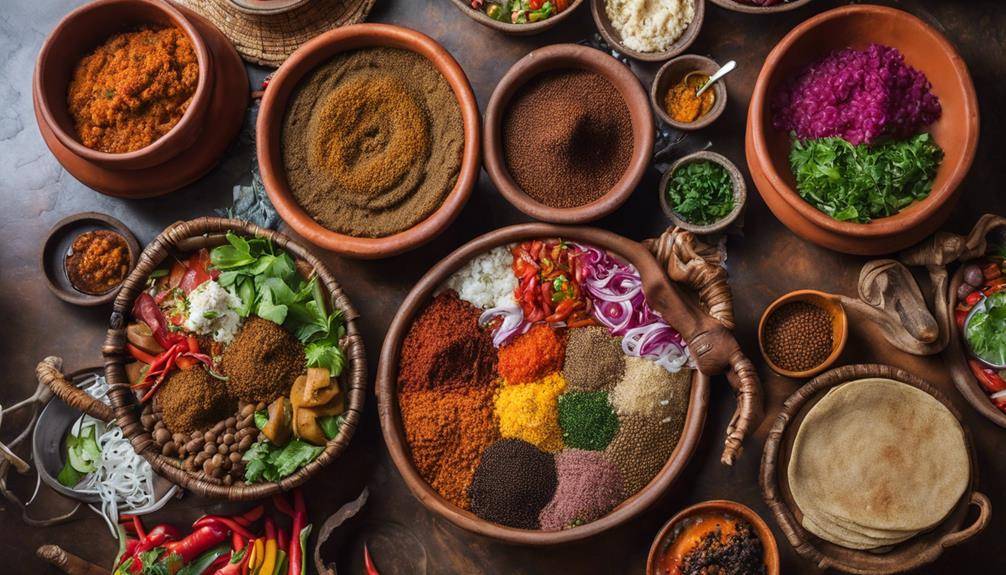
Amazing Gluten-Free Ethiopian Dishes; If you’re looking for delicious gluten-free Ethiopian dishes, you’ve got plenty of options! Start with Doro Wat, a flavorful chicken stew, or indulge in Misir Wat, a hearty lentil dish. Shiro is another favorite, made from ground chickpeas or lentils. Don’t miss Gomen, sautéed collard greens, and Foul Medames, a tasty fava bean dish. For something meaty, try Tibs or Kitfo. Pair any of these with injera, the traditional gluten-free flatbread made from teff. With such variety, your taste buds will surely thank you! Stick around to discover even more delectable dishes waiting to be explored.
Doro Wat
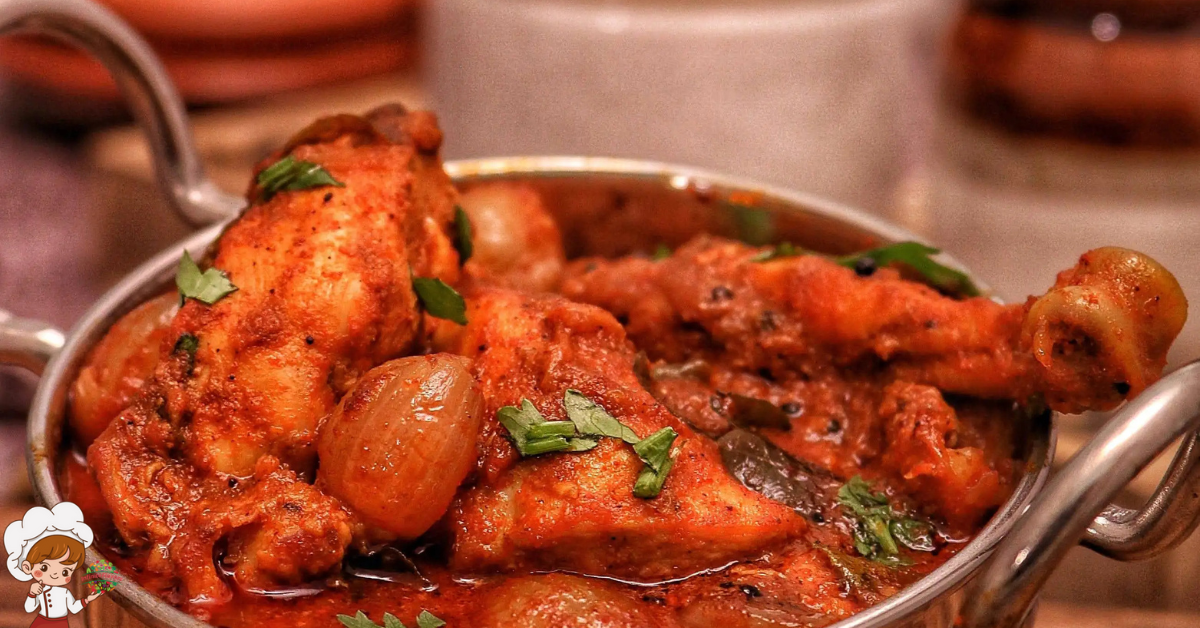
Doro Wat embodies the essence of Ethiopian cuisine with its rich flavors and comforting textures. This spicy chicken stew has a deep-rooted doro wat history, tracing back to the traditions of the Ethiopian Orthodox Church. It’s often prepared for special occasions and holidays, making it not just a dish but a symbol of celebration. When you sit down to enjoy doro wat, you’re partaking in a culinary legacy that spans generations.
As you savor each bite, you’ll notice the interplay of spices like berbere, a fiery blend that adds depth and warmth. The dish typically features tender chicken pieces simmered in a thick, aromatic sauce, often served with injera, a sourdough flatbread that complements the stew’s vibrant taste.
You’ll also find doro wat variations depending on the region and personal preferences. Some cooks add hard-boiled eggs, creating a heartier dish, while others might adjust the spice levels to suit their taste. Vegetarian alternatives exist too, swapping out chicken for lentils or vegetables, allowing you to enjoy the essence of doro wat without compromising on flavor.
In every version, doro wat remains a comfort food staple, embodying the spirit of Ethiopian hospitality. So, whether you’re enjoying it at a local restaurant or preparing it at home, you’re indulging in a dish that’s both delicious and steeped in rich history.
Misir Wat
Now, let’s explore Misir Wat, a hearty Ethiopian lentil stew that’s packed with flavor. You’ll love the way its key ingredients combine to create a rich taste, and we’ll walk you through the cooking method to make it just right. Get ready to discover the unique flavor profiles that make this dish a standout in gluten-free cuisine!
Key Ingredients Overview
Misir Wat, a hearty Ethiopian lentil stew, showcases the vibrant flavors and textures that define Ethiopian cuisine. The key ingredients in this dish mainly include red lentils, which are not only packed with protein but also gluten-free. You’ll find that these lentils cook down to a creamy consistency, making them perfect for a comforting stew.
The magic truly lies in the spice blends, particularly berbere, a signature Ethiopian mix. This blend typically contains chili peppers, garlic, ginger, and a variety of spices that create a rich, warming flavor profile. When you combine these spices with sautéed onions and garlic, you set the stage for a deeply aromatic dish.
In addition to lentils and spices, you can also add chopped tomatoes and vegetable broth, enhancing the stew’s depth and adding to its gluten-free qualities. Serve Misir Wat with injera, which is made from gluten-free grains like teff, to enjoy a complete meal. By exploring these key ingredients, you can appreciate the unique flavors of Ethiopian cuisine while adhering to a gluten-free diet.
Cooking Method Explained
To make a delicious Misir Wat, you’ll want to start by cooking your lentils properly. Rinse one cup of red lentils under cold water until the water runs clear. Then, bring four cups of water to a boil, add the lentils, and reduce the heat to a simmer. Cook them for about 15-20 minutes until they’re soft but not mushy.
While the lentils cook, heat a few tablespoons of oil in a large pot over medium heat. Add chopped onions and sauté them until they turn golden brown. Next, incorporate minced garlic and ginger, stirring for another minute. To infuse authentic flavors, add berbere spice blend, adjusting the amount according to your spice preference.
Once the lentils are done, stir them into the onion mixture, adding salt and a splash of vegetable broth for extra flavor. If you need ingredient substitutions, you can swap red lentils for yellow ones or adjust the spices based on what you have on hand. Let everything simmer together for about 10 minutes, allowing the flavors to meld beautifully. Serve your Misir Wat warm with injera or rice for a satisfying, gluten-free meal.
Flavor Profiles Highlighted
The vibrant flavors of Misir Wat create a delightful culinary experience that showcases the essence of Ethiopian cuisine. This dish, primarily made from lentils, is a fantastic example of how spice combinations can elevate simple ingredients into something extraordinary. As you savor each bite, you’ll notice the robust blend of spices like berbere, which includes chili peppers, garlic, and various warming spices.
The careful balance of flavors is what makes Misir Wat so appealing. The heat from the berbere is perfectly tempered by the sweetness of sautéed onions and the earthiness of the lentils. You’ll appreciate how these elements come together, creating a rich, hearty dish that’s both comforting and exciting.
When you enjoy Misir Wat, you’re not just tasting a meal; you’re experiencing a symphony of flavors that reflect the richness of Ethiopian culture. It’s gluten-free and packed with nutrients, making it an excellent choice for everyone. So, whether you’re new to Ethiopian cuisine or a seasoned enthusiast, the flavor balance in Misir Wat will surely leave you satisfied and inspired to explore more dishes.
Shiro
Shiro is a beloved dish in Ethiopian cuisine that’s both hearty and comforting. Made primarily from ground chickpeas or lentils, it’s rich in flavor and packed with protein, making it a perfect choice for anyone seeking a filling meal. When you enjoy shiro, you’re not just tasting a dish; you’re experiencing a staple that has been cherished for generations.
One of the great things about shiro is its versatility. There are numerous shiro variations to explore, each offering a unique twist on this classic dish. Some versions incorporate spices like berbere, which add a delightful kick, while others may be blended with garlic and onions for a more aromatic experience. Whether you prefer a smooth texture or a chunkier consistency, there’s a shiro for everyone.
When serving shiro, don’t forget the shiro toppings! These can elevate your dish and enhance its flavors. You might sprinkle some fresh herbs on top, like cilantro or parsley, for a burst of freshness. Drizzling a bit of olive oil can also add a luxurious touch. If you’re feeling adventurous, try adding sautéed vegetables or spicy peppers to give it an extra layer of flavor.
Pair your shiro with injera, and you’ve got a satisfying gluten-free meal that’s both traditional and delicious. So, next time you’re in the mood for something nourishing, consider whipping up some shiro and exploring its endless possibilities!
Gomen
Gomen, another staple in Ethiopian cuisine, showcases the beauty of greens in a way that’s both simple and flavorful. This dish typically features collard greens, sautéed with onions, garlic, and spices, creating a delightful side that complements many Ethiopian meals. When you enjoy gomen, you’re not just savoring a tasty dish; you’re also reaping its numerous health benefits. The greens are packed with vitamins A, C, and K, along with fiber, making gomen a nutritious addition to your diet.
You might find yourself exploring various gomen variations, as this dish can be prepared in countless ways. Some people add spices like ginger or green chili for an extra kick, while others might include lentils or potatoes to enhance the flavor and texture. You can also experiment with different types of greens, like kale or spinach, depending on what’s available or your personal preference.
What’s fantastic about gomen is its versatility. You can serve it alongside injera, rice, or enjoy it on its own as a healthy snack. Whether you stick to the classic recipe or try a creative twist, gomen always delivers a satisfying experience.
As you immerse yourself in Ethiopian cuisine, don’t overlook this vibrant dish. It’s a perfect way to embrace the essence of healthy eating while enjoying a true cultural delight. So go ahead, treat yourself to gomen and savor all its delicious possibilities!
Atayef
Atayef is a delightful treat you won’t want to miss, especially when you explore its traditional ingredients. You can easily prepare a gluten-free version that captures the authentic flavors. Plus, I’ll share some tasty serving suggestions and pairings to elevate your Atayef experience.
Traditional Atayef Ingredients
When diving into the delightful world of Atayef, you’ll discover that the key ingredients play a pivotal role in creating this beloved dessert. Atayef, often enjoyed during Ramadan, features a batter made from flour, water, and yeast. This simple mixture is the foundation for various atyaf variations, each offering a unique twist on flavor and texture.
You’ll also want to explore the different atayef fillings that elevate the experience. Common fillings include sweet cheese, walnuts, and a mix of sugar and cinnamon. For those who crave something fruity, try incorporating mashed bananas or dates. The versatility of fillings means you can customize your atayef to suit your taste preferences.
Once cooked, the stuffed atayef are typically fried or baked until golden brown, then drizzled with syrup or honey for added sweetness. This combination of ingredients not only creates a delicious treat but also allows for creative expression in the kitchen. So, gather your key ingredients and get ready to enjoy making this exquisite dessert that’s sure to impress family and friends alike.
Gluten-Free Preparation Methods
Creating gluten-free Atayef can be a rewarding experience that doesn’t compromise on flavor or texture. Start by sourcing quality alternative flours, such as almond or coconut flour, to replace traditional wheat flour. When using gluten-free grains, verify you check for certified gluten-free labels to avoid cross contamination.
As you prepare, stay mindful of cross contamination awareness. Use separate cooking utensils and equipment to keep your ingredients safe. This practice is essential for those with dietary restrictions. Meal prepping can also make your cooking process smoother; prepare your fillings and batters in advance, so you can enjoy Atayef any time.
When it comes to flavor, consider seasoning substitutions. For instance, try using spices like cinnamon or nutmeg to enhance the taste of your fillings without relying on gluten-heavy ingredients.
Pay attention to your kitchen practices, as a clean workspace helps maintain the integrity of your gluten-free dishes. By focusing on ingredient sourcing and quality, you’ll create delightful dining options for everyone at the table. With these tips, your gluten-free Atayef will be a hit, satisfying both your cravings and dietary needs.
Serving Suggestions and Pairings
Pairing gluten-free Atayef with complementary dishes elevates the entire dining experience. These delicious stuffed pancakes shine when surrounded by well-chosen side dishes, like spicy lentil stew or sautéed greens, which enhance their flavor contrasts. For serving styles, consider stacking the Atayef on a vibrant platter, garnished with fresh herbs or a sprinkle of toasted sesame seeds for a visually appealing presentation.
When it comes to beverage pairings, traditional Ethiopian tea or a light, fruity wine can elevate your meal. Both options highlight the dish’s cultural significance, especially during festive occasions. You can even experiment with unique spice combinations in your fillings, such as nutmeg or cinnamon, to surprise and delight your guests.
Meal prep is key, so consider making the Atayef ahead of time and storing them for quick assembly on special occasions. For ingredient sourcing, opt for fresh, high-quality components to guarantee the best flavor in every bite. With thoughtful plating ideas and a blend of flavors, your gluten-free Atayef can become the star of any gathering, making it memorable for everyone involved.
Tibs
Savoring the rich flavors of Tibs, you’ll discover a beloved Ethiopian dish that showcases tender, sautéed meat, typically beef or lamb, infused with a variety of spices. This dish is known for its versatility, with numerous tibs variations that cater to different tastes and preferences. Whether you prefer your meat spicy or mild, there’s a tibs option for everyone.
In its simplest form, Tibs consists of meat sautéed with onions, peppers, and a blend of spices that create a mouthwatering experience. The key to its deliciousness lies in the tibs seasoning, which often includes berbere, a traditional Ethiopian spice mix. This seasoning adds depth and warmth, perfectly complementing the savory flavor of the meat. You might also find additional ingredients like garlic, ginger, and tomatoes to enhance the dish even more.
You can enjoy Tibs in various ways, whether served as a main course or as part of a larger spread. Some people love to pair it with injera, the traditional Ethiopian flatbread, while others might opt for rice or vegetables. No matter how you choose to enjoy it, Tibs is a delightful way to experience the essence of Ethiopian cuisine.
Next time you’re looking for a satisfying gluten-free meal, don’t hesitate to plunge into the world of Tibs. You’ll find it’s not just a dish but an invitation to savor Ethiopia’s rich culinary heritage.
Foul Medames
Foul Medames is a hearty and nutritious dish that’s a staple in Ethiopian cuisine, perfect for those seeking a gluten-free option. Made primarily from fava beans, this dish is packed with protein, fiber, and essential nutrients, making it a great choice for any meal. If you’re looking to boost your energy levels or simply enjoy a wholesome meal, foul Medames delivers impressive foul benefits that keep you feeling satisfied.
You can easily customize foul Medames to suit your taste preferences, thanks to its various foul variations. Traditionally, the dish is seasoned with garlic, lemon juice, and olive oil, but you can easily add spices like cumin or fresh herbs such as parsley for an extra flavor kick. Some people even like to top their foul with a drizzle of tahini or a sprinkle of chili flakes to enhance the dish further.
Foul Medames can be enjoyed as a breakfast dish, lunch, or dinner, often accompanied by fresh vegetables or served with a side of gluten-free bread. The versatility of this dish makes it a fantastic option for anyone, whether you’re following a gluten-free diet or simply exploring the rich flavors of Ethiopian cuisine. By incorporating foul Medames into your meals, you’ll not only enjoy a delicious dish but also reap the numerous health benefits it has to offer.
Teff Injera
Injera is often regarded as the heart of Ethiopian cuisine, and teff injera is a fantastic gluten-free option that everyone can enjoy. Made from the tiny, nutrient-rich teff grain, this traditional flatbread offers a unique flavor and texture that complements a variety of dishes. When you choose teff injera, you’re not just indulging in a delicious meal; you’re also reaping numerous teff benefits. This ancient grain is packed with protein, fiber, and essential minerals, making it a powerhouse of nutrition.
One of the great things about teff injera is its versatility. You can find various injera variations, from classic versions made solely with teff flour to more adventurous blends that might include other gluten-free flours like sorghum or millet. These variations not only enhance the taste but also allow you to experiment with different textures and flavors in your meals.
To prepare teff injera, you’ll typically start with a sourdough fermentation process, giving the bread its signature tangy flavor. This method also boosts the nutritional profile, making it even more beneficial for your health. Once cooked, teff injera serves as both a plate and a utensil, perfect for scooping up stews and salads.
Kitfo
Kitfo is a traditional Ethiopian dish that’s bold in flavor and rich in history. You’ll find that the main ingredients, like minced raw beef and spiced clarified butter, play a vital role in its distinctive taste. Let’s explore how these components come together and the preparation techniques that make kitfo a beloved choice for many.
Traditional Ingredients Used
When you explore the world of Kitfo, you’ll discover a unique blend of traditional ingredients that set this dish apart. At its core, Kitfo features raw minced beef, which gives it a rich and tender texture. This meat is often seasoned with a blend of spices, including mitmita, a spicy chili powder that elevates the flavor combinations. Another essential ingredient is niter kibbeh, a spiced clarified butter that adds depth and richness to the dish.
If you’re looking for ingredient substitutions, you can opt for lean ground beef or even a vegetarian alternative, such as finely chopped mushrooms or lentils, to create a gluten-free version that still captures the essence of Kitfo. Pair your Kitfo with sides like gomen (collard greens) or ayib (fresh cheese) for a balanced meal that complements the bold flavors.
Preparation Techniques Explained
Preparing Kitfo requires attention to detail to guarantee the flavors and textures shine through. Start by sourcing high-quality, fresh ingredients; the beef is key, so choose lean cuts for the best results. Once you’ve got your meat, it’s all about the spice blending. Traditional Kitfo uses mitmita, a fiery spice mix that includes ground chili, cardamom, and salt. You can adjust the heat to your preference, but don’t skip this step, as it defines the dish.
Next, you’ll want to finely chop the beef. Some prefer it raw, while others lightly sear it for added flavor. Either way, the meat should be tender and well-seasoned. After mixing in the mitmita, consider incorporating niter kibbeh, a spiced clarified butter that adds richness and depth.
Dulet
Savoring the rich flavors of Dulet, a traditional Ethiopian dish, brings a delightful experience to those seeking gluten-free options. Originating from the vibrant culinary traditions of Ethiopia, Dulet is typically made from a mix of finely chopped meat, often lamb or beef, along with spices, herbs, and sometimes a touch of butter. This savory dish reflects Ethiopia’s rich history and diverse cultural influences.
You’ll find that Dulet variations can vary widely based on regional ingredients and personal preferences. Some versions incorporate offal, adding a unique depth of flavor, while others stick to more familiar cuts of meat. Regardless of the variation you choose, the key components remain the same: a blend of spices such as berbere, and often a hint of lemon for brightness.
When you dig into a plate of Dulet, you’re not just enjoying a meal; you’re experiencing a piece of Ethiopian heritage. It’s commonly served with injera, a fermented flatbread made from teff flour, making it a complete gluten-free dining experience when paired correctly.
Whether you’re trying Dulet for the first time or revisiting a beloved favorite, you’ll appreciate its robust flavors and comforting textures. The next time you’re in the mood for something hearty and gluten-free, Dulet is sure to satisfy your cravings while offering a taste of Ethiopia’s culinary richness.
Frequently Asked Questions: Amazing Gluten-Free Ethiopian Dishes
Are There Gluten-Free Substitutes for Injera?
Yes, there are gluten-free substitutes for injera. You can try injera alternatives made from gluten-free grains like teff, rice, or quinoa. These options maintain a similar texture and flavor, making your meal enjoyable and safe.
Can Ethiopian Dishes Be Made Vegan?
Yes, you can definitely make Ethiopian dishes vegan! By using Ethiopian ingredients like lentils, chickpeas, and vegetables, you can create delicious vegan adaptations that retain the rich flavors and textures characteristic of traditional Ethiopian cuisine.
How Spicy Are Traditional Ethiopian Dishes?
Traditional Ethiopian dishes can range widely in spice levels. You’ll find rich flavor profiles that incorporate various spices, from mild to fiery hot. It’s all about what you enjoy and how adventurous you’re feeling!
What Beverages Pair Well With Ethiopian Food?
When you enjoy Ethiopian food, try pairing it with traditional beverages like tej, a honey wine, or the rich coffee, known for its unique coffee traditions. These drinks complement the flavors beautifully, enhancing your dining experience.
Are There Any Common Allergens in Ethiopian Cuisine?
Ethiopian cuisine can contain common allergens like nuts and dairy. If you’re allergic, consider ingredient substitutions, such as using coconut milk instead of dairy or avoiding certain dishes altogether. Always ask about ingredients when dining out.

Conclusion
You’ve now got a tasty lineup of gluten-free Ethiopian dishes to explore. From the spicy richness of Doro Wat to the comforting flavors of Gomen, there’s something for everyone. Don’t forget to try the unique texture of Teff Injera, which pairs perfectly with all these dishes. Whether you’re hosting a gathering or simply treating yourself, these options will surely impress. Immerse yourself and enjoy the vibrant tastes of Ethiopian cuisine without gluten worries!
If you enjoyed exploring this topic and want to dive even deeper, be sure to check out some of our other articles here on Infinite Flavors. From rich culinary histories to creative twists on classic recipes, there’s always something new to discover. Whether you’re curious about the origins of a dish, looking for fresh inspiration in the kitchen, or simply love learning about food culture, our collection of posts is the perfect next step on your flavor journey.
7 Amazing African Cuisines Shaped By Ethiopian Food
The 3 Best Nutritional Benefits Of Ethiopian Cuisine
The 9 Best Ethiopian Food Celebrations And Cuisines