Exploring The Exciting Ethiopian Cuisine Beyond Borders: A How-To Guide
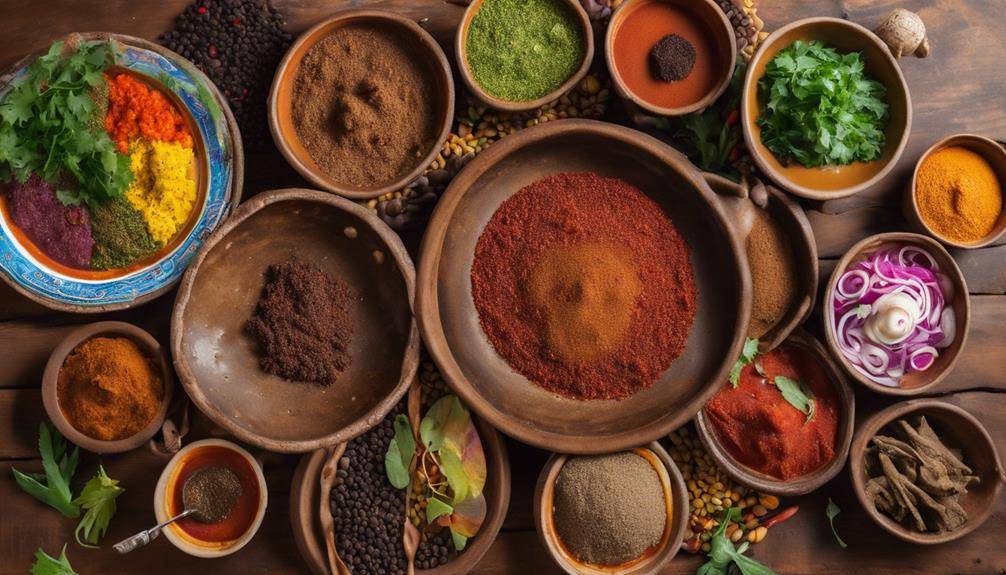
Exploring The Exciting Ethiopian Cuisine; Ethiopian cuisine is a vibrant exploration of flavors and traditions. You’ll discover key ingredients like teff and diverse spices such as berbere and mitmita, essential for authentic dishes. Traditional meals revolve around injera, a versatile flatbread that absorbs rich stews. You’ll learn about unique cooking techniques like fermentation and smoking, which enhance flavors. Embracing communal dining customs will elevate your experience, as sharing meals fosters connection. With plenty of vegan and vegetarian options, there’s something for everyone. To reveal the full potential of Ethiopian cooking, keep exploring the many culinary treasures this cuisine offers.
History of Ethiopian Cuisine
Ethiopian cuisine has a rich and diverse history that reflects the country’s unique geography and cultural influences. As you immerse yourself in this culinary world, you’ll discover how Ethiopia’s location, sitting at the crossroads of various trade routes, has greatly shaped its food culture. Ethiopian trade with neighboring regions introduced a variety of ingredients and cooking methods, allowing local flavors to flourish.
Historically, the interaction between Ethiopia and its neighbors, such as Arabia, India, and the Mediterranean, resulted in a blend of culinary traditions. You’ll notice how spices and cooking techniques from these regions have influenced Ethiopian dishes, creating a unique fusion. For instance, the use of berbere, a spice blend that combines chili peppers, garlic, and other spices, showcases this rich tapestry of cultural influences.
Moreover, Ethiopia’s diverse ethnic groups contribute to its culinary landscape. Each group brings its own traditions and recipes, further enriching the overall cuisine. When you explore traditional dishes like injera or doro wat, you’ll see how these foods tell stories of the past, drawing from centuries of agricultural practices and trade relationships.
As you savor each bite, remember that Ethiopian cuisine is more than just food; it’s a reflection of the country’s history, shaped by trade and cultural exchanges. Embrace this journey through flavors, and you’ll gain a deeper appreciation for the culinary heritage that makes Ethiopia truly unique.
Key Ingredients to Explore
When you explore Ethiopian cuisine, you’ll quickly realize that essential spices and herbs play a vital role in creating its vibrant flavors. Traditional grains and legumes are also key components, adding depth and nutrition to many dishes. Understanding these ingredients will enhance your appreciation of this rich culinary tradition.
Essential Spices and Herbs
Delving into Ethiopian cuisine reveals a vibrant array of vital spices and herbs that elevate each dish. At the heart of this culinary tradition is berbere, a fiery spice blend featuring chili peppers, garlic, ginger, and various other spices. This blend not only adds heat but also layers of flavor, making it a staple in many recipes.
Another key ingredient is mitmita, a powdered spice blend that’s even hotter than berbere, often used to season raw meats or enhance stews. Don’t overlook the role of korarima (Ethiopian cardamom) and fenugreek, both of which contribute unique flavors and aromas that are vital for authentic Ethiopian dishes.
When cooking, remember that flavor balancing is essential. You’ll want to experiment with these spices, as the right combination can transform a simple meal into a culinary experience. Incorporating fresh herbs like basil, cilantro, and parsley can also provide a revitalizing contrast to the earthy spices. Embrace these vital spices and herbs, and you’ll be well on your way to creating authentic Ethiopian dishes that truly capture the essence of this rich cuisine.
Traditional Grains and Legumes
Exploring traditional grains and legumes is fundamental for understanding the foundation of Ethiopian cuisine. These ingredients not only contribute to the unique flavors but also provide essential nutrition. One of the standout grains is teff, a tiny grain packed with protein and fiber, often used to make injera, the famous Ethiopian flatbread.
You’ll also want to discover the various quinoa varieties, which have gained popularity in recent years. These grains offer a nutty flavor and can be a great alternative to teff in some dishes. Plus, they’re gluten-free!
When it comes to legumes, different lentil types play a significant role in Ethiopian meals. Red lentils are commonly used for making misir wot, a spicy lentil stew that’s a staple on many tables. Green and black lentils also find their way into various dishes, offering different textures and flavors.
Incorporating these grains and legumes into your cooking will not only enhance your meals but also provide a deeper connection to Ethiopian culture. So, don’t hesitate to experiment with them in your kitchen and embrace the rich culinary traditions they represent.
Traditional Ethiopian Dishes
Traditional Ethiopian dishes offer a vibrant array of flavors and textures that are sure to delight your palate. When you explore Ethiopian cuisine, you’ll encounter staples like injera, a spongy flatbread made from teff flour, which serves as the base for many meals. This unique bread is not just a vehicle for food; it’s also part of the dining experience, allowing you to scoop up savory stews and salads.
One of the highlights of Ethiopian cuisine is the variety of wats, or stews, which showcase different ingredients and spices. Doro wat, a spicy chicken stew, and misir wat, a lentil stew, are two iconic examples that reflect the rich culinary heritage of the region. Depending on where you are in Ethiopia, you’ll find regional variations that highlight local ingredients and flavors, making each bite a new adventure.
Don’t forget to explore Ethiopian street food, which offers a more casual yet equally delicious experience. Items like sambusas, crispy pastries filled with lentils or meat, provide a quick and satisfying snack. You can also find kitfo, raw minced meat seasoned with spices, served with a side of gomen, seasoned greens.
Whether you’re dining in a restaurant or enjoying a street-side meal, the warmth and complexity of traditional Ethiopian dishes will leave you craving more. Embrace the communal aspect of dining and savor the rich flavors that make Ethiopian cuisine truly one-of-a-kind.
Cooking Techniques and Methods
When you explore Ethiopian cuisine, you’ll find that traditional cooking techniques play a crucial role in creating its unique flavors. You’ll also notice how important spicing and seasoning methods are in bringing dishes to life. Understanding these practices will enhance your appreciation and cooking of Ethiopian meals.
Traditional Cooking Techniques
Ethiopian cooking techniques showcase a rich tapestry of methods rooted in history and culture. When you explore this cuisine, you’ll discover that traditional practices often involve unique methods like smoking techniques and fermentation processes. These methods not only enhance flavors but also preserve food in ways that connect to Ethiopia’s culinary heritage.
For instance, smoking is commonly used for meats, imparting a deep, savory flavor that’s hard to replicate. You might find smoked lamb or beef, where the meat is carefully seasoned and then exposed to wood smoke, creating a deliciously aromatic dish.
Fermentation processes are another essential aspect of Ethiopian cooking. One of the most notable examples is the preparation of injera, the traditional flatbread. The teff flour is mixed with water and left to ferment for several days, allowing natural yeasts to develop. This results in a tangy flavor that complements the various stews served alongside it.
Spicing and Seasoning Methods
While exploring the vibrant world of Ethiopian cuisine, you’ll quickly realize that spicing and seasoning are at the heart of its unique flavors. The cornerstone of this culinary tradition is the use of spice blends, with berbere being the most iconic. This aromatic mixture typically includes chili peppers, garlic, ginger, and various spices that create a rich, complex flavor profile.
To master the art of Ethiopian cooking, you’ll want to focus on flavor balancing. Start by toasting your spices to enhance their potency, then mix them into your dishes gradually to achieve the desired taste. Remember, it’s all about layering flavors—add spices early in the cooking process for depth, but save some for finishing touches to keep the freshness intact.
Don’t hesitate to experiment with different spice blends, as each household may have its cherished variations. Alongside berbere, consider incorporating mitmita or shiro for added depth. As you develop your palate, you’ll discover that the magic lies in finding the right balance between heat, sweetness, and earthiness. Embrace this journey, and your Ethiopian dishes will be bursting with authentic flavors that transport you to the heart of Ethiopia.
The Role of Injera
Serving as both a staple and a culinary canvas, injera holds a central place in Ethiopian cuisine. This spongy, sour flatbread is more than just a side dish; it’s the foundation for countless meals. You’ll find it used to scoop up various stews, vegetables, and meats, making it an essential part of the dining experience. The injera variations across different regions of Ethiopia showcase the diversity of this beloved bread. While the traditional version is made from teff flour, you might also encounter injera made from barley or wheat, adapting to local tastes and resources.
Injera’s significance extends beyond mere sustenance. It represents community and togetherness, as meals are often shared on a communal platter, with everyone using pieces of injera to enjoy the food. This practice fosters a sense of connection among diners, highlighting the cultural importance of the bread. It’s common to see injera served in large, round pieces, creating a vibrant display that invites you to dig in.
Moreover, injera plays a crucial role in the way flavors are experienced within the meal. The unique texture and slightly tangy flavor of injera complement the rich, spicy stews, enhancing your overall dining experience. Whether you’re new to Ethiopian cuisine or a seasoned enthusiast, understanding the role of injera will deepen your appreciation for this remarkable culinary tradition. So, next time you enjoy a meal, take a moment to relish the significance of injera in every bite.
Spices and Flavor Profiles
When exploring the vibrant world of Ethiopian cuisine, you’ll quickly discover that spices are the heartbeat of every dish. Ethiopian cooking showcases a rich array of spice blends, the most famous being berbere and mitmita. These blends pack a punch, combining ingredients like chili peppers, garlic, ginger, and various herbs to create bold flavors that define the cuisine.
As you dive deeper, you’ll notice how essential flavor balancing is in Ethiopian dishes. The interplay between spicy, sweet, and savory notes creates a harmonious taste experience. For instance, the addition of berbere can elevate lentils, while a touch of sweetness from ingredients like tomatoes or even sugar can temper the heat, making the dish more approachable.
When preparing your own Ethiopian-inspired meals, experimenting with these spice blends is key. Start with berbere for a classic kick, or try mitmita if you’re feeling adventurous. Don’t shy away from adjusting the ratios based on your palate. A little extra cumin or coriander can add depth, while a dash of cinnamon can introduce warmth and complexity.
Dining Etiquette and Customs
Embrace the communal spirit of Ethiopian dining, where sharing food is a cherished tradition. When you’re invited to an Ethiopian meal, you’ll find that communal dining is at the heart of the experience. Instead of individual plates, dishes are often placed on a large platter, allowing everyone to dig in together. It’s a beautiful way to foster connection and conversation.
Make sure to practice good table manners while enjoying your meal. It’s customary to wash your hands before eating, as utensils aren’t typically used. Instead, you’ll use injera, a spongy flatbread that serves as both a plate and a utensil. Tear off a piece of injera and use it to scoop up the various stews and dishes, but be mindful to only use your right hand, as the left is considered unclean.
When dining with others, it’s polite to wait for the host or the elder to begin eating before you start. Also, if someone offers you food, it’s courteous to accept, as refusing may be seen as disrespectful. Don’t hesitate to try everything, as this shows appreciation for the effort put into the meal.
Lastly, remember that sharing is key. If you’re dining with friends or family, you may want to serve others before taking your own portions. This practice not only reflects good table manners but also embodies the essence of Ethiopian hospitality. So, enjoy the flavors and the company, and let the communal spirit of dining enhance your experience.
Vegan and Vegetarian Options
If you’re looking for delicious vegan and vegetarian options, Ethiopian cuisine won’t disappoint. Rooted in rich plant-based traditions, Ethiopian food offers a variety of dishes that cater to both vegans and vegetarians. Many of these meals are naturally free of animal products, making it easy for you to explore this vibrant cuisine without worrying about dietary restrictions.
One of the most popular dishes is injera, a sourdough flatbread made from teff flour, which serves as the base for many meals. You can enjoy it with an array of flavorful stews and salads. Dishes like shiro, a chickpea stew, and misir wot, a spicy lentil dish, are staples that showcase the essence of Ethiopian veganism. Both are packed with spices like berbere, which add depth and complexity to the flavors.
Don’t forget about the colorful vegetable platters, often served during special occasions. You’ll find sautéed greens, carrots, potatoes, and more, all seasoned to perfection. Eating Ethiopian food is a communal experience, and sharing these plant-based delights with friends or family only enhances the enjoyment.
As you dive deeper into Ethiopian cuisine, you’ll discover that it’s more than just food; it’s a celebration of community and culture. Whether you’re dining in a restaurant or trying your hand at cooking at home, these vegan and vegetarian options will surely satisfy your cravings and introduce you to the delightful world of Ethiopian flavors.
Resources for Further Learning
To deepen your understanding of Ethiopian cuisine, various resources can help you explore its rich traditions and flavors. First, consider diving into Ethiopian cookbooks. Titles like “Ethiopian Cookbook: The Ultimate Guide to Delicious Ethiopian Recipes” offer authentic recipes and insights into the culture behind the food. These cookbooks often include detailed explanations about the ingredients, cooking techniques, and even the historical context of dishes. This way, you’ll not only learn to cook but also appreciate the stories behind each meal.
Next, online cooking classes provide an interactive experience that can enhance your culinary skills. Websites like Udemy or MasterClass often feature courses taught by experienced Ethiopian chefs. These classes allow you to follow along in real-time, asking questions and receiving instant feedback, which can be incredibly helpful if you’re new to Ethiopian cooking.
Additionally, YouTube is a treasure trove of video tutorials where you can watch step-by-step guides to making dishes like injera or doro wat. Channels dedicated to Ethiopian cuisine often share tips and tricks that can make your cooking journey even more enjoyable.
Lastly, connecting with local Ethiopian communities or restaurants can provide you with firsthand experiences. Attend cultural events or cooking demonstrations to immerse yourself in the cuisine. By utilizing these resources, you’ll not only learn how to prepare Ethiopian dishes but also gain a deeper appreciation for the culture and traditions they represent.
Frequently Asked Questions: Exploring The Exciting Ethiopian Cuisine
What Are Common Misconceptions About Ethiopian Cuisine?
Many people think Ethiopian cuisine’s all about injera. In reality, it’s rich with diverse Ethiopian spices and flavors. Traditional dining also emphasizes communal sharing, which adds to the unique experience beyond just the food.
How Can I Source Authentic Ethiopian Ingredients?
To source authentic Ethiopian ingredients, visit local international markets or specialty stores. Look for Ethiopian spices like berbere and traditional grains such as teff. Online retailers also offer a variety of these essential ingredients.
Are There Fusion Recipes Combining Ethiopian Flavors With Other Cuisines?
You’ll find plenty of fusion recipes that blend Ethiopian flavors with other cuisines. Try making Ethiopian tacos, Berbere pizza, Doro Wot burgers, or teff pasta for a delicious twist on traditional dishes. Enjoy experimenting!
What Are Popular Ethiopian Desserts to Try?
You should definitely try traditional Ethiopian desserts like baklava and dabo kolo, often enjoyed with Ethiopian honey. These pastries combine rich, sweet flavors that’ll leave you craving more of Ethiopia’s unique culinary delights.
How Does Ethiopian Cuisine Vary Regionally Within the Country?
Ethiopian cuisine varies regionally with distinct flavors and ingredients. You’ll discover regional specialties like spicy stews in the south and unique grains in the north, showcasing traditional cooking methods that reflect each area’s cultural heritage.

Conclusion
In exploring Ethiopian cuisine, you’ve uncovered a rich tapestry of flavors, traditions, and history. From the unique role of injera to the vibrant spices that define the dishes, there’s so much to savor. Whether you’re cooking at home or dining out, embracing these culinary customs will deepen your appreciation for this extraordinary cuisine. So, gather your ingredients, try your hand at traditional recipes, and enjoy a delicious journey that transcends borders. Happy cooking!
If you enjoyed exploring this topic and want to dive even deeper, be sure to check out some of our other articles here on Infinite Flavors. From rich culinary histories to creative twists on classic recipes, there’s always something new to discover. Whether you’re curious about the origins of a dish, looking for fresh inspiration in the kitchen, or simply love learning about food culture, our collection of posts is the perfect next step on your flavor journey.
Amazing Gluten-Free Ethiopian Dishes: 10 Delicious Options
The 6 Best Ethiopian Breakfast Dishes: A Delicious Journey
The Amazing Health Benefits Of Ethiopian Cuisine