Exciting Essential Ethiopian Cooking Tips And Ingredients Revealed
Ethiopian Cooking Tips And Ingredients; To master Ethiopian cooking, start with key ingredients like teff for injera and a blend of spices including berbere. Focus on flavor layering by sautéing onions, garlic, and ginger first. Use traditional cooking methods like clay pots for slow-cooking stews (wot) to enhance flavors. Remember, communal dining is a big part of the culture, so serve meals on a mesob with injera to scoop up the dishes. Don’t forget about vegetarian options featuring legumes, which pack a flavorful punch. Keep exploring for more tips on pairing dishes and creating authentic experiences in your kitchen.
Understanding Ethiopian Cuisine
What makes Ethiopian cuisine so unique and flavorful? It’s a delightful blend of rich Ethiopian history and diverse cultural influences. The culinary traditions reflect the country’s varied regions, each bringing its own flavor profiles and ingredient sourcing practices. From the spicy stews of the highlands to the milder dishes found in the south, you’ll notice how regional variations make every meal a new experience.
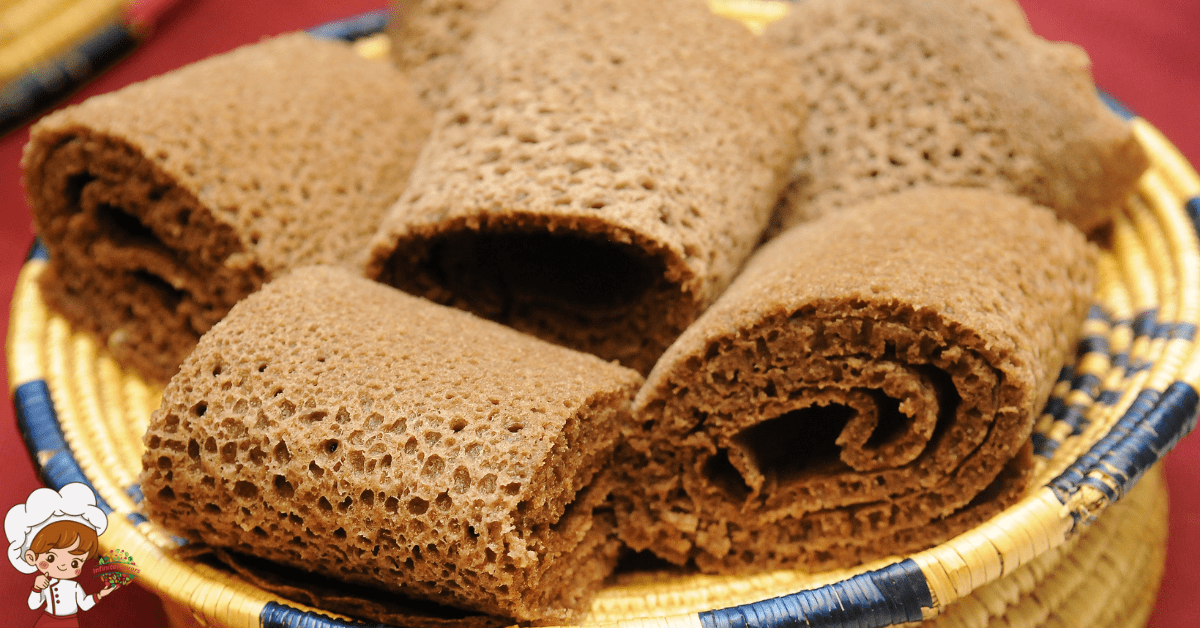
When you dine in Ethiopia, you’ll encounter distinct meal customs. Traditionally, food is served on a large communal platter, encouraging shared dining—a beautiful way to foster connection. You’ll often find injera, a sourdough flatbread, acting as both a utensil and a base for various dishes. Using your right hand, you’ll scoop up the flavorful stews, known as wot, creating an interactive dining experience that emphasizes community.
Dining etiquette plays an essential role in Ethiopian meals. It’s customary to wait for the eldest to start eating before you dig in, and you may also receive a special dish called the “gursha,” where one person feeds another as a sign of affection and respect. These practices not only enhance the meal but also provide insight into the heart of Ethiopian culture.
Understanding these culinary traditions and the importance of meal customs will enrich your experience as you explore the world of Ethiopian cooking. So, embrace the flavors and the rituals, and you’ll discover a cuisine that’s truly remarkable.
Key Ingredients to Stock
To create authentic Ethiopian dishes, you’ll need to stock up on some essential ingredients. Spices play a vital role in adding depth and flavor to your meals, while staples form the backbone of traditional recipes. Let’s explore what you should have on hand to make your cooking experience truly rewarding.
Spices for Flavorful Dishes
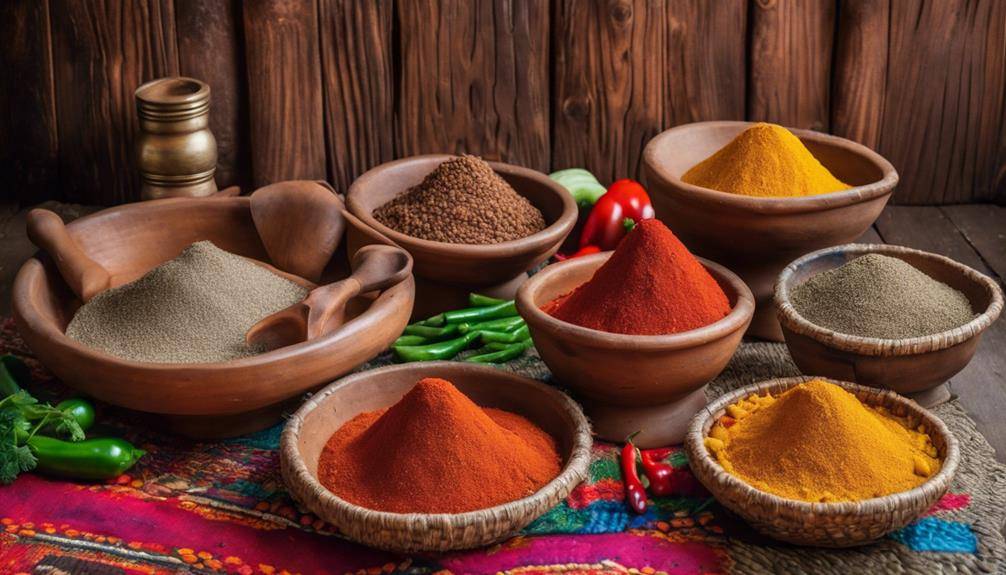
When it comes to creating delicious Ethiopian dishes, stocking the right spices is essential. Ethiopian cuisine is known for its vibrant flavor profiles, and the spices you choose can make all the difference in your cooking. One of the key spice blends to have on hand is berbere. This fiery mix typically includes chili peppers, garlic, ginger, and various other spices, adding depth and warmth to your dishes.
Another important blend is mitmita, which is a hotter spice mix often used in traditional Ethiopian dishes. It’s great for seasoning meats and stews. Don’t forget about korarima (Ethiopian cardamom), which adds a unique flavor to dishes and is often found in coffee ceremonies.
You should also stock up on turmeric, which lends a golden hue and earthy taste to many recipes. Cumin and coriander are essential for creating balanced flavor profiles in your stews and lentil dishes. Finally, consider adding some black pepper and salt to enhance the overall taste. With these spices in your pantry, you’ll be well-equipped to create authentic and flavorful Ethiopian meals that will impress your guests.
Staples for Ethiopian Cuisine
A well-stocked kitchen is essential for mastering Ethiopian cuisine, as it relies on a few key staples that form the foundation of many dishes. Start by stocking diverse grains like teff, which is vital for making injera, the traditional flatbread served at Ethiopian breakfast and meals. This grain not only provides a unique flavor but also holds cultural significance, as it’s integral to communal eating.
In addition to teff, consider including other grains like barley and wheat, which are often used in various regional variations of Ethiopian dishes. These grains can enhance your cooking rituals and help you prepare traditional stews, known as wot, that showcase the rich flavors characteristic of Ethiopian cuisine.
Don’t forget legumes like lentils and chickpeas, which add protein and heartiness to your meals. When you gather these staples, you’ll be ready to create a range of dishes that celebrate Ethiopia’s culinary diversity. Embracing these key ingredients will not only enrich your cooking but also deepen your appreciation for the unique flavors and cultural heritage behind every bite.
Essential Spices and Their Uses
Though Ethiopian cuisine boasts a rich tapestry of flavors, the heart of its dishes lies in the essential spices that elevate every meal. These spices, often combined into unique spice blends, create distinct flavor profiles that define Ethiopian cooking. One popular blend is berbere, which marries chili peppers, garlic, ginger, and various herbs, adding depth and heat to stews and lentils.
When exploring Ethiopian spices, you’ll find an array of herb combinations that vary by region. For instance, in the northern regions, you might encounter spice blends that emphasize cardamom and cinnamon, while southern dishes may lean toward more earthy flavors like fenugreek. Understanding these regional variations will enhance your cooking skills and help you appreciate the cultural significance of each dish.
Incorporating the right spices is key to mastering Ethiopian cooking methods. You can use dry roasting spices to bring out their natural oils, enhancing the aroma and flavor. When seasoning your dishes, try layering spices at different stages of cooking; this technique will build complexity in your meals.
For ideal spice storage, keep your blends in airtight containers away from light and heat, as this preserves their potency. Always remember, the right spices not only season your food but also breathe life into it, turning simple ingredients into a vibrant feast. Embrace these seasoning techniques, and you’ll find that Ethiopian cooking is as rewarding as it is delicious.
The Importance of Berbere
Mastering the use of berbere is essential for anyone looking to explore authentic Ethiopian cuisine. This spice blend isn’t just a flavor enhancer; it’s the soul of many traditional dishes. Understanding berbere’s history can deepen your appreciation for its role in Ethiopian culture. Traditionally, this spice mix has been used for centuries, evolving through regional influences and family traditions, which results in a variety of berbere variations you might encounter.
You’ll find that berbere typically includes ingredients like chili peppers, garlic, ginger, and various spices such as coriander and cinnamon. The heat levels and flavor profiles can vary considerably depending on the region and the cook’s preferences. Some might prefer a milder blend, while others opt for a fiery mix that packs a punch. Exploring these variations will not only enhance your cooking but also help you understand the diverse culinary landscape of Ethiopia.
When you incorporate berbere into your dishes, whether it’s stews, lentils, or roasted vegetables, you’ll notice how it transforms the meal. It brings depth and warmth, making every bite a celebration of flavor. So, as you begin your Ethiopian cooking journey, don’t underestimate the importance of berbere; it’s more than just a spice—it’s a connection to history, culture, and the heart of Ethiopian hospitality. Embrace its versatility and let it inspire your culinary creations.
Traditional Cooking Techniques
When diving into Ethiopian cuisine, understanding traditional cooking techniques is crucial for achieving authentic flavors and textures. One of the most notable aspects of Ethiopian cooking is the use of traditional utensils. You’ll often find clay pots called “jebena” used for brewing coffee and “mitad” for cooking injera. These utensils not only serve functional purposes but also infuse your dishes with unique flavors that modern cookware simply can’t replicate.
Communal cooking is another important element of Ethiopian culinary culture. Families often gather to prepare meals together, fostering a sense of community and shared experience. This method allows everyone to participate, whether it’s washing vegetables, grinding spices, or stirring pots. It’s crucial to embrace this communal spirit when cooking Ethiopian dishes, as it enhances the overall experience and makes the meal even more special.
Additionally, the slow-cooking technique is key. Many dishes, such as stews (wot), require extended cooking times to develop rich, deep flavors. Don’t rush the process; let the spices meld and the ingredients soften. You’ll be rewarded with a hearty, mouth-watering dish that captures the essence of Ethiopian cuisine.
Lastly, don’t overlook the importance of layering flavors. Start with a base of onions, garlic, and ginger, then add your spices and proteins, allowing each ingredient to shine. By mastering these traditional techniques, you’ll be well on your way to creating authentic Ethiopian meals that can be enjoyed with family and friends.
How to Prepare Injera
In Ethiopian cooking, injera serves as both a staple and a versatile accompaniment to many dishes. To prepare injera, you’ll need to focus on the fermentation process, which is essential for achieving that unique flavor and texture. Start by mixing teff flour with water to create a smooth batter. The key is to use a ratio of about 1:1, but you can adjust it based on your desired thickness. Cover the mixture and let it sit at room temperature for 2 to 3 days. This is where the injera fermentation magic happens—naturally occurring yeast and bacteria will develop, creating bubbles and a slightly tangy aroma.
After fermentation, check the batter’s texture. It should be somewhat pourable but not too runny, similar to pancake batter. Once it’s ready, heat a large non-stick skillet or a specialized injera pan over medium heat. Pour a ladleful of the batter into the pan, tilting it to spread evenly. Cook for about 2-3 minutes until the surface is set and small holes form, indicating the characteristic injera texture has developed. You don’t flip it; just cover the pan with a lid until the injera is fully cooked.
Cooking With Teff Flour
When you’re cooking with teff flour, you’re not just enhancing your dishes; you’re also reaping its impressive nutritional benefits. This ancient grain is packed with protein, fiber, and essential minerals, making it a healthy choice for any meal. Plus, mastering different cooking techniques can elevate your culinary skills and bring authentic Ethiopian flavors to your table.
Nutritional Benefits of Teff
Teff flour stands out for its impressive nutritional profile, making it a fantastic choice for anyone looking to enhance their diet. Originating from Ethiopia, teff boasts a rich history and has been cultivated for thousands of years. This tiny grain comes in various teff varieties, each offering unique flavors and textures.
When it comes to health benefits, teff is a powerhouse. It’s high in protein, fiber, and essential amino acids, contributing to overall teff nutrition. Plus, it’s naturally gluten-free, making it an excellent alternative for those with gluten sensitivities. You can easily incorporate teff into your meals with diverse teff recipes, from pancakes to injera.
Teff cultivation is also sustainable, as it requires minimal water and thrives in various climates, making it a smart choice for environmentally conscious eaters. For ideal freshness, proper teff storage is essential; keep it in a cool, dry place to maintain its nutritional integrity. If you’re looking for teff alternatives, consider using quinoa or millet, but you might miss out on the unique benefits teff offers. Embracing teff in your kitchen opens the door to a world of nutritional advantages and delicious flavors!
Cooking Techniques for Teff
Cooking with teff flour opens up a world of culinary possibilities, allowing you to create dishes that are both nutritious and flavorful. When using teff flour, you’ll notice its fine texture, which can enhance the mouthfeel of your dishes. It’s important to understand the different teff varieties—like white, brown, and red—as they each offer unique flavors and nutrients.
To get started, you can easily incorporate teff flour into your recipes. Use it for pancakes, breads, or even as a thickening agent in soups and stews. For the best results, consider blending it with other flours to achieve a balanced texture.
When it comes to teff storage, keep your flour in an airtight container in a cool, dry place to maintain its freshness and nutrition. Teff is rich in protein, fiber, and essential vitamins, making it a fantastic addition to your diet.
Experiment with various cooking techniques, like steaming or baking, to discover how teff can elevate your meals. Embrace this ancient grain, and enjoy the health benefits and delicious flavors it brings to your kitchen!
Popular Ethiopian Dishes
Ethiopian cuisine boasts a rich tapestry of flavors and ingredients that make it truly unique. You’ll find a variety of popular dishes that reflect the country’s cultural significance and regional variations. One staple is injera, a sourdough flatbread that serves as both a base and an edible utensil for many dishes. Pair it with various stews, or wot, made from lentils, vegetables, or meats, and you’ll experience the essence of communal dining.
When it comes to Ethiopian street food, don’t miss out on items like sambusas—crispy pastries filled with spiced lentils or meat. These snacks offer a delightful taste of local flavors while being perfect for on-the-go enjoyment. During festive celebrations and traditional feasts, dishes like doro wat, a spicy chicken stew, take center stage, showcasing the importance of food pairing and sharing in Ethiopian culture.
Popular condiments, such as berbere spice blend and shiro, a chickpea-based sauce, add depth to your meals, enhancing the overall experience. Plus, many Ethiopian dishes are rich in nutrients, offering various health benefits, thanks to the use of legumes, vegetables, and spices.
Whether you’re sampling food at a bustling market or enjoying a meal at home, Ethiopian cuisine invites you to savor its diversity and warmth. So gather your friends and family, and immerse yourself in this vibrant culinary world!
Meal Presentation and Serving
When serving Ethiopian food, you’ll want to embrace traditional techniques that enhance the dining experience. Arrange your dishes thoughtfully on a large platter, allowing everyone to share and enjoy together. This communal style not only looks inviting but also reflects the heart of Ethiopian culture.
Traditional Serving Techniques
Presenting a meal in the traditional Ethiopian style involves a vibrant display that engages both the eyes and the palate. You’ll often find food served on a large, round plate called a “mesob,” which encourages communal dining. This practice fosters a sense of togetherness as everyone gathers around to savor the meal together.
Ethiopian cuisine is typically served with injera, a spongy flatbread that doubles as both a plate and utensil. You’ll tear off pieces of injera to scoop up flavorful stews, known as wats, that are arranged in a colorful, artistic fashion on the mesob.
To enhance the experience, consider incorporating Ethiopian coffee ceremonies into your meal. This time-honored tradition not only highlights the importance of coffee in Ethiopian culture but also serves as a beautiful way to conclude your dining experience. As you share the coffee, you’ll find that it deepens connections and sparks conversations among your guests.
Plate Arrangement Tips
Serving your meal with an eye for arrangement can elevate the dining experience and make it even more inviting. Start with the injera, which acts as both a base and a utensil. Consider injera folding to create a neat foundation, allowing guests to easily scoop up the delicious stews and salads.
When layering your dishes, think about how different components can complement each other. For instance, place a vibrant green salad beside a rich red lentil stew to create a striking color contrast. This not only catches the eye but also highlights the variety of textures on the plate.
Incorporate texture variety by mixing soft and crunchy elements. Pair creamy sauces with crispy vegetables to enhance the overall experience. Finally, keep portion balance in mind. Serve adequate amounts of each dish to guarantee everyone can enjoy a bit of everything without overwhelming their plate.
Vegetarian and Vegan Options
Many people discover that Ethiopian cuisine offers a delightful array of vegetarian and vegan options, making it a perfect choice for those who follow plant-based diets. The foundation of Ethiopian meals often includes nutrient-rich grains like injera, a sourdough flatbread made from teff. This versatile staple pairs beautifully with various dishes, ensuring you enjoy a satisfying plant-based meal.
When exploring Ethiopian vegetables, you’ll find a colorful assortment that brings your plate to life. Traditional salads made with fresh greens and tomatoes provide a revitalizing contrast to the heartiness of lentil dishes. These lentils, often simmered in spicy stews, are rich in flavor and can serve as excellent vegan proteins.
Don’t overlook the flavorful legumes, such as chickpeas and split peas, which are frequently featured in Ethiopian cooking. They’re not only delicious but also packed with nutrients. As you experiment with different recipes, you’ll discover how spices like berbere and mitmita elevate the taste of your meals, adding layers of complexity to even the simplest ingredients.
For a complete experience, feel free to mix and match these dishes on your injera. Combining spicy stews with traditional salads creates a vibrant meal that excites your taste buds. Whether you’re preparing a cozy dinner at home or sharing a feast with friends, Ethiopian cuisine offers endless vegetarian and vegan options that celebrate the beauty of plant-based eating.
Pairing Ethiopian With Drinks
When it comes to pairing drinks with Ethiopian cuisine, you’ll find that the right beverages can elevate your dining experience. Ethiopian beer is a fantastic choice, as it complements the rich flavors of dishes like doro wat and tibs. Look for brands like St. George or Dashen, which offer a revitalizing balance to spicy meals.
Honey wine, or tej, is another traditional beverage that adds a unique sweetness to your meal. Its floral notes enhance the overall flavor pairings, making it a perfect match for spicy stews. Plus, serving it in a traditional berele adds an authentic touch to your dining experience.
Don’t forget about Ethiopia’s renowned coffee ceremonies. If you’re looking for a warm drink, freshly brewed Ethiopian coffee can be an excellent way to end your meal. The rich, bold flavors create a satisfying finish, and the ritual itself adds cultural significance.
If you’re feeling adventurous, consider spicy cocktails that incorporate Ethiopian spices or flavors. A drink featuring berbere or other spices can create an exciting contrast with the food.
For a lighter option, you might explore various cultural drinks made from grains or fruits, which can also provide invigorating drink servings that balance the meal’s heat.
Tips for Authentic Flavor
To achieve authentic flavor in Ethiopian cooking, start by sourcing high-quality ingredients. Look for fresh spices, especially berbere, which is a blend of chili peppers, garlic, ginger, and other spices. This key ingredient captures the essence of Ethiopian cuisine. Don’t overlook the importance of injera, the traditional sourdough flatbread made from teff flour; it acts as both a side and a base for many dishes.
Next, focus on flavor layering. Ethiopian cooking is all about building complex flavors, so take your time during the cooking process. Start with sautéing onions until they’re caramelized, then add garlic and ginger for depth. Introduce your spices gradually, allowing them to bloom and release their essential oils. This method enhances the dish’s overall taste and authenticity.
Embrace the cultural influences that shape Ethiopian cuisine. Incorporate traditional cooking methods, like using a clay pot for stews, which helps infuse the flavors. When preparing dishes like doro wat (spicy chicken stew) or shiro (chickpea stew), be sure to respect the balance of spices and acidity.
Frequently Asked Questions: Ethiopian Cooking Tips And Ingredients
What Are Some Common Ethiopian Cooking Mistakes to Avoid?
When cooking Ethiopian dishes, avoid overloading spices; focus on achieving the right spice balance. Also, don’t rush the cooking time—allow flavors to develop fully, ensuring your meal’s authenticity and depth. Enjoy the process!
How Can I Substitute Ingredients if I Can’t Find Them?
If you can’t find certain ingredients, try ingredient swaps. Experiment with similar flavors to maintain balance. Adjust spices for taste, and don’t hesitate to mix and match until you achieve the desired flavor profile.
Are There Regional Variations in Ethiopian Cooking Styles?
Yes, you’ll find regional variations in Ethiopian cooking styles. Different areas emphasize unique Ethiopian spices and regional dishes, creating diverse flavors and textures that reflect local ingredients and cultural influences. Explore and enjoy the variety!
What Kitchen Tools Are Essential for Ethiopian Cooking?
For Ethiopian cooking, you’ll need a few essential tools. A traditional mitad is vital for injera preparation, while a mortar and pestle helps with spice blending. These tools elevate your dishes and bring authentic flavors to life.
How Can I Learn More About Ethiopian Culinary Traditions?
To learn more about Ethiopian culinary traditions, explore local restaurants and cookbooks. Try using Ethiopian spices in your kitchen and recreate traditional dishes like injera and doro wat to deepen your understanding and appreciation.

Conclusion
Now that you’ve got the essentials of Ethiopian cooking, it’s time to get creative in the kitchen! Stock up on key ingredients and embrace the vibrant spices that bring these dishes to life. Remember, presentation matters, so serve your meals with care for that authentic touch. Whether you’re whipping up a vegetarian feast or pairing your dishes with the perfect drink, you’ll be well on your way to enjoying the rich flavors of Ethiopia. Happy cooking!
If you enjoyed exploring this topic and want to dive even deeper, be sure to check out some of our other articles here on Infinite Flavors. From rich culinary histories to creative twists on classic recipes, there’s always something new to discover. Whether you’re curious about the origins of a dish, looking for fresh inspiration in the kitchen, or simply love learning about food culture, our collection of posts is the perfect next step on your flavor journey.
The 6 Best Ethiopian Breakfast Dishes: A Delicious Journey
Exploring The Exciting Ethiopian Cuisine Beyond Borders: A How-To Guide
11 Great Regional Variations Of Ethiopian Cuisine