Why Are Traditional Korean Holiday Dishes So Special
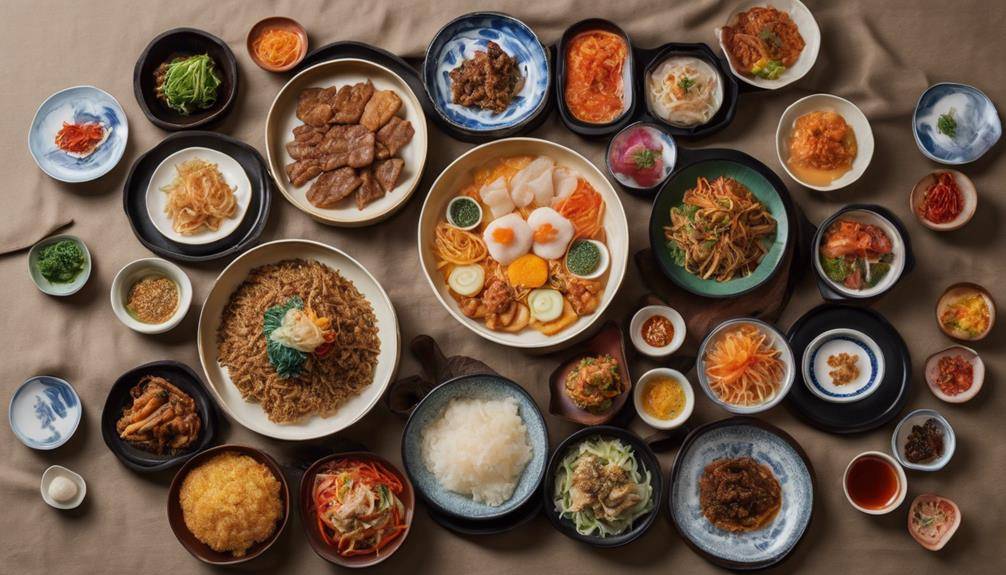
Why Are Traditional Korean Holiday Dishes So Special: Traditional Korean holiday dishes are special because they blend cultural history with meaningful symbolism. Each ingredient has significance; for instance, rice represents abundance, while seafood brings good fortune. You're not just enjoying a meal but participating in familial rituals that honor ancestors and strengthen bonds. Recipes passed down through generations tell stories of resilience and togetherness, making each dish a cherished experience. Seasonal variations further connect you to nature's rhythm, enhancing the flavors and atmosphere of celebrations. If you're curious about how these traditions have evolved and their modern adaptations, there's much more to explore.
Click Here and Turn Every Masterpiece into a Showstopper!
Historical Significance of Dishes
Many traditional Korean holiday dishes carry deep historical significance, reflecting the culture's values and beliefs. When you investigate these dishes, you'll notice how cooking techniques have been passed down through generations, shaping not only the flavors but also the stories behind each meal. For instance, the meticulous process of fermenting vegetables for kimchi isn't just a method of preservation; it's a practice rooted in the need for sustenance during harsh winters, showcasing resilience and resourcefulness.
As you explore further, you'll find that regional variations add another layer of richness to these dishes. Each area of Korea brings its unique twist to traditional recipes. In the coastal regions, you might encounter seafood-based dishes, while mountainous areas might focus on hearty grains and wild vegetables. These variations reflect the diverse landscapes and resources available, emphasizing the connection between the people and their environment.
Understanding the historical significance of these dishes allows you to appreciate the cultural heritage they embody. When you sit down to enjoy a bowl of tteokguk during the Lunar New Year, you're not only savoring a delicious meal; you're participating in a tradition that celebrates the new year and the hope for prosperity. So next time you prepare or enjoy a traditional Korean holiday dish, recognize the cooking techniques and regional variations that make it an essential part of Korea's rich culinary history.
Symbolism in Ingredients
The ingredients used in traditional Korean holiday dishes carry their own layers of symbolism, often tied to themes of prosperity, health, and good fortune. Each seasonal ingredient plays a vital role in conveying these meanings, making the dishes not just about taste but also about the messages they send. For instance, rice, a staple in Korean cuisine, symbolizes wealth and abundance. By incorporating rice into holiday dishes like tteok (rice cake), you honor the agricultural roots of the culture and invite prosperity into your home.
Similarly, vegetables like cabbage and radish are common in dishes such as kimchi. These seasonal ingredients symbolize health and nourishment. The act of fermenting these vegetables not only enhances their flavors but also represents the idea of preservation, ensuring that you have food and health throughout the year.
Seafood, often found in celebratory dishes, embodies the hope for good fortune. Fish are believed to bring luck, and their presence on the table signifies a wish for bountiful harvests.
Even fruits, like persimmons and pears, carry deep meanings. Persimmons are associated with good luck, while pears symbolize the wish for a prosperous future.
Cultural Practices Around Food
Korean culture embraces food with deep reverence, especially during holidays when meals become a focal point for family gatherings and rituals. You'll notice that the act of communal dining isn't just about sharing food; it's a cherished practice that reinforces bonds among family members. As you sit around the table, you're not only enjoying delicious dishes but also engaging in a time-honored tradition that emphasizes togetherness and connection.
During these holidays, specific food rituals come into play, often rooted in centuries of history. For instance, you might participate in a ceremony called "jesa," where families prepare a table of food offerings to honor their ancestors. This ritual not only showcases the importance of food but also highlights the respect and gratitude families hold for their lineage. Each dish on the table serves a purpose and conveys a message of love and remembrance.
Moreover, the preparation of holiday meals often involves teamwork, with family members gathering to cook and share recipes passed down through generations. This collaborative effort strengthens family ties and fosters a sense of unity. You'll find that every bite carries with it the weight of tradition, the joy of shared laughter, and the warmth of familial love.
In essence, the cultural practices surrounding food during Korean holidays elevate the experience beyond mere sustenance, transforming meals into meaningful gatherings that celebrate life, heritage, and togetherness.
Family Traditions and Recipes
When you gather with family during holidays, the recipes passed down through generations take center stage. Each dish not only fills your stomach but also carries stories and traditions that celebrate your heritage. These meals highlight the significance of togetherness and the love that binds your family.
Generational Recipe Handovers
In many families, passing down recipes isn't just about the food; it's a cherished tradition that binds generations together. When you gather around the table, you're not just enjoying a meal—you're partaking in a rich history of recipe preservation. Each dish carries stories, lessons, and love from those who came before you.
Imagine standing in the kitchen, your grandmother guiding your hands as you mix ingredients for her famous kimchi. In that moment, you're learning more than just how to cook; you're absorbing family history and values. These generational recipe handovers create a sense of familial bonding that transcends time.
As you take on the responsibility of preserving these recipes, you guarantee that your family's culinary heritage lives on. It's about creating connections, sharing laughter, and sometimes even tears, as you recreate beloved dishes. Each time you prepare a traditional dish, you're not just feeding your family; you're sharing a piece of your identity, your culture, and the warmth of togetherness. So, cherish these moments, and keep the tradition alive for future generations.
Celebratory Meal Significance
Gathering around the table for a celebratory meal, you can feel the weight of tradition in every dish served. Each bite is infused with celebratory flavors that tell a story—stories of your ancestors, family legends, and cultural pride. These meals aren't just about the food; they symbolize a connection to your roots and the importance of family bonds.
During joyous gatherings, you find comfort in familiar recipes passed down through generations. Whether it's savory bulgogi or sweet rice cake, every dish has its significance, often prepared with love and care. You realize that each recipe carries the essence of those who've come before you, making the meal a living reflection of your family's history.
As you share these dishes with loved ones, you're not just savoring flavors; you're also reinforcing your family traditions. The act of cooking and eating together fosters a sense of belonging, creating memories that last a lifetime. In every celebratory meal, you embrace the past while looking forward to the future, ensuring that these cherished recipes and the warmth of family gatherings continue for generations to come.
Click Here and Turn Every Masterpiece into a Showstopper!
Seasonal Variations and Celebrations
Korean holiday celebrations are deeply intertwined with seasonal variations, showcasing a vibrant tapestry of flavors that change throughout the year. Each season brings its own unique ingredients, creating a culinary experience that's both rich and diverse. During spring, you'll find dishes featuring fresh greens and herbs, like namul, which highlight the awakening of nature. As summer rolls around, the focus shifts to cooling dishes, such as cold noodles, perfect for those hot days.
Fall introduces a bounty of harvest flavors, with ingredients like chestnuts and sweet potatoes becoming stars in festive gatherings. The crispness in the air invites you to savor dishes that celebrate the autumn harvest, including hearty stews that warm your soul. Winter, on the other hand, is a time for rich stews and hearty meals, often featuring seasonal ingredients like kimchi and various root vegetables that provide warmth and sustenance during the cold months.
These seasonal ingredients not only enhance the flavor of the dishes but also connect you to the rhythm of nature and the cycle of life. In each festive gathering, you'll notice how these ingredients reflect the time of year, creating a comforting and familiar atmosphere. By embracing seasonal variations, Korean holiday dishes transform ordinary meals into extraordinary celebrations, making each occasion a true feast for the senses. So, whether you're enjoying a springtime feast or a winter gathering, you're partaking in a culinary tradition that honors the seasons and brings loved ones together.
Connection to Ancestral Worship
Amidst the vibrant flavors of holiday dishes, a profound connection to ancestral worship emerges, reinforcing the cultural significance of these celebrations. When you gather around the table during traditional Korean holidays, you're not just sharing food; you're honoring your ancestors. Each dish carries a story, a memory, and a gesture of ancestral reverence that transcends generations.
As you partake in these meals, you're engaging in a ritual that offers spiritual nourishment, not only for the body but for the soul. The preparation of these dishes often involves meticulous care and respect, reflecting the love and dedication of those who came before you. You might find yourself remembering the recipes passed down through your family, infused with the essence of your ancestors' lives and experiences.
During holidays like Chuseok and Seollal, you pay homage to your lineage through food. The act of setting up a ritual table, known as "jesa," is a heartfelt expression of gratitude. You'll arrange dishes like songpyeon and galbijjim, inviting the spirits of your ancestors to join the feast. This sacred act reinforces your connection to your heritage and fosters a sense of unity within your family.
In this way, traditional Korean holiday dishes are more than mere sustenance; they're symbols of love, respect, and continuity. As you savor each bite, you're not only tasting the flavors of your culture but also embracing the wisdom and spirit of those who paved the way for you.
Modern Adaptations and Innovations
Embracing modern adaptations and innovations, many families are reimagining traditional holiday dishes to suit contemporary tastes and lifestyles. You might notice that fusion cuisine is becoming increasingly popular, blending Korean flavors with international influences. This approach allows for exciting contemporary interpretations of classic dishes, making them more appealing to a diverse audience.
Chef innovations play a significant role in this evolution, as culinary professionals experiment with global influences and create dishes that resonate with modern diners. For instance, you may find kimchi tacos or bibimbap bowls featuring quinoa instead of rice. These ingredient substitutions not only refresh the classics but also cater to various dietary preferences.
Health adaptations are another trend you can observe. Many families are focusing on reducing sodium and sugar levels while incorporating more vegetables and lean proteins. This shift reflects a growing awareness of nutrition, ensuring that holiday feasts are both delicious and wholesome.
As restaurant trends evolve, you'll see modern plating techniques that elevate traditional dishes. Imagine a beautifully arranged table, where vibrant colors and artistic presentations enhance your dining experience. This attention to aesthetics not only makes the food more enticing but also connects the past and present in a visually stunning way.
In this dynamic culinary landscape, traditional Korean holiday dishes continue to thrive, proving that innovation can coexist with tradition. You're witnessing a beautiful blend of heritage and modernity on your plate, making every bite a celebration of culture and creativity.
Click Here and Turn Every Masterpiece into a Showstopper!
Frequently Asked Questions: Why Are Traditional Korean Holiday Dishes So Special
What Are the Most Popular Traditional Korean Holiday Dishes?
You'll find popular traditional Korean holiday dishes like tteokguk and japchae, showcasing seasonal ingredients. Each dish carries cultural significance, reflecting the values and traditions of Korean heritage while bringing families together during festive celebrations.
How Do Regional Variations Affect Holiday Dishes in Korea?
Regional variations shape holiday dishes in Korea by using local ingredients. You'll discover unique flavors and methods, each reflecting cultural significance, which enhances your appreciation for the diversity in Korean culinary traditions during festive celebrations.
Are There Any Specific Cooking Techniques Unique to These Dishes?
When exploring Korean holiday dishes, you'll find unique cooking techniques like fermentation techniques that enhance flavors and grilling methods that bring out rich textures. These practices create delightful, authentic experiences you won't want to miss.
How Do Dietary Restrictions Influence Holiday Meal Preparations?
Dietary restrictions greatly influence holiday meal preparations. You can create vegan adaptations and gluten-free options, ensuring everyone enjoys the feast. By adjusting recipes, you maintain tradition while accommodating diverse dietary needs, enhancing the celebration for all.
What Role Do Beverages Play in Korean Holiday Celebrations?
In Korean holiday celebrations, beverages enhance the experience. You'll find festive drinks and beverage pairings elevating the meal, complementing flavors, and creating a lively atmosphere, making the occasion even more memorable and enjoyable for everyone.

Conclusion
To sum up, traditional Korean holiday dishes hold a special place in your heart and culture. Their historical significance and the symbolism of ingredients connect you to your ancestors and family traditions. The rituals around these meals foster a sense of togetherness, while seasonal variations keep the celebrations vibrant. Even as modern adaptations emerge, the essence of these dishes remains, allowing you to honor the past while creating new memories with loved ones during festive occasions.