8 Must-Try Moroccan Holiday Dishes And Traditions
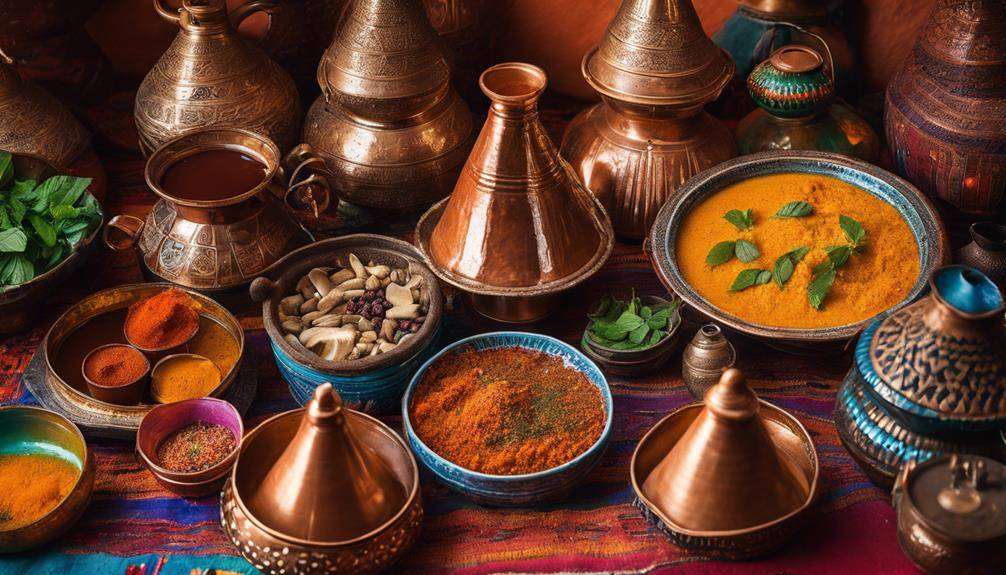
8 Must-Try Moroccan Holiday Dishes And Traditions: When you explore Moroccan holiday dishes, you'll discover a rich tapestry of flavors. Start with Couscous with Seven Vegetables, a colorful staple. Lamb Tagine with Dried Fruits combines savory and sweet, while Pastilla offers a unique savory-sweet pie experience. Don't miss Harira, a hearty soup perfect for breaking fast during Ramadan. Mechoui, spit-roasted lamb, creates a communal feast atmosphere. Savor the tradition of Moroccan Mint Tea, and indulge in Kaab El Ghazal, delightful almond cookies. During Eid Al-Adha, you'll experience the spirit of generosity through shared meals. Stick around to uncover more delicious traditions that await you!
Click Here and Turn Every Masterpiece into a Showstopper!
Couscous With Seven Vegetables
Have you ever tasted the vibrant flavors of Couscous With Seven Vegetables? This dish is a staple of Moroccan cuisine, and it brings together an array of fresh, colorful vegetables and the light, fluffy texture of couscous. Preparing this dish is a delightful experience, especially when you explore the various cooking techniques that enhance the flavors of each ingredient.
To create Couscous With Seven Vegetables, you'll typically start by steaming the couscous until it's perfectly tender. You can use a couscoussière, a traditional Moroccan steamer, which allows the steam from the simmering vegetables to infuse the couscous with rich flavors. While the couscous cooks, you'll sauté a mix of vegetable varieties such as carrots, zucchini, and bell peppers in a flavorful broth. Don't forget to add chickpeas for added texture and protein!
Each vegetable you choose contributes its unique taste, making the dish not only nutritious but also visually appealing. The layering of spices, including cumin and coriander, enhances the overall flavor profile. Some variations even include pumpkin or eggplant, so feel free to experiment with whatever you have on hand.
Lamb Tagine With Dried Fruits
Following the vibrant flavors of Couscous With Seven Vegetables, Lamb Tagine With Dried Fruits offers a rich and hearty contrast that showcases the depth of Moroccan cuisine. This iconic dish is perfect for festive gatherings, bringing warmth and flavor to your table. As you prepare the tagine, you'll appreciate how the tender lamb melds beautifully with a medley of aromatic spices, such as cinnamon, cumin, and coriander. These lamb spices create a savory foundation that enhances the natural sweetness of dried fruits like apricots, prunes, and raisins.
To cook this delightful dish, start by searing the lamb until it's golden brown. This step locks in the juices and flavor, ensuring every bite is succulent. Next, add your spices and let them bloom, filling your kitchen with an enticing aroma. Then, layer in the dried fruits and a splash of broth. Cover the tagine and let it simmer gently, allowing the flavors to meld and the lamb to become fork-tender.
As the tagine cooks, you can prepare a side of fluffy couscous or crusty bread to soak up the rich sauce. When it's time to serve, the vibrant colors of the dish will beckon your guests, and the intoxicating scents will draw everyone in. Lamb Tagine With Dried Fruits is more than a meal; it's a celebration of Moroccan culture and hospitality, perfect for creating unforgettable memories with family and friends.
Pastilla: Savory-Sweet Pie
When you think of Moroccan cuisine, Pastilla stands out as a unique dish that blends savory and sweet flavors. This pie combines tender meat, spices, and a delicate layer of pastry, showcasing the rich ingredients and preparation techniques used in Moroccan cooking. You'll also discover its cultural significance and the various regional twists that make Pastilla a beloved holiday treat.
Ingredients and Preparation Techniques
To whip up a delightful Pastilla, you'll need a blend of savory and sweet ingredients that reflect the rich culinary traditions of Morocco. Start with pigeon or chicken, seasoned with aromatic spice blends like cinnamon, saffron, and ras el hanout. These spices give the dish its signature flavor. You'll also need onions, almonds, and eggs to create a filling that balances the sweet and savory notes.
For the cooking method, begin by sautéing the onions until they're translucent, then add your meat and spices, allowing them to cook until tender. Once cooked, shred the meat and mix it with the eggs and toasted almonds, creating a creamy filling.
Next, you'll layer the filling between sheets of warqa (similar to phyllo dough). Brush each layer with melted butter, ensuring a crispy texture once baked. After assembling the Pastilla, bake it until golden brown, letting the aroma fill your kitchen. Finally, dust your masterpiece with powdered sugar and cinnamon for that perfect sweet finish. This combination of techniques and ingredients makes Pastilla a truly scrumptious dish to savor during your Moroccan holiday celebrations.
Cultural Significance and Variations
Pastilla is more than just a dish; it embodies the rich tapestry of Moroccan culture and tradition. This savory-sweet pie holds deep cultural significance, often served during festive gatherings like weddings and Eid celebrations. You'll find that its intricate layers and diverse flavors reflect Morocco's historical influences, blending Arab, Berber, and Andalusian culinary styles.
As you savor a bite of pastilla, you're not just enjoying a meal; you're experiencing a piece of the nation's cultural heritage. Its preparation involves family and friends, creating a sense of community and shared experience that's essential to Moroccan celebrations. Each region offers its variations, with fillings ranging from pigeon to chicken, and spices that can change the entire flavor profile.
What makes pastilla truly special is how it symbolizes generosity and hospitality. When you're invited to share a meal featuring pastilla, it's a warm invitation to partake in Moroccan traditions. So, next time you indulge in this dish, remember that you're partaking in a vibrant cultural narrative that spans generations, celebrating life's special moments together.
Harira: Hearty Soup
When you think of Moroccan cuisine, Harira stands out as a hearty soup that warms both body and soul. You'll discover its rich ingredients and the steps to prepare it, reflecting the cultural significance it holds during special occasions. Plus, the variations across regions add unique twists that make each bowl of Harira a delightful experience.
Ingredients and Preparation Steps
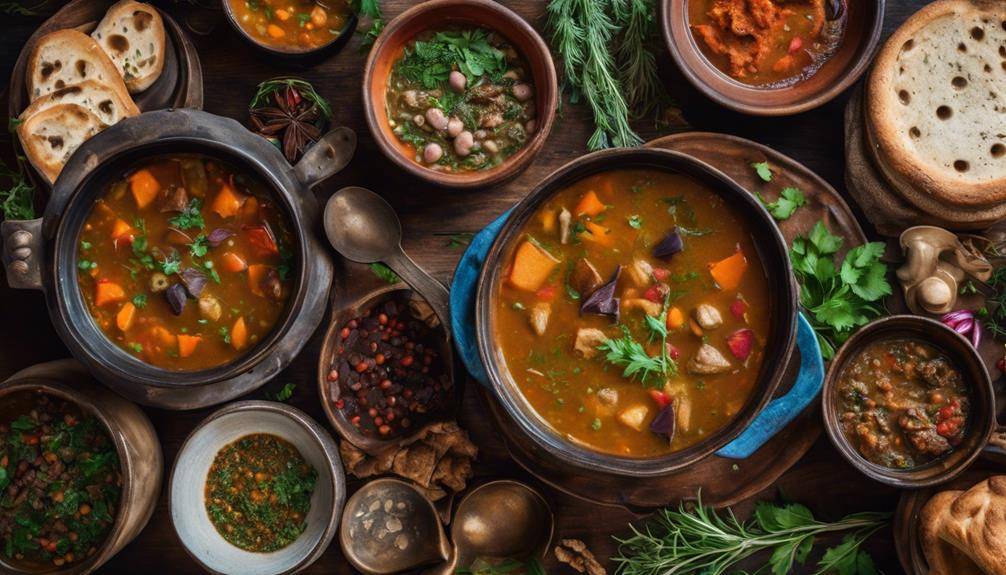
Harira, a hearty Moroccan soup, combines a rich blend of ingredients that create a comforting dish perfect for breaking fast or warming up on a chilly evening. To make Harira, you'll need key ingredients like chickpeas, lentils, tomatoes, and fresh herbs such as cilantro and parsley. Don't forget to add some meat, typically lamb or beef, for depth of flavor.
Start by soaking the chickpeas overnight. In a large pot, sauté chopped onions, garlic, and your chosen meat in olive oil until browned. Then, add diced tomatoes, along with your favorite spice blends, including cumin, coriander, and a pinch of cinnamon. Stir it all together to release those fragrant aromas.
Next, add the soaked chickpeas and lentils, along with water or broth, and bring the mixture to a boil. Reduce the heat and let it simmer for about an hour until everything is tender. As a final touch, mix in some vermicelli or rice for a heartier consistency. Just before serving, garnish with the fresh herbs. Enjoy your warm bowl of Harira, showcasing traditional Moroccan cooking techniques in every spoonful!
Cultural Significance of Harira
Beyond its comforting flavors, Harira holds deep cultural significance in Moroccan society. This hearty soup isn't just a meal; it's a tradition that reflects the warmth and hospitality of Moroccan culture. Traditionally served during Ramadan, Harira symbolizes the end of a day's fast, bringing families together to break bread and share stories. Its harira history traces back centuries, showcasing the blend of Berber, Arab, and Andalusian influences that have shaped Moroccan cuisine.
You'll appreciate that Harira is rich in nutritional benefits, packed with proteins from lentils and chickpeas, vitamins from fresh herbs, and essential nutrients from tomatoes. It's a wholesome dish that nourishes both the body and spirit, making it a staple during special occasions and everyday life.
When you enjoy Harira, you're not just savoring a delicious soup; you're partaking in a ritual that connects generations. Each bowl tells a story, reminding you of the importance of community and family in Moroccan culture. So, whether you're sharing it with loved ones during Ramadan or on any festive occasion, Harira represents a heartfelt connection to Morocco's rich heritage.
Variations Across Regions
Although Harira is a beloved staple throughout Morocco, its variations reveal the unique tastes and traditions of different regions. When you travel from one area to another, you'll discover that local ingredients and regional spices shape each version of this hearty soup. In cities like Marrakech, you might find Harira infused with a rich blend of cumin and coriander, while in Fes, the soup often features a hint of lemon for a revitalizing twist.
In coastal towns, seafood might make a surprise appearance, reflecting the region's access to the ocean. Meanwhile, Berber communities often utilize traditional cooking methods, adding local herbs and spices that highlight their agricultural heritage. You'll also notice that some regions prefer a thicker consistency, packed with lentils and chickpeas, while others serve a lighter broth, allowing the spices to take center stage.
No matter where you are in Morocco, Harira brings people together, showcasing the diversity of flavors and cooking techniques that define each area. So, whether you're savoring a bowl in a bustling market or at a family gathering, you're tasting a piece of Morocco's rich culinary tapestry.
Click Here and Turn Every Masterpiece into a Showstopper!
Moroccan Mint Tea
At the heart of Moroccan hospitality lies the beloved ritual of brewing Moroccan mint tea, a fragrant blend that captures the essence of the country's rich culture. This cherished tradition isn't just about sipping tea; it's an art form, showcasing unique brewing techniques passed down through generations. As you gather ingredients, fresh mint leaves and green tea are essential. You'll also need sugar, as the tea is typically sweetened to enhance its flavor.
To start, bring water to a boil, then add the green tea to steep briefly. Afterward, you'll rinse the leaves and mix them with fresh mint and sugar. Pouring the tea from a height creates a frothy layer, which is a hallmark of Moroccan preparation. This technique not only aerates the tea but also enhances its aroma and taste.
When it comes to serving customs, you'll find that tea is poured into small glasses, often accompanied by a round of friendly conversation. Traditionally, the first glass is poured for the esteemed guest, symbolizing respect and hospitality. As you sip your tea, you'll notice that it's not just a drink; it's a social experience. Each pour is a chance to engage, share stories, and connect with those around you. So, next time you find yourself in a Moroccan home, embrace the ritual of mint tea, and let its warmth and flavor envelop you in the country's delightful culture.
Mechoui: Spit-Roasted Lamb
After enjoying a cup of Moroccan mint tea, you might find yourself captivated by another culinary highlight: Mechoui, or spit-roasted lamb. This traditional dish is a true feast for the senses, often prepared for special occasions and gatherings. The process involves expertly using spit roasting techniques that allow the lamb to cook evenly, resulting in succulent, tender meat with a perfectly crispy exterior.
To create the ideal Mechoui, you'll want to start with a whole lamb, typically seasoned with a blend of spices that may include cumin, coriander, and garlic. This lamb seasoning not only enhances the flavor but also infuses the meat with the aromatic essence of Moroccan cuisine. You can marinate the lamb for several hours or even overnight to let the flavors meld beautifully.
When it's time to cook, you'll skewer the lamb onto a long spit and place it over an open fire or hot coals. The slow, steady heat allows the fat to render and baste the meat, making it incredibly juicy. As it cooks, the aroma wafts through the air, drawing everyone to the grill.
Once the lamb is perfectly roasted, it's typically served with flatbreads and various side dishes. You'll find that sharing a plate of Mechoui with family and friends creates a sense of togetherness, making it a cherished part of any Moroccan holiday celebration. Don't miss this unforgettable culinary experience!
Kaab El Ghazal: Almond Cookies
Explore the sweet world of Kaab El Ghazal, or almond cookies, and you'll quickly discover why these treats are a beloved Moroccan delicacy. With their delicate flavor and inviting aroma, these cookies have deep roots in Moroccan culture, showcasing the rich almond origins that date back centuries. Made primarily from ground almonds, sugar, and orange blossom water, they offer a unique blend of sweetness and floral notes that'll transport you straight to a bustling Moroccan market.
What sets Kaab El Ghazal apart are the cookie variations you can find across different regions. While the classic version features a crescent shape, some bakers get creative with fillings, using a mix of spices or even marzipan. You might also encounter variations that incorporate different nuts or unique flavorings, each offering a delightful twist on the traditional recipe.
As you prepare to indulge in these treats, consider how they're often served during special occasions, from festive gatherings to simple family celebrations. The process of crafting these cookies can be just as enjoyable as eating them, as you roll and shape the dough, filling each piece with love and care.
Kaab El Ghazal isn't just a cookie; it's a piece of Moroccan heritage that's meant to be savored. Whether you're enjoying them with a cup of tea or gifting them to friends, these almond cookies will surely leave a lasting impression.
Celebrating Eid Al-Adha Traditions
Eid Al-Adha is a time for celebration, family gatherings, and sharing delicious food, much like the festive spirit that surrounds the enjoyment of Kaab El Ghazal. This holiday, also known as the "Festival of Sacrifice," commemorates the willingness of Ibrahim to sacrifice his son in obedience to God. During Eid celebrations, families come together to perform sacrificial rituals, which often involve the slaughtering of sheep or goats. This act symbolizes faith and devotion, and the meat is then distributed among family, friends, and those in need.
You'll find that the day starts with a special prayer at the mosque, where everyone comes dressed in their finest clothes. Once the prayers conclude, the real festivities begin! Families gather to share meals that include traditional dishes infused with spices and flavors unique to Moroccan cuisine. You'll likely enjoy tagines, couscous, and, of course, a variety of sweets, including those delectable Kaab El Ghazal cookies.
As you partake in these rituals, you'll notice the emphasis on generosity and community. Sharing the sacrificial meat and inviting friends and neighbors to join in the festivity fosters a sense of unity and compassion. It's a beautiful reminder of the importance of giving back. So, whether you're savoring delicious food or engaging in heartfelt conversations, Eid Al-Adha traditions truly embody the spirit of togetherness. Embrace the joy, warmth, and flavors that this special holiday brings!
Click Here and Turn Every Masterpiece into a Showstopper!
Frequently Asked Questions: 8 Must-Try Moroccan Holiday Dishes And Traditions
What Drinks Pair Well With Moroccan Holiday Dishes?
When enjoying Moroccan holiday dishes, you'll love pairing them with invigorating mint tea or vibrant fruit juices. These drinks complement the rich flavors beautifully, enhancing your dining experience with their aromatic and sweet notes.
Are There Vegetarian Options for Traditional Moroccan Dishes?
Absolutely, you'll find plenty of Moroccan vegetarian options! Dishes crafted with traditional ingredients like couscous, chickpeas, and seasonal vegetables showcase vibrant flavors, ensuring you experience the rich culinary heritage without meat. Enjoy every bite!
How Can I Recreate These Dishes at Home?
To recreate these dishes at home, gather traditional ingredients like spices and vegetables. Use authentic cooking techniques such as tagine or slow cooking to enhance flavors. Experiment with recipes until you master the delicious Moroccan essence.
What Spices Are Essential in Moroccan Cooking?
In Moroccan cooking, essential spices include cumin, coriander, cinnamon, and saffron. You'll love experimenting with traditional spice blends like ras el hanout. For freshness, store spices in airtight containers away from light and heat.
How Do Family Gatherings Influence Moroccan Holiday Meals?
Family gatherings shape Moroccan holiday meals by emphasizing communal dining. You'll savor family recipes passed down through generations, creating a warm atmosphere that strengthens bonds and celebrates cultural traditions, making each meal a cherished experience.

Conclusion
Now that you know these eight must-try Moroccan holiday dishes and traditions, it's time to plunge into and experience the vibrant flavors and rich cultural heritage of Morocco. Whether you're savoring a hearty bowl of harira or enjoying the sweetness of kaab el ghazal, each dish tells a story. So gather your friends and family, embrace these culinary delights, and celebrate the traditions that make Moroccan holidays truly unforgettable! Bon appétit!