Why Is Calamansi An Essential Ingredient In Filipino Dishes
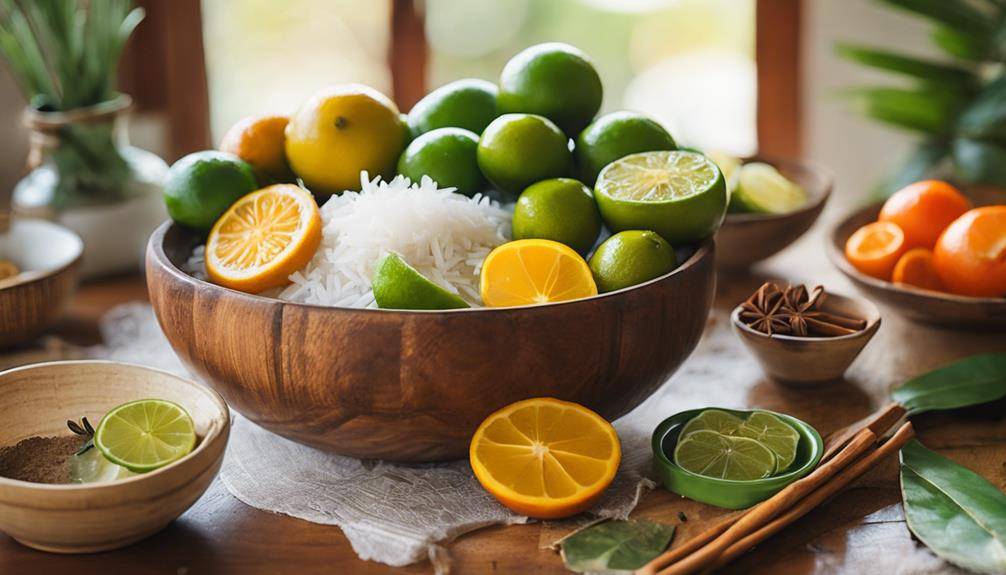
Why Is Calamansi An Essential Ingredient In Filipino Dishes: Calamansi is essential in Filipino dishes because its unique tangy-sweet flavor elevates a variety of meals. You'll find it in marinades, sauces, and traditional favorites like sinigang and adobo, where it balances rich, savory elements. Beyond taste, calamansi carries deep cultural significance, connecting you to Filipino heritage and community. It's also packed with health benefits, like being high in vitamin C. Whether you're concocting invigorating drinks or adding a pop to desserts, calamansi truly transforms your culinary experience. Keep exploring to uncover even more about this versatile ingredient and how it enhances Filipino cuisine.
Click Here and Turn Every Masterpiece into a Showstopper!
The Flavor Profile of Calamansi
Calamansi, often referred to as the "Philippine lime," packs a unique flavor that's both tangy and slightly sweet. This vibrant citrus fruit is a staple in Filipino cooking, offering a bright burst of taste that can elevate a wide range of dishes. You'll find that calamansi varieties vary in size and acidity, but they all share that signature zesty kick. The most common type, the calamondin, is small, round, and perfect for squeezing over foods or blending into sauces.
When you explore culinary pairings, you'll see how versatile calamansi can be. It complements savory dishes like adobo and sinigang, providing a rejuvenating contrast to the rich flavors. You can also use it in marinades, enhancing the taste of grilled meats or seafood. The acidity in calamansi helps tenderize proteins while infusing them with a citrusy note that's simply irresistible.
Don't forget about sweet applications! Calamansi juice can be used in desserts, cocktails, and even salad dressings, giving you that perfect balance of sweet and tart. Imagine drizzling it over a fresh fruit salad or mixing it into a revitalizing beverage. Its ability to enhance both sweet and savory dishes makes calamansi an essential ingredient in Filipino cuisine. So, whether you're whipping up a traditional meal or experimenting with new recipes, remember to incorporate this delightful fruit for an unforgettable flavor experience.
Historical Significance in Filipino Cuisine
When you explore Filipino cuisine, you'll uncover how traditional culinary practices shape its dishes. You'll see that ingredients like calamansi not only enhance flavor but also carry deep cultural symbolism and identity. Plus, the regional variations in how it's used highlight the rich tapestry of Filipino food history.
Traditional Culinary Practices
Traditional culinary practices in the Philippines have deep historical roots that reflect the country's rich cultural tapestry. These practices, passed down through generations, often involve traditional harvesting techniques that emphasize sustainability and respect for nature. You'll find that many Filipino dishes incorporate local ingredients, showcasing a profound connection to the land and its offerings.
Culinary traditions in the Philippines are diverse, blending influences from indigenous, Spanish, Chinese, and American cuisines. This melting pot of flavors means you often use fresh, vibrant ingredients like calamansi, which is a staple in many recipes. You might find it used in marinades, dipping sauces, or simply squeezed over grilled dishes to enhance their taste.
As you explore these traditional practices, you'll appreciate how they not only preserve the flavors of the past but also foster a sense of community and identity among Filipinos. Cooking and sharing meals together is an essential aspect of Filipino culture, intertwining history with daily life. Embracing these culinary traditions allows you to honor the legacy of those who came before, ensuring that their stories and flavors continue to thrive.
Cultural Symbolism and Identity
Food in the Philippines serves as a powerful symbol of identity and cultural heritage. When you think of Filipino cuisine, calamansi often comes to mind. This small citrus fruit isn't just a flavor enhancer; it embodies the rich culinary traditions that reflect the country's history and resilience. You'll notice that calamansi appears in countless dishes, from marinades to dipping sauces, showcasing its versatility and importance in everyday meals.
By incorporating calamansi into your cooking, you're participating in a longstanding practice that connects you to your ancestors and the diverse influences that shaped Filipino culture. Each time you squeeze a bit of this tangy fruit, you're also honoring the agricultural roots and the communal meals that promote togetherness among families and friends.
Culinary traditions in the Philippines often revolve around shared experiences, where food becomes a medium for storytelling. Calamansi, with its distinct flavor, not only elevates dishes but also serves as a reminder of the country's vibrant history. Embracing this ingredient allows you to celebrate your identity and appreciate the cultural heritage that defines Filipino cuisine.
Regional Variations and Uses
Filipino cuisine showcases a rich tapestry of regional variations, each reflecting the unique influences and ingredients found in different parts of the archipelago. Calamansi plays a crucial role in these regional adaptations, enhancing flavors and elevating dishes to new heights. In the Visayas, you might find it used in a tangy dipping sauce for grilled seafood, while in Mindanao, it often complements spicy dishes like beef rendang.
Culinary innovations across the regions also highlight calamansi's versatility. In Luzon, it's common to see calamansi juice incorporated into marinades for meats, providing a zesty kick that tenderizes and infuses flavor. Meanwhile, in urban areas, chefs experiment with calamansi in desserts, like sorbets and cakes, marrying traditional taste with modern techniques.
You'll discover that calamansi isn't just a flavoring agent; it's a bridge connecting the diverse culinary landscape of the Philippines. Whether you're enjoying a classic sinigang or a contemporary fusion dish, calamansi enhances your dining experience, making it an indispensable ingredient in not just one, but countless Filipino dishes across the regions.
Common Dishes Featuring Calamansi
When you think of calamansi, several delicious Filipino dishes probably come to mind. This tangy fruit shines in sinigang, enhances marinades and sauces, and makes revitalizing beverages that are perfect for any occasion. Let's explore how calamansi elevates these beloved dishes and drinks.
Calamansi in Sinigang
In the heart of every bowl of sinigang lies calamansi, a small citrus fruit that elevates the dish with its vibrant acidity. You'll notice how calamansi acidity adds a revitalizing zing, perfectly balancing the rich, savory flavors of the broth. Whether you're enjoying pork, shrimp, or beef sinigang variations, this tangy ingredient enhances the overall experience, making each spoonful burst with flavor.
You might find yourself adjusting the amount of calamansi juice to suit your taste. A little goes a long way! As you squeeze fresh calamansi into your sinigang, you're not just adding flavor; you're also embracing a traditional practice that Filipino families have cherished for generations. The interplay between the sourness of calamansi and the umami of the meat creates a harmonious blend that's hard to resist.
Next time you savor sinigang, pay attention to how calamansi transforms the dish. It's more than just a garnish; it's an essential component that highlights the freshness of the ingredients. So grab that calamansi, and let it take your sinigang to the next level!
Marinades and Sauces
Calamansi doesn't just shine in sinigang; it also plays a starring role in marinades and sauces that bring Filipino dishes to life. Its tangy flavor enhances meats and seafood, making it a go-to ingredient for marinating chicken or fish. You'll find that combining calamansi juice with soy sauce, garlic, and pepper creates a delightful marinade that not only tenderizes your protein but also infuses it with a zesty kick.
When you're whipping up sauces, calamansi adds that pop of acidity that balances rich flavors. Try using it in dipping sauces for lumpia or grilled meats—just mix calamansi juice with soy sauce and chili for a revitalizing twist.
Don't forget the health benefits! Calamansi is rich in vitamin C, which can boost your immune system. If you're looking for calamansi cooking tips, remember to use the juice fresh for the best flavor and nutrients. You can also zest the peel for an extra aromatic touch in your dishes. With calamansi in your kitchen, you'll elevate your meals while enjoying its health perks!
Refreshing Calamansi Beverages
For a truly invigorating experience, you can't go wrong with calamansi beverages that quench your thirst and revitalize your palate. One of the most popular options is calamansi lemonade. This zesty drink combines the tartness of calamansi with the sweetness of sugar and the freshness of water, creating a perfect balance that rejuvenates you on a hot day. You can easily make it at home by mixing freshly squeezed calamansi juice with water and sweetener to your liking.
If you're looking for something a bit more spirited, try calamansi cocktails. These drinks bring an exciting twist to classic cocktails, incorporating calamansi juice for that unique tangy flavor. Whether you're mixing it with vodka, rum, or gin, calamansi adds a delightful citrusy kick that elevates your drink game.
You can also experiment by adding calamansi to iced teas or sparkling water for an extra pop of flavor. No matter which calamansi beverage you choose, you'll find that its invigorating qualities make it a must-have for any gathering or a simple afternoon treat. So, grab some calamansi and get mixing!
Calamansi in Marinades and Sauces
A splash of calamansi can elevate your marinades and sauces, bringing a bright, tangy flavor that perfectly complements many Filipino dishes. If you're looking to enhance the taste of your grilled meats or seafood, calamansi is your go-to ingredient. Its acidity acts as a natural tenderizer, breaking down proteins and making your dishes more flavorful.
When you're experimenting with marinade techniques, consider combining calamansi juice with soy sauce, garlic, and spices. This combination not only tenderizes but also infuses your meat with a rich, savory profile. You can marinate chicken, pork, or beef for a few hours, allowing the flavors to meld beautifully.
For those who love experimenting with sauce varieties, calamansi can be a game-changer. You can whip up a quick dipping sauce by mixing calamansi juice with soy sauce and chili for a spicy kick. This sauce pairs excellently with fried dishes, adding a zesty contrast that brightens up every bite.
Whether you're preparing a classic adobo or a fresh seafood dish, incorporating calamansi into your marinades and sauces will certainly enhance the overall experience. So next time you're in the kitchen, don't forget to reach for that bottle of calamansi juice. It's a simple yet powerful way to bring your Filipino cooking to the next level, delighting your guests and family with vibrant flavors they'll love.
The Role of Calamansi in Beverages
Calamansi adds a invigorating citrus flavor that can elevate any beverage. You'll find it's a versatile drink enhancer, perfect for everything from iced teas to cocktails. With just a squeeze, you can transform your drink into a zesty delight.
Refreshing Citrus Flavor
In Filipino cuisine, the invigorating citrus flavor of calamansi elevates beverages, making them a staple in many households. You'll find this small, green fruit adds a revitalizing zing to drinks, enhancing their overall taste. From traditional calamansi juice to modern concoctions, the calamansi uses are endless. It's often paired with water and sugar, creating a thirst-quenching beverage that's both simple and satisfying.
When you experiment with calamansi, you tap into a world of culinary creativity. You can mix it with iced tea for a citrus twist or even blend it into cocktails for a unique flavor profile. Its versatility allows you to create both sweet and tangy drinks, offering something for everyone.
Calamansi also shines in cold beverages, especially during hot days when you want something invigorating. You can even use it to elevate smoothies or milkshakes, giving them a vibrant kick. With its ability to balance sweetness and acidity, calamansi makes every sip an experience. So, when you're looking to brighten up your drink menu, remember to reach for calamansi—it's a game-changer!
Versatile Drink Enhancer
Many home cooks know calamansi as a versatile drink enhancer that brings a burst of flavor to an array of beverages. This tiny citrus fruit is perfect for adding a revitalizing tang to your favorite drinks. Whether you're mixing up calamansi cocktails or simply sprucing up water, the zesty taste elevates any beverage to the next level.
You can easily incorporate calamansi juice into classic cocktails like mojitos or margaritas, creating a unique twist that'll impress your guests. Its bright acidity balances the sweetness of other ingredients, making your drinks more vibrant. If you're not in the mood for alcohol, try adding calamansi to iced tea or lemonade for a revitalizing summer drink.
Calamansi isn't just limited to drinks, though. You can also use it in calamansi desserts, like cheesecakes or sorbets, to provide a citrusy kick that complements the sweetness. The versatility of calamansi guarantees you can experiment with different flavor combinations, making it a staple in your beverage repertoire. So next time you're in the kitchen, don't forget to reach for this little fruit to enhance your drinks and desserts alike!
Nutritional Benefits of Calamansi
A small citrus fruit, calamansi packs a powerful nutritional punch that can enhance your diet. You may not realize it, but this tiny fruit is loaded with health benefits that can contribute to your overall well-being. Calamansi is rich in vitamin C, which is essential for boosting your immune system and promoting skin health. Just a few drops of calamansi juice can provide you with a significant portion of your daily vitamin C requirements.
In addition to its impressive vitamin content, calamansi also contains antioxidants, which help combat free radicals in your body. This means that incorporating calamansi into your meals can reduce oxidative stress and lower the risk of chronic diseases. Plus, the flavonoids found in calamansi can aid in digestion and support a healthy metabolism.
If you're looking to manage your weight, the low-calorie nature of calamansi makes it an excellent addition to your diet. You can easily use it as a dressing or flavor enhancer for your dishes without worrying about excess calories. Moreover, calamansi has been linked to improved oral health, as its antibacterial properties can help combat bad breath and oral infections.
Calamansi as a Natural Preservative
When you think about preserving your food, consider calamansi as a natural option. Its antimicrobial properties help keep your dishes fresh longer, enhancing their shelf life without artificial additives. Incorporating calamansi into your recipes not only boosts flavor but also acts as a safeguard against spoilage.
Antimicrobial Properties of Calamansi
Calamansi frequently shines in Filipino cuisine not just for its vibrant flavor but also for its impressive antimicrobial properties. When you incorporate this tangy fruit into your dishes, you're not only enhancing taste but also adding a layer of protection against harmful bacteria. The calamansi benefits extend beyond flavor, as its juice contains compounds that can inhibit the growth of various pathogens.
Research shows that the antimicrobial effects of calamansi can help reduce foodborne illnesses, making your meals safer to enjoy. Whether you're marinating meats or using it as a dressing for salads, the natural acidity in calamansi acts as a barrier against spoilage.
Imagine squeezing fresh calamansi over grilled seafood or mixing it into a dipping sauce for fried snacks; you're not just elevating the dish but also harnessing its protective qualities. It's an easy way to guarantee that what you're serving is not only delicious but also healthy. So, when you're cooking Filipino dishes, remember that calamansi is more than just a flavor booster—it's a natural ally in keeping your food safe and tasty.
Enhancing Shelf Life
Preservation is key in maintaining the freshness of food, and calamansi serves as a powerful natural preservative in Filipino cuisine. You can utilize calamansi preservation techniques to extend the shelf life of various dishes, thanks to its high acidity. When you incorporate calamansi juice into marinades or dressings, it not only enhances flavor but also inhibits the growth of harmful bacteria.
For instance, if you're preparing pickled vegetables, adding calamansi juice can greatly prolong their freshness. The citric acid in calamansi acts as a barrier against spoilage, allowing your favorite recipes to last longer without losing their taste or texture. You can also use calamansi in seafood dishes, where it serves as both a flavor booster and a means of preservation.
Moreover, if you want to store leftovers, a splash of calamansi juice can help maintain their quality and safety. This simple addition is a game-changer in Filipino kitchens, allowing you to enjoy your meals longer and minimize waste. By adopting these calamansi preservation techniques, you not only enhance your culinary creations but also embrace a sustainable approach to food.
Click Here and Turn Every Masterpiece into a Showstopper!
Pairing Calamansi With Other Ingredients
Throughout Filipino cuisine, pairing calamansi with other ingredients enhances the depth of flavors in dishes. This small citrus fruit, with its unique tartness, can elevate any meal when combined thoughtfully. You'll find that calamansi flavor shines in many traditional recipes, creating a balance that brings out the best in other ingredients.
For instance, when you mix calamansi juice with soy sauce, it becomes a zesty marinade that tenderizes meats and infuses them with a revitalizing kick. This ingredient combination works wonders in dishes like adobo or grilled meats, where the acidity cuts through the richness, making every bite more enjoyable.
Another delightful pairing is with chili peppers. The heat from the peppers complements the bright acidity of calamansi, creating a harmonious balance. You can use this combination in dipping sauces for lumpia or even as a dressing for salads, enhancing the overall taste experience.
Don't forget about seafood! A splash of calamansi juice can transform a simple grilled fish into a culinary delight. Its citrusy notes blend beautifully with the salty ocean flavors, making each bite burst with vigor.
Experimenting with calamansi in desserts can also yield surprising results. Pairing it with coconut milk or adding it to fruit salads can create a revitalizing finish to your meal.
Calamansi in Regional Filipino Dishes
While exploring the diverse flavors of regional Filipino dishes, you'll discover that calamansi plays a pivotal role in many recipes across the archipelago. This small citrus fruit, with its tangy taste, is integral to the culinary identity of the Philippines. Different calamansi varieties, each with unique flavor profiles, find their way into various regional specialties, enhancing dishes that range from savory to sweet.
In Luzon, for example, you might encounter sinigang, a sour soup that often incorporates calamansi for an added zing. The invigorating acidity cuts through the richness of the broth, balancing the flavors beautifully. Moving south to the Visayas, calamansi is frequently used in kinilaw, a raw fish dish marinated in vinegar and citrus juices. The fruit's brightness elevates the dish, making it a favorite during gatherings.
In Mindanao, you'll find calamansi cultivated extensively, contributing to local delicacies. The fruit's juice is often mixed into sauces and dips, adding layers of flavor to grilled meats. It's not just a seasoning; it's a key component that brings out the best in regional recipes.
Calamansi cultivation thrives in the Philippines thanks to the tropical climate, making it readily available for home cooks and professional chefs alike. As you explore these regional dishes, you'll appreciate how calamansi not only enhances flavors but also connects you to the rich food heritage of the Philippines.
How to Use Calamansi Effectively
Calamansi is a versatile ingredient that can elevate your dishes with its bright, tangy flavor. You can use it in countless ways to enhance both your cooking and your health. One of the most popular calamansi uses is as a marinade for meats and seafood. Its acidity helps tenderize proteins while infusing them with a revitalizing taste. Simply mix freshly squeezed calamansi juice with soy sauce, garlic, and pepper, and let your ingredients soak for at least 30 minutes.
Another effective way to use calamansi is in dressings and dipping sauces. Combine calamansi juice with olive oil, honey, and a hint of mustard for a zesty salad dressing. You can also mix it with soy sauce for a delicious dip that pairs perfectly with lumpia or grilled meats.
Don't overlook the drinkable benefits of calamansi! You can make a revitalizing calamansi juice by mixing its juice with water and a bit of sugar or honey. This drink not only tastes great but also offers numerous calamansi benefits, including boosting your immune system and aiding digestion.
When using calamansi, remember that a little goes a long way. Start with a small amount and adjust to your taste preferences. Whether you're marinating, dressing, or sipping, incorporating calamansi into your culinary repertoire can truly transform your dishes, making them more vibrant and flavorful.
Calamansi's Cultural Significance
In Filipino culture, calamansi isn't just a culinary staple; it symbolizes the vibrant spirit of the nation. This small citrus fruit plays an essential role in various cultural rituals, weaving its way into the fabric of Filipino life. When you think of family gatherings, calamansi often takes center stage, elevating dishes and bringing people together over shared meals.
You may not realize it, but calamansi is more than just a flavor enhancer; it's a reflection of the rich culinary heritage that defines the Philippines. From traditional dishes like sinigang to street food favorites, the tangy taste of calamansi transforms ordinary meals into extraordinary experiences. It adds a unique twist that resonates with the Filipino palate, bridging generations and creating memories around the dining table.
Moreover, calamansi's significance extends beyond the kitchen. It's often used in cultural rituals, symbolizing hospitality and warmth. When hosting friends and family, serving calamansi-based beverages or dipping sauces showcases your pride in Filipino traditions. This fruit embodies the essence of Filipino identity, as it's deeply rooted in both everyday life and special occasions.
In essence, calamansi represents more than just a flavor; it's a cultural emblem that connects the past with the present. So, the next time you enjoy a dish with calamansi, remember its role in preserving and celebrating the rich tapestry of Filipino culture. You're not just savoring a meal; you're partaking in a legacy.
Growing and Harvesting Calamansi
Growing calamansi requires a bit of attention, but the rewards are well worth the effort. This small citrus fruit is not only delicious but also a staple in many Filipino dishes. To start your calamansi journey, choose a sunny spot with well-draining soil. These plants thrive in warm, tropical climates, so make sure to keep them protected from frost.
When it comes to calamansi cultivation techniques, regular watering is essential, especially during dry spells. However, avoid waterlogging, as it can lead to root rot. Fertilize your plants every few months with a balanced fertilizer to promote healthy growth. Pruning is also important; it helps shape the tree and encourages better fruit production.
As your calamansi tree matures, you'll enthusiastically anticipate the time for harvesting. Calamansi harvesting methods vary, but the key is to pick the fruit when it's bright green and slightly firm. Gently twist or cut the fruit from the stem to avoid damaging the tree. It's best to harvest in the morning when the fruit is cool, which helps maintain its flavor and quality.
With proper care and attention, you can enjoy a bountiful harvest of calamansi. Not only will you have fresh fruits for your dishes, but you'll also gain a sense of accomplishment from growing your own essential ingredient. So roll up your sleeves and get started on your calamansi-growing adventure!
Substitutes for Calamansi
Finding a suitable substitute for calamansi can be essential when you're in the kitchen and don't have this tangy citrus on hand. Fortunately, there are several lime alternatives that can mimic its unique flavor profile. One of the best substitutes is a combination of lime juice and a bit of orange juice. This mix captures the tartness of calamansi while adding a hint of sweetness.
Another excellent option is to use key lime juice, which offers a similarly sharp flavor. If you can't find key limes, regular limes will do, but you might want to add a touch of vinegar or a small amount of sugar to balance the acidity.
For those looking for flavor substitutes that lean more towards sweetness, consider using a splash of lemon juice mixed with a dash of vinegar. This combination can replicate the tartness and brightness of calamansi in your dishes.
If you're making marinades or dipping sauces, tamarind paste diluted in water can also provide a tangy kick that works well in place of calamansi.
Tips for Storing Calamansi
When you do have calamansi on hand, storing it properly can help maintain its freshness and flavor. One of the best calamansi preservation techniques is to keep the fruits in the refrigerator. By placing them in a perforated plastic bag, you allow air circulation, which prevents moisture buildup that can lead to mold. This method can keep your calamansi fresh for up to two weeks.
If you've already juiced the calamansi, don't worry! You can store the juice in an airtight container. The ideal storage conditions for calamansi juice are in the freezer; this way, you can enjoy the vibrant flavor at a later date. Just pour the juice into ice cube trays, freeze them, and then transfer the cubes to a freezer bag for easy use in recipes.
Another tip is to avoid washing the calamansi until you're ready to use them. Excess moisture can promote spoilage, so it's better to wash them right before use.
If you have a larger quantity, consider drying or preserving the calamansi. Dried calamansi can be a flavorful addition to various dishes and has a longer shelf life. Simply slice the fruit, remove the seeds, and dehydrate them using a dehydrator or an oven on low heat.
Click Here and Turn Every Masterpiece into a Showstopper!
Frequently Asked Questions: Why Is Calamansi An Essential Ingredient In Filipino Dishes
Can Calamansi Be Used in Non-Filipino Dishes?
You can use calamansi in non-Filipino dishes. It makes a fantastic substitute for lime or lemon, adding a unique twist to calamansi cocktails, dressings, or marinades. Experiment and enjoy the vibrant flavor!
Is Calamansi Available Year-Round in the Philippines?
Yes, calamansi is generally available year-round in the Philippines due to its widespread cultivation. You'll find various calamansi varieties thriving in local markets, offering you fresh options for your culinary adventures anytime you need.
What Are the Best Ways to Store Fresh Calamansi?
To store fresh calamansi, you've got a few options. The best storage methods involve keeping them in a cool, dry place or refrigerating to preserve freshness. Avoid washing until you're ready to use them.
Are There Any Allergies Associated With Calamansi?
You might experience calamansi allergies, though they're rare. If you're allergic, watch for symptoms like skin rashes, itching, or swelling. Always consult a healthcare professional if you suspect an allergy to avoid complications.
How Does Calamansi Compare to Lime in Flavor?
Calamansi has a unique tangy flavor profile, blending sourness with a hint of sweetness, unlike lime's sharper acidity. You'll find calamansi uses in marinades and drinks, adding a distinct twist to various dishes.
For the bigger picture, explore our complete guide to Filipino Fusion Cuisine Concepts — where Filipino flavors meet global favorites.

Conclusion
Incorporating calamansi into your cooking not only enhances flavors but also connects you to the rich history of Filipino cuisine. Whether you're using it in marinades, sauces, or revitalizing beverages, its unique tartness elevates every dish. As you explore its cultural significance and learn how to grow and store it, you'll appreciate why calamansi is an essential ingredient. So, next time you cook, don't forget to add this versatile fruit for a burst of authentic flavor!