Delightful Filipino Coconut Milk Dishes: A Must-Try List
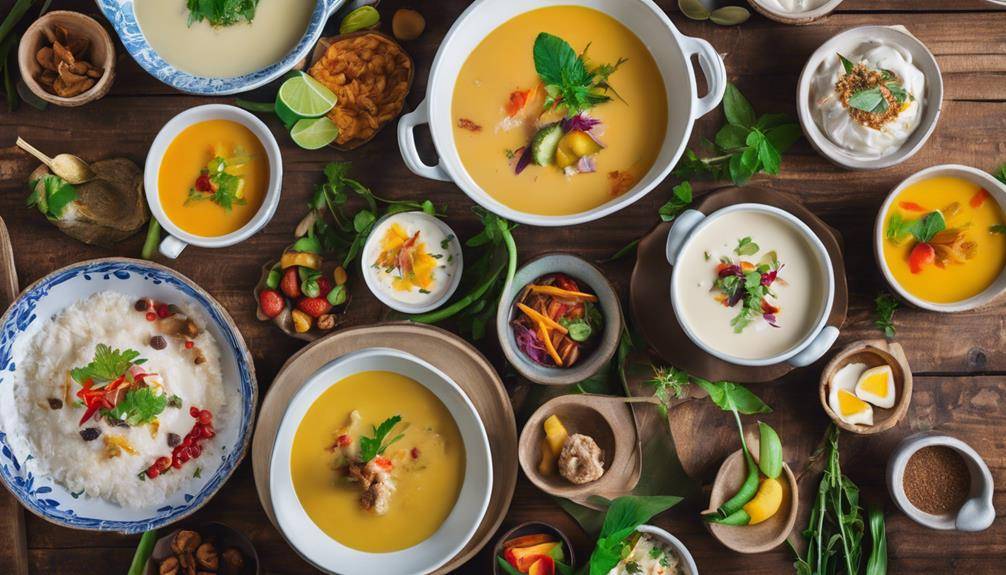
Delightful Filipino Coconut Milk Dishes: A Must-Try List: If you're craving delightful Filipino dishes, you've got to try those featuring coconut milk. Start with Bicol Express for a spicy pork experience or savor the sweet indulgence of Ginataang Bilo-Bilo, packed with glutinous rice balls and sweet potatoes. Laing and Ginataang Langka show off the versatility of coconut milk in savory dishes. For desserts, don't miss Coconut Macaroons and the colorful Halo-Halo, perfect for hot days. Each dish offers a unique taste of Filipino culture. There's plenty more to discover that can make your culinary adventure even more exciting!
Click Here and Turn Every Masterpiece into a Showstopper!
Bicol Express
Bicol Express is a vibrant dish that hails from the Bicol region of the Philippines. Known for its bold flavors and creamy texture, it features pork cooked in a rich coconut milk sauce infused with chili peppers. You'll find that the dish's spicy origins are deeply rooted in the region's love for heat, making it a must-try for those who appreciate a kick in their meals. The combination of tender pork, coconut milk, and the fiery taste of chili creates a harmonious balance that tantalizes your taste buds.
As you explore Bicol Express, you'll discover various regional variations that highlight the creativity of Filipino cuisine. In some areas, cooks might opt for different proteins, such as shrimp or fish, providing a unique twist to the traditional recipe. Others may adjust the level of spiciness, allowing you to tailor the heat to your liking. Some versions even incorporate vegetables, adding a fresh element to the dish.
When you savor Bicol Express, you're not just enjoying a meal; you're experiencing a piece of Filipino culture. Whether you're dining at a local restaurant or preparing it at home, this dish invites you to embrace the rich culinary heritage of the Bicol region. So, don't hesitate to plunge into this delightful combination of flavors and textures that perfectly captures the essence of Filipino comfort food. It's an adventure your palate won't forget!
Ginataang Bilo-Bilo
Comfort and indulgence come together in Ginataang Bilo-Bilo, a beloved Filipino dessert that showcases the rich essence of coconut milk. This delightful treat features glutinous rice balls, sweet potatoes, and tapioca pearls, all simmered in creamy coconut milk. When you take a spoonful, the flavors meld beautifully, creating a warm and satisfying experience that's perfect for any occasion.
Ginataang Bilo-Bilo holds significant cultural importance in Filipino celebrations, often served during festivities and family gatherings. It's a dish that evokes nostalgia, reminding you of cherished memories shared with loved ones. Enjoying this dessert not only brings joy but also connects you to the rich culinary heritage of the Philippines.
Beyond its delightful taste, Ginataang Bilo-Bilo offers health benefits. The coconut milk used in this dish is rich in medium-chain fatty acids, which can provide a quick source of energy. It's also packed with essential nutrients like vitamins C, E, and B, as well as minerals like magnesium and potassium. The glutinous rice balls and sweet potatoes contribute carbohydrates and fiber, making this dessert a wholesome choice.
Laing
Laing is another fantastic dish that showcases the versatility of coconut milk in Filipino cuisine. Originating from the Bicol region, this dish primarily features dried taro leaves simmered in rich coconut milk, creating a creamy and flavorful experience. You'll love how the coconut milk enhances the earthy taste of the taro, making each bite a delight.
One of the best aspects of laing is its many variations. You can find versions that incorporate different proteins, such as shrimp or pork, adding depth to the dish. Some even include spices like chili, giving it that signature Bicolano heat. Regardless of the variation, the common element remains—coconut milk, which not only enriches the flavor but also contributes to coconut health benefits, including healthy fats and nutrients.
When you prepare laing, you're not just enjoying a delicious meal; you're also indulging in a dish that represents the heart of Filipino cooking. The process usually involves sautéing garlic, onions, and ginger, then adding the dried taro leaves and coconut milk to simmer until tender. This method allows the flavors to meld beautifully, resulting in a creamy dish that's perfect with steamed rice.
Puto Maya
When you think of Puto Maya, you're looking at a delightful sticky rice cake that's rich in flavor and steeped in tradition. You'll appreciate the traditional preparation methods that bring out its unique taste, especially when paired with ripe mango or a warm serving of coconut milk. Let's explore how these elements come together to create a truly satisfying dish.
Traditional Preparation Methods
Traditionally, Puto Maya is prepared by steaming glutinous rice mixed with coconut milk and sugar, creating a delightful treat that often accompanies coffee or hot chocolate. You'll want to start by soaking the glutinous rice in water for a few hours, which helps achieve that perfect sticky texture. After draining, mix the rice with rich coconut milk and just the right amount of sugar to enhance the natural flavors.
Using traditional techniques, you can place this mixture in a banana leaf-lined mold for steaming. This method not only adds authenticity but also infuses the Puto Maya with a subtle aroma. The steaming process usually takes around 30 to 45 minutes, ensuring that the rice cooks thoroughly and absorbs all the flavors.
As you explore Puto Maya, you'll notice regional variations across the Philippines. In some areas, you might find the addition of mango or other fruits, while others may serve it with a sprinkle of grated coconut on top. These adaptations reflect local tastes and ingredients, making each version a unique experience. So, whether you stick to the classic recipe or try a variation, you're in for a delightful treat!
Flavor Pairing Suggestions
You might be surprised by how well Puto Maya pairs with various flavors, enhancing its delightful sweetness. This traditional Filipino rice cake, made with glutinous rice, coconut milk, and sugar, is perfect for exploring tropical flavor combinations that elevate your dining experience.
Start by serving Puto Maya with ripe mango slices. The juicy, tangy sweetness of the mango beautifully complements the cake's soft texture. You can also try pairing it with a rich coconut sauce or a drizzle of caramel sauce for an indulgent twist. If you're feeling adventurous, sprinkle some grated cheese on top; the salty notes add an interesting contrast.
Don't forget to enjoy Puto Maya with a side of hot chocolate or coffee. The warm beverages enhance the richness of the coconut milk while offering a delightful contrast.
Additionally, remember the coconut health benefits! Coconut milk is packed with nutrients, making your dessert not only delicious but also nourishing. So go ahead, mix and match these flavors to discover your favorite pairing with Puto Maya for a truly tropical experience!
Ginataang Langka
When you think of Ginataang Langka, you can't overlook its key ingredients like ripe jackfruit and creamy coconut milk. You'll appreciate how these simple components come together through a straightforward cooking method that highlights their natural flavors. Let's explore how to create this delightful dish step by step.
Key Ingredients Overview
Although Ginataang Langka is simple to prepare, its key ingredients create a rich and comforting dish that highlights the unique flavors of Filipino cuisine. At the heart of this dish is young jackfruit, or langka, which has a subtly sweet flavor and a tender texture. When cooked, it absorbs the coconut milk, enriching the overall taste.
Coconut milk is another vital component, and you can choose from various coconut varieties for a distinct flavor profile. Whether you opt for fresh coconut milk or canned, both provide a creamy base that enhances the dish. Plus, coconut milk is packed with nutritional benefits, such as healthy fats, vitamins, and minerals that support overall health.
Don't forget to add a bit of sugar and salt, as they balance the dish's sweetness and elevate the flavors. If you want a touch of spice, a hint of ginger or a few chili peppers can add warmth without overpowering the dish. By using these key ingredients, you're not just preparing a meal; you're experiencing the essence of Filipino culinary traditions. Enjoy the delightful blend of tastes that make Ginataang Langka a must-try!
Cooking Method Essentials
To prepare Ginataang Langka, start by sautéing garlic and onion in a pan until fragrant and translucent. This foundational step sets the stage for the dish. Next, you'll add the young jackfruit, allowing it to cook for a few minutes. This cooking technique helps soften the jackfruit and infuse it with flavors from the aromatics.
Once the jackfruit is tender, it's time to incorporate the coconut milk, which you can obtain through coconut extraction. Use fresh coconut milk for the richest taste, but canned alternatives work too if you're short on time. Stir the mixture, letting the coconut milk simmer gently, allowing the flavors to meld together beautifully.
For added depth, you can include seasonings like fish sauce or salt, adjusting to your preference. Simmer until the sauce thickens and coats the jackfruit, usually around 10-15 minutes. Don't forget to taste as you go! When it's done, serve it hot over steamed rice, and enjoy the creamy, savory goodness. Mastering these cooking techniques will guarantee your Ginataang Langka is a delightful hit at any meal!
Pancit Malabon
Pancit Malabon is a vibrant noodle dish that showcases the rich flavors of Filipino cuisine. Known for its thick rice noodles, this dish stands out among the many pancit variations available. The unique texture of the noodles perfectly complements the rich sauce made from shrimp, crab, and other seafood toppings, giving it a delicious seafood-rich flavor profile.
When you dig into a serving of Pancit Malabon, you'll immediately notice the generous amount of seafood piled on top. The combination of shrimp, squid, and sometimes even oysters creates a delightful medley that seafood lovers can't resist. Each bite is a celebration of freshness and umami, making it a popular choice for gatherings and special occasions.
What sets Pancit Malabon apart is its vibrant orange sauce, typically made from shrimp paste, which gives the dish a depth of flavor unlike any other. This sauce is not only visually appealing but also enhances the overall taste, ensuring that every noodle is coated in delicious goodness.
You'll also find hard-boiled eggs, chicharrón (crispy pork skin), and green onions sprinkled on top, adding extra texture and flavor. The combination of elements in Pancit Malabon makes it not just a meal, but a culinary experience. Whether you're enjoying it at a fiesta or a casual family dinner, this dish is sure to leave a lasting impression. So next time you're craving something flavorful, don't forget to try this delightful noodle dish!
Click Here and Turn Every Masterpiece into a Showstopper!
Kakanin
After savoring the rich flavors of Pancit Malabon, you might find yourself craving something sweet and satisfying. Enter kakanin, a delightful array of Filipino rice cakes that'll surely hit the spot. These treats come in various forms, showcasing the creativity and resourcefulness of Filipino cooking. You'll find kakanin varieties like puto, a steamed rice cake often topped with cheese, and bibingka, a rice cake traditionally baked in banana leaves. Each bite transports you to a world filled with rich coconut milk flavors, making them irresistible.
Kakanin has a fascinating history that dates back centuries. Originally, these rice cakes were made for special occasions and religious celebrations, showcasing the importance of rice in Filipino culture. Over time, they evolved into everyday snacks enjoyed by people from all walks of life. You'll notice how each region offers its unique spin on kakanin, utilizing local ingredients and traditional cooking techniques that reflect the diversity of the Philippines.
If you're keen to explore, don't miss out on trying sapin-sapin, a colorful layered rice cake, or suman, sticky rice wrapped in banana leaves. Each kakanin carries a story, connecting you to the rich tapestry of Filipino heritage. So, as you indulge in these sweet treats, remember that you're not just enjoying a dessert; you're experiencing a piece of history that continues to delight generations.
Beef Kaldereta
Beef Kaldereta is a hearty Filipino stew that's sure to warm your soul. This delightful dish features tender chunks of beef simmered to perfection in a rich, savory sauce made from tomatoes, liver spread, and spices. The secret to achieving that melt-in-your-mouth texture lies in the beef marination. By marinating the beef in a mixture of soy sauce, vinegar, and spices for a few hours or overnight, you enhance the flavors and tenderness, making your kaldereta truly unforgettable.
Kaldereta variations abound, showcasing the versatility of this beloved dish. Some people like to add vegetables such as potatoes, carrots, and bell peppers, while others incorporate olives for an added layer of complexity. You can even find regional twists, where certain areas spice things up with a kick of chili peppers or coconut milk. The coconut milk variation adds a creamy texture that balances the savory elements beautifully, making it a favorite among coconut milk lovers.
To serve, ladle the kaldereta over steamed rice for a complete meal, or enjoy it with warm, crusty bread to soak up the luscious sauce. Whether you're preparing it for a festive gathering or a cozy family dinner, Beef Kaldereta is sure to impress everyone at the table. So, gather your ingredients, try your hand at marinating the beef, and savor the flavors of this iconic Filipino dish that's truly a culinary treasure.
Sinigang Na Baboy
Sinigang Na Baboy is a comforting Filipino soup that embodies the essence of home-cooked meals. This dish features tender pork simmered in a savory broth, infused with the distinct tanginess of tamarind or other souring agents. When you take a sip, you'll immediately recognize the delightful sinigang flavors that warm your soul and remind you of family gatherings.
What makes Sinigang Na Baboy truly remarkable is its versatility. You'll find numerous sinigang variations across the Philippines, each showcasing local produce and preferences. Some regions opt for a more straightforward approach with just the essential ingredients, while others elevate the dish by adding vegetables like radish, eggplant, and water spinach. If you're feeling adventurous, you can even experiment with different meats like shrimp or fish, creating your own unique take on this classic dish.
To prepare Sinigang Na Baboy, start by boiling your choice of pork, allowing the fat to render and the meat to become tender. Then, add the souring agent, along with your chosen vegetables, letting them cook until they reach the perfect tenderness. The result is a flavorful soup that's both hearty and invigorating.
Serve your Sinigang Na Baboy with steamed rice, and don't forget to enjoy it with family and friends. The combination of the rich broth and the medley of vegetables makes every bite a delightful experience you won't forget.
Coconut Macaroons
Coconut macaroons have captured the hearts of many with their sweet, chewy texture and rich coconut flavor. These delightful treats are made primarily from coconut flakes, which give them that signature taste and texture you crave. They're incredibly easy to whip up, making them a popular choice for home bakers and pastry enthusiasts alike.
When you think of macaroon variations, the possibilities are endless. You can try adding chocolate chips for a decadent twist or mix in nuts for some added crunch. Some people even drizzle melted chocolate on top for an elegant finish. If you're feeling adventurous, consider incorporating dried fruits like mango or pineapple to create a tropical version that'll remind you of sunny days.
The beauty of coconut macaroons lies in their simplicity. With just a handful of ingredients—coconut flakes, condensed milk, and egg whites—you can create a dessert that's bursting with flavor. Plus, they can easily be made gluten-free, catering to various dietary preferences.
Whether you're serving them at a gathering or enjoying them as a personal treat, coconut macaroons are sure to please. You can store them in an airtight container to maintain their freshness, but don't be surprised if they disappear quickly! Once you've tasted the bliss of these coconut delights, you'll understand why they hold a special place in Filipino cuisine. So go ahead, indulge in this sweet treat—you won't regret it!
Halo-Halo
After satisfying your sweet tooth with coconut macaroons, you might find yourself craving something equally delightful but more invigorating. Enter halo-halo, the quintessential Filipino dessert that's perfect for cooling down on a hot day. This vibrant mix of flavors and textures will surely excite your palate.
Halo-halo is a delightful concoction that showcases various ingredients layered together, making it one of the most popular halo halo variations. You start with a base of crushed ice, then add sweetened fruits like jackfruit, banana, and sweet potato. Next, you'll find colorful beans, jellies, and even ube (purple yam) for that eye-catching pop of color.
But it doesn't stop there! The halo halo toppings are where the magic truly happens. You can pile on creamy coconut milk, evaporated milk, or even ice cream for an indulgent twist. Some folks love to finish it off with a sprinkle of pinipig (crispy rice) or a drizzle of leche flan, enhancing the rich flavors and textures.
Each layer contributes to a complex yet harmonious taste that'll leave you wanting more. The beauty of halo-halo is its versatility—you can customize it to suit your preferences. Whether you like it fruity, creamy, or nutty, there's a perfect halo-halo waiting for you. So grab a spoon and plunge into this delightful treat; you won't regret it!
Click Here and Turn Every Masterpiece into a Showstopper!
Frequently Asked Questions: Delightful Filipino Coconut Milk Dishes: A Must-Try List
What Are the Health Benefits of Coconut Milk?
Coconut milk's nutritional value includes healthy fats and vitamins, which support heart health. It also aids digestion benefits by promoting gut health, making it a great choice for those seeking a delicious, nutritious drink.
Can I Use Canned Coconut Milk for These Dishes?
Absolutely, you can use canned coconut milk for those dishes! Its creamy texture and cooking versatility make it a great substitute. Just make certain you stir it well to mix the layers before using.
How Can I Make Coconut Milk at Home?
To make coconut milk at home, blend fresh coconut meat with water, then strain it. This method connects to coconut milk's history, allowing you to explore homemade coconut recipes that highlight its rich flavor and versatility.
Are There Vegan Options for These Coconut Milk Dishes?
Yes, there are plenty of vegan options for coconut milk dishes! You can use plant-based substitutes like almond or soy milk in popular recipes. Just adjust flavors to maintain the deliciousness of your meals.
What Is the Best Way to Store Leftover Coconut Milk?
To store leftover coconut milk, pour it into an airtight container and refrigerate. It'll stay fresh for about four to five days. Use it in leftover coconut recipes for delicious meals later!
For the bigger picture, explore our complete guide to Filipino Fusion Cuisine Concepts — where Filipino flavors meet global favorites.

Conclusion
Now that you've discovered these delightful Filipino coconut milk dishes, it's time to get cooking! Each recipe offers a unique taste of the Philippines, showcasing the rich flavors and textures that coconut milk brings. Whether you're in the mood for something savory like Bicol Express or a sweet treat like coconut macaroons, you're sure to impress your friends and family. So grab those ingredients and enjoy the delicious journey through Filipino cuisine! Happy cooking!