Exploring The Amazing History And Cultural Significance Of Korean Cuisine
Cultural Significance Of Korean Cuisine; Did you know that Korean cuisine is ranked as one of the top ten healthiest cuisines in the world? With its emphasis on fresh ingredients, balanced flavors, and a wide variety of vegetables, Korean food has gained recognition for its nutritional value and delicious taste. But there is so much more to explore beyond the health benefits. By delving into the history and cultural significance of Korean cuisine, you will discover a rich tapestry of flavors, techniques, and traditions that have shaped this vibrant culinary heritage. From the origins of Korean cooking to its impact on the global food scene, join us on a journey to uncover the fascinating stories behind this beloved cuisine.
Origins of Korean Cuisine
The origins of Korean cuisine can be traced back thousands of years, revealing a rich and diverse culinary tradition that has evolved and developed over time. Korean cuisine has had a significant influence on other Asian cuisines and holds historical significance in Korean society.
Korean cuisine’s roots can be traced back to ancient agricultural practices and the influence of neighboring cultures. The Korean peninsula’s geographical location, surrounded by China, Japan, and Russia, played a crucial role in shaping its culinary traditions. The Chinese had a profound impact on Korean cuisine, especially during the Three Kingdoms period (57 BC to 668 AD), when trade and cultural exchanges flourished. Chinese culinary techniques, such as stir-frying and steaming, were adopted and adapted by Koreans, creating a unique fusion of flavors.
Korean cuisine’s historical significance in Korean society cannot be overstated. Food has always been an essential part of Korean culture, not just for sustenance but also for socializing and celebration. Ancient texts like the Samguk Sagi (History of the Three Kingdoms) and the Eumseongseo (Book of the Eumseong) contain detailed descriptions of royal banquets, highlighting the importance of food in the lives of the ruling class. These elaborate feasts showcased the culinary skills of Korean chefs and the wealth and power of the ruling elite.
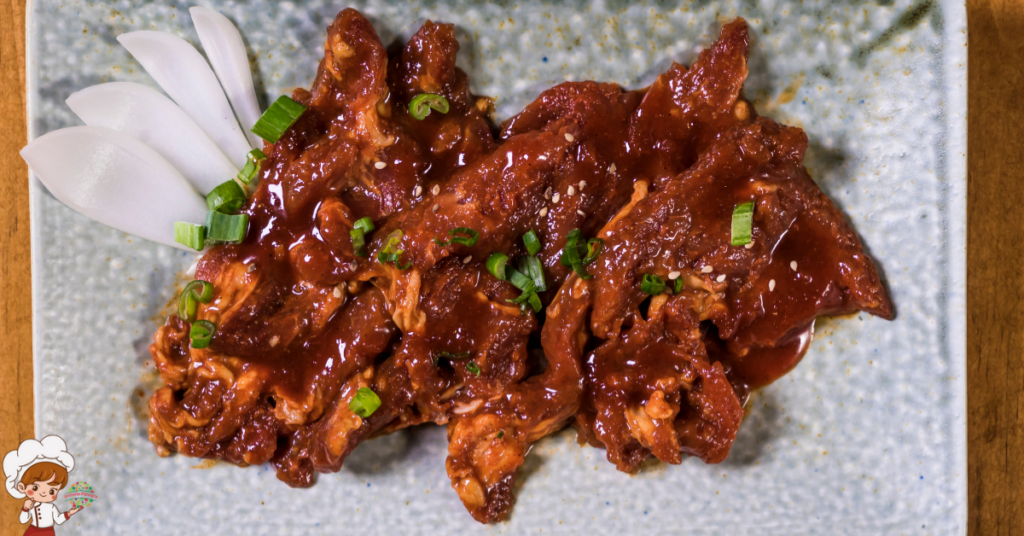
Furthermore, Korean cuisine has had a profound influence on other Asian cuisines. The popularity of Korean dishes such as kimchi, bulgogi, and bibimbap has spread globally, leading to the emergence of Korean restaurants in many countries. The unique flavors and cooking techniques of Korean cuisine have inspired chefs worldwide, resulting in a fusion of Korean and other Asian cuisines.
Influences on Korean Culinary Traditions
Building upon the historical roots of Korean cuisine, various influences have shaped and molded the culinary traditions of Korea into the diverse and flavorful cuisine it is today. Throughout its history, Korea has been influenced by neighboring countries and international trade, resulting in a fusion of flavors and techniques that define Korean cuisine.
Foreign influences on Korean culinary traditions can be traced back to ancient times. China, with its rich culinary history, played a significant role in shaping Korean cuisine. The introduction of ingredients such as soy sauce, tofu, and noodles can be attributed to Chinese influence. These ingredients have become staples in Korean cooking, adding depth and complexity to dishes.
During the Joseon Dynasty, Korea established diplomatic relations with Japan. This led to the introduction of new ingredients and cooking techniques. The Japanese introduced seafood, such as sushi and sashimi, which greatly influenced Korean cuisine, particularly in coastal regions. The use of fermentation and pickling techniques also became more prevalent, as Koreans adopted the Japanese approach to preserving food.
In the modern era, Western influences have made their mark on Korean cuisine. The introduction of chili peppers, potatoes, and tomatoes by Portuguese traders in the 16th century transformed the flavor profile of Korean dishes. Western cooking techniques, such as frying and baking, have also been incorporated into Korean cuisine.
Key Ingredients in Korean Cooking
Korean cuisine showcases a wide array of key ingredients that contribute to its unique and flavorful dishes. These ingredients are essential to the traditional cooking techniques that have been passed down through generations. Here are four key ingredients that play a significant role in Korean cooking:
- Gochujang: Gochujang is a fermented chili paste made from red chili peppers, glutinous rice, fermented soybeans, and salt. It is a staple in Korean cooking and adds a rich, spicy, and slightly sweet flavor to dishes. Gochujang is used in many iconic Korean dishes, such as bibimbap and tteokbokki.
- Soy sauce: Soy sauce is a fermented sauce made from soybeans, wheat, salt, and water. It is a crucial ingredient in Korean cuisine, providing a savory and umami flavor to dishes. Soy sauce is used in marinades, stir-fries, and dipping sauces, enhancing the taste of various ingredients.
- Doenjang: Doenjang is a fermented soybean paste that is similar to miso in Japanese cuisine. It is made from soybeans, salt, and water, and has a deep, savory flavor. Doenjang is a fundamental ingredient in Korean stews, soups, and sauces, adding complexity and depth to the dishes.
- Sesame oil: Sesame oil is a fragrant and nutty oil made from toasted sesame seeds. It is widely used in Korean cooking for its distinctive flavor and aroma. Sesame oil is used as a finishing touch to many dishes, drizzled over rice, noodles, and vegetables, enhancing their taste and adding a glossy sheen.
These key ingredients, along with traditional cooking techniques, are what make Korean cuisine so sought after and beloved. The combination of flavors and textures created by these ingredients truly sets Korean dishes apart and makes them a delight to experience.
Traditional Korean Cooking Methods
Now, let’s explore the fascinating world of traditional Korean cooking methods. From braising to grilling, boiling to fermenting, Korean cuisine boasts a diverse range of culinary techniques that have been passed down through generations. These cooking methods not only contribute to the distinct flavors and textures of Korean dishes but also reflect the rich cultural heritage and culinary traditions preserved over centuries.
Cooking Techniques Used
Traditional Korean cooking methods encompass a variety of techniques that have been refined and passed down through generations, each playing a crucial role in creating the distinct flavors and textures found in Korean cuisine. These techniques have evolved over time, adapting to the modern world while still maintaining their traditional roots. Here are four cooking techniques commonly used in Korean cuisine:
- Jjigae: This method involves simmering ingredients together in a flavorful broth to create hearty stews like kimchi jjigae or doenjang jjigae.
- Jangjorim: This technique involves slow-cooking ingredients, usually beef or eggs, in a soy-based sauce until they become tender and flavorful.
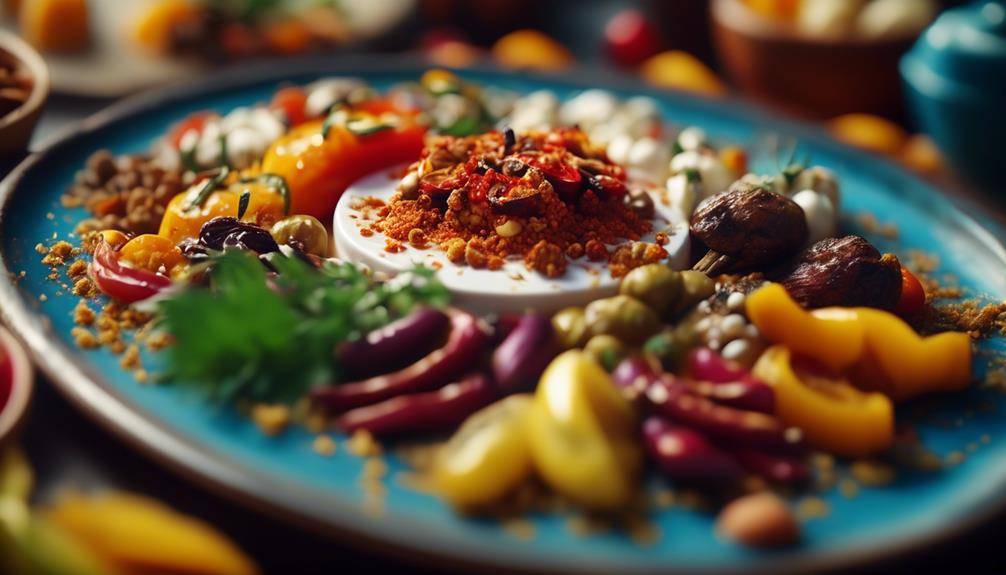
- Gujeolpan: This technique is used to create a beautiful and colorful dish by arranging various ingredients, such as vegetables, meat, and seafood, on a round platter.
- Japchae: This stir-frying technique involves quickly cooking vegetables, meat, and glass noodles together in a soy-based sauce, resulting in a delicious and colorful dish.
Culinary Traditions Preserved
Preserving the culinary traditions of Korea involves upholding the time-honored cooking methods that have shaped the distinct flavors and textures of Korean cuisine. These preservation techniques play a crucial role in safeguarding the culinary heritage of the country. One such technique is fermentation, which is utilized in the preparation of various Korean dishes, such as kimchi and doenjang. Fermentation not only enhances the flavors but also aids in the preservation of food, allowing it to be enjoyed for extended periods.
Another traditional cooking method is grilling, which imparts a smoky and charred taste to meats and vegetables. This technique is commonly seen in dishes like bulgogi and samgyeopsal. Steaming is yet another technique used in Korean cooking, ensuring that ingredients retain their natural flavors and nutrients. By adhering to these traditional cooking methods, the culinary traditions of Korea are preserved, allowing future generations to savor the rich flavors and cultural significance of Korean cuisine.
Regional Variations in Korean Cuisine
As you explore the regional variations in Korean cuisine, you will discover the profound influence of geography on the culinary traditions of different areas. From the coastal regions to the mountainous areas, each region’s unique geography has shaped the ingredients and cooking methods used in their dishes. This geographical diversity gives rise to a wide range of flavors and taste profiles, making Korean cuisine a rich tapestry of regional specialties.
Geographical Influences on Cuisine
One of the most fascinating aspects of Korean cuisine is its diverse regional variations, influenced by the geographical landscape of the Korean peninsula. These variations in regional dishes have been shaped by the unique climate, topography, and access to ingredients in different parts of the country. Here are four key ways in which geography has influenced Korean cuisine:
- Coastal regions: The coastal areas of Korea have a rich seafood tradition, with dishes like tteokbokki (spicy rice cakes) and haemul pajeon (seafood pancake) being popular in these regions.
- Mountainous regions: In mountainous areas, ingredients like wild mushrooms, herbs, and ferns are commonly used in dishes such as jeongol (hot pot) and bibimbap (mixed rice).
- Rural regions: Traditional farming communities have influenced the cuisine with dishes like kimchi (fermented vegetables) and doenjang jjigae (soybean paste stew).
- Urban areas: Fusion cuisine has emerged in urban centers like Seoul, where international influences and modern cooking techniques have been incorporated into traditional Korean dishes, resulting in innovative creations like Korean-style tacos and Korean fried chicken.
The geographical influences on Korean cuisine have contributed to its rich and diverse culinary heritage, making it a must-try for any food lover.
Unique Flavor Profiles
The diverse regional variations in Korean cuisine, influenced by geography, extend beyond the ingredients and techniques used, and are also reflected in the unique flavor profiles found throughout the country. From the spicy and bold flavors of the southern region to the milder and delicate tastes of the northern region, each area contributes to the rich tapestry of Korean cuisine.
In the southwest, you can find dishes that are known for their intense and complex flavors, often achieved through the use of fermented sauces and spices. On the other hand, the northeastern region is known for its lighter and more subtle flavors, highlighting the natural sweetness and freshness of the ingredients. Regardless of the region, Korean cuisine is renowned for its umami flavors, which are achieved through the use of ingredients such as soy sauce, fermented bean paste, and seaweed. These flavorful dishes have captivated taste buds around the world, making Korean cuisine a beloved culinary tradition.
Cultural Significance of Korean Food
Korean cuisine holds a deep-rooted cultural significance, reflecting the rich history and traditions of the Korean people. Here are four aspects that highlight the cultural significance of Korean food:
- Cultural Influences: Korean cuisine has been shaped by various cultural influences throughout history. The geographical location of the Korean Peninsula has allowed for interactions with neighboring countries like China and Japan, resulting in the exchange of culinary techniques and ingredients. The influence of Buddhism and Confucianism, which emphasize balance and harmony, can also be seen in the emphasis on a wide variety of vegetables and fermented foods in Korean cuisine.
- Historical Significance: Korean food has played a significant role in the country’s history. It has been used to convey political power, as seen in the elaborate banquets served to royalty and nobility. The development of traditional Korean medicine also influenced the way food was prepared and consumed, with an emphasis on the healing properties of certain ingredients. Additionally, the concept of “nongjung,” or farming culture, has been deeply ingrained in Korean society, with agriculture and food production being closely tied to national identity.
- Social Bonding: Korean food has always been a communal experience, bringing people together to share meals and create lasting memories. The practice of “ssam,” where diners wrap various ingredients in lettuce or perilla leaves, encourages interaction and conversation. Korean BBQ, with its shared grilling experience, is another example of how food fosters social bonding.
- Rituals and Traditions: Korean cuisine is filled with rituals and traditions that have been passed down through generations. From the elaborate table setting of a traditional Korean meal to the ceremonial preparation of dishes like kimchi, these rituals not only enhance the dining experience but also connect people to their cultural heritage.
Korean Cuisine’s Impact on Global Food Scene
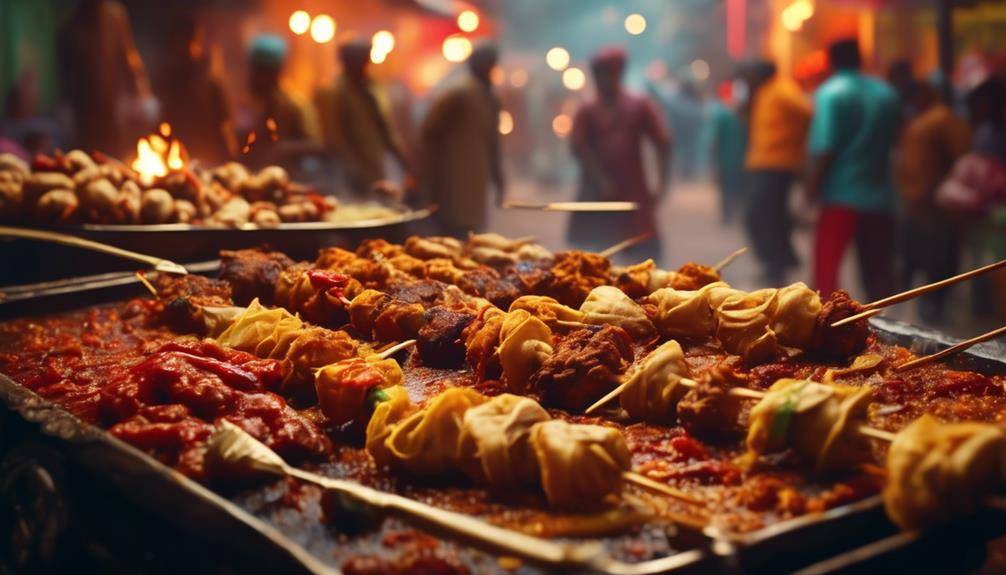
With its deep-rooted cultural significance and historical role, it is no surprise that Korean cuisine has made a significant impact on the global food scene. Korean food has become a prominent player in the world of global fusion, inspiring chefs and food enthusiasts to incorporate its flavors and techniques into their own culinary creations. From the vibrant and bustling streets of Seoul to the trendy food markets of New York City, Korean street food has gained popularity worldwide, captivating taste buds with its bold and unique flavors.
One of the main reasons for Korean cuisine’s global appeal is its ability to seamlessly blend traditional flavors with modern techniques. This has led to the emergence of Korean fusion cuisine, which combines elements of Korean cooking with other international cuisines. Chefs around the world are experimenting with ingredients like kimchi, gochujang (a spicy red pepper paste), and bulgogi (marinated beef), infusing them into dishes like tacos, burgers, and even pizzas. This global fusion not only exposes people to the distinct flavors of Korean cuisine but also allows for a wonderful fusion of cultures on the plate.
Korean street food, with its wide variety of snacks and quick bites, has also contributed to the popularity of Korean cuisine on the global food scene. Dishes like tteokbokki (spicy rice cakes), kimbap (seaweed rice rolls), and hotteok (sweet pancakes) have become street food staples in many cities around the world. Their convenience, affordability, and delicious flavors make them an attractive option for people looking for a quick and satisfying meal on the go.
Modern Innovations and Future Trends in Korean Cooking
As Korean cuisine continues to evolve and adapt to modern tastes, innovative culinary techniques and future trends are shaping the future of Korean cooking. Here are some key modern innovations and future trends in Korean cooking:
- Modern Cooking Techniques: Korean chefs are increasingly incorporating modern cooking techniques into traditional Korean dishes. Sous vide, molecular gastronomy, and other innovative methods are being used to enhance flavors and textures. For example, sous vide cooking is being applied to hanwoo, a premium Korean beef, to achieve the perfect level of tenderness and juiciness.
- Fusion Cuisine: Korean cuisine is being combined with other culinary traditions to create exciting fusion dishes. Korean tacos, kimchi pizza, and bulgogi burgers are just a few examples of how Korean flavors are being incorporated into non-traditional dishes. This fusion trend allows for new flavor combinations and unexpected culinary experiences.
- Health and Wellness: As people become more health-conscious, Korean cuisine is adapting to cater to their needs. There is a growing emphasis on using fresh, locally sourced ingredients and reducing the use of additives or preservatives. Korean dishes are also being modified to be lower in sodium and sugar, while still maintaining their distinctive flavors.
- Plant-Based Options: With the rise of vegetarianism and veganism, Korean cuisine is embracing plant-based alternatives. Traditional dishes like bibimbap and japchae are being reinvented with tofu, tempeh, or plant-based protein substitutes. Korean cuisine is also incorporating more vegetables and grains, creating a wider range of options for those seeking plant-based meals.
These modern innovations and future trends are not only shaping the way Korean cuisine is prepared and enjoyed but also expanding its reach and popularity worldwide. With its rich flavors and versatile ingredients, Korean cooking continues to captivate food enthusiasts and push the boundaries of culinary creativity.
Frequently Asked Questions:L Cultural Significance Of Korean Cuisine
Can You Provide a Step-By-Step Recipe for a Traditional Korean Dish?
You can definitely provide a step-by-step recipe for a traditional Korean dish. It’s an opportunity to explore the history and cultural significance of Korean cuisine, as well as the traditional cooking techniques and the incorporation of fermented foods.
How Does Korean Cuisine Compare to Other Asian Cuisines Such as Chinese or Japanese?
When comparing Korean cuisine to other Asian cuisines like Chinese or Japanese, it is important to consider the unique influences and flavors. Korean cuisine offers a diverse range of dishes with bold flavors and emphasis on fermented ingredients.
Are There Any Health Benefits Associated With Korean Cuisine?
There are numerous health benefits associated with Korean cuisine. Its emphasis on fresh ingredients and balanced flavors contributes to a high nutritional value. From kimchi’s probiotic properties to the abundance of vegetables, Korean food promotes overall well-being.
What Are Some Popular Korean Street Foods That Tourists Should Try?
You should definitely try some popular Korean street foods when you visit. From must-try dishes for tourists to popular snacks, there’s something for everyone. Explore traditional recipes and discover the unique flavors that set Korean cuisine apart from Chinese and Japanese. Don’t forget the health benefits and the influence of Korean dramas and K-pop on global interest in Korean food.
How Has the Popularity of Korean Dramas and K-Pop Influenced the Global Interest in Korean Cuisine?
K-pop influence and Korean drama impact have played a significant role in increasing global interest in Korean cuisine. The popularity of these cultural phenomena has exposed people to Korean food, sparking curiosity and a desire to explore its flavors.

Conclusion
In conclusion, Korean cuisine is a rich and diverse culinary tradition that has deep historical roots and cultural significance. Influenced by neighboring countries and regional variations, Korean cooking utilizes key ingredients and traditional methods to create unique and flavorful dishes. With its growing popularity on the global food scene, Korean cuisine continues to evolve and innovate, while still staying true to its traditional roots. From traditional classics to modern creations, the future of Korean cooking looks promising and exciting.