Great Korean Dishes Made With Local Ingredients
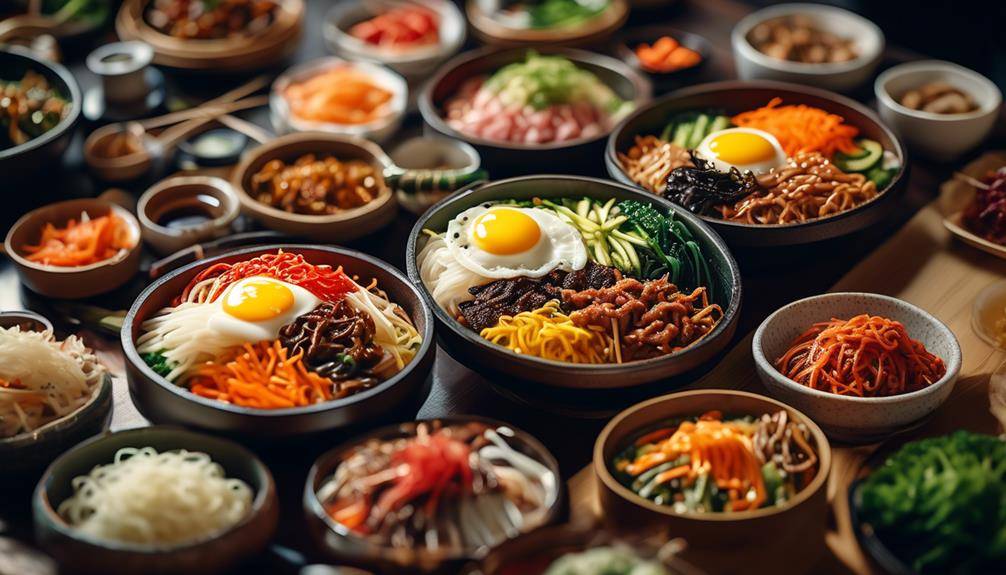
Discover the Rich Flavors and Heritage Behind Traditional Korean Dishes
Korean Dishes Made With Local Ingredients; Korean cuisine is more than bold flavors and colorful plates — it’s a deep expression of culture, community, and the land itself. Traditional dishes made with local ingredients highlight Korea’s connection to seasonal produce, regional specialties, and time‑honored cooking techniques. From the fiery tang of kimchi to the comforting warmth of sundubu jjigae, each dish tells a story shaped by geography, history, and generations of culinary craftsmanship. In this post, you’ll explore the origins, ingredients, and cultural significance behind Korea’s most iconic foods — and why these dishes continue to captivate food lovers around the world.
What You Will Learn
- The cultural meaning behind Korea’s most iconic traditional dishes
- How local, seasonal ingredients shape Korean cooking
- The history and preparation of classics like kimchi, bibimbap, japchae, and bulgogi
- Why Korean cuisine emphasizes balance, color, and nutrition
- How traditional dishes reflect regional identity and culinary heritage
Kimchi: The Spicy Soul of Korean Cuisine
Kimchi, with its fiery flavors and rich cultural history, has long been regarded as the quintessential symbol of Korean cuisine. This traditional dish is made by fermenting vegetables, most commonly cabbage, with a combination of salt, chili peppers, garlic, ginger, and other spices. Kimchi recipes vary from region to region, with each family and restaurant having their own unique twist on the classic dish. The process of making kimchi involves salting the vegetables to draw out moisture, then mixing them with the spice paste before allowing them to ferment for a period of time. This fermentation process not only enhances the flavors but also creates a host of health benefits.
Kimchi is not only a delicious addition to any meal, but it is also packed with nutritional value. The fermentation process increases the bioavailability of nutrients, making it easier for our bodies to absorb them. The main ingredient, cabbage, is a rich source of vitamins A, C, and K, as well as fiber. The addition of chili peppers provides a healthy dose of capsaicin, which has been linked to various health benefits, including improved metabolism and reduced inflammation. Additionally, the garlic and ginger in kimchi have antimicrobial properties and are known to support the immune system.
Bibimbap: A Colorful and Wholesome Delight
After exploring the spicy and flavorful world of kimchi, it’s time to dive into another traditional Korean dish that is sure to delight your taste buds: bibimbap. Bibimbap, which translates to “mixed rice,” is a vibrant and wholesome dish that showcases the colorful ingredient combinations that Korean cuisine is known for.
At its core, bibimbap consists of a bed of steamed rice topped with an assortment of vegetables, meat, and a fried egg. The vegetables used in bibimbap vary depending on the season, but common choices include carrots, spinach, mushrooms, bean sprouts, and zucchini. These ingredients not only provide a visually appealing array of colors but also contribute to the nutritional benefits of bibimbap.
The nutritional benefits of bibimbap are numerous. The variety of vegetables used in the dish ensures a good balance of vitamins, minerals, and fiber. Carrots, for example, are rich in beta-carotene, which is converted into vitamin A by the body and is essential for maintaining healthy vision and immune function. Spinach is packed with iron, which is crucial for the production of red blood cells, while mushrooms provide a good source of B vitamins and selenium.
Furthermore, the inclusion of lean meats such as beef or chicken in bibimbap adds protein to the dish, which is essential for building and repairing tissues in the body. The fried egg on top not only adds a creamy texture but also provides additional protein and essential fatty acids.
Japchae: Stir-Fried Glass Noodles With Fresh Veggies
Japchae, a beloved Korean dish, tantalizes the taste buds with its delectable combination of stir-fried glass noodles and fresh vegetables. This dish is a popular choice in Korean cuisine and is known for its traditional cooking methods that bring out the natural flavors of the ingredients.
Japchae is typically made by stir-frying sweet potato glass noodles, also known as dangmyeon, along with an assortment of fresh vegetables. The noodles are cooked until they become soft and translucent, and then they are combined with colorful vegetables such as carrots, spinach, mushrooms, and bell peppers. These vegetables not only add vibrant colors to the dish but also provide a variety of textures and flavors.
One of the key aspects of traditional Korean cooking is the emphasis on using fresh and locally sourced ingredients. In the case of japchae, this means using vegetables that are in season to ensure maximum freshness and flavor. The vegetables are typically cut into thin strips or julienne to create a visually appealing presentation.
In addition to its delicious taste, japchae also offers several nutritional benefits. The dish is low in fat and calories, making it a healthier option for those who are conscious of their diet. The glass noodles used in japchae are gluten-free, making this dish suitable for individuals with gluten sensitivities or dietary restrictions. The combination of vegetables provides a good source of vitamins, minerals, and dietary fiber.
Bulgogi: Grilled Marinated Beef That Melts in Your Mouth
Does the thought of tender, grilled marinated beef that practically melts in your mouth make your taste buds tingle with anticipation? If so, then bulgogi is the dish for you. This traditional Korean delicacy is known for its succulent, flavorful meat that is grilled to perfection. To achieve the best results, here are some grilling tips and marinade variations to consider.
When it comes to grilling bulgogi, it is important to use high heat and a well-oiled grill. This will help to sear the meat quickly, locking in its natural juices and flavors. Make sure to preheat the grill for at least 10 minutes before cooking. Additionally, it is recommended to thinly slice the beef to ensure even cooking. This will allow the marinade to penetrate the meat and create a tender texture.
Speaking of marinade, there are numerous variations to choose from when preparing bulgogi. The most common marinade consists of soy sauce, sugar, sesame oil, garlic, and ginger. However, you can also add ingredients such as pear, apple, onion, or even a touch of honey to enhance the flavors. It is advisable to marinate the beef for at least 2 hours, but overnight marination is even better as it allows the flavors to fully develop.
To further elevate the taste of bulgogi, you can experiment with different types of meat. While beef is the traditional choice, you can also use chicken, pork, or even mushrooms for a vegetarian option. Each meat has its unique texture and flavor, offering a delightful twist to the classic dish.
Tteokbokki: Spicy Rice Cakes for the Adventurous Palate
If you’re looking for a dish that packs a punch, Tteokbokki is the perfect choice. These spicy rice cakes are a staple of Korean street food and are known for their intense and flavorful taste. Made with chewy rice cakes, a spicy gochujang sauce, and various toppings like fish cakes and green onions, Tteokbokki is a dish that will satisfy even the most adventurous palate.
Flavorful Rice Cake Recipe
Looking to satisfy your adventurous palate? Indulge in the flavorful and spicy rice cakes of Tteokbokki, a traditional Korean dish made with local ingredients. This dish is known for its chewy rice cakes, immersed in a rich and spicy sauce that tantalizes the taste buds. Here are four variations of rice cakes that you can expect to find in Tteokbokki:
- Garae-tteok: These cylindrical-shaped rice cakes are soft and chewy, perfect for soaking up the flavorful sauce.
- Joraengi-tteok: These rice cakes are shaped like ribbons, adding a fun and playful element to the dish.
- Baram-tteok: These thin and flat rice cakes have a delicate texture and absorb the flavors of the sauce beautifully.
- Injeolmi: These sweet rice cakes are coated in roasted soybean powder, providing a contrast to the spiciness of the dish.
With its diverse range of rice cake variations, Tteokbokki offers a delightful blend of sweet and savory flavors that will leave you craving for more.
Traditional Korean Street Food
Immerse yourself in the vibrant world of traditional Korean street food with Tteokbokki, a tantalizing dish featuring spicy rice cakes that will ignite your adventurous palate. Traditional Korean street food is known for its diverse flavors, bold seasonings, and unique textures, making it a favorite among locals and tourists alike. Tteokbokki, one of the most popular Korean street snacks, is made by stir-frying chewy rice cakes in a spicy gochujang sauce. This dish is often accompanied by fish cakes, vegetables, and boiled eggs, adding layers of flavor and complexity. The combination of the chewy rice cakes and the fiery sauce creates a delightful contrast that will leave your taste buds wanting more. Whether you’re exploring the bustling streets of Seoul or visiting a local food market, Tteokbokki is a must-try dish that embodies the essence of traditional Korean street food.
Samgyeopsal: Korean BBQ at Its Finest
Samgyeopsal, a traditional Korean BBQ dish, showcases the finest flavors of Korean cuisine with its sizzling grilled pork belly and a myriad of accompanying side dishes. When it comes to samgyeopsal, there are endless possibilities to explore. Here are four key aspects that make this dish truly exceptional:
- Alternative Cuts for Grilling: While samgyeopsal is traditionally made with thick slices of pork belly, there are other cuts that can be equally delicious. Thinly sliced pork neck or pork jowl can also be used, offering a slightly different texture and flavor profile. These alternative cuts provide a unique twist to the classic dish, enhancing the overall dining experience.
- Different Marinade Variations: The marinade is an essential component of samgyeopsal, as it adds flavor and tenderness to the meat. While the most common marinade consists of soy sauce, garlic, sesame oil, and sugar, there are various other versions to try. Some may include ingredients like pear juice, apple vinegar, or even gochujang (Korean red chili paste), adding a touch of sweetness or spiciness to the meat.
- Accompaniments Galore: When enjoying samgyeopsal, it’s not just about the meat. The dish is often served with an array of side dishes, known as banchan, which complement the flavors of the grilled pork belly. From kimchi and pickled radishes to soybean paste stew and steamed egg, these accompaniments provide a balance of textures and flavors, creating a harmonious dining experience.
- DIY Experience: One of the unique aspects of samgyeopsal is the interactive nature of the meal. Typically, the pork belly is grilled at the table, allowing diners to control the cooking process and enjoy the meat at its peak freshness. This DIY experience adds a sense of fun and camaraderie to the dining experience, making samgyeopsal a popular choice for gatherings and socializing.
Jjajangmyeon: The Ultimate Comfort Food
After indulging in the exquisite flavors of samgyeopsal, it’s time to explore another iconic Korean dish that offers ultimate comfort and satisfaction: Jjajangmyeon. Jjajangmyeon, also known as black bean noodles, is a popular Korean-Chinese dish that has become a staple in Korean cuisine. This dish consists of thick, chewy noodles topped with a rich, savory black bean sauce and various vegetables.
Jjajangmyeon is traditionally made with pork, but there are also vegetarian alternatives available for those who prefer a meat-free option. The vegetarian version replaces the pork with tofu or mushrooms, maintaining the essence of the dish while catering to different dietary preferences. This flexibility is one of the reasons why Jjajangmyeon has remained a beloved comfort food for so many people.
In addition to its vegetarian alternatives, Jjajangmyeon also has regional variations that showcase the diversity of Korean cuisine. In the Seoul style, the black bean sauce is made with caramelized onions, giving it a slightly sweet and smoky flavor. On the other hand, the Incheon style is known for its spicy kick, achieved by adding gochugaru (Korean red pepper flakes) to the sauce. These regional variations not only offer different taste experiences but also reflect the cultural influences and culinary traditions of different areas in Korea.
Whether you prefer the classic version with pork or the vegetarian alternatives, Jjajangmyeon is a dish that is sure to satisfy your cravings. Its comforting flavors and hearty textures make it a go-to comfort food for many Koreans. So, the next time you’re in need of some ultimate comfort, be sure to try Jjajangmyeon and experience the joy it brings.
Galbi: Succulent Grilled Short Ribs With a Local Twist
When it comes to Galbi, the key to its succulence lies in the use of local ingredients and the mastery of grilling techniques. The choice of high-quality, locally sourced short ribs ensures a rich and tender flavor, while the combination of traditional Korean marinades and local spices adds a unique twist. Additionally, the grilling process, using a charcoal grill or open flame, imparts a smoky and caramelized char that enhances the overall taste and texture of the dish.
Local Ingredients for Galbi
To enhance the succulent flavors of Galbi, the traditional grilled short ribs, local ingredients are carefully selected and incorporated, adding a distinct twist to this beloved Korean dish. When it comes to Galbi, the use of grass-fed beef alternatives is becoming increasingly popular in South Korea. This not only supports local farmers but also ensures a higher quality meat with a more natural, robust flavor. In addition, various marinades for Galbi are created using locally sourced ingredients such as soy sauce, garlic, ginger, and Korean pear. These marinades infuse the meat with a perfect balance of sweet and savory flavors, enhancing the overall taste experience. By utilizing local ingredients, Galbi becomes not only a delicious culinary delight but also a celebration of the rich flavors and traditions of Korean cuisine.
Grilling Techniques for Galbi
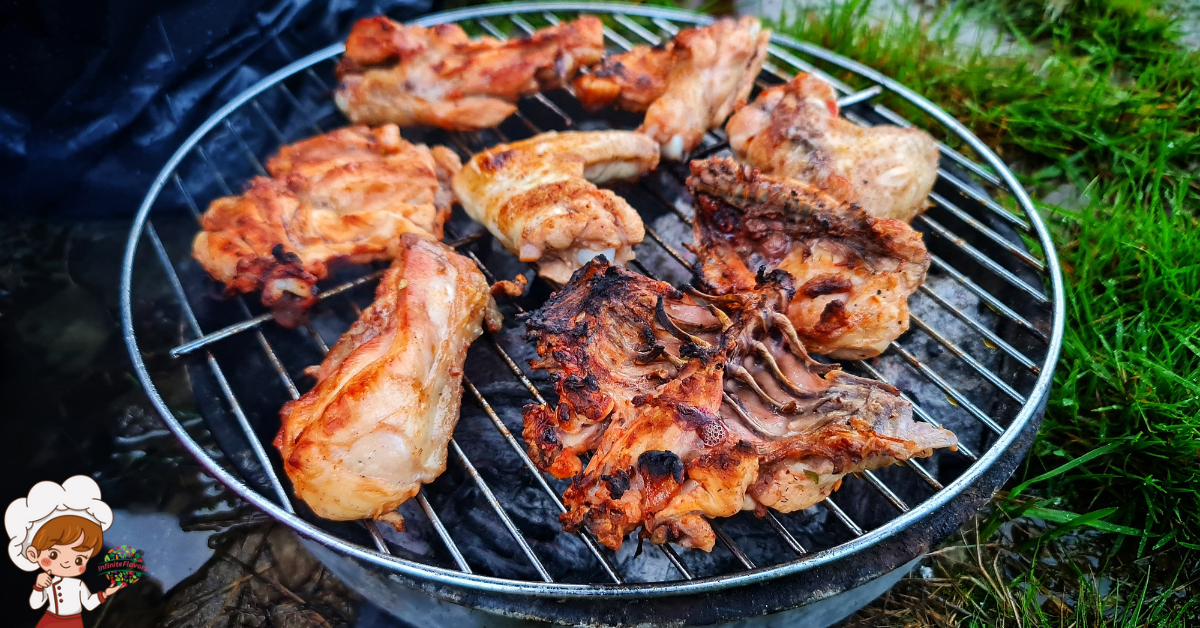
By exploring the grilling techniques for Galbi, you can further elevate the succulent flavors of this traditional Korean dish and experience the perfect balance of smokiness and tenderness that will leave your taste buds craving for more. When it comes to grilling Galbi, there are a few important tips to keep in mind. First, make sure to preheat your grill to a medium-high heat to achieve that beautiful char and caramelization on the ribs. Next, brush the grill grates with oil to prevent the meat from sticking. As for the marinade, try a classic combination of soy sauce, garlic, ginger, and brown sugar for a savory and slightly sweet flavor. Let the ribs marinate for at least two hours, or preferably overnight, to allow the flavors to penetrate the meat. Finally, when grilling the Galbi, be mindful of the cooking time to ensure the meat is cooked through but still tender and juicy. With these grilling tips and a delicious marinade recipe, you’ll be able to create the most mouthwatering Galbi that will impress your family and friends.
Haemul Pajeon: Seafood Pancake That’s Crispy and Flavorful
Haemul Pajeon, a seafood pancake that boasts a delightful crispy texture and an explosion of flavors, takes traditional Korean cuisine to new heights with the use of local ingredients. This popular dish can be found throughout Korea, with variations and regional specialties adding unique twists to the classic recipe. To achieve the perfect crispy texture, here are some tips to keep in mind:
- The right batter: The key to a crispy Haemul Pajeon lies in the batter. A combination of all-purpose flour and rice flour creates a light and airy texture while giving it a distinct crispiness. The batter should be thick enough to hold the ingredients together but not too thick that it becomes heavy.
- Generous amount of seafood: Haemul Pajeon is known for its abundance of seafood. Fresh shrimp, squid, and clams are commonly used, but feel free to add your favorite seafood to the mix. The more seafood you include, the more flavorsome and satisfying the pancake will be.
- Proper cooking temperature: Achieving the perfect crispiness requires cooking the pancake over medium-high heat. This allows the batter to cook through while creating a golden brown crust on the outside. Make sure to use a non-stick pan or a well-seasoned cast-iron skillet to prevent sticking.
- Patience is key: To achieve that crispy, golden crust, resist the temptation to flip the pancake too soon. Let it cook for a few minutes until the edges are crispy and the bottom is golden brown before carefully flipping it over. This will ensure that both sides are evenly cooked and crispy.
Gimbap: The Korean Version of Sushi
Gimbap, the Korean version of sushi, offers a delectable combination of flavors and textures that will satisfy your cravings for both Korean and Japanese cuisine. While gimbap and sushi share similarities in terms of their rolled and bite-sized form, they differ in terms of fillings and popularity.
Gimbap is known for its unique fillings, which set it apart from traditional sushi. Instead of raw fish, gimbap often includes cooked ingredients such as bulgogi (marinated beef), kimchi (fermented vegetables), and omelette. These fillings provide a variety of flavors and textures, making each bite a delightful experience. The combination of savory, sweet, and tangy flavors, along with the chewy rice and crispy seaweed, creates a harmonious balance that is both satisfying and addictive.
While sushi has gained worldwide popularity, gimbap remains a staple in Korean cuisine. Sushi is often associated with high-end and fancy dining, while gimbap is more commonly found in casual settings like street food stalls and school lunchboxes. Its accessibility and affordability have contributed to its widespread popularity among Koreans. Moreover, gimbap’s versatility allows for endless customization, making it a favorite among Koreans of all ages.
Sundubu Jjigae: A Fiery and Silky Soft Tofu Stew
When it comes to Sundubu Jjigae, the first point to consider is its flavorful spice blend. The combination of gochugaru (Korean red pepper flakes), garlic, and soy sauce creates a fiery and rich taste that elevates the dish to a whole new level. Secondly, the delicate texture of soft tofu is what sets this stew apart. The silky smoothness of the tofu melts in your mouth, providing a comforting and soothing experience. Lastly, Sundubu Jjigae is made with locally sourced ingredients, ensuring freshness and supporting local farmers.
Flavorful Spice Blend
To create the perfect balance of fiery spice and silky softness in your Sundubu Jjigae, a traditional Korean tofu stew, a flavorful spice blend is essential. The right combination of spices can elevate the flavors of this dish, adding depth and complexity to every bite. Here are four key elements to consider when creating your spice blend:
- Gochugaru: This vibrant red chili powder is the star of the show. It brings the heat and adds a rich, smoky flavor to the stew.
- Fermented Soybean Paste: Known as doenjang, this ingredient adds a savory and slightly sweet taste. It provides a deep umami flavor that complements the spiciness of the dish.
- Garlic and Ginger: These aromatic ingredients bring a fresh and zesty kick. They add brightness and balance to the stew, enhancing the overall taste.
- Sesame Oil: A few drops of this nutty and fragrant oil can transform the dish. It adds a richness and depth of flavor, making the stew even more delicious.
Delicate Tofu Texture
After creating the perfect balance of fiery spice and flavorful depth with your spice blend, the next important aspect to consider is achieving a delicate tofu texture in Sundubu Jjigae, a traditional Korean tofu stew. The silky softness of the tofu is crucial to the overall enjoyment of the dish. When preparing Sundubu Jjigae, it is essential to use the right type of tofu. Soft or silken tofu works best as it easily breaks apart, blending seamlessly with the other ingredients. To achieve the desired delicate texture, it is important to handle the tofu gently, avoiding excessive stirring or rough handling. Adding the tofu towards the end of the cooking process ensures that it retains its softness and doesn’t become overly firm. By following these techniques, you can enjoy a velvety smooth and tender tofu in your Sundubu Jjigae, elevating the dish to a whole new level of culinary delight.
Locally Sourced Ingredients
For a truly authentic and flavorful Sundubu Jjigae, sourcing local ingredients is key. By using locally sourced ingredients, not only do you support sustainable farming practices, but you also ensure the freshest and highest quality ingredients for your stew. Here are four reasons why sourcing local ingredients for Sundubu Jjigae is beneficial:
- Sustainable farming: When you choose local ingredients, you support farmers who prioritize sustainable farming methods. These methods promote soil health, reduce pesticide usage, and protect the environment.
- Freshness: Local ingredients are harvested at their peak ripeness and delivered to your plate in the shortest possible time. This means you get to enjoy the freshest and most flavorful tofu, vegetables, and other ingredients in your Sundubu Jjigae.
- Community partnerships: Sourcing local ingredients fosters strong relationships with local farmers and producers. By supporting these community partnerships, you contribute to the local economy and help build a resilient and sustainable food system.
- Quality control: When you know exactly where your ingredients come from, you can have confidence in their quality. Local farmers take pride in their produce, ensuring that only the best ingredients find their way into your Sundubu Jjigae, resulting in a truly delicious and satisfying dish.
Frequently Asked Questions: Korean Dishes Made With Local Ingredients
What Are the Health Benefits of Traditional Korean Dishes Made With Local Ingredients?
You can experience numerous health benefits from traditional Korean dishes made with local ingredients. These dishes are not only delicious but also packed with nutrients that can boost your overall well-being. Additionally, they hold great cultural significance in Korean cuisine.
Are There Any Vegetarian or Vegan Options Available Among These Traditional Korean Dishes?
Yes, there are vegetarian and vegan options available among traditional Korean dishes. You can find recipes online or at local Korean restaurants that specialize in vegetarian cuisine. Enjoy the flavors of Korea!
How Can I Find Local Ingredients to Make These Dishes Outside of Korea?
To find local ingredients for traditional Korean dishes outside of Korea, start by exploring Asian grocery stores or specialty markets in your area. Look for authentic Korean products, such as kimchi, gochujang, and sesame oil. Online shopping can also provide a wide range of options.
Are There Any Traditional Korean Dishes That Are Known for Their Spiciness?
There are several popular spicy Korean dishes known for their fiery flavors. These dishes include kimchi jjigae, buldak, and tteokbokki. Each dish incorporates unique spices and ingredients to create a satisfying and spicy culinary experience.
Can You Recommend Any Traditional Korean Side Dishes That Pair Well With These Main Dishes?
You can pair traditional Korean side dishes with main dishes for a flavorful experience. These side dishes are made using local ingredients and can be easily prepared at home. Let me share some delicious recipes with you.

Conclusion
Traditional Korean dishes made with local ingredients offer a vibrant blend of flavor, history, and cultural pride. Whether it’s the fermented depth of kimchi, the colorful harmony of bibimbap, or the comforting heat of sundubu jjigae, each dish reflects Korea’s dedication to fresh ingredients and time‑honored techniques. Exploring these foods isn’t just a culinary experience — it’s a journey into the traditions, values, and stories that have shaped Korean cooking for centuries. By embracing these dishes, you’re tasting a living heritage that continues to thrive in homes, markets, and kitchens across Korea today.