The 9 Best Ethiopian Food Celebrations And Cuisines
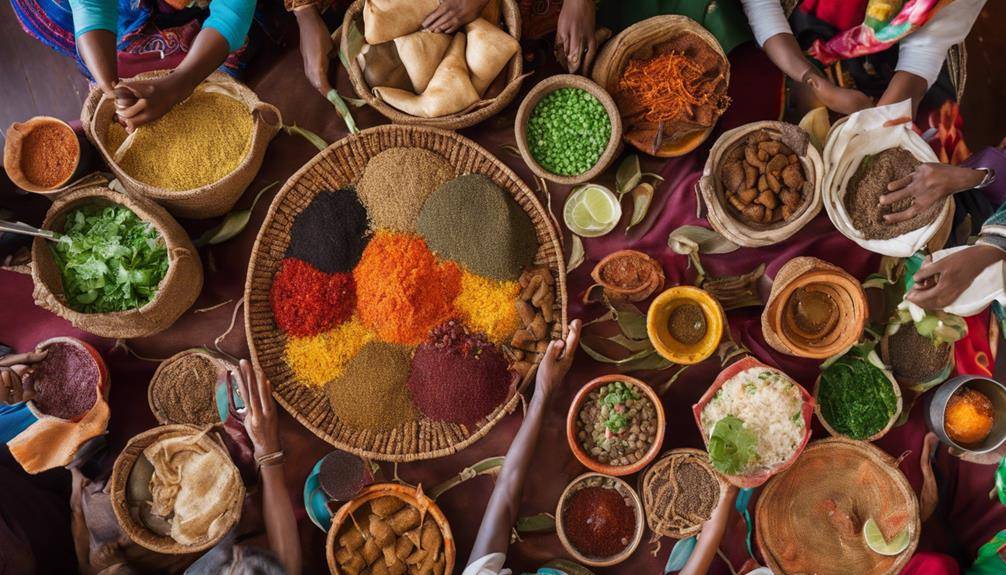
Best Ethiopian Food Celebrations And Cuisines; Ethiopian food celebrations and cuisines are a feast for the senses. Start with injera, a unique flatbread that serves as the base for delicious dishes like spicy Doro Wot and savory Kitfo. Don’t miss Gomen, healthy collard greens, or Timatim salad, invigorating with ripe tomatoes. Sip on Tej, the traditional honey wine that complements the bold flavors. Join in the vibrant celebrations of Meskel and Enkutatash, where families gather over shared meals. Finally, partake in the coffee ceremony, a cherished ritual of hospitality. Each experience highlights Ethiopia’s rich culinary heritage and communal spirit, offering even more to discover.
Injera: The Heart of Ethiopian Cuisine
Injera is often considered the heart of Ethiopian cuisine, and for good reason. This unique flatbread not only serves as a staple food but also acts as a serving platter for various dishes. When you dig into a meal, you’ll notice that injera varieties play an essential role in the overall experience. Traditionally, injera is made from teff flour, giving it a slightly sour taste and spongy texture. However, you might also encounter injera made from other grains like barley or wheat, each offering a distinct flavor profile that complements the diverse Ethiopian dishes.
Injera traditions are rich and vary across regions. For example, in some households, making injera is a communal activity, where family members gather to prepare and cook it together. This not only strengthens bonds but also preserves cultural practices that have been passed down through generations. You’ll find that injera is typically served with a variety of stews and salads, allowing you to scoop up flavorful bites with your hands—a practice that makes dining both interactive and enjoyable.
As you savor the taste of injera, you’ll appreciate its significance beyond mere sustenance. It’s a symbol of hospitality and unity in Ethiopian culture, inviting you to share in a meal that connects you with the past. So, next time you enjoy injera, remember that you’re partaking in a tradition that embodies the essence of Ethiopian culinary heritage.
Doro Wot: Spicy Chicken Stew
When you think of Ethiopian cuisine, Doro Wot stands out as a must-try dish. This spicy chicken stew relies on key ingredients and traditional cooking methods that highlight its rich flavors. Plus, understanding its cultural significance can deepen your appreciation for this beloved staple.
Key Ingredients Overview
Doro Wot, a vibrant and beloved Ethiopian dish, often features tender chicken simmered in a rich, spicy sauce. The key to its depth of flavor lies in the spice blends, which typically include berbere, a potent mix of chili peppers, garlic, ginger, and various spices. This blend gives Doro Wot its signature heat and complexity, making each bite an explosion of flavor.
Alongside the chicken, you’ll find onions that are sautéed until caramelized, adding natural sweetness to balance the spices. You can’t forget the addition of niter kibbeh, a spiced clarified butter that enriches the stew and enhances the overall taste.
To complement Doro Wot, it’s often served with staple grains like injera, a sourdough flatbread that’s perfect for scooping up the stew. The tangy flavor of injera pairs beautifully with the spiciness of the chicken, creating a harmonious meal that’s filling and satisfying. By understanding these key ingredients, you’ll appreciate the craft behind this iconic Ethiopian dish and its integral role in cultural celebrations.
Traditional Cooking Methods
Ethiopian cuisine relies heavily on traditional cooking methods that enhance the flavors of dishes like Doro Wot. This spicy chicken stew is a perfect example of how ancient techniques play a vital role in creating its rich, deep flavors. You’ll typically find the stew simmering for hours, allowing all the spices and ingredients to meld beautifully.
One of the key aspects of preparing Doro Wot is the use of a special pot called a “mitad.” This clay pot helps distribute heat evenly, guaranteeing that the chicken becomes tender and infused with the spices. When you engage in communal cooking, you’ll notice how it brings everyone together, sharing tasks and stories while the stew bubbles away.
The process often involves sautéing onions for an extended time, which caramelizes them and adds a sweet undertone to the dish. As you cook, adding berbere spice blends and niter kibbeh (spiced clarified butter) elevates the flavor profile even more. Whether you’re cooking for family or friends, embracing these traditional methods guarantees that your Doro Wot captures the essence of Ethiopian culinary heritage.
Cultural Significance Explained
Celebrating with Doro Wot goes beyond just the delicious flavors; it embodies the heart of Ethiopian culture and community. This spicy chicken stew isn’t merely a dish; it’s a symbol of Ethiopian hospitality. When you serve Doro Wot, you’re inviting friends and family to gather around the table, sharing not just food, but stories and laughter.
Ethiopian meals are often a communal experience, where everyone digs in together using injera, the traditional flatbread. This style of communal dining fosters connection and unity, making every meal a celebration of togetherness. The rich spices in Doro Wot mirror the vibrant culture of Ethiopia, blending flavors that reflect the country’s diverse heritage.
During special occasions like holidays and family gatherings, Doro Wot takes center stage, showcasing the significance of sharing a meal. It reminds you of the importance of community and the warmth of hospitality that defines Ethiopian life. So, when you partake in Doro Wot, you’re not just enjoying a meal; you’re participating in a centuries-old tradition that highlights the values of love, sharing, and togetherness that are essential to Ethiopian culture.
Kitfo: Raw Meat Delight
Indulging in Kitfo offers a unique culinary experience that showcases the rich flavors of Ethiopian cuisine. This dish, often made from finely minced raw beef, is seasoned with a blend of traditional seasoning known as mitmita, a spicy powder made from chili peppers and other spices. The freshness and quality of the meat are vital, so you’ll want to enjoy it from a reputable source.
When you sit down to savor Kitfo, you’ll notice the way it’s served plays an essential role in the experience. It’s typically arranged on a large platter and shared among diners, reflecting Ethiopia’s communal dining customs. You’ll find it accompanied by a side of gomen (collard greens) and ayib (a mild cheese), which nicely balance the dish’s rich flavors.
As you immerse yourself in the Kitfo, you might want to try it both raw and lightly cooked, as many enjoy the unique textures and flavors that come from this preparation. The experience is not just about the taste; it’s about the connection with others as you gather around the platter, sharing stories and laughter.
Eating Kitfo is a celebration of Ethiopian culture, where each bite connects you to centuries of tradition. So, take a moment to appreciate the flavors and the customs that make this raw meat delight truly special.
Tej: Traditional Honey Wine
When you think of Ethiopian celebrations, Tej, the traditional honey wine, often comes to mind. You’ll find its unique brewing process fascinating, and it plays a vital role in many cultural festivities. Plus, pairing it with traditional dishes enhances the entire dining experience.
Brewing Process Explained
Tej, the traditional honey wine of Ethiopia, boasts a unique brewing process that reflects the country’s rich cultural heritage. To create this delightful beverage, you start with high-quality honey, which serves as the base. You’ll mix the honey with water in a specific ratio, ensuring the sweetness and flavor are just right.
Next, you add ‘gesho’ leaves, which are essential for fermentation. These leaves, derived from the Rhamnus prinoides plant, introduce natural yeast into the mix, setting the stage for the fermentation process. You’ll place the mixture in a container, traditionally a large, rounded vessel called a ‘berele,’ and let it sit for several days. During this time, the yeast works its magic, converting the sugars into alcohol.
As you monitor the fermentation, you’ll notice the bubbling and aroma developing, akin to the brewing techniques used for Ethiopian coffee. Once it reaches your desired taste, you can strain it and enjoy the invigorating result. Tej offers a sweet and slightly tangy flavor, making it a cherished drink during celebrations in Ethiopia.
Cultural Significance in Celebrations
In Ethiopian culture, Tej plays a pivotal role during celebrations, symbolizing hospitality and community. When you attend a gathering, you’ll likely find Tej being served, showcasing its importance in cultural rituals. The honey wine isn’t just a drink; it’s a centerpiece that brings people together, fostering a sense of belonging.
During major events like weddings, holidays, or religious ceremonies, Tej is often featured prominently. You’ll notice that it’s usually presented in a traditional glass called a berele, which adds to the experience. Sharing this drink with friends and family strengthens bonds and signifies respect for one another.
Tej’s sweet, inviting flavor complements the atmosphere of communal gatherings, where laughter and stories flow as freely as the wine. As guests raise their glasses, they’re not just toasting to individual achievements but also celebrating shared heritage and togetherness. This creates a rich tapestry of connection and warmth that defines Ethiopian social life.
Pairing With Traditional Dishes
Pairing Tej with traditional Ethiopian dishes enhances the overall dining experience, creating a harmonious blend of flavors. This traditional honey wine complements the rich, spicy profiles of Ethiopian cuisine, especially when you consider the unique spice blends used in dishes like Doro Wat and Tibs. The sweetness of Tej balances out the heat from the spices, allowing you to fully appreciate each bite.
When enjoying a meal, remember that Ethiopian meal etiquette plays an essential role in the dining experience. Traditionally, food is shared from a communal platter, and it’s customary to use your right hand for eating. As you savor the dishes, take small sips of Tej to cleanse your palate and enhance the flavors of each spice blend.
Tej isn’t just a drink; it’s part of the cultural fabric of Ethiopian dining. It encourages conversation and connection, making your meal even more enjoyable. So, next time you sit down for an Ethiopian feast, don’t forget to pour yourself a glass of Tej. You’ll find that the combination of food and drink elevates the entire experience, creating lasting memories.
Gomen: Ethiopian Collard Greens
When you explore Ethiopian cuisine, Gomen, or collard greens, stands out as a vibrant and nutritious dish. This simple yet flavorful side is packed with nutritional benefits, making it a staple on many Ethiopian plates. Collard greens are rich in vitamins A, C, and K, along with essential minerals like calcium and iron. Incorporating Gomen into your meals not only enhances flavor but also boosts your overall health.
The cooking techniques used to prepare Gomen vary, but the essence remains the same. Typically, the greens are sautéed with onions, garlic, and spices like turmeric, which adds a warm, earthy flavor. You might also see a touch of green chili for some heat. The cooking process is straightforward: you’ll want to wash the collard greens thoroughly, chop them into bite-sized pieces, and cook them down until tender. This technique preserves the vibrant green color while ensuring the greens retain their nutrients.
Serving Gomen alongside other dishes, like injera or spicy stews, creates a balanced meal that showcases the harmony of flavors in Ethiopian cuisine. As you dig in, you’ll appreciate the tender texture and the aromatic spices that make each bite delightful. So, whether you’re at a restaurant or trying your hand at home cooking, don’t miss the chance to savor this healthy and delicious side dish that exemplifies the heart of Ethiopian dining.
Timatim Salad: Fresh Tomato Salad
Gomen’s vibrant flavors lay the groundwork for another invigorating Ethiopian staple: Timatim Salad. This fresh tomato salad is a delightful mix of simple ingredients that pack a punch. You’ll find it’s easy to prepare, making it perfect for any occasion. The key to a great Timatim Salad is the use of various tomato varieties. Choosing ripe, juicy tomatoes elevates the dish, giving it a burst of flavor that complements any meal.
To create your Timatim Salad, you’ll start by dicing fresh tomatoes. You can mix different varieties, such as Roma, beefsteak, or cherry tomatoes, to add depth and color. Next, chop some onions—preferably red for their sweetness—and toss them in. Fresh herbs like cilantro or parsley can really enhance the taste, so don’t skip those!
For the dressing, you’ll typically use a combination of olive oil, lemon juice, and a pinch of salt. The acidity from the lemon balances the sweetness of the tomatoes, and the olive oil ties it all together. Some people even like to add a sprinkle of chili powder or fresh green peppers for a spicy kick.
Once you’ve mixed everything, let it sit for a few minutes to allow the flavors to meld. Serve your Timatim Salad as a rejuvenating side dish or a light meal on its own. Whichever way you enjoy it, this salad is sure to be a hit at your Ethiopian feast!
Meskel: The Feast of the Finding of the True Cross
Meskel, celebrated on September 27th, marks the joyous occasion of the Finding of the True Cross. This vibrant festival is rich in Meskel traditions, drawing people together in a spirit of unity and gratitude. You’ll notice the streets adorned with colorful flowers and the scent of incense wafting through the air as communities prepare to celebrate.
One of the most enchanting aspects of Meskel celebrations is the lighting of the bonfire, or “Demera.” You’ll see locals gathering to create a towering pile of wood and flowers, symbolizing the burning bush that revealed the cross to Saint Helena. As the fire blazes, everyone sings and dances around it, creating an atmosphere filled with joy and camaraderie.
Food plays a significant role in Meskel. Families come together to share traditional dishes, often including doro wat (spicy chicken stew) and injera (a sourdough flatbread). You can join in the feast, savoring the flavors that represent the rich Ethiopian cuisine.
Throughout the day, you’ll witness religious processions and rituals, as priests lead the faithful in prayers and chants. The sense of community is palpable, making it a truly memorable experience.
Whether you’re participating in the festivities or simply enjoying the delicious food, Meskel offers a unique insight into Ethiopian culture and spirituality. So, embrace the spirit of celebration and partake in this extraordinary event that highlights the beauty of unity and tradition.
Enkutatash: Ethiopian New Year Celebration
Every Ethiopian enthusiastically awaits Enkutatash, the celebration of the New Year that falls on September 11th (or 12th in a leap year). This vibrant holiday marks the end of the rainy season and the beginning of a new year in the Ethiopian calendar. You’ll find that the Enkutatash traditions are rich and varied, filled with joy and cultural significance.
Families gather to celebrate, often wearing traditional attire adorned with colorful patterns. The day begins with prayers and blessings, as people reflect on the past year and express hopes for the future. You’ll likely see children dressed in white, singing and dancing while they visit friends and neighbors, sharing good wishes and small gifts.
Food plays a central role in the New Year festivities. Traditional dishes such as doro wat (spicy chicken stew) and injera (a sourdough flatbread) are prepared and enjoyed by all. You might even find special dishes that symbolize prosperity and abundance, such as lentil stews and sautéed greens.
As the sun sets, families come together to feast, sharing stories and laughter. The atmosphere is filled with a sense of renewal, as communities bond over shared experiences and delicious meals. Enkutatash is not just a celebration of a new year; it’s a time to appreciate the connections that bind you to your culture and your loved ones. So, if you ever get the chance to partake in Enkutatash, embrace the warmth and joy of this remarkable Ethiopian tradition.
Coffee Ceremony: A Cultural Ritual
Ethiopia’s coffee ceremony is a cherished cultural ritual that embodies the nation’s deep appreciation for this beloved beverage. When you participate in this ceremony, you’re not just drinking coffee; you’re immersing yourself in a time-honored tradition that holds great ritual significance. The preparation process is meticulous and often involves several steps.
First, the host will wash the green Ethiopian coffee beans, then roast them over an open flame. As the beans roast, you’ll smell the rich, earthy aroma filling the room, creating an inviting atmosphere. Once roasted to perfection, the beans are ground using a mortar and pestle. This grinding process is both an art and a labor of love, and it often sparks conversation and laughter among guests.
After grinding, the coffee is brewed in a special pot called a “jebena.” Your host will pour the dark, aromatic brew into small cups, traditionally served without sugar or milk. Each sip is meant to be savored, allowing you to appreciate the unique flavors of Ethiopian coffee.
The ceremony often lasts for several hours and features storytelling and socializing, emphasizing the importance of community. This ritual isn’t just about coffee; it’s about connection, hospitality, and the celebration of life. So, if you ever have the chance to experience an Ethiopian coffee ceremony, embrace it fully. You’ll not only enjoy a delicious beverage but also gain insight into the heart and soul of Ethiopian culture.
Frequently Asked Questions: Best Ethiopian Food Celebrations And Cuisines
What Are the Health Benefits of Eating Ethiopian Food?
Eating Ethiopian food offers significant health benefits. You’ll enjoy high nutritional value from traditional ingredients like lentils, vegetables, and spices. These foods can boost your immune system, enhance digestion, and provide essential vitamins and minerals.
How Can I Host an Ethiopian Food Celebration at Home?
To host an Ethiopian food celebration, embrace Ethiopian food traditions by preparing injera and various wats. Use hosting tips like setting a communal table and encouraging guests to eat with their hands for an authentic experience.
Are There Vegetarian Options in Traditional Ethiopian Cuisine?
Yes, there’re plenty of vegetarian options in traditional Ethiopian cuisine. You can enjoy flavorful Ethiopian lentils and serve them with vegetarian injera, creating a delicious and satisfying meal that everyone will love.
What Spices Are Commonly Used in Ethiopian Cooking?
In Ethiopian cooking, you’ll often encounter rich spice blends like berbere and mitmita. These aromatic mixes, combined with traditional cooking techniques, create vibrant flavors that enhance dishes and reflect the country’s culinary heritage.
How Do Ethiopian Food Customs Vary by Region?
Ethiopian food customs vary by region, showcasing regional specialties that reflect local ingredients and traditions. You’ll find dishes with unique cultural significance, each telling a story about the people and their heritage through flavors.

Conclusion
As you explore Ethiopian cuisine and its vibrant celebrations, you’ll discover a rich tapestry of flavors and traditions that invite you to savor every bite. From the tangy injera to the festive spirit of Enkutatash, each dish and event offers a unique glimpse into Ethiopia’s culture. Don’t miss the chance to experience the communal joy of the coffee ceremony, where every sip connects you to the heart of this beautiful tradition. Enjoy your culinary journey!
If you enjoyed exploring this topic and want to dive even deeper, be sure to check out some of our other articles here on Infinite Flavors. From rich culinary histories to creative twists on classic recipes, there’s always something new to discover. Whether you’re curious about the origins of a dish, looking for fresh inspiration in the kitchen, or simply love learning about food culture, our collection of posts is the perfect next step on your flavor journey.
The 3 Best Nutritional Benefits Of Ethiopian Cuisine
7 Amazing African Cuisines Shaped By Ethiopian Food
The Fascinating Link Between Ethiopian Food And Coffee