Unleash Your Culinary Curiosity: An Amazing Guide To Egyptian Delicacies

An Amazing Guide To Egyptian Delicacies; You’re about to set off on a flavorful journey through Egyptian cuisine, rich in history and traditions. Discover must-try dishes like koshari, a hearty mix of rice, lentils, and pasta, or enjoy street foods like falafel wrapped in warm pita. You’ll find that spices like cumin and coriander are essential for bringing dishes to life. Traditional ingredients like fava beans and fresh herbs create vibrant flavors in every bite. As you explore this culinary world, you’ll uncover unique desserts like kunafa and basbousa that promise to satisfy your sweet tooth, leading you to even more delicious discoveries.
Overview of Egyptian Cuisine
When you think of Egyptian cuisine, imagine a vibrant tapestry of flavors and ingredients that reflect the country’s rich history and diverse culture. This culinary world is deeply rooted in tradition, with each dish telling a story of the people and their customs. You’ll find that Egyptian food is more than just sustenance; it carries significant cultural importance, often linked to rituals, family gatherings, and celebrations.
As you explore this cuisine, you’ll notice regional variations that enhance its depth. In the bustling streets of Cairo, you might savor koshari, a hearty mix of rice, lentils, and pasta topped with spicy tomato sauce. Meanwhile, in the coastal towns, you’ll encounter fresh seafood dishes seasoned with local spices, highlighting the Mediterranean influence on the cuisine. Each region boasts its specialties, influenced by geography, climate, and historical trade routes.
Don’t be surprised if you come across dishes that blend flavors from neighboring countries, like Syria and Lebanon. This reflects the open exchange of cultures over centuries. Street food also plays a crucial role in Egyptian life—think falafel and shawarma, which are enjoyed daily by locals and visitors alike.
Ultimately, Egyptian cuisine is an invitation to connect with the culture, the people, and the history of this ancient land. Embrace the flavors, and you’ll find that each bite is a celebration of Egypt’s vibrant heritage.
Traditional Egyptian Ingredients
Traditional Egyptian ingredients form the backbone of its vibrant cuisine, offering a rich palette of flavors and textures. When you explore local markets, you’ll find a treasure trove of fresh produce, spices, and other essentials that define Egyptian cooking. Key staples include rice, lentils, and an assortment of beans, which serve as the foundation for many dishes.
You can’t overlook the importance of herbs and spices. Spices like cumin, coriander, and cinnamon add depth to meals, while fresh herbs like parsley and dill brighten every bite. The use of garlic and onion is prevalent, bringing a robust flavor that elevates even the simplest ingredients.
Regional variations play a significant role in the types of ingredients you’ll encounter. In Upper Egypt, for example, you’ll find dishes featuring fava beans and various types of bread, reflecting local agricultural practices. Meanwhile, coastal areas might surprise you with seafood and unique combinations of fruits and vegetables that showcase the region’s bounty.
Don’t forget about the essential fats used in Egyptian cooking. Olive oil and ghee are commonly utilized, providing a rich base for many recipes. And, of course, the sweetness of dates and honey often finds its way into both savory and sweet dishes, enhancing the culinary experience.
As you immerse yourself in the world of Egyptian cuisine, understanding these traditional ingredients will help you appreciate the complexity and history behind each dish.
Must-Try Egyptian Dishes
Exploring the rich tapestry of Egyptian ingredients naturally leads you to the must-try dishes that showcase their unique flavors. You can’t visit Egypt without indulging in some of its most famous Egyptian dishes. Start with koshari, a hearty mix of rice, lentils, pasta, and a tangy tomato sauce, topped with crispy onions. It’s a beloved comfort food that reflects the country’s diverse culinary influences.
Next, don’t miss out on molokhia, a green soup made from jute leaves, often served with chicken or rabbit. This dish varies by region, with each area adding its own twist. If you’re in Alexandria, try their seafood specialties, like sayadeya, a spiced fish served over rice, embodying the coastal flavors of the Mediterranean.
Another regional specialty is the delicious stuffed pigeon, or hamam mahshi. This dish features pigeons stuffed with rice or bulgur, seasoned with spices, and roasted to perfection. It’s a true demonstration of Egyptian hospitality and culinary tradition.
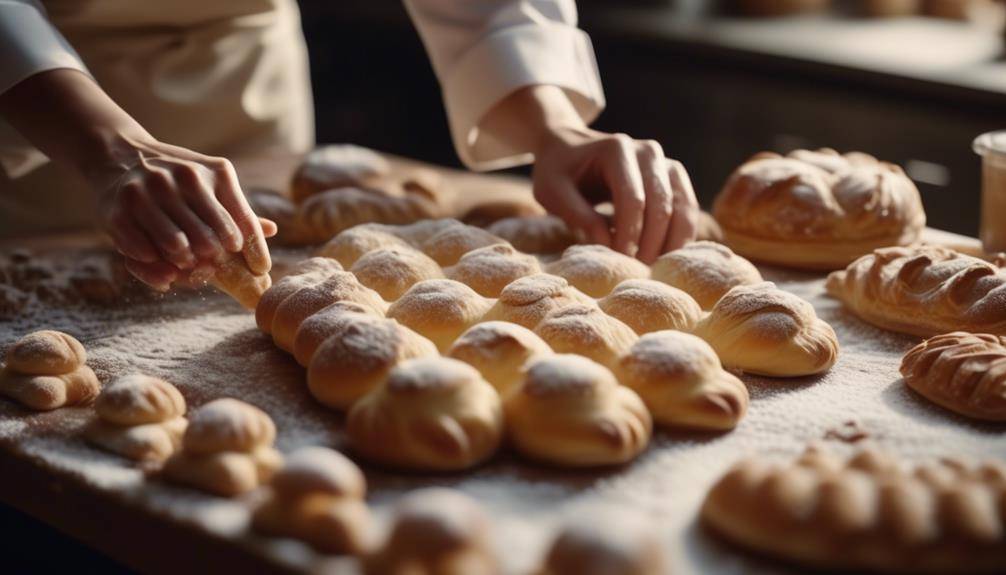
For a sweet ending, sample basbousa, a semolina cake drenched in syrup and topped with almonds, or kunafa, a delicate pastry filled with cheese or nuts. Each bite carries the essence of Egypt’s rich history and culture.
Street Food Delights
Street food in Egypt offers a vibrant and flavorful experience that you won’t want to miss. As you stroll through the bustling streets, the aromas of sizzling spices and fresh ingredients will draw you in. Among the must-try options is koshari, a beloved dish that combines rice, lentils, and pasta, topped with a rich tomato sauce and crispy onions. You’ll discover various koshari variations, each vendor adding their unique twist, so don’t hesitate to sample a few to find your favorite.
Another street food staple is falafel, made from ground chickpeas or fava beans, mixed with fragrant herbs and spices. You’ll find countless falafel recipes, and each vendor has their own secret blend that makes their falafel stand out. Enjoy these golden-brown balls in a pita sandwich, layered with fresh vegetables and drizzled with tahini sauce for an irresistible treat.
Don’t overlook the grilled corn on the cob, often slathered with butter and sprinkled with spices, or the sweet, sticky konafa, a dessert that will satisfy your sweet tooth. As you navigate through street stalls, keep an eye out for local favorites, like stuffed vine leaves and spicy potato sandwiches.
Popular Egyptian Spices
Egyptian cuisine is rich with an array of spices that elevate its dishes to new heights. When you immerse yourself in the world of popular Egyptian spices, you’ll discover that they’re not just about heat; they create complex flavor profiles that can transform a simple meal into a culinary masterpiece.
One of the most iconic spice blends you’ll encounter is dukkah, made from a mix of nuts, seeds, and spices like coriander and cumin. It brings a crunchy texture and a nutty flavor to dishes, perfect for dipping bread or enhancing roasted vegetables. Then there’s baharat, a warm spice blend that combines black pepper, cardamom, and cinnamon, among others. It’s versatile, adding depth to meats, stews, and even rice.
Don’t overlook the vibrant sumac, with its tangy, citrusy notes that can brighten up salads or grilled meats. Another staple is cumin, which you’ll find in many Egyptian recipes, giving dishes a comforting, earthy flavor.
You should also explore turmeric, known for its golden hue and health benefits, which adds warmth to rice and stews. With these spices, you can create authentic Egyptian dishes right in your kitchen, experimenting with different spice blends to find your favorite flavor profiles. So, roll up your sleeves, and let your culinary curiosity guide you as you explore the fascinating world of Egyptian spices!
Sweet Treats and Desserts
Often considered the crown jewels of Egyptian cuisine, sweet treats and desserts offer a delightful conclusion to any meal. You’ll find an array of flavors and textures that will leave your taste buds dancing. Start with basbousa variations, a semolina cake soaked in honey syrup, which can be topped with everything from almonds to coconut flakes.
Next, discover kunafa secrets, where crispy vermicelli-like pastry envelops a luscious cheese filling, drizzled with fragrant rose water-infused syrup. If you’re in the mood to explore, try maamoul fillings, deliciously stuffed cookies often filled with dates, nuts, or figs—perfect for a festive occasion or just a sweet indulgence.
Date desserts are a staple, showcasing the richness of locally-sourced ingredients. Pair them with sweet tahini for a creamy dip that elevates the experience. Don’t miss the chance to savor saffron ice cream, a luxurious treat that’s as beautiful as it is delicious.
For an extra crunch, top your desserts with pistachio toppings that add both flavor and visual appeal. And if you’re looking for something unique, try cinnamon twists, a delightful pastry that combines the warmth of cinnamon with a crispy exterior.
These Egyptian sweets not only satisfy your sweet tooth but also immerse you in the rich culinary heritage of the region. So, the next time you’re craving something sweet, remember these delightful options and let your culinary curiosity lead the way!
Ancient Culinary Influences
Throughout history, various civilizations have shaped the culinary landscape of Egypt, leaving a lasting impact on its traditional dishes. You can trace these influences back to Pharaonic feasts that celebrated not just the abundance of ancient harvests but also the intricate culinary rituals that surrounded them. These grand occasions featured an array of seasonal ingredients, showcasing the region’s rich agricultural bounty.
As you explore Egyptian cuisine, you’ll discover how historical spices were essential in creating vibrant flavors. The blending of spices often resulted from cultural exchanges with neighboring civilizations, enriching local dishes and enhancing their appeal. Food preservation techniques, including drying and pickling, were commonly used to guarantee that ingredients lasted through harsh seasons, further shaping the way Egyptians prepared their meals.
Royal banquets were lavish affairs filled with a variety of dishes, where sacred meals often held significant meaning. Ritual offerings to the gods often included food, emphasizing the spiritual connection between cuisine and culture. You’ll notice that many traditional recipes still echo these ancient practices, reflecting the importance of culinary heritage in Egyptian society.
Whether it’s the meticulous preparation of a dish or the symbolic significance behind it, ancient culinary influences are woven into the fabric of modern Egyptian cooking. By understanding these roots, you’re better equipped to appreciate the depth and richness of the flavors that define Egyptian delicacies today.
Modern Twists on Classics
In today’s culinary scene, you can experience Egyptian classics like never before. Chefs are experimenting with innovative ingredients and creating fusion flavor combinations that elevate traditional dishes. Let’s explore how these modern twists redefine what you thought you knew about Egyptian cuisine.
Innovative Ingredients Usage
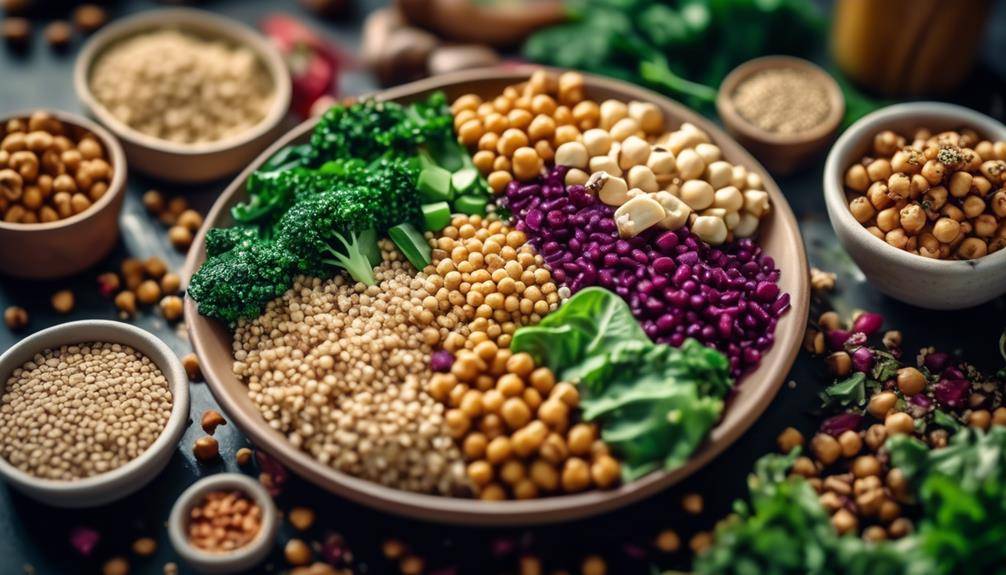
While traditional Egyptian dishes hold a special place in culinary hearts, innovative ingredient usage is breathing new life into these classics. You can elevate your favorite meals by incorporating exotic vegetables and ancient grains, creating a delightful fusion of flavors and textures. Imagine a traditional koshari reimagined with quinoa instead of rice, offering a nutty flavor and added protein.
Incorporating vibrant, exotic vegetables like purple sweet potatoes or rainbow chard can add not only color but also unique tastes to your dishes. These ingredients can transform a simple salad or stew into a visually stunning and nutritious masterpiece.
Don’t shy away from experimenting with spices, either. Try infusing your dishes with unexpected herbs like za’atar or smoked paprika for depth and complexity.
Fusion Flavor Combinations
Building on the creative use of ingredients, fusion flavor combinations can take traditional Egyptian favorites to new heights. Imagine a classic koshari, but with a twist—add some spicy chorizo for a smoky kick. This cultural fusion not only enhances the dish but introduces a lively new flavor profile you won’t forget.
You can also experiment with regional variations by incorporating elements from neighboring cuisines. Picture a traditional mahshi, but stuffed with quinoa and topped with a tangy tzatziki sauce. The freshness of the tzatziki complements the richness of the mahshi, creating a delightful contrast.
Another exciting idea is to take your favorite Egyptian desserts and add an international flair. Consider a basbousa with coconut and lime zest, bringing a tropical twist to this beloved cake. The citrus notes brighten the sweetness, making it a revitalizing end to any meal.
These modern twists on classics not only celebrate the essence of Egyptian cuisine but also encourage creativity in your kitchen. So, don’t hesitate to explore, mix, and match flavors; the possibilities are endless!
Tips for Cooking Egyptian Food
When you’re cooking Egyptian food, it’s essential to have the right ingredients on hand. Mastering traditional techniques and understanding flavor pairings can elevate your dishes to a whole new level. Let’s explore the essentials that will help you create authentic Egyptian meals at home.
Essential Ingredients to Stock
To create authentic Egyptian dishes, stocking your pantry with essential ingredients is critical. Start with kitchen staples like rice, lentils, and pasta, as these form the base of many meals. Incorporate spices such as cumin, coriander, and cinnamon; they’re flavor foundations that give Egyptian cuisine its distinctive taste. Don’t forget about garlic and onions, which are used in almost every dish.
When it comes to ingredient sourcing, seek out fresh produce like tomatoes, eggplant, and okra, as they add depth and vibrancy to your meals. Seasonal ingredients play a key role, so adjust your stock according to what’s available in your area.
For meal prep, consider keeping chickpeas and fava beans on hand. These legumes are not only nutritious but also culturally significant, often featured in iconic dishes like falafel and koshari. Finally, don’t overlook condiments like tahini and harissa, which can elevate your dishes and bring a taste of Egypt right to your table. By curating this essential pantry, you’ll be well-equipped to explore the delicious world of Egyptian cooking.
Traditional Cooking Techniques
Traditionally, Egyptians often rely on slow-cooking methods to enhance the flavors of their dishes. This technique allows spices and ingredients to meld beautifully, creating rich, aromatic meals. One popular cooking method is stewing, where you simmer meats and vegetables in a pot over low heat, allowing the flavors to deepen over time. You can try making a classic dish like Molokhia, a flavorful green stew that showcases this technique.
Another method is grilling, especially for kebabs and kofta. You’ll find regional variations, such as marinating meats with different spice blends depending on the area, which adds unique tastes to each dish. Baking is also common, particularly for breads like Aish Baladi, a flatbread that pairs perfectly with meals.
Don’t overlook the importance of using a tagine or a clay pot, as these help retain moisture and infuse flavors. Experimenting with these cooking methods not only brings authenticity to your Egyptian dishes but also guarantees that every bite is a burst of flavor. Embrace the slow pace of cooking and enjoy the process—your taste buds will thank you!
Flavor Pairing Suggestions
Flavor pairing in Egyptian cuisine is all about balancing bold spices with fresh ingredients to create harmonious dishes. Start by selecting your main protein, like chicken or lamb, then think about the spices. Cumin and coriander are fantastic with meats, while dill and parsley work well with fish. When it comes to herb pairings, mix fresh mint with roasted vegetables for a rejuvenating twist.
Don’t forget about texture contrasts. For instance, pair creamy tahini sauce with crispy falafel to elevate your dish. A crunchy topping, like toasted almonds, can add a delightful crunch to dishes like koshari, which is already hearty with its lentils and rice.
Also, consider incorporating tangy elements, like pickled vegetables or a squeeze of lemon, to brighten up your meals. The acidity cuts through richness, creating a well-rounded flavor profile.
Experiment with these elements, and you’ll discover that Egyptian cuisine is not just about flavors but also about how they interact through texture and freshness. With practice, you’ll reveal a world of delicious combinations that’ll impress anyone at your table. Happy cooking!
Dining Etiquette in Egypt
Dining in Egypt is not just about the food; it’s an experience steeped in culture and tradition. When you’re invited to a meal, you’re stepping into a warm atmosphere where hospitality reigns supreme. It’s important to remember that table manners play a significant role in how you engage with your hosts and fellow diners.
First off, always wait for the host to invite you to begin your meal. When it comes to meal sharing, Egyptians often serve food family-style, so don’t hesitate to dig in! Use your right hand to take food from the communal dishes, as using the left is considered impolite. If you’re unsure, observe your host’s actions and follow suit.
It’s common for Egyptians to express their appreciation for food. Compliment the dishes and show genuine interest in the flavors. You might be offered more food than you can handle—this is a sign of generosity, so try to accept at least a small portion.
If you’re offered tea or coffee, it’s customary to accept. This gesture signifies friendship and respect. Always thank your host when the meal is over to show gratitude for their hospitality. Finally, it’s usually expected to leave some food on your plate, as finishing everything can imply that you were still hungry. By following these dining etiquette tips, you’ll not only enjoy the delicious cuisine but also connect with the rich customs of Egyptian culture.
Frequently Asked Questions: An Amazing Guide To Egyptian Delicacies
What Are Some Common Dietary Restrictions in Egyptian Cuisine?
In Egyptian cuisine, you’ll find dietary restrictions influenced by religious practices. Koshari variations often cater to vegetarians, while falafel origins highlight a preference for plant-based options, making it easier for those avoiding meat or gluten.
How Can I Find Authentic Egyptian Restaurants Outside of Egypt?
To find authentic Egyptian restaurants outside Egypt, search online for restaurant reviews and local food blogs. Join cultural experiences or community events where Egyptian cuisine is featured, connecting you with recommendations and passionate food enthusiasts.
Are There Vegetarian or Vegan Options in Traditional Egyptian Dishes?
Yes, you’ll find plenty of vegetarian dishes in traditional Egyptian cuisine, like koshari and falafel. For vegan alternatives, try dishes using lentils, chickpeas, or fresh vegetables, which are both delicious and satisfying. Enjoy exploring!
What Beverages Pair Well With Egyptian Meals?
When enjoying Egyptian meals, traditional pairings like hibiscus tea or karkadeh enhance the flavors. You’ll also love fresh juice options like sugarcane or pomegranate, which perfectly complement the vibrant tastes of Egyptian beverages.
How Do I Store Leftover Egyptian Food Properly?
To store leftover Egyptian food properly, focus on food preservation techniques. Use airtight containers, refrigerate promptly, and label meals for meal planning. This way, you’ll enjoy flavorful leftovers while minimizing waste and keeping your meals fresh.

Conclusion
You’re now ready to begin your culinary adventure through Egypt! With its rich flavors, diverse ingredients, and vibrant street food scene, you’ll discover a world of taste that reflects the country’s history and culture. Don’t hesitate to experiment with traditional dishes and spices in your own kitchen. So, gather your ingredients, invite some friends over, and plunge into the delicious world of Egyptian cuisine. Happy cooking and enjoy every bite of your journey!