The Fascinating History of Turkey Fried Rice
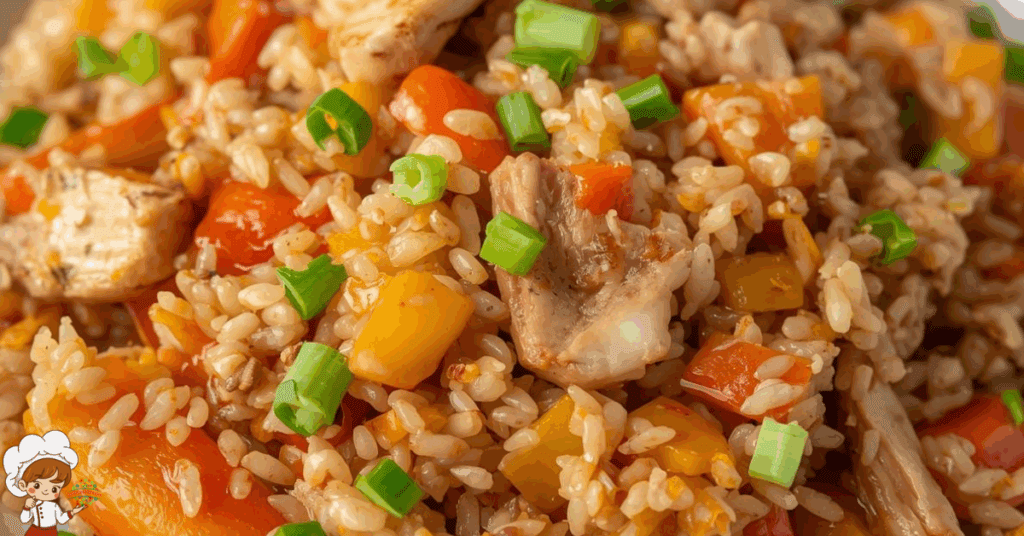
The Fascinating History of Turkey Fried Rice; Turkey fried rice is one of those comforting, flavorful dishes that blends cultural traditions, resourcefulness, and culinary evolution into one satisfying bowl. While fried rice itself has a well-documented history stretching back thousands of years, the specific idea of turkey fried rice is a more modern innovation that brings together Eastern cooking techniques and Western ingredients, particularly a beloved holiday staple—turkey.
Today, it stands as one of the most popular and practical ways to transform leftover turkey into a new dish that feels completely fresh. Understanding the history of turkey fried rice means exploring not only the deep roots of fried rice as a technique but also how turkey became a central protein in American households and eventually merged into global cuisine.
How Fried Rice Became the Foundation for Modern Turkey Fried Rice
The story of turkey fried rice begins with the ancient origins of fried rice itself. Fried rice has existed for more than 1,500 years, with its earliest appearance documented during China’s Sui Dynasty. The concept was simple yet revolutionary: turn leftover rice into a brand-new dish by stir-frying it with vegetables, protein, and aromatics. This became a fundamental cooking technique because it solved two problems at once—it reduced food waste and increased flavor.
Throughout the Tang, Song, and Ming dynasties, regional variations of fried rice spread across China. From the smoky wok-fried versions of the Yangzhou region to the boldly seasoned northern styles, fried rice became one of the most versatile dishes in Asian cuisine. As trade routes and immigration expanded Asian food traditions across the globe, fried rice became a familiar comfort food in countries far beyond China.
Fast forward to today, this technique is the foundation of dishes like turkey fried rice. By combining leftover rice and turkey in a sizzling pan, home cooks recreate a time-honored method that connects them to centuries of culinary tradition.
The Rise of Turkey as a Popular Everyday Ingredient
While fried rice has ancient origins, turkey has a very different history—one rooted in the Americas. Wild turkeys are native to North America, and evidence suggests Indigenous peoples domesticated and consumed turkey as early as 300 B.C. When European explorers encountered turkey in Mexico, the bird quickly traveled across the Atlantic and became widely prized for its size and flavor.
By the 20th century, turkey solidified its place as a symbol of American holiday meals, especially Thanksgiving. Advancements in poultry farming after World War II made turkey more accessible year-round. As more households began preparing whole turkeys multiple times a year, the question became: what to do with all the leftovers?
Home cooks soon realized that shredded or chopped turkey behaved very similarly to chicken and could be substituted in countless recipes. From soups to sandwiches to casseroles, leftover turkey became an essential ingredient for repurposed meals. So when fried rice grew in popularity across the United States, it made perfect sense that turkey would be added to this beloved dish.
How East Meets West: The Birth of Turkey Fried Rice in the United States
Turkey fried rice emerged as a uniquely American hybrid dish—born from the combination of Asian cooking methods and Western holiday leftovers. As Chinese restaurants became more common throughout the U.S. in the mid-20th century, Americans became familiar with fried rice. Families inspired by these flavors began trying their own versions at home.
During the post-Thanksgiving meal planning frenzy, resourceful home cooks discovered that turkey worked beautifully in fried rice. It absorbed flavors well, provided substantial protein, and paired perfectly with soy sauce, vegetables, and eggs. This marked the beginning of turkey fried rice as a go-to leftover recipe.
By the 1980s and 1990s, when stir-frying gained mainstream popularity thanks to cookbooks, television chefs, and the widespread availability of woks, turkey fried rice cemented itself as a weeknight favorite. Today, it remains a delicious example of how immigrant cuisine evolves as it blends with local ingredients and traditions.
Why Turkey Fried Rice Became So Popular
Turkey fried rice isn’t just a tasty meal—it represents the intersection of convenience, creativity, and cultural appreciation. Home cooks love this dish because it is quick, customizable, and family-friendly. Instead of reheating plain leftover turkey, frying it with rice and vegetables introduces new textures and flavors.
Additionally, the dish fits perfectly with modern cooking trends:
- It reduces food waste.
- It transforms leftovers into a completely new meal.
- It is budget-friendly.
- It can be adapted for dietary needs, from gluten-free to high-protein eating styles.
Turkey fried rice is also extremely versatile. Whether seasoned simply with soy sauce or enhanced with garlic, ginger, or chili, the flavors can be tailored to personal preference. This flexibility is one reason the dish has remained a favorite among families looking for quick and delicious ways to use leftover turkey.
Cultural Significance of Turkey Fried Rice in Modern Cooking
Turkey fried rice may not have the centuries-old heritage of traditional fried rice dishes, but it represents something equally important: cultural blending. It shows how culinary traditions evolve when they cross borders and meet new ingredients.
Just as Italian immigrants adapted pasta recipes using American wheat, or Latin American chefs embraced Asian noodles in dishes like lomo saltado, turkey fried rice is an example of culinary innovation shaped by ingredients available in a new environment. It reflects how American households today routinely mix different cultural techniques and flavors to create dishes that feel familiar yet new.
How Turkey Fried Rice Fits into Today’s Global Food Trends
In a world where fusion cuisine is more popular than ever, turkey fried rice fits right in. Diners and home cooks alike are drawn to dishes that combine convenience with bold flavor. Turkey fried rice checks every box:
- It is quick to prepare.
- It incorporates lean protein and vegetables.
- It works for meal prep and leftover transformations.
- It embraces global flavors in a comforting way.
As consumers continue to explore new flavor combinations and celebrate multicultural cooking, turkey fried rice remains a dish that reflects the diversity and creativity of modern kitchens.
The Continued Evolution of Turkey Fried Rice
As food culture continues to evolve, turkey fried rice finds new interpretations. Some cooks prepare it with brown rice for added nutrition, while others use jasmine rice for authentic texture. Some add ingredients like pineapple, green onions, or sesame oil to elevate the dish.
Restaurants have even begun incorporating turkey into fried rice dishes seasonally, especially around Thanksgiving. This demonstrates the growing recognition of turkey fried rice not just as a leftover solution, but as a delicious recipe in its own right.

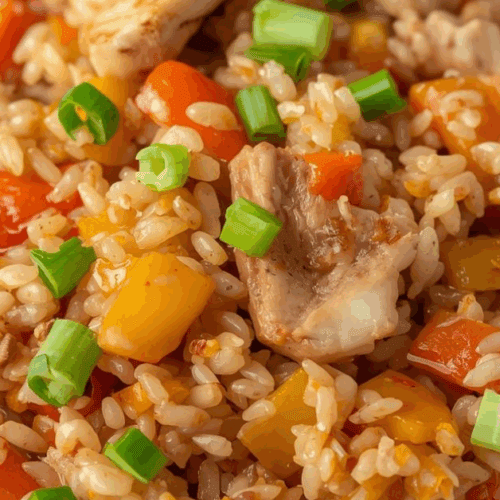
Turkey Fried Rice
Ingredients
- 2 cups cooked rice
- 2 cups cooked turkey diced
- 1 cup mixed vegetables such as peas, carrots, and corn
- 3 tablespoons soy sauce
Instructions
- In a large skillet or wok over medium heat, add the cooked rice, diced turkey, and mixed vegetables.
- Stir everything together and allow the mixture to heat through for several minutes.
- Pour the soy sauce over the mixture and continue stirring until the rice is evenly coated and the ingredients are fully combined.
- Cook until the vegetables are tender and the turkey is warmed, then remove from heat and serve hot.
If you enjoyed exploring this topic and want to dive even deeper, be sure to check out some of our other articles here on Infinite Flavors. From rich culinary histories to creative twists on classic recipes, there’s always something new to discover. Whether you’re curious about the origins of a dish, looking for fresh inspiration in the kitchen, or simply love learning about food culture, our collection of posts is the perfect next step on your flavor journey.
The Amazing History Of Turkey And Rice Casserole
The Great History Of Healthy Turkey Chili
The Delicious History Of Amazing Turkey Enchiladas
FAQ: The Fascinating History of Turkey Fried Rice
Is turkey fried rice traditional?
Turkey fried rice is not a traditional Chinese dish, but it is inspired by the long-standing technique of fried rice. It is a modern, American fusion dish created by combining leftover turkey with classic fried rice methods.
Why use turkey instead of chicken in fried rice?
Turkey offers a heartier flavor and firmer texture, especially when shredded or diced. Because it is commonly available after holidays, it provides a convenient protein that works well with stir-fry flavors.
Can turkey fried rice be made with leftover rice?
Yes—leftover rice is ideal. Cold rice has a firmer texture and fries better without clumping, which is why nearly all fried rice recipes recommend it.
Is turkey fried rice healthy?
It can be! Turkey is a lean protein, and the dish typically includes vegetables. The final nutrition depends on the ingredients and portion sizes used.
What vegetables work best in turkey fried rice?
Common additions include peas, carrots, onions, and corn, but any favorite vegetable can work, including broccoli, bell peppers, or spinach.
Can turkey fried rice be made gluten-free?
Yes—simply use gluten-free soy sauce or tamari. All other ingredients are naturally gluten-free.
Can I freeze turkey fried rice?
Absolutely. It freezes and reheats very well, making it an excellent meal-prep option.