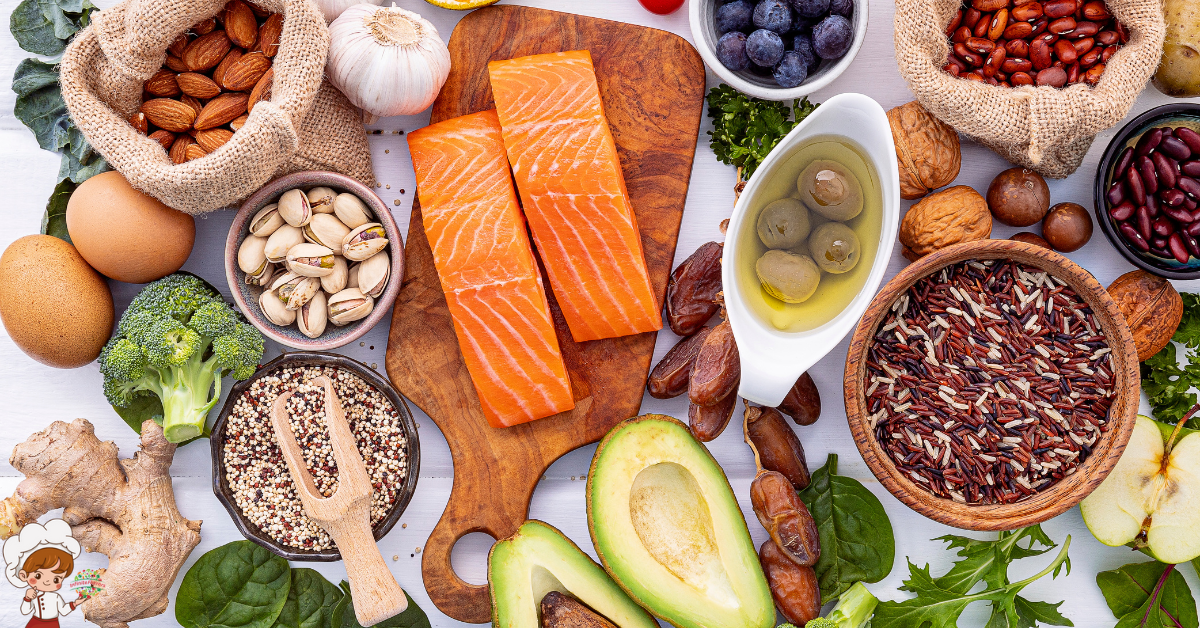
Ezekiel Bread The Great Ancient Biblical Superfood Explained
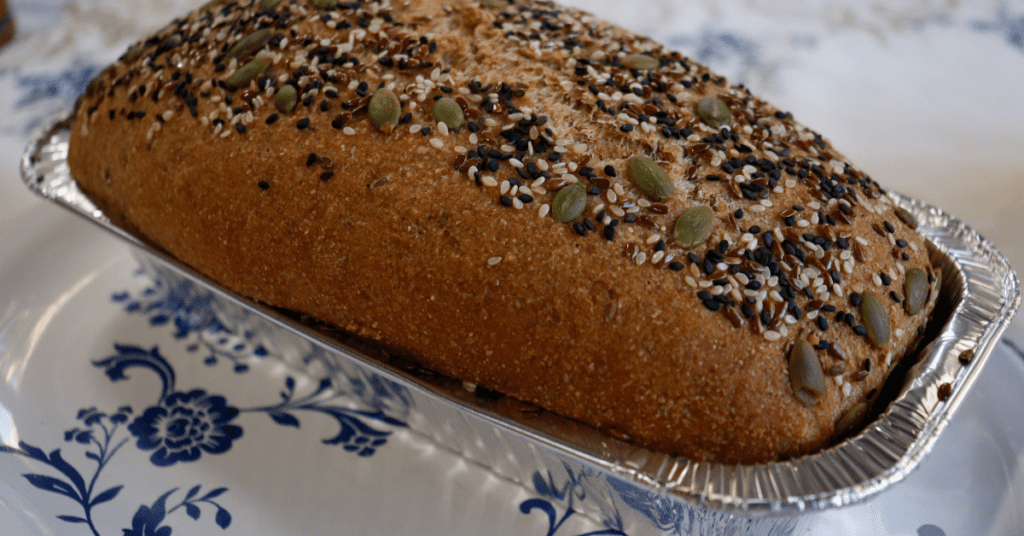
What Is Ezekiel Bread?
Ezekiel Bread The Great Ancient Biblical; Ezekiel bread is more than a wholesome loaf — it’s a powerful blend of ancient nutrition, biblical tradition, and modern wellness. Inspired by God’s instructions to the prophet Ezekiel in Ezekiel 4:9, this bread combines sprouted grains and legumes to create a nutrient‑dense, complete‑protein food source. Today, it’s celebrated by health‑conscious eaters, athletes, and anyone seeking clean, minimally processed nourishment. This guide breaks down the biblical origins, nutritional benefits, and modern relevance of Ezekiel bread so readers can understand why this ancient recipe continues to thrive in today’s kitchens.
Unlike conventional bread made from refined flour, Ezekiel bread is crafted using whole, sprouted ingredients such as wheat, barley, lentils, millet, spelt, and beans. This unique composition not only enhances its nutritional profile but also makes it a favorite among those seeking clean, wholesome, and minimally processed foods.
Today, Ezekiel bread has gained popularity in health-conscious communities, among fitness enthusiasts, and within plant-based diets. Its appeal lies in its balance of protein, fiber, and complex carbohydrates—making it both nourishing and satisfying.
By the end of this post, readers will understand:
- The biblical origins of Ezekiel bread and its significance
- Why sprouted grains make this bread nutritionally superior
- How Ezekiel bread forms a complete protein
- The key vitamins, minerals, and health benefits it provides
- How sprouting improves digestion and nutrient absorption
- How Ezekiel bread compares to regular bread
- Who benefits most from including Ezekiel bread in their diet
- Why it’s considered a modern “superfood”
- How it fits into biblical nutrition and ancient‑grain trends
The Biblical Origins of Ezekiel Bread
The origins of Ezekiel bread can be traced directly to scripture. In Ezekiel 4:9, God instructs the prophet Ezekiel to prepare bread using a specific mixture of grains and legumes. This bread was meant to sustain him during a time of hardship and symbolic fasting.
The passage reads (paraphrased):
“Take wheat, barley, beans, lentils, millet, and spelt; put them in a storage jar and use them to make bread for yourself.”
This combination is significant because it reflects a nutritionally complete food source. In ancient times, combining grains and legumes was a practical way to create a balanced diet, especially during periods of scarcity.
While modern Ezekiel bread is not made under the same conditions described in the Bible, it honors the ingredient list and concept—bringing an ancient dietary principle into contemporary kitchens.
Why Ezekiel Bread Is Considered a Superfood
Ezekiel bread is often labeled a “superfood,” and for good reason. Its nutritional density sets it apart from most breads available today.
Complete Protein Profile
One of the most remarkable features of Ezekiel bread is its ability to provide a complete protein. Typically, plant-based proteins lack one or more essential amino acids. However, by combining grains and legumes, Ezekiel bread forms a complete amino acid profile similar to animal proteins.
This makes it an excellent option for vegetarians, vegans, and anyone looking to diversify their protein sources.
High in Fiber
Ezekiel bread is rich in dietary fiber, which plays a crucial role in digestive health. Fiber helps regulate blood sugar levels, supports gut health, and promotes a feeling of fullness—making it beneficial for weight management.
Packed with Nutrients
Because it uses whole, sprouted grains, Ezekiel bread retains more vitamins and minerals than refined breads. These include:
- B vitamins (important for energy production)
- Iron (supports oxygen transport in the blood)
- Magnesium (essential for muscle and nerve function)
- Zinc (important for immune health)
The Power of Sprouted Grains
A key factor that makes Ezekiel bread unique is the use of sprouted grains. Sprouting involves soaking grains and legumes in water until they begin to germinate. This process triggers several nutritional benefits.
Improved Nutrient Absorption
Sprouting reduces antinutrients like phytic acid, which can interfere with the body’s ability to absorb minerals. As a result, the nutrients in Ezekiel bread are more bioavailable.
Easier Digestion
Many people find sprouted grain bread easier to digest compared to traditional bread. The sprouting process breaks down starches and gluten, making them gentler on the digestive system.
Lower Glycemic Impact
Sprouted grains tend to have a lower glycemic index, meaning they cause a slower, more stable rise in blood sugar levels. This makes Ezekiel bread a better option for individuals managing blood sugar or seeking sustained energy.
Ezekiel Bread vs. Regular Bread
When comparing Ezekiel bread to conventional white or whole wheat bread, the differences are significant.
Ingredient Quality
Regular bread often contains refined flour, added sugars, preservatives, and artificial ingredients. Ezekiel bread, on the other hand, is made from whole, natural ingredients with no unnecessary additives.
Nutritional Value
Ezekiel bread provides more protein, fiber, and micronutrients than most standard breads. It is also typically free from added sugars, making it a cleaner choice.
Processing
Traditional bread is made from milled flour that has been stripped of many nutrients. Ezekiel bread uses sprouted grains, preserving their nutritional integrity and enhancing their benefits.
Who Should Eat Ezekiel Bread?
Ezekiel bread can be a great addition to many diets, but it is especially beneficial for certain groups.
Health-Conscious Individuals
Those looking to improve their overall diet often turn to Ezekiel bread as a nutrient-dense alternative to processed foods.
Athletes and Active Lifestyles
With its balance of protein and complex carbohydrates, Ezekiel bread provides sustained energy—making it ideal for pre- or post-workout meals.
Plant-Based Diet Followers
Because it offers a complete protein source, Ezekiel bread is particularly valuable for vegetarians and vegans.
Is Ezekiel Bread Gluten-Free?
Despite its many benefits, Ezekiel bread is not gluten-free. It contains wheat, barley, and spelt—all of which have gluten. However, some people with mild sensitivities report better tolerance due to the sprouting process.
For individuals with celiac disease or severe gluten intolerance, it is best to avoid Ezekiel bread and opt for certified gluten-free alternatives.
How Ezekiel Bread Supports Modern Healthy Living
In today’s fast-paced world, many people are seeking foods that are both convenient and nutritious. Ezekiel bread fits perfectly into this lifestyle.
Clean Eating
Ezekiel bread aligns with clean eating principles by using whole, recognizable ingredients without artificial additives.
Weight Management
Its high fiber and protein content help promote satiety, reducing the likelihood of overeating.
Heart Health
Whole grains and legumes are associated with improved heart health, including lower cholesterol levels and reduced risk of cardiovascular disease.
Popular Uses for Ezekiel Bread
Although we’re not focusing on recipes, it’s worth noting how versatile Ezekiel bread can be in everyday meals.
- Toasted for breakfast with simple toppings
- Used for sandwiches and wraps
- Paired with soups and salads
- Enjoyed as a base for healthy snacks
Its dense texture and nutty flavor make it a satisfying substitute for traditional bread in nearly any dish.
Ezekiel Bread and Biblical Nutrition
Ezekiel bread represents a broader concept often referred to as “biblical nutrition.” This approach emphasizes whole, natural foods that were commonly consumed in ancient times.
Foods like grains, legumes, fruits, olive oil, and honey are frequently mentioned throughout scripture and are associated with nourishment and sustenance.
By incorporating Ezekiel bread into your diet, you’re not only choosing a healthier option—you’re also connecting with a tradition that dates back thousands of years.
Choosing the Best Ezekiel Bread
Not all Ezekiel breads are created equal. When selecting a loaf, consider the following:
Look for Sprouted Grains
Ensure that the bread is made from truly sprouted grains rather than simply whole grains.
Check the Ingredient List
The ingredient list should be simple and free from added sugars, preservatives, or artificial ingredients.
Storage Matters
Ezekiel bread is often found in the freezer section because it lacks preservatives. Keeping it frozen helps maintain freshness and quality.
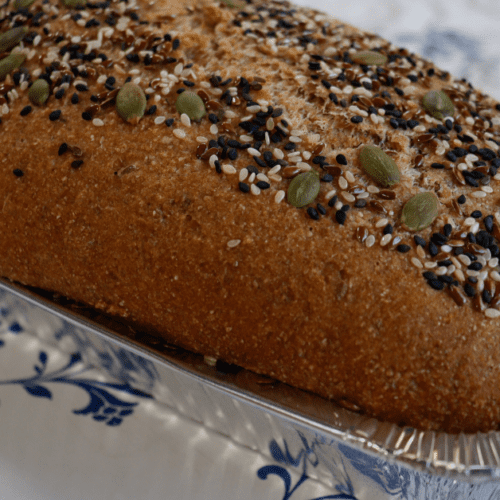
Ezekiel Bread (Sprouted Grain Bread)
Ingredients
- 2 cups sprouted wheat berries
- ½ cup sprouted barley
- ½ cup sprouted spelt
- ¼ cup sprouted millet
- ¼ cup sprouted lentils
- 2 tablespoons sprouted beans great northern or kidney beans
- 1 ½ teaspoons salt
- 1 tablespoon honey optional
- 1 packet 2 ¼ teaspoons active dry yeast
- ½ cup warm water for yeast
- ¼ –½ cup additional warm water as needed
Instructions
- Sprout Grains & Legumes:
- Rinse all grains and legumes thoroughly. Soak in water overnight (8–12 hours). Drain, rinse, and place in a covered container. Rinse every 8–12 hours until small sprouts appear (1–3 days).
- Grind Mixture:
- Drain well and grind sprouted grains and legumes in a food processor until a thick, sticky dough forms.
- Activate Yeast:
- In a small bowl, combine ½ cup warm water and yeast. Let sit 5–10 minutes until foamy.
- Mix Dough:
- In a large bowl, combine ground mixture, yeast mixture, salt, and honey (if using). Mix well. Add small amounts of water as needed to form a soft dough.
- First Rise:
- Knead dough for 8–10 minutes. Place in a greased bowl, cover, and let rise in a warm place for 1–2 hours (dough will rise slightly).
- Shape & Second Rise:
- Punch down dough, shape into a loaf, and place in a greased loaf pan. Cover and let rise 45–60 minutes.
- Bake:
- Preheat oven to 350°F (175°C). Bake 45–50 minutes until firm and golden brown.
- Cool:
- Allow bread to cool completely before slicing.
Common Misconceptions About Ezekiel Bread
“It’s Just Another Whole Wheat Bread”
While it may look similar, Ezekiel bread is fundamentally different due to its sprouted ingredients and complete protein profile.
“It Doesn’t Taste Good”
Some people expect it to taste like soft white bread, but Ezekiel bread has a rich, hearty flavor that many grow to love.
“It’s Only for Health Enthusiasts”
While it is popular among health-conscious individuals, anyone can enjoy Ezekiel bread as part of a balanced diet.
The Growing Popularity of Ancient Grains
Ezekiel bread is part of a larger trend toward ancient grains and traditional food practices. As people become more aware of the benefits of whole, minimally processed foods, interest in these ingredients continues to rise.
Ancient grains like spelt and millet are valued for their nutritional content and historical significance. Ezekiel bread brings these grains together in a way that is both practical and meaningful.

Final Thoughts: Ezekiel Bread The Great Ancient Biblical
Ezekiel bread stands at the intersection of history, faith, and nutrition. Rooted in the teachings of the Book of Ezekiel, it offers a unique approach to bread-making that prioritizes health and simplicity.
With its complete protein, high fiber content, and enhanced nutrient absorption, Ezekiel bread is a powerful alternative to conventional bread. Whether you’re seeking better nutrition, exploring biblical foods, or simply looking for a more satisfying loaf, Ezekiel bread is worth considering.
As you continue your journey toward wholesome eating, incorporating foods like Ezekiel bread can help you build a diet that is not only nourishing but also deeply connected to tradition and purpose.