The History and Origin of Easy No-Bake Cookies
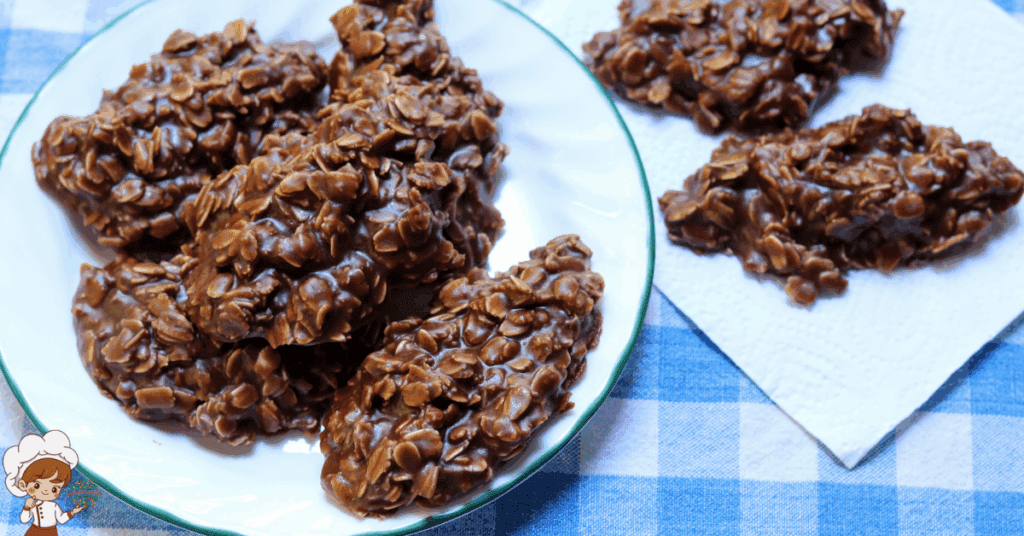
History and Origin of Easy No-Bake Cookies; Few desserts embody simplicity and nostalgia quite like the classic no-bake cookie. Whether you remember them from childhood bake sales, quick after-school treats, or holiday dessert platters, these chewy, chocolatey clusters have earned a special place in the hearts of home bakers everywhere.
What makes no-bake cookies so enduring is their accessibility. They don’t require an oven, fancy tools, or even much baking experience — just a stovetop and a few pantry staples. Yet, behind their humble appearance lies a fascinating history that stretches back over a century. From Depression-era innovation to modern-day convenience, no-bake cookies have evolved into one of the most beloved easy desserts in America.
This post explores the history, origin, and cultural significance of Easy No-Bake Cookies — a timeless favorite that proves you don’t need to bake to create something delicious.
The Early Origins of No-Bake Cookies
The origins of no-bake cookies are deeply rooted in the resourcefulness of early American home cooks. Long before electric ovens became household staples, cooks often relied on stovetop desserts. Early 20th-century recipes for “boiled cookies” or “cooked fudge drops” appeared in community cookbooks across the United States.
These early versions typically involved combining sugar, milk, butter, cocoa, and oats — the same simple ingredients we recognize in today’s no-bake cookies. Once the mixture thickened, it was spooned onto wax paper to cool and harden.
The concept was born out of necessity. During times of economic hardship — particularly the Great Depression and World War II — home cooks needed to stretch their ingredients while still providing comforting treats. No-bake cookies offered the perfect solution: a dessert that used inexpensive pantry staples, required no oven, and could be made in minutes.
The Rise of Easy No-Bake Cookies in the 1940s and 1950s
By the 1940s and 1950s, no-bake cookies had evolved into a mainstream dessert, appearing in community cookbooks and on handwritten recipe cards across the nation. This was an era when convenience and creativity flourished in home kitchens.
The postwar years introduced a wave of “quick and easy” desserts, influenced by the growing popularity of processed ingredients and the modern homemaker’s desire for efficiency. The no-bake cookie fit perfectly into this cultural shift.
Mothers could whip up a batch of no-bake cookies in under 15 minutes, making them ideal for unexpected guests, after-school snacks, or church gatherings. Their simplicity — no oven, no fancy tools — made them nearly foolproof, even for beginners.
By this time, the recipe had taken on its classic form: cocoa powder, oats, butter, sugar, milk, and a touch of peanut butter. The combination created a chewy, chocolatey, fudgy treat that was both satisfying and portable — the epitome of easy homemade comfort food.
How the Great Depression Shaped the No-Bake Cookie
To truly appreciate the history of Easy No-Bake Cookies, it’s essential to understand their connection to the Great Depression. During the 1930s, ingredients like eggs, flour, and sugar were often scarce or expensive. Families were forced to adapt, creating desserts that relied on affordable, shelf-stable items.
The no-bake cookie embodied the frugality and ingenuity of the era. With just a few ingredients — rolled oats, cocoa, sugar, and milk — families could create a sweet treat without waste. The recipe’s flexibility also allowed cooks to adjust based on what they had available. If butter was limited, shortening could be used. If sugar was rationed, corn syrup could step in.
This adaptability helped solidify the no-bake cookie’s place in American kitchens. Even as times improved, families continued making them — not out of necessity, but out of love for their comforting taste and ease of preparation.
The Role of Cocoa and Oats in No-Bake Cookie History
Two ingredients define the traditional no-bake cookie: cocoa powder and rolled oats. Each has its own historical significance that contributes to the cookie’s enduring legacy.
Cocoa powder became widely accessible to American households in the early 1900s, thanks to brands that popularized instant cocoa for baking and beverages. It added a rich, chocolatey flavor without the need for melted chocolate or expensive baking ingredients.
Rolled oats, meanwhile, became a pantry staple during the same period. Promoted as a nutritious, economical grain, oats were incorporated into cookies, breads, and breakfast dishes. Their chewy texture made them the perfect addition to the no-bake cookie, providing substance and balance to the sweetness.
Together, these ingredients made no-bake cookies a dessert that was both comforting and practical — a combination that has never gone out of style.
No-Bake Cookies and the American Home Baker
The no-bake cookie quickly became a beloved staple in American households because it was approachable for everyone. It didn’t require precise baking temperatures or timing, which made it ideal for children learning to cook and for busy parents.
By the 1960s, no-bake cookies were a symbol of homemade simplicity, often shared at school events, community potlucks, and bake sales. They were inexpensive to make in large quantities, stored well, and satisfied any sweet craving.
Their reputation as an “easy family favorite” solidified them in cookbooks and homemaking magazines throughout the 20th century. Even as the baking world embraced trends like elaborate layer cakes and decorated cookies, the humble no-bake cookie remained constant — a simple, foolproof dessert for every occasion.
Variations and Regional Twists on No-Bake Cookies
Though the classic chocolate-oat combination remains the most popular, countless variations have emerged over the years. Some families swap peanut butter for almond or sunflower butter. Others omit cocoa entirely, creating vanilla or butterscotch versions.
In the South, cornflakes or coconut are sometimes added for extra crunch. In the Midwest, families often make “haystacks,” a variation of no-bake cookies that use chow mein noodles or pretzels instead of oats.
No matter the twist, the essence of the no-bake cookie remains the same — quick, comforting, and endlessly adaptable.
Why Easy No-Bake Cookies Are Still So Popular Today
Even in today’s world of gourmet desserts and viral TikTok recipes, Easy No-Bake Cookies have stood the test of time. Their popularity endures for a few key reasons:
First, they’re practical. With no oven required, they’re perfect for summer months, dorm rooms, and busy lifestyles. Second, they’re accessible — requiring only common pantry ingredients. And third, they’re nostalgic. For many people, no-bake cookies represent childhood memories of baking with parents or grandparents.
Their simplicity also appeals to modern trends like minimalist baking and no-waste cooking. In an age where people value ease and authenticity, no-bake cookies offer the best of both worlds — delicious comfort with no complications.
The Cultural Legacy of Easy No-Bake Cookies
Beyond their ingredients and method, no-bake cookies carry deep cultural meaning. They represent the heart of home baking — where creativity and practicality intersect.
These cookies have been passed down through generations, appearing in handwritten cookbooks, index cards, and family gatherings for nearly a century. They’re a reminder that great desserts don’t have to be fancy or time-consuming; they just need to be made with care.
In classrooms, church kitchens, and small-town fairs, no-bake cookies remain a favorite. Their very name — no-bake — symbolizes freedom from perfectionism and an invitation to enjoy the simple pleasures of homemade sweets.
Easy No-Bake Cookies in the Modern Kitchen
In the modern culinary landscape, no-bake cookies have adapted beautifully to new preferences and lifestyles. Health-conscious bakers often replace traditional sugar with honey, maple syrup, or coconut sugar. Plant-based versions use dairy-free butter and milk alternatives, making them suitable for vegan diets.
Social media has also played a role in reviving the popularity of no-bake cookies. Videos showcasing their simplicity and nostalgic appeal frequently go viral, proving that even in an era of elaborate desserts, the classics never fade.
From quick lunchbox snacks to indulgent midnight treats, Easy No-Bake Cookies continue to find a place in every home.
No-Bake Cookies vs. Baked Cookies: What Makes Them Unique
At first glance, no-bake cookies might seem like a shortcut, but their unique preparation method actually sets them apart from traditional baked cookies in flavor and texture.
Because they’re cooked on the stovetop, the sugar mixture reaches a soft-ball stage, giving the cookies a fudge-like consistency once cooled. Baked cookies, on the other hand, rely on heat from the oven to create a crisp or chewy texture through caramelization and Maillard reactions.
No-bake cookies offer a distinct satisfaction — a combination of chocolatey richness and hearty oat chewiness — that makes them unlike any other dessert.
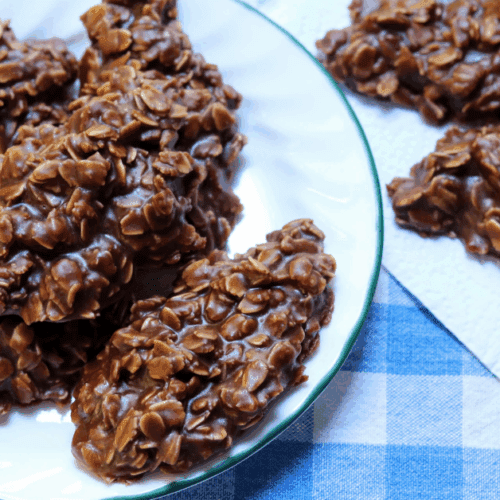
Easy No-Bake Cookies
Ingredients
- 1/2 cup unsweetened cocoa
- 1 cup sugar
- ½ cup milk
- ½ cup peanut butter
- 3 cups oats
- 1 tsp vanilla.
Instructions
- Boil cocoa, sugar and milk,
- mix in peanut butter and oats,
- drop onto wax paper, and let cool.
Frequently Asked Questions: History and Origin of Easy No-Bake Cookies
What are no-bake cookies made of?
Traditional no-bake cookies typically include ingredients like sugar, cocoa powder, butter, milk, oats, and peanut butter.
When were no-bake cookies invented?
The earliest known no-bake cookie recipes appeared in American cookbooks in the early 1900s, gaining popularity during the Great Depression for their simplicity and affordability.
Why are my no-bake cookies too dry or crumbly?
This usually happens when the sugar mixture is boiled for too long. The longer it cooks, the more moisture evaporates, leading to a dry texture.
Can I make no-bake cookies without peanut butter?
Yes, you can substitute other nut or seed butters such as almond, cashew, or sunflower butter.
Do no-bake cookies need to be refrigerated?
They can be stored at room temperature in an airtight container, but refrigeration helps them stay firm and fresh longer.
What makes no-bake cookies set properly?
Achieving the right sugar temperature is key. When boiled to the correct consistency, the mixture thickens as it cools, holding the cookies together.
Are no-bake cookies gluten-free?
They can be made gluten-free by using certified gluten-free oats.
Why are no-bake cookies so popular?
They’re easy, fast, and require no oven — perfect for busy schedules or hot weather — while delivering nostalgic, homemade flavor.
Can no-bake cookies be frozen?
Yes, they freeze beautifully. Simply layer them with parchment paper in a freezer-safe container for up to three months.

The Sweet Simplicity of Easy No-Bake Cookies
The story of Easy No-Bake Cookies is one of creativity, resilience, and nostalgia. From their early 20th-century origins to their modern-day revival, these cookies have remained a comforting favorite for good reason.
They were born from necessity during hard times but became a symbol of resourcefulness and love in the kitchen. With just a few ingredients and no oven required, they transformed humble pantry staples into something truly special.
More than a dessert, no-bake cookies are a connection to history — a reminder that simple pleasures often have the deepest roots. Whether you’re whipping up a quick batch for family or teaching a child their first recipe, the spirit of Easy No-Bake Cookies lives on in every chewy, chocolatey bite.
In a world that often celebrates complexity, these cookies stand as a delicious tribute to simplicity — proof that the easiest recipes are sometimes the most enduring.
If you enjoyed exploring this topic and want to dive even deeper, be sure to check out some of our other articles here on Infinite Flavors. From rich culinary histories to creative twists on classic recipes, there’s always something new to discover. Whether you’re curious about the origins of a dish, looking for fresh inspiration in the kitchen, or simply love learning about food culture, our collection of posts is the perfect next step on your flavor journey.
The History Of Super Easy Sugar Cookies
The History And Origin Of Easy Oatmeal Cookies
The History Of Easy Snickerdoodles A Family Favorite