The History and Origin of Easy Shortbread Cookies
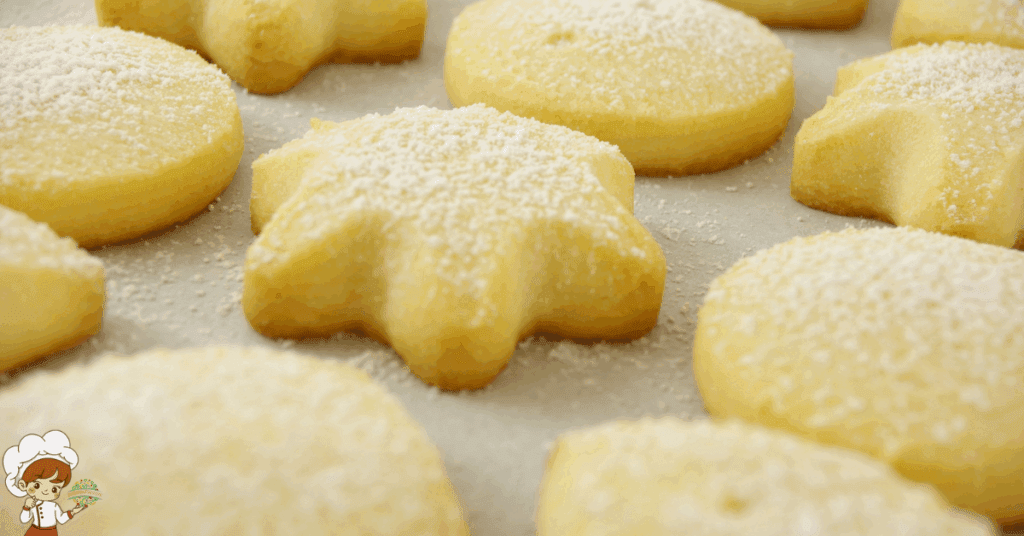
History and Origin of Easy Shortbread Cookies; Few cookies evoke the same sense of simplicity and indulgence as shortbread cookies. With their buttery crumb, golden hue, and melt-in-your-mouth texture, shortbread cookies are the essence of uncomplicated perfection. Though they may seem like a simple treat, their history tells a story rich in heritage, creativity, and evolution — from humble medieval roots to modern-day cookie tins around the world.
In this post, we’ll explore the history and origin of shortbread cookies, tracing their Scottish beginnings, understanding their transformation over the centuries, and learning how this timeless dessert became a global favorite. Whether you’re a home baker or a cookie enthusiast, the story behind these easy shortbread cookies will give you a new appreciation for every crumbly, buttery bite.
The Humble Beginnings of Shortbread Cookies
The story of shortbread begins in Scotland, centuries ago. Originally, shortbread wasn’t the luxurious, buttery cookie we know today — it was a hard, twice-baked biscuit made from leftover bread dough. Bakers in medieval times would take the remnants of bread dough, add sugar and spices, and slowly dry it out in a warm oven until it became a sweet, crisp treat.
Over time, this simple biscuit evolved. As butter became more available and affordable, bakers began to replace the yeast in bread dough with butter, transforming the texture from tough and dry to tender and crumbly. This marked the birth of true shortbread as we know it today. The word “short” in shortbread actually refers to the shortening effect of the butter, which inhibits gluten formation, resulting in that beloved melt-in-your-mouth consistency.
Mary, Queen of Scots, and the Rise of Shortbread’s Popularity
The person most credited with popularizing shortbread is Mary, Queen of Scots, who reigned during the 16th century. It’s said that she had a particular fondness for Petticoat Tails, a triangular version of shortbread flavored with caraway seeds. The name is believed to have been inspired by the shape of fabric pieces used to make petticoats at the time.
Mary’s court bakers elevated shortbread from a simple household treat to a royal delicacy. It became a staple at celebrations, feasts, and holidays, reserved for special occasions like Christmas, weddings, and New Year’s (known in Scotland as Hogmanay). By the 18th century, shortbread had become a symbol of Scottish hospitality and pride — a treat that represented comfort, celebration, and tradition.
Traditional Shortbread and Regional Variations
Traditional Scottish shortbread is known for its simple ingredient list: butter, sugar, and flour. That’s it. This purity is part of what makes shortbread so iconic — no eggs, no leavening, just the perfect balance of richness and texture.
Over time, regional variations began to emerge. The three most common forms of shortbread are:
- Petticoat Tails – large round discs cut into triangular wedges.
- Shortbread Fingers – rectangular bars or sticks.
- Shortbread Rounds – small, circular cookies often pricked with a fork for decoration.
Each version carries its own charm and symbolism, but the core ingredients remain the same. Shortbread became a hallmark of Scottish culture, featured in every major festivity and given as a gift of good fortune.
The Spread of Shortbread Beyond Scotland
As Scottish immigrants traveled and settled around the world, they brought their culinary traditions with them — and shortbread was among their most beloved exports. By the 19th century, shortbread recipes appeared in cookbooks across Europe and North America.
It was during the Victorian era that shortbread became even more refined. Bakers began to experiment with different shapes, decorations, and flavorings, such as vanilla, almond extract, or even citrus zest. The rise of industrial baking and improved access to butter allowed shortbread to transition from a luxury to an everyday indulgence.
Shortbread’s simplicity made it adaptable. In North America, it took on various regional twists, from being dipped in chocolate to being topped with sugar crystals. In other countries, bakers used local ingredients to reinvent the cookie while maintaining its signature buttery texture.
The Science Behind the Perfect Shortbread Cookie
What makes shortbread cookies so irresistible is their delicate texture, which comes from the perfect ratio of fat to flour. The butter not only adds flavor but also prevents gluten development by coating the flour particles. This lack of gluten formation gives shortbread its “short,” crumbly structure.
Unlike other cookies that rely on eggs or leavening agents, shortbread achieves its tenderness naturally. The sugar adds a touch of sweetness and helps the cookies hold their shape, while a slow baking process ensures that the butter gently caramelizes, creating that signature golden hue and subtle nutty aroma.
Modern “easy” versions of shortbread often include small adjustments — a pinch of salt for balance, or a hint of vanilla for warmth — but the foundational science remains the same.
Shortbread in Modern Culture and Holidays
In today’s world, shortbread cookies have transcended their Scottish roots to become a global holiday classic. They’re a staple in Christmas cookie tins, gift boxes, and bake sales, and they’re often the first cookie many home bakers learn to make because of their simplicity.
In Scotland, shortbread continues to hold symbolic meaning. It’s served during Hogmanay as a sign of good luck for the coming year, and given to guests as a token of hospitality. In North America, brands like Walkers have helped preserve the traditional recipe while making it accessible to modern consumers around the world.
Shortbread also plays a role in pop culture — appearing in movies, tea advertisements, and even as the inspiration for countless variations like chocolate-dipped shortbread, lemon shortbread, and shortbread crusts for tarts and cheesecakes.
The Evolution of “Easy Shortbread Cookies”
As home baking became more popular in the 20th and 21st centuries, the term “easy shortbread cookies” gained traction. Home bakers wanted the classic flavor and texture of traditional shortbread but with fewer steps and shorter preparation times.
Modern adaptations might use softened butter instead of cold, or call for mixing the dough by hand instead of kneading. Some variations replace part of the flour with cornstarch or powdered sugar to enhance tenderness. These shortcuts make shortbread accessible for everyone — from beginner bakers to seasoned pastry lovers.
Despite these changes, the essence remains true to its origins: a simple, buttery cookie that celebrates quality ingredients and time-honored technique.
Why Shortbread Endures: Simplicity and Flavor
The enduring popularity of shortbread lies in its balance between simplicity and sophistication. It requires no special tools, no complicated steps, and no extravagant ingredients — yet the result is undeniably luxurious.
Shortbread also acts as a canvas for creativity. Bakers can infuse it with herbs, nuts, citrus, or chocolate, or press designs into the dough for a festive touch. Its adaptability makes it a staple across cultures and generations.
Whether enjoyed with afternoon tea, packaged as a holiday gift, or baked fresh in your own kitchen, shortbread carries a timeless appeal.

Easy Shortbread Cookies
Ingredients
- : 1 cup butter
- ½ cup sugar
- 2 cups flour.
Instructions
- Mix,
- press into a pan,
- score, and bake at 350°F (175°C) for 15-20 minutes.
FAQ: History and Origin of Easy Shortbread Cookies
Q: Where did shortbread cookies originate?
A: Shortbread cookies originated in Scotland during the Middle Ages. They evolved from a hard biscuit made with leftover bread dough into a buttery delicacy, thanks to the use of butter instead of yeast.
Q: Why is it called “shortbread”?
A: The word “short” refers to the high fat content that “shortens” the gluten strands in flour, creating a tender and crumbly texture.
Q: Who made shortbread famous?
A: Mary, Queen of Scots is credited with popularizing shortbread in the 16th century, especially a version called Petticoat Tails.
Q: When did shortbread become associated with Christmas?
A: Shortbread became a traditional holiday treat during the 18th and 19th centuries in Scotland and England. Its rich ingredients made it a special-occasion cookie, often enjoyed during Christmas and Hogmanay.
Q: How did shortbread spread around the world?
A: Scottish immigrants and bakers carried the recipe abroad, introducing shortbread to North America and beyond. Over time, it was adapted with local flavors and ingredients.
Q: What makes modern shortbread “easy”?
A: Easy shortbread recipes simplify traditional methods, often requiring less chilling or fewer mixing steps. They maintain the same buttery flavor and crumbly texture while being faster to prepare.
Q: Is shortbread the same as sugar cookies?
A: No. While both are sweet, shortbread relies heavily on butter and lacks eggs or leavening agents, making it denser and more crumbly than sugar cookies.
Q: Can shortbread be flavored or decorated?
A: Absolutely! Variations include adding vanilla, lemon zest, nuts, or even dipping edges in chocolate. Decorative stamps and molds are also popular.
Q: Why is shortbread often pricked with a fork?
A: Fork-pricking allows steam to escape during baking, ensuring even texture and preventing air bubbles.
Q: What makes Scottish shortbread unique?
A: Authentic Scottish shortbread is known for its purity — just butter, sugar, and flour. It’s traditionally baked slowly to achieve its characteristic texture and flavor.

A Timeless Cookie with a Buttery Soul
The story of easy shortbread cookies is a tale of evolution, tradition, and timeless flavor. From humble bread remnants to a royal delicacy, shortbread has traveled through centuries, crossing borders and delighting palates around the world.
Its magic lies in its simplicity. With only a handful of ingredients, shortbread embodies the art of baking in its purest form — where patience, technique, and quality matter more than complexity.
Today’s “easy” versions bring that same classic taste to modern kitchens, proving that even in a fast-paced world, the best things often remain the simplest. Whether you enjoy them at Christmas, share them with loved ones, or bake them just because, shortbread cookies continue to represent comfort, connection, and culinary heritage.
If you enjoyed exploring this topic and want to dive even deeper, be sure to check out some of our other articles here on Infinite Flavors. From rich culinary histories to creative twists on classic recipes, there’s always something new to discover. Whether you’re curious about the origins of a dish, looking for fresh inspiration in the kitchen, or simply love learning about food culture, our collection of posts is the perfect next step on your flavor journey.
The History And Origin Of Easy No-Bake Cookies
The History Of Easy Snickerdoodles A Family Favorite
The History Of Super Easy Sugar Cookies