Amazing Science Behind Molecular Gastronomy Cooking
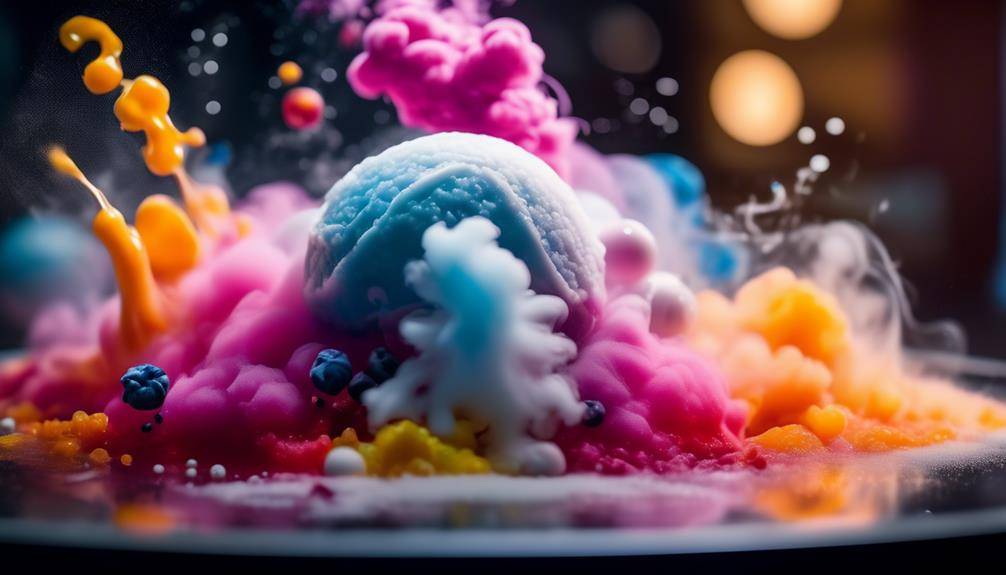
Science Behind Molecular Gastronomy Cooking; Have you ever wondered what makes molecular gastronomy cooking so captivating and unique? As you sip on a foamy cocktail or savor a delicate gel-like sphere, you can’t help but be intrigued by the science behind these culinary creations. Coincidentally, the secret lies in the fusion of art and science, as molecular gastronomy harnesses the power of chemistry and physics to transform ordinary ingredients into extraordinary dishes. But how exactly does it work? Well, prepare to have your taste buds tantalized and your curiosity piqued as we explore the fascinating world of molecular gastronomy and uncover the scientific magic that happens behind the scenes.
We’ve Got Everything You Need to Make Your Masterpiece.
History of Molecular Gastronomy
The history of molecular gastronomy traces back to the late 20th century when chefs and scientists began collaborating to revolutionize culinary techniques and explore the science behind food. This innovative field has since evolved, pushing the boundaries of traditional cooking methods and inspiring a new wave of gastronomic experimentation.
The evolution of molecular gastronomy can be attributed to a few key figures who paved the way for its development. One such pioneer is French chemist Hervé This, who, in the 1980s, began investigating the chemical and physical processes that occur during cooking. This laid the foundation for the scientific approach to gastronomy, leading to the birth of molecular gastronomy as a field of study.
In the early 1990s, Ferran Adrià, the renowned Spanish chef, embraced the principles of molecular gastronomy and incorporated them into his cooking at the iconic restaurant El Bulli. Adrià’s innovative techniques, such as spherification and foams, captivated diners and sparked worldwide interest in the possibilities of molecular gastronomy.
With the growing popularity of molecular gastronomy, other chefs and scientists joined the movement, further expanding its horizons. These individuals sought to understand the underlying scientific principles behind cooking, experimenting with new ingredients, tools, and techniques.
The history of molecular gastronomy is a testament to the creative spirit and curiosity of those who sought to challenge the status quo in the culinary world. Through their exploration of the science behind food, they have forever changed the way we approach cooking, inspiring a new generation of chefs and pushing the boundaries of gastronomy. As the field continues to evolve, it promises to unlock even more innovative and exciting possibilities in the realm of culinary arts.
Key Principles of Molecular Gastronomy
Now let’s explore the key principles of molecular gastronomy, which encompass a range of innovative techniques used in this culinary field. These techniques involve the manipulation of flavors, textures, and combinations to create unique dining experiences. Flavor pairing experiments allow chefs to discover new and unexpected combinations, while texture manipulation methods enable them to transform the texture of ingredients, resulting in novel and intriguing dishes. By understanding and applying these principles, chefs can push the boundaries of traditional cooking and create truly extraordinary culinary creations.
Techniques Used in Molecular Gastronomy
Utilizing innovative culinary techniques, molecular gastronomy employs scientific principles to transform traditional cooking methods into a realm of technical precision and culinary experimentation. To achieve this, molecular gastronomy relies on a variety of techniques that push the boundaries of cooking. Here are some key techniques used in molecular gastronomy:
- Liquid Nitrogen Applications: Liquid nitrogen, with its extremely low temperature, is used in molecular gastronomy to rapidly freeze ingredients. This creates unique textures and enhances flavors in dishes.
- Molecular Mixology Techniques: Molecular gastronomy extends beyond food and into the world of cocktails. Molecular mixology techniques involve the use of ingredients like agar-agar and calcium lactate to create innovative and visually stunning cocktails.
- Spherification: This technique involves transforming liquid ingredients into spheres using sodium alginate and calcium chloride. It allows for the creation of liquid-filled spheres that burst with flavor when consumed.
- Foam Formation: Molecular gastronomy utilizes techniques like siphon foaming to create light and airy foams. These foams add texture and enhance the overall dining experience.
- Sous Vide Cooking: Sous vide involves cooking ingredients in a vacuum-sealed bag at a precise temperature for an extended period. This technique ensures even cooking and enhances flavors.
These techniques, among others, showcase the technical precision and innovation that molecular gastronomy brings to the culinary world.
Flavor Pairing Experiments
Building upon the innovative techniques used in molecular gastronomy, the exploration of flavor pairing experiments emerges as a key principle that pushes the boundaries of culinary creativity and scientific precision. Flavor pairing techniques in molecular gastronomy are based on the idea that certain flavors and ingredients complement each other in unique and unexpected ways. By experimenting with different combinations, chefs can create dishes that tantalize the taste buds and challenge traditional notions of flavor.
These experiments involve analyzing the chemical composition of ingredients to identify shared compounds and similarities in taste profiles. By understanding the molecular interactions between ingredients, chefs can create harmonious and balanced flavor combinations that enhance the dining experience. Flavor pairing experiments are at the forefront of current molecular gastronomy trends, revolutionizing the way we think about food and expanding the possibilities of culinary innovation.
We’ve Got Everything You Need to Make Your Masterpiece.
Texture Manipulation Methods
One key principle in the field of molecular gastronomy is the manipulation of texture, which involves employing innovative techniques to transform the physical properties of ingredients and create novel dining experiences. Texture manipulation methods allow chefs to push the boundaries of traditional cuisine and create edible art that surprises and delights the senses. These methods include:
- Spherification: This technique involves turning liquids into gelatinous spheres, adding a burst of flavor and texture to dishes.
- Foams: By using a whipping siphon, chefs can create light and airy foams that add texture and visual appeal to dishes.
- Gels: Through the use of gelling agents such as agar-agar or gelatin, chefs can create firm or delicate gels that add texture and structure to dishes.
- Emulsions: By combining ingredients that don’t normally mix, such as oil and water, chefs can create smooth and creamy textures.
- Dehydration: By removing moisture from ingredients, chefs can create crunchy textures and concentrate flavors.
These texture manipulation methods not only enhance the dining experience but also create taste illusions that challenge our expectations and expand the possibilities of culinary art.
Techniques Used in Molecular Gastronomy
Let’s explore the fundamental techniques used in the exciting world of molecular gastronomy. Spherification allows you to create delicate, liquid-filled spheres that burst with flavor upon consumption. Foams introduce a new dimension to your dishes, adding a light and airy texture that enhances the overall dining experience. Gelification, on the other hand, enables you to transform liquids into solid, jelly-like forms, providing unique presentations and textures. These techniques are just the tip of the iceberg in the vast array of innovative methods employed in molecular gastronomy.
Spherification
To achieve the unique and captivating textures characteristic of molecular gastronomy, one must master the art of spherification. This technique involves transforming liquids into small, gel-like spheres that burst with flavor when consumed. The process of spherification can be achieved through two main techniques:
- Basic Spherification: In this method, a liquid mixture containing sodium alginate is dripped into a bath of calcium chloride. The calcium ions react with the alginate, forming a thin gel membrane around the liquid, creating a spherical shape.
- Reverse Spherification: This technique involves creating a gel-like membrane on the outside of a liquid-filled sphere. The liquid mixture is first mixed with calcium lactate and then dropped into a bath of sodium alginate. The calcium ions in the bath react with the alginate, creating a gel-like membrane around the liquid.
Foams
Now that you have mastered the art of spherification, let’s explore the fascinating world of foams in molecular gastronomy. Foams, in the context of cooking, are created by incorporating air into a liquid or solid to produce a light and airy texture. Foams can be made using various foaming agents, such as gelatin, egg whites, or lecithin. These agents have the ability to stabilize air bubbles, allowing them to persist and create a foam.
By carefully controlling the amount of foaming agent and the aeration process, chefs can create foams with different textures and consistencies, ranging from light and fluffy to dense and creamy. Foams not only add visual appeal to dishes, but they also enhance the overall dining experience by providing a unique mouthfeel and intensified flavors.
Gelification
Gelification, a fundamental technique in molecular gastronomy, involves the transformation of liquids into gels using various methods and ingredients. This process relies on the manipulation of molecular structures to create unique textures and presentations in dishes. Here are five key points to understand about gelification:
- Agar-agar, a natural seaweed extract, is commonly used as a gelling agent due to its high gel strength and versatility.
- Sodium alginate, derived from brown seaweed, is another popular choice, often used to create spheres or encapsulations.
- Calcium salts, such as calcium chloride or calcium lactate, are used to trigger the gelification process by forming bridges between the gelling agents.
- Gelification can be achieved through the process of cold or hot gelation, depending on the desired texture and result.
- Gelification is not limited to liquids, as it can also be used to transform solid ingredients into gels, allowing for innovative presentations and textures in culinary creations.
The Role of Chemistry in Molecular Gastronomy
The understanding of chemical processes and reactions is essential in unlocking the innovative potential of molecular gastronomy. Molecular gastronomy aims to explore and manipulate the role of molecules and chemical reactions in the culinary world. By applying scientific principles and techniques, chefs can create unique textures, flavors, and presentations that traditional cooking methods cannot achieve.
Chemistry plays a crucial role in molecular gastronomy by providing insights into the behavior of food components at a molecular level. This knowledge allows chefs to understand how different ingredients interact with each other, leading to the development of new and exciting dishes. For example, understanding the emulsification process helps chefs create stable emulsions, such as mayonnaise, where oil and water are combined into a creamy mixture. By carefully selecting the right emulsifier and controlling the temperature, chefs can achieve a desired texture and stability.
Chemical reactions also play a pivotal role in molecular gastronomy. Chefs utilize reactions such as spherification, where liquid ingredients are transformed into spherical pearls through the use of gelling agents and calcium ions. This technique allows for the creation of visually striking dishes and unique flavor experiences. By understanding the chemical properties of ingredients and how they interact, chefs can control the outcome of these reactions and create culinary masterpieces.
Furthermore, chemistry enables chefs to modify the texture of food through techniques like foaming and gelling. By manipulating the properties of proteins, such as their ability to form stable foams or gels, chefs can create airy mousses or solid jellies. This opens up a whole new world of possibilities in terms of presentation and sensory experiences.
The Physics Behind Molecular Gastronomy
To unlock the full potential of molecular gastronomy, a deep understanding of the fundamental principles of physics is crucial. Physics principles play a significant role in the techniques and processes used in molecular gastronomy. By harnessing these principles, chefs can create unique and innovative dishes that tantalize the senses.
Here are some key physics principles that underpin molecular gastronomy:
- Heat Transfer: Understanding how heat transfers during cooking is essential for achieving precise temperatures and controlling the cooking process. Techniques like sous vide rely on precise temperature control to achieve desired textures and flavors.
- Phase Transitions: Molecular gastronomy often involves manipulating the physical states of ingredients. By understanding the physics of phase transitions, such as solid to liquid or liquid to gas, chefs can create unexpected textures and presentations.
- Emulsions and Suspensions: Understanding the physics behind emulsions and suspensions allows chefs to create stable and visually appealing mixtures. Techniques like spherification and foam creation rely on the principles of emulsion and suspension.
- Pressure and Vacuum: By manipulating pressure and vacuum, chefs can alter the behavior of ingredients and create unique textures. Vacuum infusion and compression techniques are used to infuse flavors and transform ingredients.
- Flavor Perception: Physics principles also influence how we perceive flavors. Understanding the physics of aroma release and taste perception helps chefs create memorable dining experiences.
Understanding Flavor Perception in Molecular Gastronomy
Understanding the intricate interplay between physics principles and our perception of flavor is vital in pushing the boundaries of innovation in molecular gastronomy. In order to create unique and memorable dining experiences, molecular gastronomy chefs must delve into the realm of flavor perception analysis. By understanding how our senses interpret flavors, chefs can manipulate ingredients and techniques to create dishes that tantalize the taste buds in unexpected ways.
Sensory perception plays a crucial role in the enjoyment of food. When we consume a dish, our taste buds are responsible for detecting basic flavors such as sweet, salty, sour, bitter, and umami. However, our perception of flavor is not solely determined by taste. It is a complex interplay between our senses of taste, smell, touch, and even sight. This is why molecular gastronomy chefs often use techniques such as aroma extraction and encapsulation to enhance the sensory experience of their dishes.
Flavor perception analysis involves understanding how different factors influence our perception of flavors. For example, the texture of a dish can greatly impact how we perceive its flavor. The same ingredients can taste completely different depending on whether they are cooked to a crisp or left tender and juicy. Molecular gastronomy chefs experiment with different cooking techniques and ingredients to manipulate the texture of their dishes, thereby altering the flavor perception of the diners.
In addition to texture, temperature also plays a significant role in flavor perception. Certain flavors are more pronounced at specific temperatures, which is why molecular gastronomy chefs often use techniques like sous-vide cooking to control the temperature of their ingredients precisely. By manipulating the temperature, chefs can enhance or suppress certain flavors, resulting in a more nuanced and balanced taste experience.
Understanding flavor perception in molecular gastronomy is not just about creating dishes that taste good; it is about creating dishes that surprise and delight the senses. By analyzing the intricacies of flavor perception, chefs can push the boundaries of culinary innovation, creating dishes that challenge our expectations and leave a lasting impression.
We’ve Got Everything You Need to Make Your Masterpiece.
Innovations in Molecular Gastronomy
Get ready to explore the exciting world of innovations in molecular gastronomy. Culinary science advancements have pushed the boundaries of traditional cooking, resulting in new techniques and tools that enhance the dining experience. From spherification to foams, these experimental flavor combinations challenge conventional notions of taste and texture, offering a truly innovative culinary adventure.
Culinary Science Advancements
Culinary science has revolutionized the field of gastronomy through innovative advancements in molecular cooking techniques. These advancements in molecular gastronomy applications have brought about exciting possibilities for chefs and food enthusiasts alike. Here are some notable culinary science techniques that have emerged:
- Sous vide: This technique involves cooking food in a vacuum-sealed bag at a precise temperature, resulting in perfectly cooked, tender dishes.
- Spherification: By using a process of gelification, liquid ingredients can be transformed into small, flavorful spheres, adding a burst of flavor and texture to dishes.
- Emulsification: This technique allows for the creation of stable emulsions, such as mayonnaise or vinaigrettes, by combining two immiscible substances.
- Deconstruction: Chefs can deconstruct traditional dishes, breaking them down into their individual components and reimagining them in creative and visually stunning ways.
- Molecular mixology: This technique applies molecular gastronomy principles to the creation of innovative cocktails, using techniques like foams, gels, and edible sprays to elevate the drinking experience.
These culinary science advancements have not only pushed the boundaries of traditional cooking but have also opened up new avenues for creativity and experimentation in the culinary world.
Experimental Flavor Combinations
With the foundation of culinary science advancements firmly established, the exploration of experimental flavor combinations in molecular gastronomy takes center stage, pushing the boundaries of traditional cooking and offering innovative and cutting-edge culinary experiences. Through the use of experimental flavor pairings, molecular gastronomy aims to create unique and unexpected taste sensations that captivate the senses.
This approach involves combining ingredients and techniques in unconventional ways to create dishes that challenge and intrigue the palate. Sensory analysis plays a crucial role in this process, allowing chefs to evaluate the impact of these experimental flavor combinations on taste, aroma, texture, and overall dining experience. By understanding the science behind flavor perception and leveraging the principles of molecular gastronomy, chefs can create dishes that surprise and delight diners, opening up new realms of culinary exploration.
Applying Molecular Gastronomy in Home Cooking
To elevate your home cooking to new heights, experiment with the principles of molecular gastronomy. This cutting-edge culinary approach allows you to explore innovative techniques and create dishes that are not only visually stunning but also bursting with unique flavors and textures. Don’t be intimidated by the term “molecular gastronomy” – it simply refers to the science of cooking, where traditional ingredients and cooking methods are combined with scientific knowledge to create extraordinary culinary experiences.
Here are five molecular gastronomy techniques for beginners to try in their home kitchen experiments:
- Spherification: This technique involves transforming liquids into small spheres, creating an explosion of flavor when bitten into. You can try making fruit juice caviar or even cocktail spheres for a fun twist on traditional drinks.
- Foams: By using a whipping siphon and gelling agents, you can create light and airy foams that add a delicate touch to your dishes. Try making a savory foam to accompany a main course or a sweet foam to top off a dessert.
- Sous Vide: This precise cooking method involves vacuum-sealing ingredients and cooking them in a water bath at a controlled temperature. It ensures even cooking and retains the natural flavors and juices of the ingredients.
- Reverse Searing: This technique involves cooking meat at a low temperature first and then searing it at a high temperature to achieve a perfectly cooked and evenly browned exterior. It results in tender and juicy meat with a beautiful crust.
- Liquid Nitrogen: This extremely cold substance allows for rapid freezing and can be used to create instant ice creams, frozen cocktails, or even freeze-dried ingredients. It adds a wow factor to your dishes and enhances the texture.
The Future of Molecular Gastronomy
As the field of molecular gastronomy continues to push the boundaries of culinary exploration, the future holds exciting possibilities for further scientific advancements and inventive applications in the world of cooking. The potential future applications of molecular gastronomy are vast and varied, offering new avenues to enhance the dining experience and revolutionize the way we prepare and consume food.
One area of future application lies in the development of personalized nutrition. With advances in molecular gastronomy, scientists can analyze an individual’s genetic profile and tailor their meals to meet their specific nutritional needs. This could have profound implications for health and well-being, as it allows for precise control over the intake of essential nutrients and the avoidance of allergens or harmful substances.
Another exciting area of exploration is the use of molecular gastronomy techniques to address global food sustainability challenges. By utilizing innovative cooking methods, such as encapsulation or spherification, chefs can transform ingredients into novel and sustainable food sources. For example, edible packaging made from natural materials could reduce waste and contribute to a more environmentally friendly food system.
However, as with any scientific advancement, there are ethical implications to consider. The future of molecular gastronomy raises questions about the potential for food manipulation and the blurring of boundaries between natural and artificial ingredients. It is crucial to maintain transparency and ensure that consumers have access to accurate information about the techniques and ingredients used in molecular gastronomy cooking.
We’ve Got Everything You Need to Make Your Masterpiece.
Famous Chefs in the World of Molecular Gastronomy
Renowned chefs who have made significant contributions to the field of molecular gastronomy include Ferran Adrià, Heston Blumenthal, and Grant Achatz. These famous chefs have pushed the boundaries of culinary creativity by incorporating innovative molecular gastronomy techniques into their cooking. Here are some of the notable chefs and their contributions:
- Ferran Adrià: As the former head chef of elBulli, a three-Michelin-star restaurant in Spain, Adrià is considered one of the pioneers of molecular gastronomy. He experimented with techniques like spherification, foams, and liquid nitrogen to transform traditional ingredients into visually stunning and inventive dishes.
- Heston Blumenthal: Blumenthal, the chef behind The Fat Duck restaurant in the UK, is known for his scientific approach to cooking. He has utilized molecular gastronomy to create dishes that challenge diners’ expectations. His creations often involve unexpected flavor combinations and use techniques like sous vide and food encapsulation.
- Grant Achatz: Achatz, the chef-owner of Alinea in Chicago, is renowned for his avant-garde approach to gastronomy. He has incorporated molecular gastronomy techniques to create multisensory dining experiences. Achatz’s dishes often feature elements like edible balloons, vaporized cocktails, and intricate culinary constructions.
- José Andrés: Andrés, a Spanish-American chef, has popularized molecular gastronomy in the United States. He has embraced techniques like gelling, emulsification, and spherification to create playful and visually stunning dishes. Andrés’ innovative approach has earned him widespread recognition and numerous awards.
- Alex Atala: Atala, a Brazilian chef, has elevated Amazonian ingredients using molecular gastronomy techniques. He has experimented with fermentation, dehydration, and extraction to showcase the flavors and biodiversity of the Amazon rainforest. Atala’s commitment to sustainability and indigenous ingredients has made him a leading figure in the world of molecular gastronomy.
These famous chefs have not only transformed the culinary landscape but have also inspired countless aspiring chefs to explore the possibilities of molecular gastronomy. Their innovative techniques and boundary-pushing creations continue to shape the future of gastronomy.
We’ve Got Everything You Need to Make Your Masterpiece.
Frequently Asked Questions: Science Behind Molecular Gastronomy Cooking
What Are Some Common Ingredients Used in Molecular Gastronomy Cooking?
Common ingredients used in molecular gastronomy cooking include agar-agar, sodium alginate, calcium chloride, and liquid nitrogen. These ingredients are manipulated using molecular techniques to create innovative and unique culinary experiences.
How Does Molecular Gastronomy Cooking Affect the Nutritional Value of Food?
When you experiment with molecular gastronomy cooking, the chemical reactions that occur can have profound nutritional implications. By manipulating ingredients at a molecular level, you can create innovative dishes that may alter the nutritional value of food.
Can Molecular Gastronomy Techniques Be Applied to Traditional Recipes?
Molecular gastronomy techniques can enhance the authenticity of traditional recipes by adding innovation and culinary creativity. By exploring the boundaries of molecular gastronomy in traditional cuisines, you can create unique and exciting dishes while still honoring the roots of the original recipe.
Are There Any Potential Health Risks Associated With Molecular Gastronomy Cooking?
There are potential health risks and safety concerns associated with molecular gastronomy cooking. It is important to be aware of the potential hazards and take necessary precautions to ensure the safety of yourself and others.
How Does Molecular Gastronomy Cooking Impact the Overall Dining Experience?
Molecular gastronomy cooking enhances the overall dining experience by revolutionizing flavor perception and texture manipulation. It pushes the boundaries of traditional cooking, creating innovative dishes that engage the senses in new and exciting ways.

Conclusion
In conclusion, molecular gastronomy has revolutionized the culinary world by combining science and art to create innovative and visually stunning dishes. The key principles and techniques used in this culinary approach are rooted in the understanding of chemistry and physics. As famous chefs continue to push the boundaries of molecular gastronomy, its application in home cooking is becoming more accessible and widespread. With ongoing innovations and advancements, the future of molecular gastronomy holds exciting possibilities for the evolution of culinary experiences.
If you enjoyed exploring this topic and want to dive even deeper, be sure to check out some of our other articles here on Infinite Flavors. From rich culinary histories to creative twists on classic recipes, there’s always something new to discover. Whether you’re curious about the origins of a dish, looking for fresh inspiration in the kitchen, or simply love learning about food culture, our collection of posts is the perfect next step on your flavor journey.
Amazing Molecular Gastronomy In Vegan Cuisine
Exciting Affordable Molecular Gastronomy Kits
Exciting Molecular Gastronomy Food Presentation Ideas