What Are Easy Gluten-Free Baking Recipes For Beginners
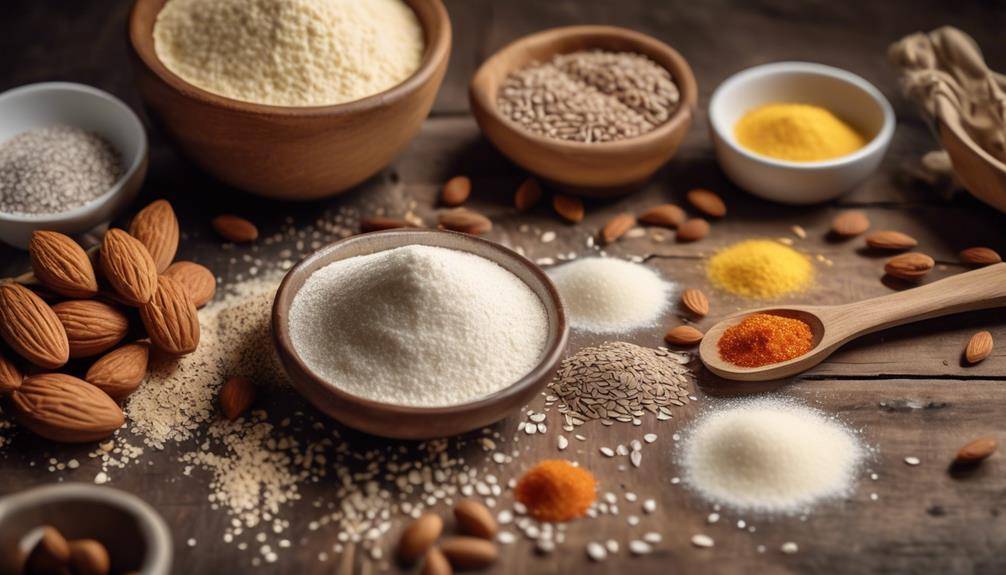
Gluten-Free Baking Recipes For Beginners; Are you a beginner baker who is eager to explore the world of gluten-free treats? Wondering where to start and how to achieve baking success without the use of gluten? Look no further! We have compiled a collection of easy gluten-free baking recipes that will satisfy your sweet tooth and leave you craving for more. From classic chocolate chip cookies to moist vanilla cupcakes, fudgy brownies to fluffy pancakes, and many more, these recipes will surely impress your taste buds. So, get ready to embark on a gluten-free baking adventure and discover the joy of creating delicious treats that everyone can enjoy.
Classic Chocolate Chip Cookies
If you’re new to gluten-free baking, get ready to indulge in the classic delight of homemade chocolate chip cookies. Making gluten-free cookies can be just as enjoyable and delicious as traditional baking. With a few simple substitutions and some troubleshooting tips, you’ll be able to create a batch of chocolate chip cookies that are gluten-free and bursting with flavor.
When it comes to gluten-free baking, there are a variety of substitutes you can use to replace wheat flour. One popular option is almond flour, which adds a nutty flavor and a tender texture to your cookies. Another alternative is coconut flour, which is light and absorbent, but may require more liquid in your recipe. Gluten-free all-purpose flour blends are also available in most grocery stores, making it easy to switch out regular flour for a gluten-free option.
To troubleshoot common baking mistakes, it’s important to remember that gluten-free dough can be stickier and more delicate than traditional dough. If your dough is too sticky to handle, try chilling it in the refrigerator for 30 minutes before shaping the cookies. If your cookies spread too much during baking, consider adding more flour to the dough or reducing the amount of fat in the recipe.
With these gluten-free baking substitutes and troubleshooting tips, you’ll be well on your way to baking delicious chocolate chip cookies that everyone can enjoy. So go ahead, grab your mixing bowl and get ready to satisfy your sweet tooth with a batch of homemade gluten-free chocolate chip cookies.
Moist Vanilla Cupcakes
Now that you’ve mastered the art of gluten-free chocolate chip cookies, it’s time to venture into the realm of moist vanilla cupcakes. These delightful treats are perfect for any occasion and can be easily customized with different decorations and variations of the recipe.
When it comes to decorating moist vanilla cupcakes, the possibilities are endless. You can start by piping a swirl of buttercream frosting on top and adding sprinkles or edible glitter for a festive touch. If you prefer a more elegant look, try topping them with fresh fruit or a drizzle of chocolate ganache. For a whimsical twist, consider creating fondant shapes or using edible flowers as decoration.
In terms of variations, you can add different flavors to the basic vanilla cupcake recipe to create a whole new taste experience. One popular option is to add lemon zest and juice for a refreshing citrus flavor. You can also experiment with extracts like almond or coconut to give your cupcakes a unique twist. Another idea is to mix in crushed berries or chocolate chips for added texture and flavor.
Fudgy Brownies
To create irresistibly fudgy brownies, follow this simple recipe that will satisfy all your chocolate cravings. Making fudgy brownies without gluten is easier than you think, thanks to some easy gluten-free baking substitutions. Start by preheating your oven to 350°F (175°C) and greasing a square baking pan with butter or lining it with parchment paper.
In a microwave-safe bowl, melt 1 cup (225g) of unsalted butter. Once melted, add 2 cups (400g) of granulated sugar and stir until well combined. Next, add in 4 large eggs and 2 teaspoons (10ml) of vanilla extract. Mix until the batter is smooth and glossy.
In a separate bowl, combine 1 cup (120g) of gluten-free all-purpose flour, 3/4 cup (60g) of unsweetened cocoa powder, and a pinch of salt. Gradually add the dry mixture to the wet mixture, stirring until just combined. Be careful not to overmix, as this can result in dry brownies.
For an extra fudgy texture, fold in 1 cup (175g) of chocolate chips or chopped chocolate. Pour the batter into the prepared baking pan and spread it evenly.
Bake for approximately 25-30 minutes, or until the edges are set and a toothpick inserted into the center comes out with a few moist crumbs. Remember that fudgy brownies will be slightly underbaked in the center, so be careful not to overcook them.
Allow the brownies to cool completely before cutting into squares. Serve them as is or top with a dusting of powdered sugar or a scoop of vanilla ice cream for an indulgent treat. These fudgy brownies are sure to impress, and no one will even know they’re gluten-free!
Fluffy Pancakes
Whip up a batch of fluffy pancakes that are gluten-free and absolutely delicious. Fluffy pancakes are a classic breakfast staple, and with a few simple substitutions, you can enjoy them without gluten. There are numerous variations of fluffy pancakes that are gluten-free, ensuring you have plenty of options to choose from for a delightful breakfast.
One popular variation is the almond flour pancake. Made with almond flour instead of traditional wheat flour, these pancakes are light, fluffy, and have a slightly nutty flavor. They are also packed with protein and healthy fats, making them a nutritious choice for your morning meal.
Another variation is the banana oat pancake. These pancakes are made with a combination of mashed bananas and oat flour, resulting in a naturally sweet and delicious breakfast option. Not only are they gluten-free, but they are also dairy-free and can be easily customized with your favorite toppings, such as fresh berries or a drizzle of maple syrup.
If you’re looking for a more indulgent option, try the chocolate chip pancake. These fluffy pancakes are made with a gluten-free flour blend and studded with chocolate chips, creating a decadent treat that is perfect for a special occasion or a lazy weekend brunch.
Chewy Oatmeal Raisin Cookies
If you’ve satisfied your pancake cravings, it’s time to move on to another gluten-free delight: chewy oatmeal raisin cookies. These cookies are a classic favorite, and with a few simple swaps, you can easily make them gluten-free and delicious.
To make gluten-free oatmeal raisin cookies, start by replacing regular flour with a gluten-free flour blend. There are many options available on the market, or you can make your own blend using a combination of gluten-free flours like rice flour, almond flour, and tapioca flour. This will ensure that your cookies have the right texture and taste without any gluten.
Next, consider using dairy-free alternatives in your recipe. You can replace butter with dairy-free spreads or margarine. Alternatively, you can use coconut oil or vegetable oil as a substitute. These options will still provide the necessary fat and moisture for the cookies to turn out chewy and delicious.
When it comes to the oats, make sure to use certified gluten-free oats to avoid any cross-contamination. Regular oats can sometimes be processed in facilities that also handle gluten-containing grains, so it’s important to check the packaging for the gluten-free label.
In addition to the oats and raisins, you can also add other mix-ins to your cookies to make them even more flavorful. Consider adding chopped nuts, dried cranberries, or even chocolate chips for an extra treat.
With these simple adjustments, you can enjoy a batch of mouthwatering chewy oatmeal raisin cookies that are both gluten-free and dairy-free. They’re perfect for beginners in gluten-free baking or anyone looking for a delicious treat without any gluten or dairy.
Simple Banana Bread
You’ll be delighted by the simplicity and deliciousness of this gluten-free and dairy-free banana bread recipe. Banana bread is a classic treat that can be enjoyed by everyone, even those with dietary restrictions. With a few simple substitutions, you can create a moist and flavorful loaf that is free from gluten and dairy.
To make this recipe, you’ll need ripe bananas, gluten-free flour, baking powder, baking soda, salt, coconut oil, maple syrup, vanilla extract, and optional add-ins like chocolate chips or nuts. Simply mash the bananas, mix in the wet ingredients, and then gradually add in the dry ingredients. Pour the batter into a greased loaf pan and bake at 350°F for about 55-60 minutes, or until a toothpick inserted into the center comes out clean.
If you’re looking to switch things up, there are many variations you can try with this recipe. Add in some shredded coconut or diced pineapple for a tropical twist. Swirl in some creamy peanut butter or Nutella for a decadent treat. You can even experiment with different types of gluten-free flours, such as almond flour or oat flour, to add some extra flavor and texture.
When it comes to gluten-free baking, there are a few tips to keep in mind. First, make sure to use a gluten-free flour blend that is specifically designed for baking. This will ensure the best texture and taste in your finished product. Additionally, adding some xanthan gum to your recipe can help improve the structure and elasticity of gluten-free baked goods. Finally, don’t overmix your batter, as this can lead to a dense and gummy texture. Mix until just combined for the best results.
Lemon Blueberry Muffins
Ready to make some delicious gluten-free Lemon Blueberry Muffins? Here are the key points you need to know: First, gather your ingredients, including gluten-free flour, fresh blueberries, and lemon zest. Then, follow the simple mixing and baking process to create fluffy and flavorful muffins. Finally, don’t forget to follow the tips for perfect muffins to ensure your gluten-free baking success. Let’s get started!
Ingredients Needed
Looking to make delicious gluten-free Lemon Blueberry Muffins? Here are the essential ingredients you’ll need to create these mouthwatering treats:
- Gluten-free flour: Opt for alternatives like almond flour, rice flour, or a gluten-free baking blend. These options provide a similar texture and taste to traditional flour, ensuring your muffins turn out light and fluffy.
- Fresh blueberries: Bursting with flavor and antioxidants, fresh blueberries add a delightful sweetness to your muffins. Be sure to gently fold them into the batter to avoid crushing them.
- Lemon zest: To give your muffins a tangy twist, don’t forget to add some freshly grated lemon zest. This bright citrus flavor pairs perfectly with the sweetness of blueberries.
Mixing and Baking Process
To mix and bake your delicious Lemon Blueberry Muffins, follow these simple steps. First, preheat your oven to 350°F (175°C) and line a muffin tin with paper liners. In a mixing bowl, whisk together 1 ½ cups of gluten-free flour, 1 teaspoon of baking powder, and ½ teaspoon of salt. In a separate bowl, cream ½ cup of softened butter with ¾ cup of sugar until light and fluffy.
Add 2 eggs, one at a time, mixing well after each addition. Gradually add the dry ingredients to the wet ingredients, alternating with ½ cup of milk. Gently fold in 1 cup of fresh blueberries and the zest of one lemon. Fill each muffin cup about two-thirds full and bake for 20-25 minutes, or until a toothpick inserted into the center comes out clean. Allow the muffins to cool before serving. Remember, when using gluten-free substitutions, it’s important to follow the recipe closely to ensure proper texture and taste. Avoid common baking mistakes like overmixing the batter or opening the oven door too often. Enjoy your gluten-free Lemon Blueberry Muffins!
Tips for Perfect Muffins
As you move on to perfecting your muffin-making skills, mastering these tips will ensure your gluten-free Lemon Blueberry Muffins turn out absolutely delightful.
- Use the right flour: Gluten-free muffin recipes require a different type of flour compared to traditional muffins. Opt for a gluten-free flour blend that includes ingredients like rice flour, tapioca starch, and xanthan gum. This will give your muffins the perfect texture and rise.
- Don’t overmix the batter: When combining the wet and dry ingredients, be careful not to overmix. Overmixing can lead to dense and tough muffins. Mix until the ingredients are just combined, leaving some lumps in the batter for light and fluffy muffins.
- Add the blueberries carefully: Fold in the blueberries gently to prevent them from bursting and turning your muffins purple. Toss the blueberries in a little flour before adding them to the batter to help distribute them evenly.
Soft and Chewy Snickerdoodles
For a delightful treat that is both soft and chewy, try making gluten-free Snickerdoodles. These delicious cookies are perfect for beginners in gluten-free baking and can be easily made at home. To achieve the perfect texture, there are a few tips you should keep in mind.
First, it’s important to use the right combination of gluten-free flours. A blend of rice flour, tapioca flour, and potato starch works well to create a light and tender cookie. You can also add xanthan gum to improve the texture and prevent the cookies from becoming crumbly.
Another tip is to chill the dough before baking. This helps the cookies hold their shape and ensures a soft and chewy texture. Simply wrap the dough in plastic wrap and refrigerate for at least one hour, or overnight for even better results.
Now, let’s talk about variations and flavor options for Snickerdoodles. While the classic recipe calls for a simple cinnamon-sugar coating, you can get creative and add your own twist. For a chocolatey version, try adding cocoa powder to the dough and rolling the cookies in a mixture of cocoa and sugar. You can also experiment with different spices such as nutmeg or cardamom to give your Snickerdoodles a unique flavor profile.
Decadent Chocolate Cake
Get ready to indulge in a rich and velvety treat with this decadent chocolate cake recipe. Made with gluten-free ingredients, this cake is perfect for beginners looking to satisfy their sweet tooth. Follow the simple baking instructions to create a moist and chocolatey masterpiece that will impress your friends and family.
Ingredients for Cake
To create the perfect Decadent Chocolate Cake, gather the essential ingredients for a rich and indulgent baking experience. Here are three key ingredients that will make your gluten-free cake truly exceptional:
- Gluten-Free Flour Blend: Look for a pre-mixed gluten-free flour blend that includes a combination of flours such as rice flour, tapioca flour, and potato starch. This will help mimic the texture and structure of traditional wheat flour.
- Unsweetened Cocoa Powder: Choose a high-quality unsweetened cocoa powder to add a deep, rich chocolate flavor to your cake. Be sure to sift it to remove any lumps before incorporating it into the batter.
- Dairy-Free Butter or Oil: For a moist and tender cake, opt for a dairy-free butter or a neutral oil like vegetable or coconut oil. This will help keep your cake light and fluffy without compromising on flavor.
With these essential ingredients, you’re well on your way to creating a decadent gluten-free chocolate cake that everyone will love. Happy baking!
Baking Instructions
To bake the decadent chocolate cake, follow these simple instructions for a deliciously indulgent treat. Preheat your oven to 350°F (175°C) and grease a 9-inch round cake pan. In a mixing bowl, combine 1 ½ cups gluten-free flour, ¾ cup cocoa powder, 1 ½ teaspoons baking powder, and a pinch of salt. In another bowl, cream together 1 cup of softened butter and 1 ½ cups of sugar until light and fluffy.
Add 3 eggs, one at a time, mixing well after each addition. Gradually add the dry ingredients to the wet mixture, alternating with 1 cup of milk. Pour the batter into the prepared pan and smooth the top. Bake for 30-35 minutes, or until a toothpick inserted into the center comes out clean. Allow the cake to cool in the pan for 10 minutes before transferring to a wire rack to cool completely. For a decadent finishing touch, frost the cake with your favorite gluten-free chocolate frosting.
Baking Techniques:
- Make sure all ingredients are at room temperature for optimal results.
- Use a mixer or a whisk to ensure the batter is well blended.
- Do not overmix the batter to prevent a dense texture.
- Check the cake’s doneness by inserting a toothpick into the center. If it comes out clean, the cake is ready.
- Cool the cake completely before frosting to avoid melting the frosting.
Troubleshooting Tips:
- If the cake is too dry, try adding a tablespoon of oil or applesauce to the batter.
- If the cake is sinking in the middle, it may be underbaked. Increase the baking time next time.
- If the cake is too dense, make sure to measure the flour accurately and avoid overmixing the batter.
Frequently Asked Questions: Gluten-Free Baking Recipes For Beginners
Can I Substitute Regular Flour With Gluten-Free Flour in These Recipes?
Yes, you can substitute regular flour with gluten-free flour in these recipes. However, there are common mistakes to avoid when using gluten-free flour, such as not adjusting the liquid amounts. Be sure to follow recipes specifically designed for gluten-free baking.
Are These Recipes Suitable for People With Celiac Disease?
For people with celiac disease, these recipes are suitable as they are gluten-free. Even for those without celiac disease, gluten-free baking can offer nutritional benefits and explore alternatives for gluten sensitivity.
Can I Use Alternative Sweeteners Like Honey or Maple Syrup Instead of Granulated Sugar?
You can definitely use alternative sweeteners like honey or maple syrup in gluten-free baking. They can add a unique flavor and natural sweetness to your baked goods. Just be sure to adjust the measurements to achieve the right level of sweetness.
How Long Do These Baked Goods Typically Last Before They Go Bad?
To store gluten-free baked goods, keep them in an airtight container at room temperature. They typically last for about 3-5 days. To tell if they’ve gone bad, check for any mold, off smells, or changes in texture.
Are There Any Specific Tips or Tricks for Successfully Baking Gluten-Free Recipes for Beginners?
When baking gluten-free, it’s important to learn some techniques to ensure success. Common challenges include getting the right texture and rising. Don’t worry, though! With practice and the right recipes, you’ll become a pro in no time.

Conclusion
In conclusion, these easy gluten-free baking recipes are ideal for beginners looking to confidently explore gluten-free baking at home. From classic gluten-free chocolate chip cookies to soft and moist gluten-free vanilla cupcakes, these simple recipes offer delicious options for every sweet tooth. Designed with easy-to-find ingredients and step-by-step instructions, they make gluten-free baking approachable and stress-free.
Whether you are new to a gluten-free diet or baking for someone with gluten sensitivity, these beginner-friendly gluten-free desserts are sure to impress friends and family. With the right techniques and recipes, anyone can create bakery-quality gluten-free treats right in their own kitchen.