8 Great Methods For Traditional Canadian Cuisine Preparation
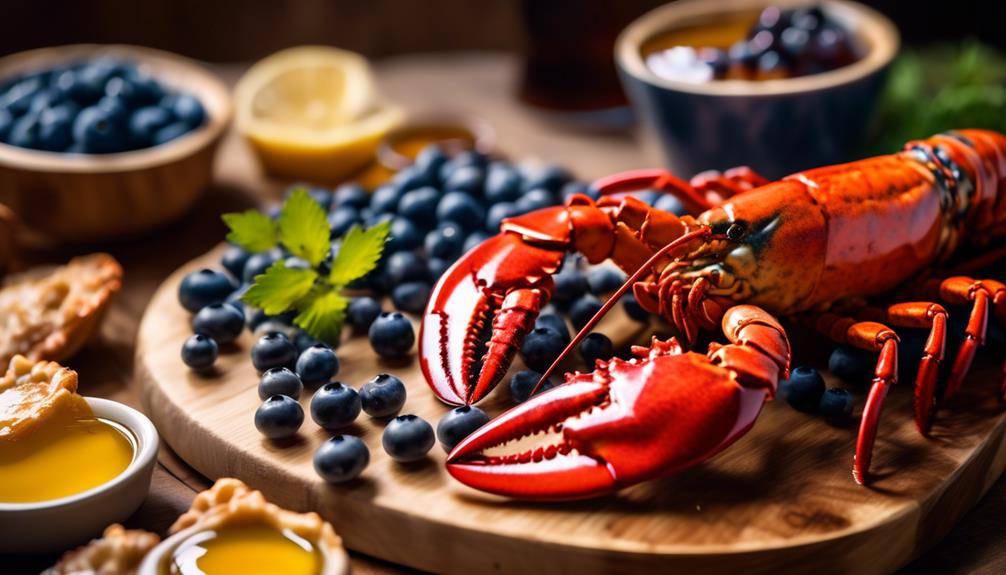
Traditional Canadian Cuisine Preparation; Traditional Canadian cuisine is a delicious blend of Indigenous heritage, French and British influences, and regional flavors shaped by the country’s vast landscape. From smoky meats and flaky pies to iconic desserts and comforting breads, Canadian cooking is rooted in warmth, resourcefulness, and bold flavor. Whether you’re exploring classics like tourtière, bannock, or butter tarts, or diving into modern favorites like poutine and maple‑glazed salmon, this guide walks you through eight essential methods that define Canadian culinary tradition. Get ready to discover the techniques, ingredients, and cultural stories that make Canadian cuisine so uniquely satisfying.
By the end of this post, readers will understand:
- The traditional methods behind iconic Canadian dishes
- How smoked meat is cured, seasoned, and slow‑cooked
- What makes tourtière’s filling and crust so distinctive
- How bannock bread evolved and how to customize it
- The history and variations of BeaverTails
- How to perfect butter tarts and Nanaimo bars
- Why poutine is a national comfort‑food staple
- How to prepare maple‑glazed salmon with authentic Canadian flavor
Smoked Meat
If you’re a fan of hearty, flavorful dishes, you won’t be disappointed with the rich and smoky goodness of Canadian smoked meat. This traditional delicacy is prepared using a meticulous curing process that results in a tender and flavorful meat that is enjoyed by many across the country.
The curing process of Canadian smoked meat begins with selecting the finest cuts of beef, typically from the brisket. The meat is then carefully trimmed to remove excess fat, ensuring a lean and succulent final product. Once trimmed, the meat is coated with a special blend of spices, including garlic, coriander, and black pepper. These spices not only enhance the flavor of the meat but also aid in the preservation process.
After the meat is coated with the spice mixture, it is left to cure in a cool environment for several days. This curing process allows the flavors to penetrate the meat, resulting in a rich and intense taste. Once the meat has fully cured, it is ready to be smoked.
The smoking process is what gives Canadian smoked meat its distinct and smoky flavor. The cured meat is placed in a smoker, where it is slowly cooked over a low heat using hardwood chips. This slow cooking process allows the meat to absorb the smoky flavors, creating a mouthwatering aroma and taste.
The end result of this meticulous curing and smoking process is a delicious and tender smoked meat that is bursting with flavor. Whether enjoyed in a sandwich, on a platter, or as an ingredient in other dishes, Canadian smoked meat is a true culinary delight that will satisfy even the most discerning palate. So, if you’re looking for a truly authentic and flavorful dining experience, be sure to give Canadian smoked meat a try.
Tourtière
When it comes to Tourtière, the classic meat filling is the star of the show. Made with a combination of ground pork, beef, and spices, it is rich, savory, and full of flavor. The flaky pie crust adds the perfect contrast, providing a buttery and crispy texture that complements the hearty filling. Once baked to golden perfection, the Tourtière is ready to be served, making it a delicious and satisfying dish that is loved by many.
Classic Meat Filling
To prepare the classic meat filling for Tourtière, start by selecting high-quality ground meat and aromatic spices. The traditional meat pie recipe calls for a combination of ground pork and beef, which provides a rich and savory flavor. Begin by browning the meat in a skillet, breaking it up into small pieces as it cooks. This step ensures that the meat is fully cooked and adds depth to the filling.
Next, add a mix of aromatic spices such as cloves, cinnamon, and nutmeg. These spices add warmth and complexity to the filling, enhancing its overall taste. Stir in some diced onions, minced garlic, and a splash of chicken or beef broth for added moisture. Simmer the mixture until it thickens, allowing the flavors to meld together. The result is a classic meat filling that is hearty, flavorful, and perfect for filling your Tourtière.
Flaky Pie Crust
Now let’s move on to the essential element that holds the classic meat filling together – the flaky pie crust of Tourtière. The flaky pie crust is a crucial component of this traditional Canadian dish, as it provides a buttery, melt-in-your-mouth texture that perfectly complements the savory filling. To achieve the perfect flakiness, it is important to use cold ingredients and handle the dough with care. The key lies in the balance of fat and flour, creating layers that separate during baking, resulting in a light and airy crust.
While the classic Tourtière is traditionally made with a meat filling, such as pork or beef, there are also alternative fillings available. Some popular variations include using seafood, vegetables, or even a combination of different meats. So whether you prefer the traditional meat filling or want to experiment with alternative options, the flaky pie crust will always be the star of the show, adding a delightful crunch to every bite.
Baking and Serving
For a delectable Tourtière experience, achieve the perfect golden crust by baking the pie until it is beautifully browned and the filling is hot and bubbling. To ensure a flawless outcome, here are some essential baking techniques to follow:
- Preheat the oven to 375°F (190°C) to ensure even cooking.
- Place the Tourtière on the middle rack of the oven for consistent heat distribution.
- Brush the crust with an egg wash to achieve a glossy finish.
- Tent the pie with aluminum foil if the crust is browning too quickly.
Once the Tourtière is out of the oven and ready to be served, here are some delicious serving suggestions:
- Serve the Tourtière hot, directly from the oven, for a comforting and satisfying meal.
- Accompany it with a side of tangy cranberry sauce or spicy mustard for a burst of flavor.
- Pair the Tourtière with a crisp green salad or roasted vegetables to balance the richness of the dish.
Bannock Bread
Indulge in the delectable taste and rich history of Bannock Bread, a traditional Canadian staple that offers a unique blend of flavors and a satisfyingly crisp texture. Bannock Bread has been a part of Canadian cuisine for centuries, with its origins rooted in Indigenous culture. This versatile bread has evolved over time, resulting in various delicious variations that cater to different tastes and preferences.
One of the appealing aspects of Bannock Bread is the wide range of variations you can explore. From the classic plain version to the more adventurous savory or sweet options, there is a bannock bread for every palate. Traditional variations often include adding ingredients such as raisins, berries, or even herbs and spices to enhance the flavor profile. These additions not only provide a burst of taste but also contribute to the overall texture of the bread.
To take your Bannock Bread experience to the next level, consider experimenting with different toppings. Whether you prefer a savory or sweet twist, the possibilities are endless. For a savory option, try spreading a layer of tangy cream cheese or a dollop of homemade pesto. If you have a sweet tooth, drizzle some maple syrup or honey over the bread and sprinkle with powdered sugar. For a more indulgent treat, you can even top it with whipped cream and fresh fruits.
Bannock Bread’s versatility and simplicity make it a beloved dish in Canada. Whether you enjoy it as a breakfast item, a snack, or a side dish, this bread is sure to satisfy your cravings. So, go ahead and explore the various variations and toppings to create your own unique Bannock Bread experience.
BeaverTails
As we move from exploring the delightful flavors of Bannock Bread, let’s now turn our attention to the unique and enticing treat known as BeaverTails. These delectable pastries, shaped like the tail of a beaver, have become a beloved Canadian delicacy. Made with traditional ingredients and cooked to perfection, BeaverTails offer a delightful culinary experience that captures the essence of Canadian cuisine.
When it comes to preparing BeaverTails, there are a few key traditional ingredients that are essential to achieving the authentic taste. These include:
- Flour: The base of the BeaverTails dough, flour provides the structure and texture that makes them so enjoyable.
- Yeast: This essential ingredient helps the dough rise, resulting in a light and fluffy pastry.
To further enhance the flavor and appeal of BeaverTails, a variety of toppings can be added. These toppings can be divided into two sub-lists:
Sweet Toppings:
- Cinnamon Sugar: A classic choice, the combination of cinnamon and sugar adds a sweet and comforting flavor.
- Maple Syrup: As a quintessential Canadian ingredient, maple syrup takes BeaverTails to the next level, providing a rich and indulgent taste.
Savory Toppings:
- Smoked Salmon: For those who prefer a savory twist, smoked salmon adds a unique and delicious element to the BeaverTails.
- Cream Cheese: A creamy and tangy addition, cream cheese complements the smoked salmon perfectly, creating a delightful balance of flavors.
Butter Tarts
When it comes to butter tarts, there are plenty of traditional recipe variations to explore. From the type of sugar used to the addition of nuts or raisins, each variation adds its own unique twist to this sweet treat. Perfecting the pastry is also crucial, as the balance between flaky and buttery can make or break the overall taste and texture of the tart.
Traditional Recipe Variations
To enhance the richness and depth of flavor in traditional Canadian butter tarts, various recipe variations can be explored. These traditional recipe variations are a testament to the cultural influences that have shaped Canadian cuisine over the years. Here are two sub-lists of recipe variations that you can try:
- Regional Variations:
- Quebec-style: Incorporate maple syrup and pecans for a sweet and nutty filling.
- Maritime-style: Use brown sugar and raisins to create a gooey and flavorful tart.
- Modern Twists:
- Chocolate lovers: Add cocoa powder or melted chocolate to the filling for a decadent treat.
- Seasonal flavors: Experiment with different fruits like apples, cranberries, or even pumpkin to create unique tarts.
Perfecting the Pastry
In order to create the perfect pastry for traditional Canadian butter tarts, you need to pay attention to specific elements that will elevate your results. The texture of the pastry should be light and flaky, providing a delicate crunch as you bite into it. Achieving this requires using cold ingredients and handling the dough gently to prevent gluten formation. For flavor, a combination of butter and shortening can be used to give the pastry a rich and buttery taste.
To strike the right balance between sweetness and richness, consider using a combination of brown sugar and corn syrup in your filling. Troubleshooting common pastry problems such as a soggy bottom or a tough crust can be done by blind baking the pastry shell or adjusting the baking time and temperature. By perfecting these pastry techniques, you can ensure that your butter tarts will be a delightful treat for all.
Nanaimo Bars
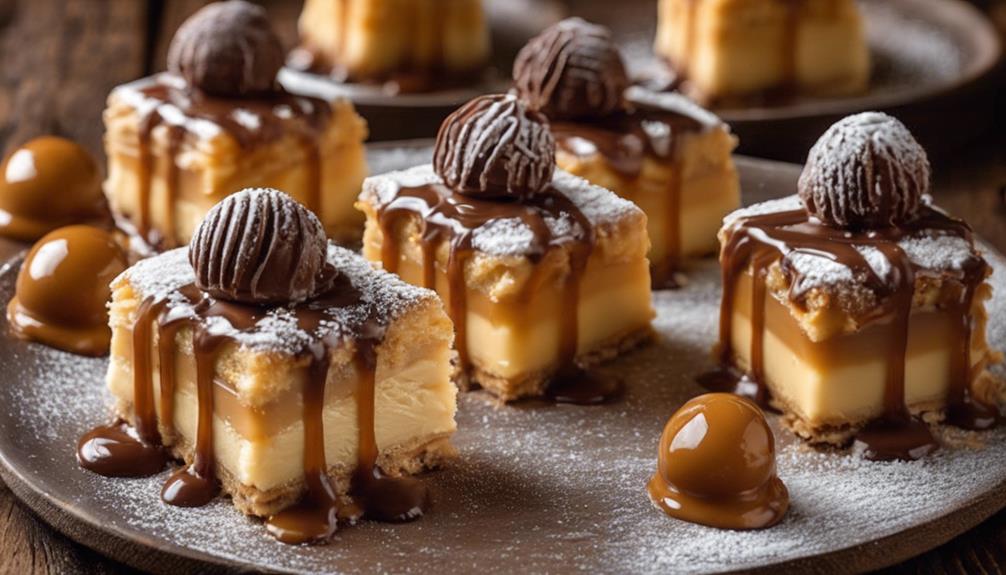
For the perfect indulgent treat, look no further than Nanaimo Bars. These delectable desserts have a rich history and origin, making them a beloved Canadian specialty. Nanaimo Bars are said to have originated in Nanaimo, British Columbia, in the early 1950s. They were first published in a fundraising cookbook, but their popularity quickly spread throughout the country.
Nanaimo Bars are known for their unique variations and flavor combinations. While the classic recipe consists of three layers— a buttery graham cracker crumb base, a creamy custard filling, and a smooth chocolate ganache topping— there are countless creative twists that can be added to enhance the flavor. Some popular variations include adding mint extract to the custard layer for a refreshing twist, or incorporating crushed almonds or pecans into the crust for added texture.
In addition to these variations, Nanaimo Bars can also be customized with different flavor combinations. For example, by substituting the traditional chocolate ganache with white chocolate, you can create a more delicate and sweeter version of this beloved dessert. Alternatively, you can experiment with different flavors of custard, such as coffee or peanut butter, to add a unique twist to the bars.
Whether you prefer the classic recipe or enjoy experimenting with different variations and flavor combinations, Nanaimo Bars are sure to satisfy your sweet tooth. Their rich history and origin, combined with their versatility, make them a truly special treat. So go ahead, indulge yourself in the decadent layers of these Canadian delights.
Poutine
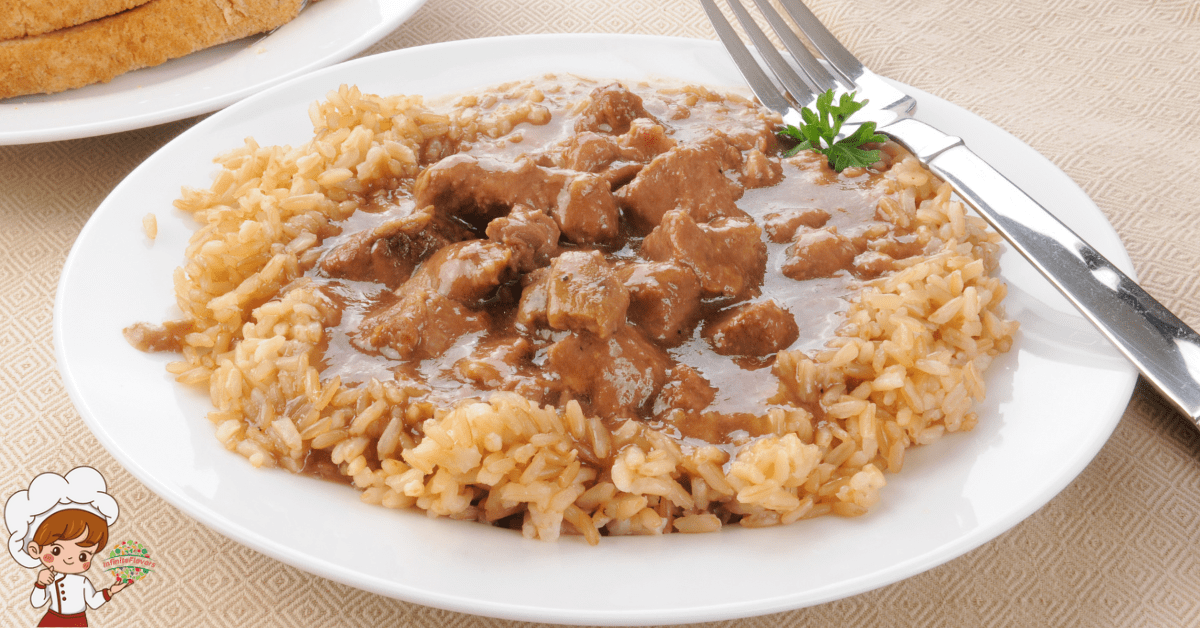
Poutine, a beloved Canadian dish, tantalizes taste buds with its irresistible combination of crispy fries, savory gravy, and gooey cheese curds. This classic comfort food has become a staple in Canadian cuisine, and its popularity has led to an array of poutine variations and toppings that add a delicious twist to the traditional recipe.
When it comes to poutine variations, the possibilities are endless. Some popular variations include adding toppings such as bacon, pulled pork, or even lobster to take this humble dish to new heights of indulgence. Vegetarian options are also available, with toppings like mushrooms, caramelized onions, or roasted vegetables. These variations allow for a customized poutine experience, catering to different taste preferences and dietary restrictions.
In addition to the wide range of toppings, the choice of gravy is another crucial element in creating the perfect poutine. Traditional poutine usually features a savory beef gravy, but variations with mushroom gravy, chicken gravy, or even spicy gravy are also widely enjoyed. Each type of gravy brings its own unique flavors and complements the fries and cheese curds in different ways.
Whether you prefer the classic poutine or like to experiment with different variations and toppings, the key to a great poutine lies in the balance of flavors and textures. The fries should be crispy on the outside and soft on the inside, providing a perfect base for the rich and savory gravy. The cheese curds should be fresh and squeaky, melting slightly from the heat of the gravy. When all these elements come together, you can savor the harmonious blend of flavors that make poutine such a beloved dish in Canada.
Maple-Glazed Salmon
With its rich culinary heritage, Canada offers more than just poutine as a delicious traditional dish – one notable example is the mouthwatering maple-glazed salmon. This iconic Canadian dish combines the unique flavors of maple syrup and salmon, creating a harmonious and delectable combination that is sure to satisfy your taste buds.
When it comes to preparing maple-glazed salmon, there are a few cooking techniques that can elevate the dish to new heights. Here are two sub-lists to guide you in creating the perfect maple-glazed salmon:
1. Preparing the Salmon:
- Choose fresh, high-quality salmon fillets to ensure the best flavor.
- Pat the salmon dry with a paper towel before cooking to ensure a crispy skin.
2. Glazing the Salmon:
- Create the glaze by combining maple syrup, soy sauce, minced garlic, and a touch of Dijon mustard. This combination of sweet and savory flavors adds depth to the dish.
- Brush the glaze generously over the salmon fillets, making sure to coat them evenly. This will result in a beautiful, caramelized crust when cooked.
Frequently Asked Questions: Traditional Canadian Cuisine Preparation
What Is the History Behind the Creation of Nanaimo Bars?
The creation story of Nanaimo bars involves a rich history and the use of delicious ingredients. These bars originated in Nanaimo, Canada, and are made with a crumb base, custard filling, and chocolate topping.
Can You Provide Alternative Options for Vegetarians or Vegans Looking to Try Traditional Canadian Cuisine?
If you’re a vegetarian or vegan looking to try traditional Canadian cuisine, there are plenty of options available. From plant-based poutine to maple-glazed tofu, you can explore a variety of dishes that capture the essence of Canadian flavors.
How Long Does It Typically Take to Smoke Meat and What Are the Key Factors That Affect the Smoking Time?
Smoking meat usually takes several hours, but the time can vary depending on factors like the type of meat, thickness, and desired level of smokiness. To achieve perfect smoked meat, use a thermometer and maintain a consistent temperature throughout the smoking process.
Are There Any Variations to the Classic Recipe of Butter Tarts That Are Worth Trying?
There are several variations of butter tart recipes worth trying. Unique ingredients like maple syrup, pecans, or raisins can add a twist to the classic recipe. Experiment and find your favorite combination!
Are There Any Specific Cultural or Regional Variations to the Preparation of Tourtière Across Canada?
When it comes to preparing tourtière across Canada, there are various cultural variations and regional influences worth exploring. From the spices used to the choice of meat, each region adds its own unique touch to this traditional Canadian dish.

Conclusion
Traditional Canadian cuisine is a celebration of flavor, history, and regional identity. From the smoky richness of cured meats to the comforting warmth of tourtière, bannock, and poutine, each dish reflects the country’s diverse cultural roots. Sweet treats like butter tarts and Nanaimo bars highlight Canada’s love for simple, indulgent desserts, while maple‑glazed salmon showcases the nation’s connection to fresh, local ingredients. Whether you’re cooking for nostalgia or exploring these dishes for the first time, these eight methods offer a delicious introduction to the heart of Canadian cooking.