What Are Great Slow Cooking Methods For Beef
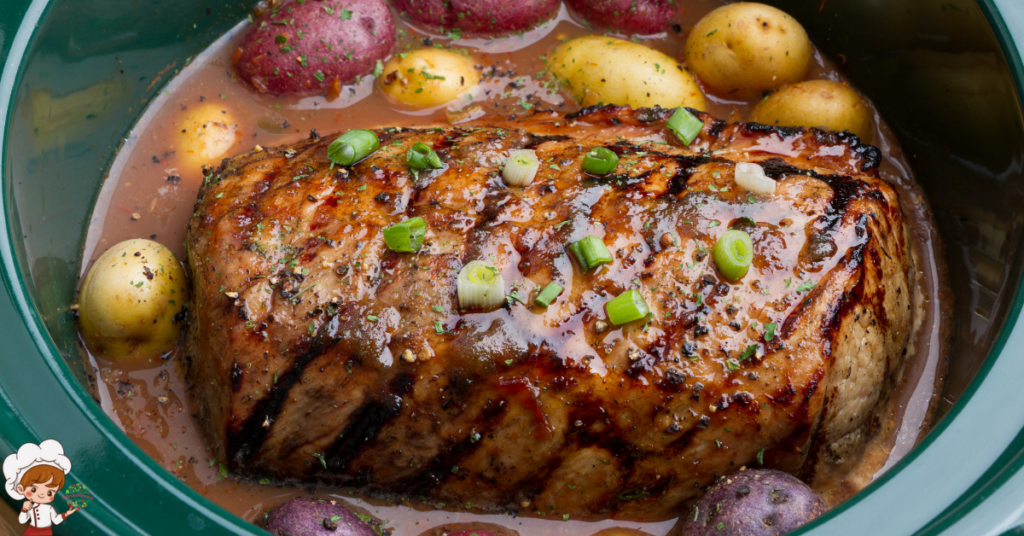
Great Slow Cooking Methods For Beef; If you’ve ever struggled with tough, chewy beef, slow cooking is the secret that changes everything. Techniques like braising, stewing, pot‑roasting, and slow‑cooker cooking gently break down collagen over time, transforming even the toughest cuts into tender, flavorful, melt‑in‑your‑mouth dishes .
Each method brings its own strengths — from the rich, deep flavors of braising to the comforting warmth of stews and the precision of sous vide. Whether you’re craving a classic pot roast, a hearty stew, or perfectly even sous‑vide beef, this guide walks you through the top slow‑cooking techniques and how to use them to get consistently delicious results.
We’ve Got Everything You Need to Make Your Masterpiece.
What You’ll Learn About Slow Cooking Beef
Tips for tenderizing beef through marinating, searing, and temperature control
Why slow cooking transforms tough cuts into tender, melt‑in‑your‑mouth beef (collagen breakdown)
The differences between braising, stewing, pot‑roasting, slow cooker, sous vide, oven roasting, and smoking
How each method enhances flavor, texture, and juiciness in unique ways
When to choose each method based on cut, time, and desired flavor profile
How aromatics, herbs, spices, and liquids deepen flavor during long cooking
Braising
To achieve tender and flavorful beef, braising is a highly effective slow cooking method that you should consider utilizing. When it comes to slow cooking versus fast cooking, braising falls into the slow cooking category. Unlike fast cooking methods like grilling or pan-searing, braising involves cooking the beef slowly in a liquid, allowing it to break down and become tender over time.
One of the major pros of braising is that it results in incredibly tender and flavorful beef. The slow cooking process allows the tough cuts of beef to become tender as the collagen breaks down. This results in a melt-in-your-mouth texture that is hard to achieve with fast cooking methods. Additionally, the long cooking time allows the flavors to meld together, resulting in a rich and delicious dish.
Another advantage of braising is that it is a forgiving cooking method. Tough cuts of beef, such as chuck or brisket, benefit greatly from braising. The slow cooking process helps to tenderize these cuts, making them more enjoyable to eat. Braising also allows you to utilize cheaper cuts of beef, as the slow cooking process helps to enhance their flavor and texture.
However, there are a few cons to consider when it comes to braising. Firstly, it is a time-consuming process. Braising requires a long cooking time, typically several hours, which can be a challenge for those with busy schedules. Additionally, braising requires a bit of planning ahead, as the beef needs to marinate in the liquid for a period of time before cooking.
Stewing
When you stew beef, you are not only tenderizing the meat, but also enhancing its flavors. Stewing involves cooking the beef slowly in liquid, allowing the collagen in the meat to break down and create a deliciously tender texture. Additionally, the long cooking time allows the flavors of the meat and other ingredients to meld together, resulting in a rich and satisfying dish.
Tenderizing the Meat
For tenderizing the meat when stewing, you can opt to marinate it overnight or use a meat tenderizer tool to break down the tough fibers. Marinating the meat is a popular technique that not only tenderizes but also imparts flavor. To marinate, simply combine your choice of marinade ingredients, such as vinegar, citrus juice, or yogurt, with herbs and spices.
Place the meat in the marinade and refrigerate it for at least a few hours, or overnight for the best results. This allows the marinade to penetrate the meat and break down its tough fibers. Alternatively, you can use a meat tenderizer tool, such as a mallet or a meat tenderizing hammer, to physically break down the muscle fibers and make the meat more tender. These tools have textured surfaces that help to tenderize the meat by breaking up the connective tissues. Both marinating and using a meat tenderizer tool are effective methods for tenderizing the meat when stewing.
Enhancing Flavors
If you want to enhance the flavors of your stew, consider adding aromatic ingredients such as herbs, spices, and vegetables. Using different cooking techniques and incorporating herbs and spices can take your stew to the next level of deliciousness. One popular technique is to sauté the herbs and spices in oil or butter before adding them to the stew. This helps to release their flavors and aromas, infusing the dish with a rich and complex taste.
Another technique is to tie the herbs and spices in a cheesecloth or place them in a tea infuser and let them simmer in the stew. This allows the flavors to meld together without leaving any unwanted residue. Additionally, adding vegetables like onions, garlic, carrots, and celery can provide a natural sweetness and depth to the stew. So, get creative and experiment with different herbs, spices, and cooking techniques to elevate the flavors of your stew to new heights.
Pot-roasting
To achieve tender and flavorful beef, consider pot-roasting as a slow cooking method. Pot-roasting involves cooking beef in a covered pot with liquid, such as broth or wine, over low heat for an extended period. This technique is ideal for tougher cuts of beef, as the slow cooking process breaks down the connective tissues and renders them tender.
There are various pot-roasting techniques that you can try. One popular method is searing the beef first to develop a rich, caramelized crust. This adds depth of flavor to the dish. After searing, you can transfer the beef to a pot and add your choice of liquid, along with aromatic vegetables and herbs, to infuse the meat with additional flavors.
When it comes to pot-roasting recipes, the possibilities are endless. You can opt for classic recipes like pot roast with carrots and potatoes or experiment with different ingredients to create unique flavors. For instance, you can try a red wine pot roast with mushrooms and onions for a rich and savory dish. Alternatively, you can go for a lighter option and pot-roast beef with citrus fruits and herbs for a refreshing and tangy flavor profile.
No matter which pot-roasting technique or recipe you choose, the key is to cook the beef low and slow. This allows the flavors to meld together and the meat to become tender and juicy. So, the next time you want to enjoy a delicious and melt-in-your-mouth beef dish, give pot-roasting a try. You won’t be disappointed!
Slow Cooker
To make the most tender and flavorful beef in a slow cooker, start by marinating the meat overnight to break down its fibers. Season the beef with your favorite herbs and spices, and then sear it in a hot pan to lock in the juices before transferring it to the slow cooker. These simple steps will ensure that your beef turns out succulent and delicious after hours of slow cooking.
We’ve Got Everything You Need to Make Your Masterpiece.
Tenderize With Marinade
Marinating your beef in a slow cooker is an excellent method for tenderizing it and infusing it with delicious flavors. Here are three marinating techniques that will help you achieve tender and flavorful beef:
- Acidic Marinade: Using ingredients like vinegar, citrus juices, or yogurt can help break down the tough muscle fibers in the beef, resulting in a more tender texture. The acid in these marinades helps to denature proteins and break down collagen.
- Enzymatic Marinade: Papaya, pineapple, and kiwi are fruits that contain natural enzymes, such as papain and bromelain, which can tenderize meat. These enzymes work by breaking down proteins, making the beef more tender.
- Oil-Based Marinade: Oil-based marinades not only add flavor but also help to keep the beef moist during the slow cooking process. The oil acts as a barrier, preventing the meat from drying out and resulting in a tender and juicy end product.
Season and Sear
For a perfectly seasoned and seared beef in your slow cooker, follow these steps to elevate the flavor and texture of your dish. Before putting the beef in the slow cooker, consider marinating it overnight to infuse it with flavor. You can use a variety of marinating techniques, such as using a dry rub or creating a liquid marinade with herbs and spices. Once the beef is marinated, it’s time to sear it.
Heat a skillet over medium-high heat and add a small amount of oil. Place the beef in the hot skillet and sear it on all sides until it forms a brown crust. This step will enhance the flavor and color of the beef. After searing, transfer the beef to the slow cooker and cook it at the recommended slow cooking temperature for a tender and delicious result.
Sous Vide
When using the sous vide method, you can achieve perfectly cooked beef by sealing it in a vacuum-sealed bag and cooking it in a temperature-controlled water bath. Sous vide techniques rely on precise temperature control to ensure consistent and even cooking throughout the meat. Here are three reasons why sous vide is a top slow cooking method for beef:
- Even Cooking: With sous vide, the beef is cooked at a precise temperature for an extended period of time. This gentle and controlled cooking process ensures that the meat is cooked evenly from edge to edge. As a result, you get a perfectly cooked steak with a uniform doneness throughout.
- Tender and Juicy: The low and slow cooking of sous vide allows the beef to tenderize and develop flavors while retaining its natural juices. The long cooking time breaks down collagen, resulting in a tender and succulent piece of meat. Unlike other cooking methods, sous vide minimizes moisture loss, ensuring that your beef stays juicy and flavorful.
- Consistency: One of the main advantages of sous vide is its ability to deliver consistent results every time. With precise temperature control, you can achieve the exact level of doneness you desire, whether it’s medium-rare or well-done. This consistency makes sous vide a reliable method for cooking beef, ensuring that you can recreate your favorite dishes with consistent results.
Oven Roasting
To achieve a deliciously roasted beef, the oven is a reliable and versatile cooking method. Oven roasting is ideal for large cuts of beef, such as roasts or whole tenderloins. The dry heat of the oven helps to brown the exterior of the meat while sealing in the juices, resulting in a flavorful and tender dish.
When it comes to oven roasting, choosing the right cut of beef is essential. Cuts such as ribeye, sirloin, or tenderloin are best for roasting as they have a good balance of marbling and tenderness. These cuts will yield a succulent and well-flavored roast when cooked in the oven.
One of the advantages of oven roasting is the ability to control the temperature. This allows you to cook the beef to your desired level of doneness. For a medium-rare roast, a temperature of around 135°F (57°C) is recommended, while a medium roast would require a temperature of around 145°F (63°C). It is important to use a meat thermometer to ensure accurate temperature readings and avoid overcooking.
Compared to other slow cooking methods like braising, oven roasting offers a different flavor profile. The dry heat of the oven caramelizes the natural sugars in the meat, creating a rich and savory crust. This method also allows the meat to retain its natural juices, resulting in a moist and tender texture.
We’ve Got Everything You Need to Make Your Masterpiece.
Smoking
Smoking beef is a traditional method that imparts a distinct smoky flavor and tenderizes the meat to perfection. Using a slow cooker for smoking beef is a convenient way to achieve delicious results without the need for an outdoor smoker. Here are three key reasons why smoking your beef in a slow cooker is a great option:
- Convenience: With a slow cooker, you can easily smoke beef right in your kitchen. Simply season the beef, place it in the slow cooker, add wood chips for that smoky flavor, and let it cook on low heat for several hours. This method allows you to enjoy the benefits of smoking without the need for an outdoor setup.
- Tender and Juicy Meat: Smoking beef in a slow cooker helps to break down tough connective tissues, resulting in tender and juicy meat. The low and slow cooking process allows the collagen in the meat to break down, resulting in a moist and flavorful end product. It’s a perfect method for tougher cuts of beef that benefit from long, slow cooking.
- Enhanced Flavor: The smoky flavor imparted by the slow cooker adds a unique and delicious taste to the beef. As the wood chips release their aromatic compounds during the cooking process, the meat absorbs these flavors, creating a mouthwatering experience. You can experiment with different types of wood chips, such as hickory, mesquite, or applewood, to add variety and depth to your smoked beef.
Frequently Asked Questions
How Long Does It Take to Braise Beef?
Braising beef is a popular slow cooking method that involves searing the meat before simmering it in liquid for a long time. The exact time it takes to braise beef depends on the cut and size, but it typically takes a few hours. The slow cooking process allows the flavors to develop and the meat to become tender and juicy.
Can I Use the Slow Cooker Method for Other Types of Meat?
Yes, you can definitely use the slow cooker method for other types of meat. Slow cooking benefits include tender, flavorful dishes. There are numerous slow cooker recipes available for various meats, giving you plenty of options to try.
What Temperature Should I Set My Oven to for Pot-Roasting Beef?
To achieve tender and flavorful pot-roasted beef, set your oven to 325°F. This temperature ensures even cooking and allows the meat to slowly break down, resulting in a melt-in-your-mouth texture.
Can I Add Vegetables to the Stewing Process?
You can definitely add vegetables to the stewing process when cooking beef slowly. It not only enhances the flavor but also adds nutrients and texture to the dish. So go ahead and enjoy the benefits of adding veggies to your slow-cooked beef!
Are There Any Specific Types of Wood Chips Recommended for Smoking Beef?
When smoking beef, using different types of wood chips can enhance the flavor. Hickory and mesquite chips are popular choices. The benefits of using wood chips include adding a smoky aroma and infusing the meat with a rich, savory taste.

Conclusion
Slow cooking opens the door to some of the most flavorful and tender beef dishes you can make. Whether you choose braising, stewing, pot‑roasting, sous vide, oven roasting, or smoking, each method offers unique benefits and can be tailored to your preferred cuts and flavors .
By cooking low and slow, you allow collagen to break down, juices to develop, and flavors to meld into rich, satisfying meals. With the techniques in this guide, you’ll be able to turn inexpensive cuts into impressive dishes and elevate your beef cooking with confidence.