Five Great Tips To Enhance Slow Cooking Skills
Five Great Tips To Enhance Slow Cooking; So, you think you're a slow cooking expert, huh? Well, think again. While you may have mastered the art of setting a timer and walking away, there are a few essential tips that could take your slow cooking skills to a whole new level. From choosing the right cuts of meat to experimenting with herbs and spices, these tips will have you creating mouthwatering dishes that will leave your taste buds begging for more. But I won't spill all the secrets just yet. Stick around and discover the five essential tips that will transform your slow cooking game. Choosing the Right Cuts of Meat When it comes to enhancing your slow cooking skills, one of the most important factors to consider is choosing the right cuts of meat. The type of meat you select can make a significant difference in the taste and texture of your slow-cooked dishes. To ensure the best results, it's essential to understand which cuts are ideal for slow cooking. When choosing the right cuts of meat, opt for those that have a higher fat content and connective tissue. These cuts, such as chuck roast, brisket, or short ribs, are often tougher but become tender and succulent when cooked slowly over a low heat. The fat content helps keep the meat moist and adds flavor to the dish. Experimenting with herbs and spices can also elevate the taste of your slow-cooked meals. While the meat itself plays a crucial role, the right combination of herbs and spices can take your dish to the next level. For example, if you're cooking a beef stew, try adding thyme, rosemary, and bay leaves for a robust and aromatic flavor. For a more exotic twist, consider using spices like cumin, paprika, or cinnamon. Don't be afraid to get creative and try different combinations to find your signature flavor profile. Keep in mind that slow cooking allows the flavors to meld together over time, so be patient and let the magic happen. Remember to taste and adjust the seasoning as needed throughout the cooking process. Mastering Flavorful Marinades and Rubs Now that you've mastered choosing the right cuts of meat, it's time to take your slow cooking skills to the next level by mastering flavorful marinades and rubs. Spice blends for marinades can add depth and complexity to your dishes, enhancing the overall flavor profile. It's important to consider marinating time recommendations to ensure that the flavors have enough time to penetrate the meat, resulting in a delicious and tender dish. Spice Blends for Marinades To enhance your slow cooking skills and master flavorful marinades and rubs, expertly crafted spice blends are essential. These blends have the power to transform ordinary ingredients into extraordinary dishes. Here are three reasons why using spice blends for marinades is a game-changer: Enhanced Flavors: Spice blends add depth and complexity to your marinades, elevating the taste of your dish to new heights. Convenience: With pre-made spice blends, you can save time and effort by not having to measure and mix individual spices. Consistency: Using spice blends ensures that your marinades have a consistent flavor profile every time you cook, eliminating any guesswork. When it comes to marinating techniques, incorporating flavor-infused oils into your spice blends can take your marinades to the next level. These oils infuse the spices with their own unique flavors, enhancing the overall taste of your dish. So, next time you marinate your meat or vegetables, don't forget to reach for a well-crafted spice blend to unlock a world of flavors. Marinating Time Recommendations By considering the optimal marinating time, you can further enhance the flavors of your marinades and rubs, building upon the previous subtopic of spice blends for a truly sensational culinary experience. Marinating techniques play a crucial role in flavor infusion, allowing the marinade to penetrate the meat or vegetables and impart its deliciousness. The length of marinating time depends on the type of ingredient and the desired flavor intensity. For thinner cuts of meat or delicate seafood, a shorter marinating time of 30 minutes to 2 hours is often sufficient. However, for tougher cuts of meat like beef brisket or pork shoulder, longer marinating times of 6 to 24 hours are recommended to tenderize and deeply infuse the flavors. Remember, the key is to strike a balance between marinating long enough for flavor infusion and not over-marinating, which can lead to a mushy texture. So, follow these marinating time recommendations and elevate your slow cooking skills to new heights. Utilizing the Power of Aromatics Enhance your slow cooking skills by harnessing the aromatic power of herbs and spices. Aromatics are key ingredients that can transform a dish, infusing flavors and creating a delightful sensory experience. By understanding the art of aromatic pairings, you can take your slow cooking to the next level. Here are three essential tips to help you utilize the power of aromatics: Experiment with different herb and spice combinations: The possibilities are endless when it comes to aromatics. Try combining fragrant herbs like rosemary, thyme, and sage with warm spices such as cinnamon, cloves, and nutmeg. This will add depth and complexity to your dishes, elevating the overall flavor profile. Toast your spices for enhanced aroma: Toasting spices before adding them to your slow cooker can intensify their flavors and release their aromatic oils. Simply heat them in a dry skillet over medium heat until they become fragrant. Be careful not to burn them, as this can result in a bitter taste. Utilize aromatics in your broth or sauce: Infusing your broth or sauce with aromatics can impart a rich and flavorful base to your slow-cooked dishes. Add ingredients like onion, garlic, ginger, and bay leaves to enhance the overall taste. Remember to strain the broth or remove the aromatics before serving to prevent overpowering flavors. Perfecting Cooking Times and Temperatures As you continue to expand your slow cooking repertoire, it's crucial to master the art of perfecting cooking times and temperatures. Cooking techniques play a vital role in achieving tender meat and ensuring that your dishes turn out flavorful and delicious. To enhance your slow cooking skills, here are some essential tips for perfecting cooking times and temperatures. Firstly, it's important to understand that slow cooking requires low and steady heat. This gentle cooking method allows the flavors to develop slowly and the meat to become tender. Set your slow cooker on low heat for longer cooking times, or on high heat for shorter cooking times. The general rule of thumb is to cook on low heat for 8 to 10 hours, or on high heat for 4 to 6 hours. However, always refer to the specific recipe for precise cooking times. Additionally, the size and type of meat also affect the cooking time. Larger cuts of meat, such as roasts, will require more cooking time compared to smaller cuts like stew meat or chicken thighs. It's important to adjust the cooking time accordingly to ensure that the meat is cooked thoroughly and becomes tender. Furthermore, using a meat thermometer is a great way to ensure that your meat is cooked to perfection. The internal temperature of cooked meat should reach a safe minimum temperature to eliminate any potential bacteria. For example, poultry should reach 165°F (74°C), while beef and pork should reach 145°F (63°C). Maximizing Flavor With Homemade Broths and Stocks Now it's time to take your slow cooking skills to the next level by maximizing flavor with homemade broths and stocks. By making your own flavorful broths, you can enhance the taste of your slow-cooked dishes and create a rich base for your recipes. Building rich stocks from scratch allows you to control the ingredients and tailor them to your preferences, resulting in mouthwatering dishes that will impress your family and friends. Flavorful Homemade Broths To achieve rich and robust flavors in your slow-cooked dishes, consider the art of crafting flavorful homemade broths and stocks. These savory foundations are the secret to creating delicious and comforting meals that will satisfy your taste buds. Here are three reasons why homemade broths are a game-changer: Infuses Depth: Homemade broths add layers of flavor to your soups and stews, making them more enjoyable and satisfying. The slow simmering process extracts the essence of the ingredients, resulting in a delicious and well-rounded taste. Enhances Aromas: The aromatic herbs, vegetables, and bones used in homemade broths release enticing scents that fill your kitchen and create anticipation for the flavorful meal ahead. Versatility: Broth-based sauces are incredibly versatile and can be used as a base for various dishes, such as risottos, gravies, and braised meats. They add depth and richness to any recipe, elevating the overall taste. Building Rich Stocks Crafting rich and flavorful stocks is an essential skill for enhancing the taste and depth of your slow-cooked dishes. Building rich flavors through homemade broths and stocks is all about extracting maximum taste from the ingredients you use. The process begins by simmering bones, such as beef, chicken, or fish, along with vegetables, herbs, and spices in water for an extended period. This slow and gentle cooking allows the flavors to meld together, resulting in a rich and concentrated liquid. To enhance the depth of flavor, you can roast the bones and vegetables before simmering them. Additionally, adding a small amount of acid, like vinegar or lemon juice, helps extract more flavor from the ingredients. By mastering the art of building rich stocks, you can elevate the taste of your slow-cooked dishes to new heights. Enhancing Slow-Cooked Dishes As you continue your journey of enhancing slow-cooked dishes, the next step is to maximize the flavor by incorporating homemade broths and stocks. By using these flavorful bases, you can take your slow cooker recipes to the next level. Here are three reasons why homemade broths and stocks are essential for enhancing your dishes: Richness: Homemade broths and stocks add a depth of flavor that store-bought versions simply can't match. The slow cooking techniques allow the ingredients to fully develop, resulting in a rich and flavorful liquid that will enhance every bite of your dish. Versatility: Whether you're making a hearty stew or a savory sauce, homemade broths and stocks can be used in a variety of slow cooker recipes. They provide a versatile base that can be customized to suit your taste preferences. Nutritional value: By making your own broths and stocks, you have control over the ingredients used. This means you can choose high-quality, nutrient-rich ingredients, resulting in a healthier final dish. Incorporating homemade broths and stocks into your slow-cooked dishes will elevate the flavors and make every bite a truly memorable experience. Experimenting With Herbs and Spices Enhance your slow cooking skills by exploring the endless possibilities of herbs and spices. Experimenting with different flavor combinations and pairing herbs and spices for optimal taste can take your slow-cooked dishes to a whole new level. Not only do herbs and spices add depth and complexity to your meals, but they also have numerous health benefits. From enhancing the aroma of your dishes to adding a burst of flavor, herbs and spices can truly elevate your cooking. When experimenting with herbs and spices, it's important to consider the flavor profiles of different ingredients. Some herbs like rosemary and thyme have robust and earthy flavors that pair well with meats, while others like basil and parsley bring a fresh and vibrant taste to lighter dishes. Spices, on the other hand, can add warmth and depth to your meals. Cinnamon and nutmeg are perfect for sweet dishes, while cumin and paprika can add a smoky and spicy kick to savory dishes. To achieve optimal taste, it's crucial to strike the right balance between herbs and spices. Too much of one ingredient can overpower the dish, while too little can leave it bland and uninspiring. Start by experimenting with small amounts and gradually adjust the quantities to suit your taste preferences. Don't be afraid to get creative and try out different combinations – you might stumble upon a unique flavor profile that becomes your signature dish. Incorporating herbs and spices into your slow cooking routine not only adds excitement to your meals but also allows you to explore new culinary horizons. So go ahead, embrace the world of herbs and spices, and unlock the true potential of your slow-cooked dishes. Happy cooking! Frequently Asked Questions: Five Great Tips To Enhance Slow Cooking How Do I Know Which Cuts of Meat Are Best for Slow Cooking? To know which cuts of meat are best for slow cooking, you need to understand the difference between tough and tender cuts. Tough cuts like chuck or brisket are great for long cooking times. You can also explore alternative protein options like chicken thighs or pork shoulder. What Are Some Tips for Creating Flavorful Marinades and Rubs? To create flavorful marinades and rubs, you can choose between homemade or store-bought options. When making your own, experiment with different combinations of spices, herbs, and acids to balance the flavors to your liking. How Can I Use Aromatics to Enhance the Taste of My Slow-Cooked Dishes? To enhance the taste of your slow-cooked dishes, use aromatics like herbs and spices. Choose the right ones that complement your dish. Incorporate them into your cooking process to add depth and flavor. What Are the Recommended Cooking Times and Temperatures for Different Types of Slow-Cooked Meals? To cook different types of slow-cooked meals, you need to consider the recommended cooking times and temperatures. It's important to follow the instructions for each recipe to ensure delicious and tender results. Can I Use Store-Bought Broths and Stocks Instead of Making Homemade Ones? Yes, you can use store-bought broths and stocks instead of making homemade ones. They are convenient and can add flavor to your slow-cooked meals. Just make sure to choose high-quality options for the best results. Conclusion In conclusion, by following these essential tips, you can enhance your slow cooking skills and create mouthwatering dishes bursting with flavor. From choosing the right cuts of meat to utilizing aromatic ingredients and perfecting cooking times, each step plays a crucial role in creating a delicious meal. Don't forget to experiment with herbs and spices to add that extra touch of culinary excellence. With practice and these expert techniques, you'll become a slow cooking pro in no time.

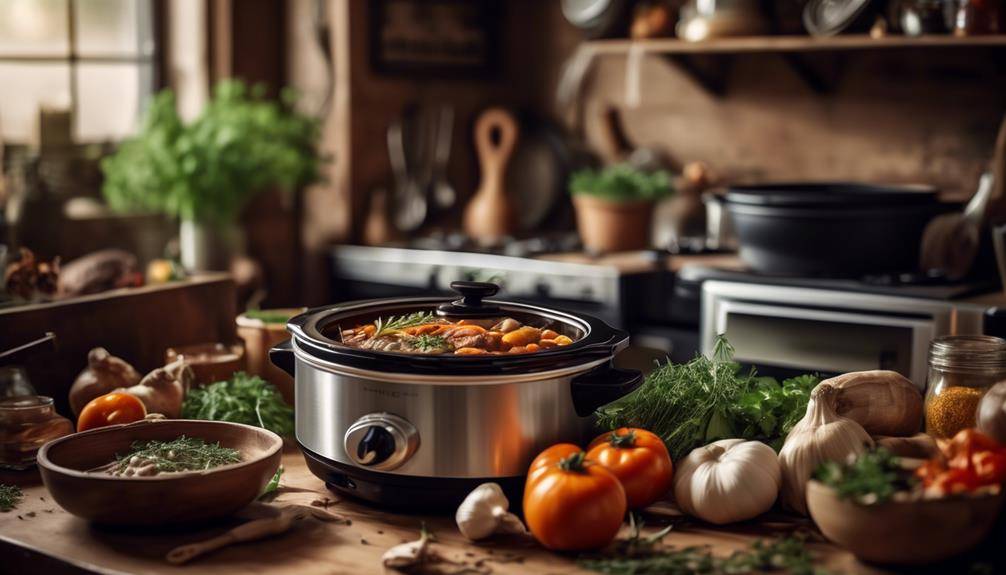
Five Great Tips To Enhance Slow Cooking; So, you think you’re a slow cooking expert, huh? Well, think again. While you may have mastered the art of setting a timer and walking away, there are a few essential tips that could take your slow cooking skills to a whole new level. From choosing the right cuts of meat to experimenting with herbs and spices, these tips will have you creating mouthwatering dishes that will leave your taste buds begging for more. But I won’t spill all the secrets just yet. Stick around and discover the five essential tips that will transform your slow cooking game.

Click Here To Elevate your cooking game with our must-have kitchen essentials—because every great dish starts with the right tools! 🥄🍳✨

Choosing the Right Cuts of Meat

When it comes to enhancing your slow cooking skills, one of the most important factors to consider is choosing the right cuts of meat. The type of meat you select can make a significant difference in the taste and texture of your slow-cooked dishes. To ensure the best results, it’s essential to understand which cuts are ideal for slow cooking.

When choosing the right cuts of meat, opt for those that have a higher fat content and connective tissue. These cuts, such as chuck roast, brisket, or short ribs, are often tougher but become tender and succulent when cooked slowly over a low heat. The fat content helps keep the meat moist and adds flavor to the dish.

Experimenting with herbs and spices can also elevate the taste of your slow-cooked meals. While the meat itself plays a crucial role, the right combination of herbs and spices can take your dish to the next level. For example, if you’re cooking a beef stew, try adding thyme, rosemary, and bay leaves for a robust and aromatic flavor. For a more exotic twist, consider using spices like cumin, paprika, or cinnamon.

Don’t be afraid to get creative and try different combinations to find your signature flavor profile. Keep in mind that slow cooking allows the flavors to meld together over time, so be patient and let the magic happen. Remember to taste and adjust the seasoning as needed throughout the cooking process.

Mastering Flavorful Marinades and Rubs

Now that you’ve mastered choosing the right cuts of meat, it’s time to take your slow cooking skills to the next level by mastering flavorful marinades and rubs. Spice blends for marinades can add depth and complexity to your dishes, enhancing the overall flavor profile. It’s important to consider marinating time recommendations to ensure that the flavors have enough time to penetrate the meat, resulting in a delicious and tender dish.

Spice Blends for Marinades

To enhance your slow cooking skills and master flavorful marinades and rubs, expertly crafted spice blends are essential. These blends have the power to transform ordinary ingredients into extraordinary dishes. Here are three reasons why using spice blends for marinades is a game-changer:

  • Enhanced Flavors: Spice blends add depth and complexity to your marinades, elevating the taste of your dish to new heights.
  • Convenience: With pre-made spice blends, you can save time and effort by not having to measure and mix individual spices.
  • Consistency: Using spice blends ensures that your marinades have a consistent flavor profile every time you cook, eliminating any guesswork.

When it comes to marinating techniques, incorporating flavor-infused oils into your spice blends can take your marinades to the next level. These oils infuse the spices with their own unique flavors, enhancing the overall taste of your dish. So, next time you marinate your meat or vegetables, don’t forget to reach for a well-crafted spice blend to unlock a world of flavors.

Marinating Time Recommendations

By considering the optimal marinating time, you can further enhance the flavors of your marinades and rubs, building upon the previous subtopic of spice blends for a truly sensational culinary experience. Marinating techniques play a crucial role in flavor infusion, allowing the marinade to penetrate the meat or vegetables and impart its deliciousness. The length of marinating time depends on the type of ingredient and the desired flavor intensity. For thinner cuts of meat or delicate seafood, a shorter marinating time of 30 minutes to 2 hours is often sufficient.

However, for tougher cuts of meat like beef brisket or pork shoulder, longer marinating times of 6 to 24 hours are recommended to tenderize and deeply infuse the flavors. Remember, the key is to strike a balance between marinating long enough for flavor infusion and not over-marinating, which can lead to a mushy texture. So, follow these marinating time recommendations and elevate your slow cooking skills to new heights.

Utilizing the Power of Aromatics

Enhance your slow cooking skills by harnessing the aromatic power of herbs and spices. Aromatics are key ingredients that can transform a dish, infusing flavors and creating a delightful sensory experience. By understanding the art of aromatic pairings, you can take your slow cooking to the next level. Here are three essential tips to help you utilize the power of aromatics:

  • Experiment with different herb and spice combinations: The possibilities are endless when it comes to aromatics. Try combining fragrant herbs like rosemary, thyme, and sage with warm spices such as cinnamon, cloves, and nutmeg. This will add depth and complexity to your dishes, elevating the overall flavor profile.
  • Toast your spices for enhanced aroma: Toasting spices before adding them to your slow cooker can intensify their flavors and release their aromatic oils. Simply heat them in a dry skillet over medium heat until they become fragrant. Be careful not to burn them, as this can result in a bitter taste.
  • Utilize aromatics in your broth or sauce: Infusing your broth or sauce with aromatics can impart a rich and flavorful base to your slow-cooked dishes. Add ingredients like onion, garlic, ginger, and bay leaves to enhance the overall taste. Remember to strain the broth or remove the aromatics before serving to prevent overpowering flavors.

Perfecting Cooking Times and Temperatures

As you continue to expand your slow cooking repertoire, it’s crucial to master the art of perfecting cooking times and temperatures. Cooking techniques play a vital role in achieving tender meat and ensuring that your dishes turn out flavorful and delicious. To enhance your slow cooking skills, here are some essential tips for perfecting cooking times and temperatures.

Firstly, it’s important to understand that slow cooking requires low and steady heat. This gentle cooking method allows the flavors to develop slowly and the meat to become tender. Set your slow cooker on low heat for longer cooking times, or on high heat for shorter cooking times. The general rule of thumb is to cook on low heat for 8 to 10 hours, or on high heat for 4 to 6 hours. However, always refer to the specific recipe for precise cooking times.

Additionally, the size and type of meat also affect the cooking time. Larger cuts of meat, such as roasts, will require more cooking time compared to smaller cuts like stew meat or chicken thighs. It’s important to adjust the cooking time accordingly to ensure that the meat is cooked thoroughly and becomes tender.

Furthermore, using a meat thermometer is a great way to ensure that your meat is cooked to perfection. The internal temperature of cooked meat should reach a safe minimum temperature to eliminate any potential bacteria. For example, poultry should reach 165°F (74°C), while beef and pork should reach 145°F (63°C).

Maximizing Flavor With Homemade Broths and Stocks

Now it’s time to take your slow cooking skills to the next level by maximizing flavor with homemade broths and stocks. By making your own flavorful broths, you can enhance the taste of your slow-cooked dishes and create a rich base for your recipes. Building rich stocks from scratch allows you to control the ingredients and tailor them to your preferences, resulting in mouthwatering dishes that will impress your family and friends.

Flavorful Homemade Broths

To achieve rich and robust flavors in your slow-cooked dishes, consider the art of crafting flavorful homemade broths and stocks. These savory foundations are the secret to creating delicious and comforting meals that will satisfy your taste buds. Here are three reasons why homemade broths are a game-changer:

  • Infuses Depth: Homemade broths add layers of flavor to your soups and stews, making them more enjoyable and satisfying. The slow simmering process extracts the essence of the ingredients, resulting in a delicious and well-rounded taste.
  • Enhances Aromas: The aromatic herbs, vegetables, and bones used in homemade broths release enticing scents that fill your kitchen and create anticipation for the flavorful meal ahead.
  • Versatility: Broth-based sauces are incredibly versatile and can be used as a base for various dishes, such as risottos, gravies, and braised meats. They add depth and richness to any recipe, elevating the overall taste.

Building Rich Stocks

Crafting rich and flavorful stocks is an essential skill for enhancing the taste and depth of your slow-cooked dishes. Building rich flavors through homemade broths and stocks is all about extracting maximum taste from the ingredients you use. The process begins by simmering bones, such as beef, chicken, or fish, along with vegetables, herbs, and spices in water for an extended period.

This slow and gentle cooking allows the flavors to meld together, resulting in a rich and concentrated liquid. To enhance the depth of flavor, you can roast the bones and vegetables before simmering them. Additionally, adding a small amount of acid, like vinegar or lemon juice, helps extract more flavor from the ingredients. By mastering the art of building rich stocks, you can elevate the taste of your slow-cooked dishes to new heights.

Enhancing Slow-Cooked Dishes

As you continue your journey of enhancing slow-cooked dishes, the next step is to maximize the flavor by incorporating homemade broths and stocks. By using these flavorful bases, you can take your slow cooker recipes to the next level. Here are three reasons why homemade broths and stocks are essential for enhancing your dishes:

  • Richness: Homemade broths and stocks add a depth of flavor that store-bought versions simply can’t match. The slow cooking techniques allow the ingredients to fully develop, resulting in a rich and flavorful liquid that will enhance every bite of your dish.
  • Versatility: Whether you’re making a hearty stew or a savory sauce, homemade broths and stocks can be used in a variety of slow cooker recipes. They provide a versatile base that can be customized to suit your taste preferences.
  • Nutritional value: By making your own broths and stocks, you have control over the ingredients used. This means you can choose high-quality, nutrient-rich ingredients, resulting in a healthier final dish.

Incorporating homemade broths and stocks into your slow-cooked dishes will elevate the flavors and make every bite a truly memorable experience.

Click Here To Elevate your cooking game with our must-have kitchen essentials—because every great dish starts with the right tools! 🥄🍳✨

Experimenting With Herbs and Spices

Enhance your slow cooking skills by exploring the endless possibilities of herbs and spices. Experimenting with different flavor combinations and pairing herbs and spices for optimal taste can take your slow-cooked dishes to a whole new level. Not only do herbs and spices add depth and complexity to your meals, but they also have numerous health benefits. From enhancing the aroma of your dishes to adding a burst of flavor, herbs and spices can truly elevate your cooking.

When experimenting with herbs and spices, it’s important to consider the flavor profiles of different ingredients. Some herbs like rosemary and thyme have robust and earthy flavors that pair well with meats, while others like basil and parsley bring a fresh and vibrant taste to lighter dishes. Spices, on the other hand, can add warmth and depth to your meals. Cinnamon and nutmeg are perfect for sweet dishes, while cumin and paprika can add a smoky and spicy kick to savory dishes.

To achieve optimal taste, it’s crucial to strike the right balance between herbs and spices. Too much of one ingredient can overpower the dish, while too little can leave it bland and uninspiring. Start by experimenting with small amounts and gradually adjust the quantities to suit your taste preferences. Don’t be afraid to get creative and try out different combinations – you might stumble upon a unique flavor profile that becomes your signature dish.

Incorporating herbs and spices into your slow cooking routine not only adds excitement to your meals but also allows you to explore new culinary horizons. So go ahead, embrace the world of herbs and spices, and unlock the true potential of your slow-cooked dishes. Happy cooking!

Click Here To Elevate your cooking game with our must-have kitchen essentials—because every great dish starts with the right tools! 🥄🍳✨

Frequently Asked Questions: Five Great Tips To Enhance Slow Cooking

How Do I Know Which Cuts of Meat Are Best for Slow Cooking?

To know which cuts of meat are best for slow cooking, you need to understand the difference between tough and tender cuts. Tough cuts like chuck or brisket are great for long cooking times. You can also explore alternative protein options like chicken thighs or pork shoulder.

What Are Some Tips for Creating Flavorful Marinades and Rubs?

To create flavorful marinades and rubs, you can choose between homemade or store-bought options. When making your own, experiment with different combinations of spices, herbs, and acids to balance the flavors to your liking.

How Can I Use Aromatics to Enhance the Taste of My Slow-Cooked Dishes?

To enhance the taste of your slow-cooked dishes, use aromatics like herbs and spices. Choose the right ones that complement your dish. Incorporate them into your cooking process to add depth and flavor.

What Are the Recommended Cooking Times and Temperatures for Different Types of Slow-Cooked Meals?

To cook different types of slow-cooked meals, you need to consider the recommended cooking times and temperatures. It’s important to follow the instructions for each recipe to ensure delicious and tender results.

Can I Use Store-Bought Broths and Stocks Instead of Making Homemade Ones?

Yes, you can use store-bought broths and stocks instead of making homemade ones. They are convenient and can add flavor to your slow-cooked meals. Just make sure to choose high-quality options for the best results.

Linktree Click To

Conclusion

In conclusion, by following these essential tips, you can enhance your slow cooking skills and create mouthwatering dishes bursting with flavor. From choosing the right cuts of meat to utilizing aromatic ingredients and perfecting cooking times, each step plays a crucial role in creating a delicious meal. Don’t forget to experiment with herbs and spices to add that extra touch of culinary excellence. With practice and these expert techniques, you’ll become a slow cooking pro in no time.

Home Page Click To

Similar Posts

Leave a Reply