3 Best Slow Cooking Methods For Fish
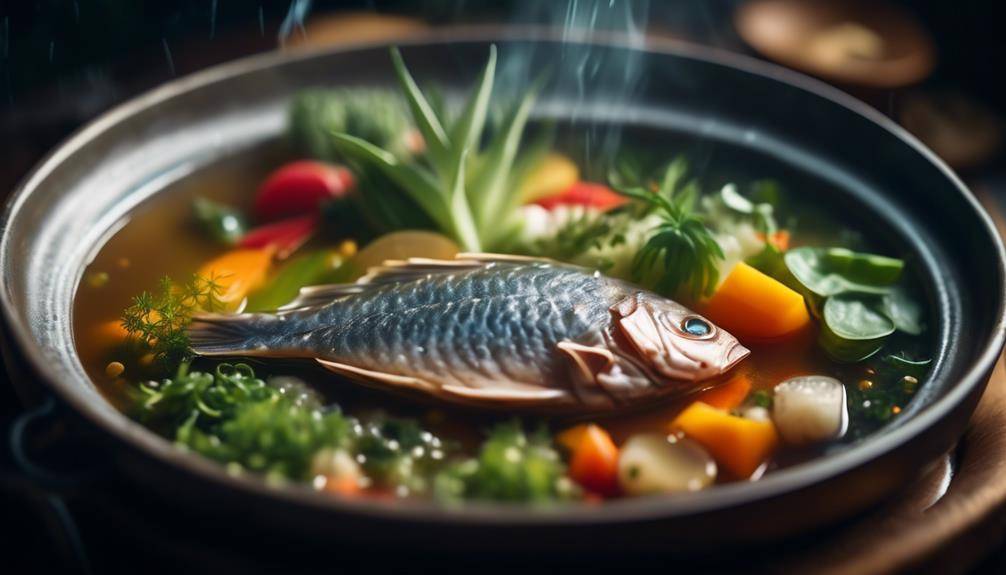
3 Best Slow Cooking Methods For Fish; So, you think you’re a master chef, huh? Well, let’s talk about slow cooking methods for fish, shall we? Because everyone knows that the best way to enjoy a piece of fish is by cooking it at a snail’s pace, right? Don’t worry, we won’t keep you waiting too long. In fact, we’ll give you just a taste of the three best slow cooking methods for fish, leaving you craving for more. Trust us, you won’t be able to resist the tantalizing aromas and mouthwatering flavors that await you. Get ready to elevate your fish game to a whole new level.
Baked Fish
To enjoy a deliciously tender and flavorful baked fish, follow these simple steps that will leave you craving for more. Baked fish is a popular and healthy way to prepare seafood, and it can be easily done in your own kitchen. Whether you prefer grilled fish or pan-seared fish, baking is a versatile cooking method that brings out the natural flavors of the fish while keeping it moist and tender.
To start, preheat your oven to 400 degrees Fahrenheit. While the oven is heating up, prepare your fish by rinsing it under cold water and patting it dry with paper towels. Season the fish with salt, pepper, and any other desired herbs or spices. For a burst of freshness, squeeze some lemon juice over the fish. Place the seasoned fish on a baking sheet lined with parchment paper, making sure to leave enough space between each piece.
Next, drizzle the fish with a small amount of olive oil to keep it moist during the cooking process. This will also help the seasonings to adhere to the fish. Place the baking sheet in the preheated oven and bake for about 10-12 minutes per inch of thickness. Keep a close eye on the fish to prevent overcooking.
Once the fish is cooked, remove it from the oven and let it rest for a few minutes before serving. This will allow the juices to redistribute and ensure a moist and tender fish. Baked fish is a versatile dish that can be served with a variety of sides, such as roasted vegetables, steamed rice, or a fresh salad. Enjoy the delicious flavors of your perfectly baked fish, and savor every bite.
Steamed Fish
Steamed fish is a simple and healthy cooking method that preserves the delicate flavors and textures of the fish while keeping it moist and tender. Steaming fish has numerous benefits, including being a low-fat cooking method that retains the nutritional value of the fish. Here are some reasons why you should consider steaming fish:
- Health benefits: Steaming fish helps to maintain its natural nutrients, such as omega-3 fatty acids, vitamins, and minerals. This cooking method requires minimal oil, making it a healthier option compared to frying or sautéing.
- Moisture retention: Steaming fish ensures that it remains juicy and moist. The steam gently cooks the fish, preventing it from drying out, unlike other cooking methods that can easily overcook and toughen the fish.
- Flavor preservation: Steaming fish allows it to maintain its delicate flavors. The gentle heat of the steam helps to enhance the natural taste of the fish without overpowering it with other ingredients or seasonings.
To prepare a healthy steamed fish recipe, start by choosing a fresh and firm fish, such as salmon, cod, or sea bass. Season the fish with your favorite herbs, spices, and a splash of lemon juice. Place the fish in a steamer basket or on a heatproof plate and steam for about 8-10 minutes, or until it is cooked through and flakes easily with a fork.
Steamed fish is a nutritious and delicious option for those looking to incorporate more seafood into their diet. Its simplicity and health benefits make it a great choice for anyone wanting to enjoy the natural flavors of fish without the added fat and calories. So why not give steamed fish a try and experience its tender and flavorful results?
Poached Fish
For a tender and flavorful alternative to steamed fish, try poached fish using this simple and versatile cooking method. Poaching involves gently simmering the fish in a flavorful broth, resulting in a moist and delicate texture that retains the natural flavors of the fish. The broth not only helps to infuse the fish with delicious flavors but also keeps it moist during the cooking process.
To create a flavorful broth for poaching fish, you can use a variety of ingredients. One popular option is to use a combination of water, white wine, and aromatics such as onions, garlic, and herbs. This aromatic broth adds depth and complexity to the fish, enhancing its taste without overpowering it. Another option is to use a fish or vegetable stock as the poaching liquid, which imparts a rich and savory flavor to the fish.
If you want to explore different flavors in your poached fish dishes, you can experiment with various poaching liquids. For a citrusy twist, you can use lemon or orange juice as the base. This adds a refreshing tang to the fish and pairs well with delicate white fish like cod or sole. Alternatively, you can try using coconut milk or curry paste to create a Thai-inspired poaching liquid, perfect for seafood like salmon or shrimp.
Frequently Asked Questions: 3 Best Slow Cooking Methods For Fish
Can I Use Frozen Fish for Slow Cooking Methods Like Baking, Steaming, or Poaching?
Yes, you can use frozen fish for slow cooking methods like baking, steaming, or poaching. The advantage is that it’s convenient, but the disadvantage is that it may affect the texture. To enhance the flavor, try adding herbs, spices, or a flavorful broth.
What Are Some Alternative Ingredients I Can Use in Place of Fish for Slow Cooking Methods?
Looking for alternative protein options for slow cooking? Vegetarian slow cooking recipes are a great choice. There are many delicious options such as lentils, beans, tofu, and tempeh that can be used in place of fish.
How Long Does It Take to Slow Cook Fish Using the Baking, Steaming, or Poaching Methods?
To properly season fish for slow cooking, sprinkle it with salt, pepper, and your favorite herbs. To prevent it from becoming dry, add a liquid like broth or wine. Baking, steaming, or poaching methods can take anywhere from 20-40 minutes depending on the thickness of the fish.
Are There Any Specific Types of Fish That Are More Suitable for Slow Cooking Methods?
Different types of fish have different cooking methods that work best. Some fish, like salmon or halibut, are great for slow cooking methods like baking or poaching. To enhance the flavor, try adding herbs and spices to the cooking liquid.

Conclusion
In conclusion, slow cooking methods like baking, steaming, and poaching are all fantastic options for preparing fish. Baking ensures a tender and flavorful result, while steaming retains the natural moisture and delicate texture. Poaching, on the other hand, allows for a gentle and even cooking process, resulting in a moist and succulent fish. Whichever method you choose, slow cooking is a wonderful way to infuse your fish with delicious flavors while maintaining its nutritional value. So go ahead and try these slow cooking techniques to elevate your fish dishes to a whole new level!