Great Tips For Slow Cooking Pasta Successfully
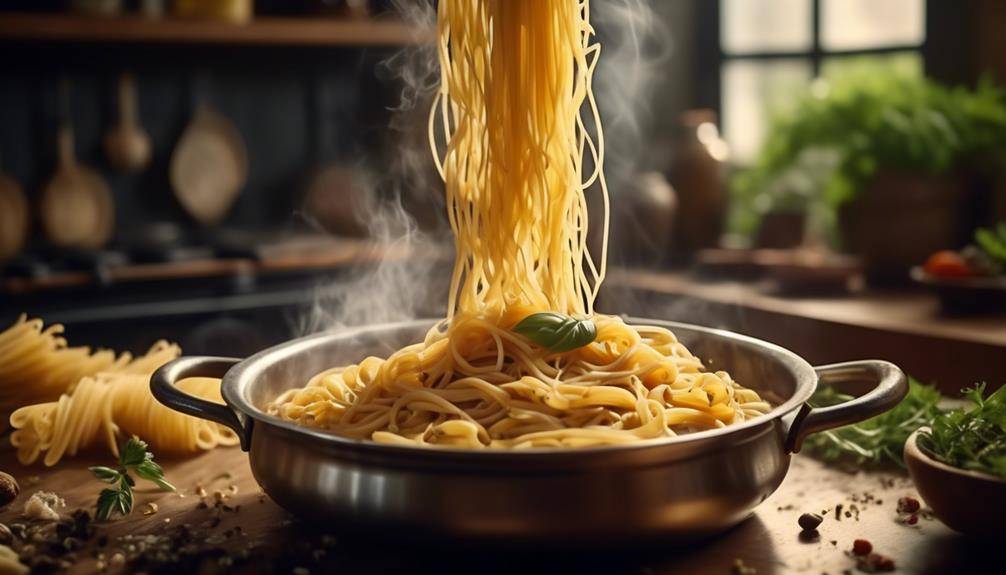
Tips For Slow Cooking Pasta Successfully; Are you tired of ending up with mushy or undercooked pasta when you try to slow cook it? Look no further! We have six effective tips that will completely transform your slow cooking game. From choosing the right pasta shape to adding the perfect amount of salt, these tips will ensure you achieve perfectly al dente pasta every time. But that’s not all! Stick around and discover the secret to preventing your pasta from sticking together and why serving it immediately is crucial for the best results. So, whether you’re a pasta connoisseur or a beginner in the kitchen, these tips are bound to take your slow-cooked pasta dishes to the next level.
Click Here and Turn Every Masterpiece into a Showstopper!
Choose the Right Pasta Shape
To ensure successful slow cooking of pasta, it is crucial to carefully select the right pasta shape for your dish. The shape of the pasta plays a significant role in the overall outcome of your slow-cooked masterpiece. Different pasta shapes have unique characteristics that can affect both the texture and flavor of the final dish.
When it comes to pasta texture, certain shapes are better suited for slow cooking than others. For example, penne and rigatoni are excellent choices as they have ridges that help to hold onto the sauce, resulting in a more flavorful and satisfying bite. On the other hand, spaghetti or linguine, with their long and slender shape, may not hold up as well in slow-cooked dishes, as they can become mushy and lose their distinct texture.
In addition to texture, the choice of pasta shape can also impact the flavor of your dish. Each shape has its own unique ability to capture and absorb the flavors of the sauce. Take shells, for instance. Their concave shape allows them to hold more sauce, resulting in a burst of flavor with every bite. Fusilli, with its corkscrew shape, can trap small bits of ingredients, such as diced vegetables or herbs, adding a delightful burst of flavor and texture to your dish.
Use Enough Water
Make sure you have an ample amount of water in your pot when cooking pasta in a slow cooker. The pasta water ratio is crucial for achieving perfectly cooked pasta. It’s important to have enough water to fully submerge the pasta and allow it to cook evenly. The general rule of thumb is to use 4 to 6 quarts of water for every pound of pasta. This ensures that the pasta has enough space to move around and cook properly.
Using enough water also helps prevent the pasta from sticking together. When pasta is added to a large amount of boiling water, it immediately cooks and becomes firm. This prevents it from clumping together or sticking to the pot. If you don’t use enough water, the pasta may end up clumpy and unevenly cooked.
Another advantage of using enough water is that it helps maintain the temperature of the cooking environment. When you add pasta to a pot of boiling water, the temperature drops momentarily. With ample water, the temperature recovers quickly, allowing the pasta to cook evenly and at the desired rate. This is especially important in a slow cooker, where maintaining a consistent cooking temperature is key.
In terms of cooking time, using enough water can help speed up the process. When there’s a smaller amount of water, it takes longer for the water to return to a boil after adding the pasta, which can increase the overall cooking time. Having enough water ensures that the pasta cooks in a timely manner, saving you time and effort.
To sum it up, using enough water when cooking pasta in a slow cooker is essential for achieving perfectly cooked pasta. It helps prevent sticking, ensures even cooking, and speeds up the cooking time. So, make sure to follow the pasta water ratio and use an ample amount of water for a successful slow-cooked pasta dish.
Add Salt to Enhance Flavor
Enhance the flavor of your slow-cooked pasta by adding salt to the cooking water. Salt not only enhances the taste of the pasta itself but also helps to season the entire dish. Here are some tips to make the most out of this simple ingredient:
- Add herbs for added flavor: Along with salt, consider adding herbs to the cooking water. This will infuse the pasta with delightful aromas and flavors. Popular choices include basil, oregano, thyme, and rosemary. Experiment with different combinations to find your favorite herb-infused pasta.
- *Basil and oregano*: These classic Italian herbs add a burst of freshness and a hint of sweetness to the pasta. They work well with tomato-based sauces and lighter pasta dishes.
- *Thyme and rosemary*: These earthy herbs lend a savory and robust flavor to the pasta. They pair wonderfully with heartier sauces and meat-based dishes.
- Use flavored salts for variety: If you want to take your pasta to the next level, consider using flavored salts. These salts are infused with various flavors, such as garlic, lemon, truffle, or chili. By using flavored salts, you can add a unique twist to your slow-cooked pasta, elevating it from ordinary to extraordinary. Experiment with different flavors to create your own signature dish.
Adding salt to the cooking water is a simple yet effective way to enhance the flavor of your slow-cooked pasta. By incorporating herbs and flavored salts, you can take your pasta dishes to new heights of deliciousness. So next time you’re preparing a slow-cooked pasta, don’t forget to season the water and let the flavors shine through. Enjoy!
Click Here and Turn Every Masterpiece into a Showstopper!
Bring the Water to a Boil Before Adding Pasta
As you prepare to cook your slow-cooked pasta, one crucial step to ensure perfect results is to bring the water to a vigorous boil before adding the pasta. This step is often overlooked, but it plays a significant role in the overall cooking process. By bringing the water to a boil, you ensure that the pasta cooks evenly and has the right texture.
When the water reaches a rolling boil, it creates a high-temperature environment that allows the pasta to cook quickly and evenly. This is important because slow cooker pasta recipes typically require longer cooking times than traditional stovetop methods. By starting with boiling water, you can reduce the overall cooking time and ensure that the pasta is cooked to perfection.
The boiling water also helps to prevent the pasta from sticking together. As the pasta cooks, the starches on the surface of the noodles release into the water. If the water is not at a full boil, the starches can create a sticky film on the pasta, causing it to clump together. By starting with boiling water, you can prevent this from happening and ensure that each strand of pasta is separate and perfectly cooked.
In addition to preventing sticking, boiling water also helps to maintain the pasta’s texture. When pasta is cooked in boiling water, the heat penetrates the noodles evenly, resulting in a firm yet tender texture. This is especially important for slow cooker pasta recipes, as the longer cooking times can sometimes lead to overcooked or mushy pasta. By starting with boiling water, you can ensure that the pasta retains its desired texture throughout the cooking process.
Cook on Low Heat for a Longer Time
To achieve perfectly tender and flavorful pasta in your slow cooker, it is important to cook it on low heat for an extended period of time. This technique allows the pasta to slowly absorb the flavors of the sauce and become soft and delicious. Cooking pasta on low heat for a longer time also prevents it from becoming overcooked or mushy. Here are some reasons why you should try this method:
- Retains Nutrients: Cooking pasta on low heat helps retain the nutrients present in the pasta, ensuring that you get the maximum benefits from your meal. The slow cooking process allows the pasta to retain its vitamins and minerals, making it a healthier option.
- Enhances Flavors: Slow cooking pasta allows the flavors of the sauce to infuse into the pasta, resulting in a more flavorful dish. The low heat allows the pasta to soak up the flavors gradually, creating a harmonious blend of tastes.
To cook pasta on low heat for a longer time, you can try different cooking methods such as:
- Slow Cooker: Using a slow cooker is an excellent option for cooking pasta on low heat. Simply add the pasta and sauce to the slow cooker, set it on low heat, and let it cook for a few hours. The slow cooker will ensure that the pasta is cooked evenly and to perfection.
- Stovetop Simmer: Another method is to cook the pasta on the stovetop over low heat. This allows the pasta to slowly absorb the flavors of the sauce while preventing it from becoming mushy. Keep an eye on the pasta and stir occasionally to ensure even cooking.
Stir Occasionally to Prevent Sticking
To ensure that your pasta doesn’t stick together while cooking it on low heat, make sure to stir it occasionally. Stirring the pasta not only prevents clumping but also helps distribute the heat evenly, allowing for a more even cooking process. By incorporating effective stirring techniques, you can achieve perfectly cooked pasta that is al dente and free from sticking.
When stirring your pasta, you should use a wooden spoon or a long-handled utensil to gently separate the strands. Avoid using a metal spoon as it can scratch the pot and potentially affect the taste of the pasta. Start by stirring the pasta gently in a circular motion, making sure to scrape the bottom of the pot to prevent any pasta from sticking. Continue stirring every few minutes throughout the cooking process.
While stirring is crucial to avoid sticking, it is also important to avoid overcooking the pasta. Overcooking can result in a mushy texture and loss of flavor. To determine the perfect cooking time, follow the instructions on the pasta package and start checking for doneness a couple of minutes before the suggested time. The pasta should be firm to the bite, with a slight resistance in the center.
Test for Doneness Before Removing From Slow Cooker
To ensure that your pasta is cooked to perfection, it is essential to test for doneness before removing it from the slow cooker. Slow cooking pasta can be a convenient and hassle-free way to prepare a delicious meal, but getting the timing right is crucial. Here are some tips to help you determine if your pasta is cooked just right:
- Check the texture: The texture of the pasta is a good indicator of its doneness. Take a small piece and taste it to see if it is tender. It should be cooked through but still have a slight bite to it. If it’s too firm, let it cook for a few more minutes.
- Observe the color: Another way to test for doneness is by looking at the color of the pasta. It should be a uniform shade of pale yellow or white. If it still has a translucent appearance, it needs more time to cook.
- Consider the cooking time: Slow cooker timing can vary depending on the recipe and the type of pasta you’re using. Follow the recommended cooking time in the recipe as a general guideline, but keep in mind that it may need more or less time to reach the desired doneness. It’s always better to start checking for doneness a few minutes before the suggested cooking time is up.
- Use a timer: To avoid overcooking your pasta, set a timer to remind yourself to check for doneness. It’s easy to get caught up in other activities and forget about the pasta, so having a timer can be a helpful tool.
- Trust your instincts: Ultimately, trust your instincts and use your senses to determine if the pasta is cooked to your liking. If it looks and feels done, it probably is. Don’t be afraid to experiment and adjust the cooking time to achieve the perfect texture.
Drain Pasta Immediately After Cooking
After your pasta has finished cooking in the slow cooker, it is important to drain it immediately to prevent it from becoming overcooked and mushy. Properly draining the pasta is crucial to achieving the perfect texture and taste. Here are some tips to help you drain your pasta properly and avoid overcooking.
Firstly, make sure you have a colander or a large sieve ready. Place the colander in the sink and carefully pour the contents of the slow cooker into it. The hot water will drain away, leaving you with perfectly cooked pasta.
To ensure that all excess water is removed, gently shake the colander or use a spatula to toss the pasta. This will help to eliminate any remaining water trapped between the pasta strands.
It’s essential to work quickly when draining the pasta to prevent it from getting soggy. Once the water has drained, transfer the pasta to a serving dish or individual plates. Avoid leaving the pasta in the colander for too long, as the residual heat can continue cooking the pasta, resulting in overcooked and mushy noodles.
If you are not ready to serve the pasta immediately, you can rinse it under cold water to stop the cooking process. However, this should only be done if you are planning to use the pasta in a cold dish, such as a pasta salad. Rinsing hot pasta can wash away some of the starch, which helps sauce cling to the noodles.
Click Here and Turn Every Masterpiece into a Showstopper!
Toss With Oil or Butter to Prevent Sticking
To prevent your pasta from sticking together during slow cooking, it’s essential to toss it with oil or butter. This coating creates a barrier between the pasta strands, preventing them from clumping together. By following this simple step, you can ensure that your slow-cooked pasta turns out perfectly cooked and evenly coated with your desired sauce.
Oil or Butter Coating
Using a light coating of oil or butter will ensure that your pasta doesn’t stick together while it slow cooks to perfection. When it comes to choosing between oil or butter, the decision ultimately depends on your personal preference. Both options work effectively in preventing the pasta from clumping together. However, if you prefer a richer flavor, butter can add a delightful taste to your dish.
On the other hand, if you’re looking for a healthier alternative, using a neutral oil like olive or vegetable oil is a great choice. If you don’t have oil or butter on hand, don’t worry! There are other alternatives you can try, such as using non-stick cooking spray or even a splash of vinegar. Experimenting with different coatings can add a unique twist to your slow-cooked pasta. So go ahead, get creative and enjoy a delicious, perfectly cooked pasta dish!
Sticking Prevention Methods
Using a light coating of oil or butter is a tried and true method to prevent your pasta from sticking together while it slow cooks to perfection. This hack is one of the most popular and effective ways to ensure your pasta turns out perfectly cooked and free from clumps.
As the pasta simmers in the slow cooker, the oil or butter creates a protective barrier around each strand, preventing them from sticking to one another. The added fat also adds flavor and richness to the dish. To use this method, simply toss the uncooked pasta with a small amount of oil or melted butter before adding it to the slow cooker. This alternative pasta cooking method will save you time and frustration, ensuring that your pasta comes out tender, separate, and delicious.
Successful Slow Cooking
Prevent your pasta from sticking together and ensure successful slow cooking by giving it a light coating of oil or butter. This simple step can make all the difference in your slow cooker recipes, saving you time and frustration. Here are a few reasons why this technique works so well:
- Enhanced Flavor: Coating your pasta with oil or butter adds a rich, velvety texture that enhances the overall flavor of your dish.
- *Imagine your taste buds being enveloped in a luscious layer of buttery goodness.*
- *Picture the aromatic oils infusing into the pasta, creating a tantalizing aroma that fills your kitchen.*
- Improved Texture: The oil or butter creates a protective barrier between the pasta strands, preventing them from clumping together.
- *Visualize perfectly separated pasta strands, each one cooked to al dente perfection.*
- *Feel the satisfaction of twirling your fork through the silky smooth pasta without any resistance.*
Serve Immediately for Best Results
For the best results, it is recommended that you serve your slow-cooked pasta immediately. Serving it promptly ensures that you enjoy the perfect texture and flavor that slow cooking brings to your dish. When pasta is slow-cooked, it absorbs the flavors of the sauce, resulting in a rich and delicious taste. However, if you leave it sitting for too long, the pasta can become mushy and lose its desirable texture.
The texture of the pasta is a crucial factor in achieving a successful slow-cooked dish. Slow cooking allows the pasta to absorb the flavors of the sauce while maintaining its al dente texture. Al dente refers to pasta that is cooked just enough to be firm to the bite. This firmness gives the pasta a satisfying chewiness and prevents it from becoming overly soft or mushy. By serving the slow-cooked pasta immediately, you can enjoy the perfect balance of flavors and textures.
When you serve your slow-cooked pasta immediately, you also ensure that it stays hot and retains its temperature. The warmth of the pasta enhances the flavors and makes the dish more enjoyable. Additionally, serving it promptly prevents the pasta from sticking together and clumping. This allows you to fully appreciate the individual strands or shapes of the pasta, enhancing both the visual appeal and the overall dining experience.
Experiment With Different Ingredients and Flavors
To elevate your slow-cooked pasta dish, get creative and experiment with an array of different ingredients and flavors. By incorporating unique ingredients and flavors into your slow-cooked pasta, you can take your dish to a whole new level of deliciousness. Here are some tips to help you experiment and explore new possibilities:
- Try different cooking techniques: Don’t limit yourself to just boiling pasta in water. Experiment with different cooking techniques such as roasting, sautéing, or even grilling the ingredients before adding them to the slow cooker. This will add depth and complexity to the flavors of your dish.
- *Roasting*: Roasting vegetables like tomatoes, bell peppers, or mushrooms will intensify their flavors and add a smoky richness to your pasta.
- *Sautéing*: Sautéing herbs like garlic, onions, or shallots in olive oil before adding them to the slow cooker will release their aromas and create a flavorful base for your pasta.
- Explore unique pasta recipes: Step outside your comfort zone and try recipes from different cuisines. Experiment with ingredients like exotic spices, fresh herbs, or unusual vegetables to create a fusion of flavors that will surprise and delight your taste buds.
- *Asian-inspired*: Add soy sauce, ginger, and sesame oil to your slow-cooked pasta for an Asian twist. Garnish with chopped scallions and toasted sesame seeds for added flavor and texture.
- *Mediterranean-inspired*: Incorporate ingredients like sun-dried tomatoes, olives, capers, and feta cheese into your slow-cooked pasta for a taste of the Mediterranean. Finish with a drizzle of extra virgin olive oil and a sprinkle of fresh basil for a burst of freshness.
Frequently Asked Questions: Tips For Slow Cooking Pasta Successfully
What Are Some Common Mistakes to Avoid When Slow Cooking Pasta?
When slow cooking pasta, make sure to avoid these common mistakes: not using enough liquid, overcooking the pasta, adding salt too early, not stirring enough, using the wrong type of pasta, and not adjusting the cooking time for different pasta shapes.
Can I Use Any Type of Pasta for Slow Cooking?
Yes, you can use different types of pasta for slow cooking. While dried pasta is commonly used, fresh pasta can also work well. Just be sure to adjust the cooking time accordingly for the best results.
How Long Should I Cook the Pasta in the Slow Cooker?
Cook the pasta in the slow cooker for different durations based on the desired texture. Shorter cooking times result in firmer pasta, while longer times create a softer texture. Experiment to find your perfect pasta consistency.
Can I Add Vegetables or Meat to the Slow Cooker While Cooking the Pasta?
Yes, you can add vegetables or meat to the slow cooker while cooking the pasta. This will enhance the flavor and add more depth to your dish. Just make sure to adjust the cooking time accordingly.
Can I Use Whole Wheat or Gluten-Free Pasta for Slow Cooking?
You can use whole wheat or gluten-free pasta for slow cooking. It’s important to follow these tips for cooking gluten-free pasta in a slow cooker to ensure it cooks properly and maintains its texture.

Conclusion
In conclusion, by following these six effective tips for slow cooking pasta, you can ensure a successful and flavorful dish every time. From choosing the right pasta shape to adding salt for enhanced flavor, each step plays a crucial role in achieving the perfect texture and taste. Remember to cook on low heat for a longer time and drain the pasta immediately after cooking. Tossing it with oil or butter will prevent sticking, and serving it immediately will guarantee the best results. Don’t be afraid to experiment with different ingredients and flavors to unleash your culinary creativity. Happy cooking!