A How To: Slow Cooking Techniques For Pot Roast
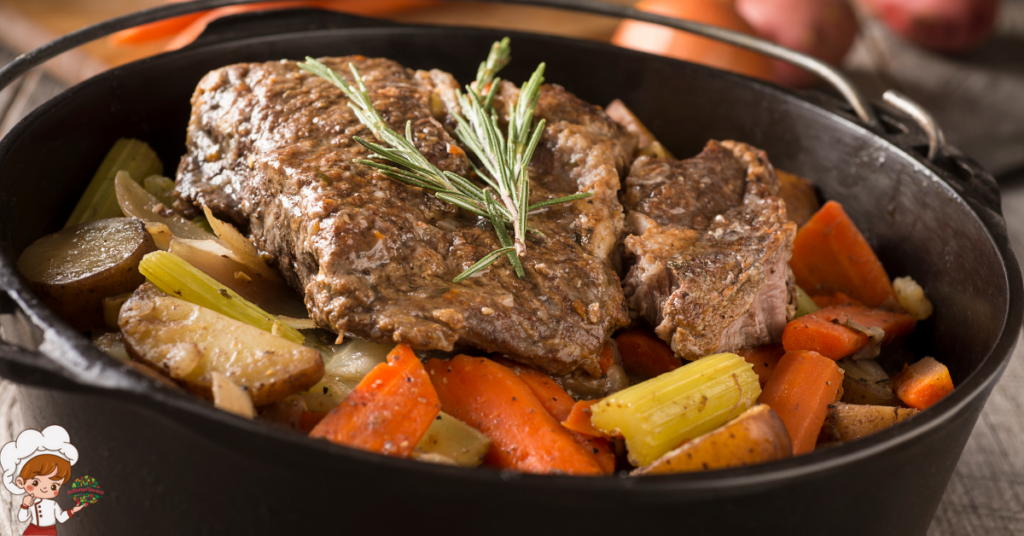
Slow Cooking Techniques For Pot Roast; Are you tired of spending hours in the kitchen, only to be disappointed with a tough and flavorless pot roast? Imagine sinking your fork into a succulent piece of meat that practically melts in your mouth, while the rich aromas of herbs and spices fill the air. Slow cooking techniques are the secret to achieving this culinary masterpiece.
By taking the time to cook your pot roast low and slow, you can transform even the toughest cuts of meat into tender, juicy perfection. But that’s not all – slow cooking also allows the flavors to develop and meld together, resulting in a dish that is bursting with deliciousness. Intrigued? Let’s explore why opting for slow cooking techniques for pot roast is a game-changer that will elevate your cooking to new heights.
Click Here and Turn Every Masterpiece into a Showstopper!
Tenderize Tough Cuts of Meat
To achieve tender and succulent pot roast, you need to employ various slow cooking techniques that effectively break down the tough fibers in cuts of meat. Tenderizing techniques play a crucial role in ensuring that your pot roast turns out perfectly cooked and delicious. Here are some essential cooking tips to tenderize tough cuts of meat.
One of the most effective tenderizing techniques is marinating. By marinating your meat in a mixture of acidic ingredients like vinegar, citrus juices, or yogurt, you can help break down the muscle fibers and connective tissues, resulting in a more tender pot roast. The acidic components in the marinade work to denature the proteins, allowing them to become more tender during the cooking process.
Another technique to consider is using a meat mallet to physically tenderize the meat. By pounding the meat with a mallet or a heavy-bottomed pan, you can mechanically break down the tough fibers, making the meat more tender and easier to eat.
Furthermore, consider using a slow cooker or a Dutch oven for cooking your pot roast. These cooking vessels allow for low and slow cooking, which helps to further break down the tough fibers in the meat. The long cooking time at a low temperature allows the collagen in the meat to dissolve into gelatin, resulting in a tender and moist pot roast.
Infuse Flavors Throughout the Roast
Infusing flavors throughout the roast enhances the depth and complexity of the dish, resulting in a truly memorable dining experience. Slow cooking techniques provide the perfect opportunity to achieve flavor infusion, allowing the ingredients to meld together harmoniously. Here are two ways in which slow cooking benefits the process of flavor infusion:
- Longer cooking time: Slow cooking techniques involve simmering the roast at a low temperature for an extended period. This extended cooking time allows the flavors from the ingredients to slowly infuse into the meat, resulting in a rich and robust taste. The low heat ensures that the flavors penetrate every fiber of the meat, ensuring a consistent and flavorful outcome.
- The slow and gentle cooking process breaks down the connective tissues in the meat, resulting in a tender and succulent texture. As the meat becomes more tender, it becomes more porous and receptive to the flavors of the surrounding ingredients.
- The slow cooking method also allows for the release of natural juices and fats from the meat, further enhancing the flavor profile. These juices and fats mix with the other ingredients, creating a luscious and flavorful sauce that coats the roast.
- Ingredient interaction: Slow cooking provides ample time for the ingredients to interact with each other, creating complex layers of flavor. As the roast simmers, the flavors from the herbs, spices, vegetables, and liquids meld together, intensifying and developing into a symphony of taste. The slow and steady process allows the flavors to blend and marry, resulting in a dish that is harmoniously balanced.
- The long cooking time also allows for the ingredients to release their natural flavors and aromas, which permeate the meat. The flavors from the herbs and spices infuse into the meat, creating a robust and aromatic taste.
Retain Moisture for a Juicy Result
As the roast simmers in the slow cooker, the gentle cooking process not only infuses flavors throughout the meat but also helps to retain its moisture, resulting in a succulent and juicy final dish. This slow cooking technique is what sets pot roast apart from other cooking methods and ensures that each bite is a tender and flavorful experience.
When you opt for slow cooking, you are allowing the meat to cook at a low temperature for an extended period of time. This slow and steady approach allows the collagen in the meat to break down slowly, resulting in a melt-in-your-mouth texture. The moisture that is locked within the meat is preserved and redistributed evenly, ensuring that each bite is juicy and succulent.
One of the main reasons why slow cooking retains moisture so effectively is the use of a tightly sealed lid. This prevents any steam from escaping, trapping it inside the slow cooker. As the steam circulates, it continually bastes the roast, keeping it moist and preventing it from drying out. The result is a tender and juicy roast that is bursting with flavor.
Another factor that contributes to the juicy perfection of slow-cooked pot roast is the marbling of fat throughout the meat. As the roast cooks slowly, the fat melts and infuses the meat with its rich flavors. This marbling not only adds depth to the taste but also contributes to the succulence of the final dish.
Click Here and Turn Every Masterpiece into a Showstopper!
Achieve a Melt-In-Your-Mouth Texture
Achieving a melt-in-your-mouth texture is the ultimate goal when slow cooking pot roast, resulting in a tender and succulent meat that practically dissolves on your tongue. To achieve tenderness and retain juiciness in your pot roast, there are several key techniques and factors to consider:
- Selecting the right cut of meat:
- Opt for cuts with marbling: Look for cuts such as chuck roast or brisket that have a marbled appearance. The fat within the meat will melt during the slow cooking process, adding flavor and contributing to the tender texture.
- Avoid lean cuts: Lean cuts of meat tend to become dry and tough when slow cooked for an extended period. Choose cuts with a higher fat content to ensure a moist and tender result.
- Proper seasoning and preparation:
- Season generously: Before searing the meat, generously season it with salt and pepper. This not only enhances the flavor but also helps to break down the protein fibers, resulting in a more tender end product.
- Searing the meat: Searing the meat before slow cooking helps to lock in the juices and create a flavorful crust. This step adds an extra layer of complexity to the final dish.
- Low and slow cooking:
- Slow cooking at a low temperature allows the collagen in the meat to break down, resulting in a tender texture. This process takes time but is well worth the wait.
- Moisture retention: Make sure to add enough liquid to the pot roast, such as beef broth or red wine, to keep the meat moist throughout the cooking process. The liquid will infuse the meat with flavor and prevent it from drying out.
Enhance the Natural Flavors of the Ingredients
To truly enhance the natural flavors of the ingredients, it is important to utilize various cooking techniques and ingredients that will bring out the best in your pot roast. Slow cooking techniques, such as braising or simmering, not only tenderize the meat but also enhance its taste by allowing the flavors to develop and intensify over time. By cooking the pot roast at a low temperature for an extended period, the meat becomes incredibly tender, while the flavors of the herbs, spices, and other ingredients infuse the dish.
One of the key benefits of slow cooking is that it preserves the nutrients in the ingredients. Unlike other cooking methods that may result in nutrient loss, slow cooking helps retain the natural goodness of the ingredients. The low and slow cooking process ensures that the vitamins, minerals, and other beneficial compounds are not destroyed, allowing you to enjoy a nutritious and flavorful pot roast.
In addition to slow cooking techniques, the choice of ingredients also plays a crucial role in enhancing the taste of the pot roast. Using high-quality ingredients, such as fresh herbs, aromatic spices, and flavorful stocks, will elevate the flavors of the dish. The combination of these ingredients creates a harmonious blend of flavors that complement and enhance the natural taste of the meat.
Furthermore, the slow cooking process allows the flavors to meld together, resulting in a rich and complex taste. The meat absorbs the flavors of the surrounding ingredients, creating a succulent and delicious pot roast. The longer cooking time also allows the flavors to penetrate deeply into the meat, resulting in a more flavorful and satisfying dish.
Create a Rich and Savory Gravy
Creating a rich and savory gravy is essential to elevating the flavor profile of your pot roast. By carefully simmering the juices and drippings from the slow-cooked meat, you can enhance the natural flavors and create a luscious, velvety texture. This step not only adds depth to the dish but also provides a time-saving convenience, as you can prepare the gravy while the meat rests, ensuring a delicious and satisfying meal.
Click Here and Turn Every Masterpiece into a Showstopper!
Enhanced Flavor Profile
For a pot roast with an enhanced flavor profile, infuse your gravy with rich and savory notes that will elevate the taste of every bite. Slow cooking benefits and flavor infusion techniques play a crucial role in achieving a delicious and satisfying gravy. Here’s how you can create a gravy that will leave your taste buds wanting more:
- Utilize the drippings: Slow cooking allows the flavors from the roast to seep into the cooking liquid, creating a concentrated and flavorful base for your gravy.
- Add aromatic ingredients: Enhance the depth of flavor by including aromatic vegetables like onions, garlic, and carrots. Their natural sweetness and savory undertones will complement the richness of the roast.
- Use herbs and spices: Sprinkle in a blend of herbs like rosemary, thyme, and bay leaves to infuse your gravy with earthy and fragrant notes.
- Experiment with different liquids: Consider using red wine, beef broth, or a combination of both to add complexity and enhance the overall taste of your gravy.
Tender Meat Texture
Slow cooking techniques not only enhance the flavor profile of your pot roast, but they also help to create a tender meat texture that is perfect for creating a rich and savory gravy. When you slow cook a pot roast, the low and slow heat gently breaks down the tough connective tissues in the meat, resulting in a melt-in-your-mouth tenderness.
The slow cooking process allows the collagen in the meat to break down into gelatin, which gives the meat a velvety texture. This tender texture is essential for creating a luscious gravy, as the gelatin helps to thicken and enrich the sauce. Additionally, the slow cooking benefits extend beyond just tenderness. The long cooking time allows the flavors to meld together, resulting in a deeply flavorful and satisfying pot roast.
Time-Saving Convenience
To achieve time-saving convenience while creating a rich and savory gravy, employ smart techniques in your slow cooking process. By utilizing these time-saving techniques, you can enjoy the convenience and efficiency of preparing a delicious pot roast with minimal effort. Here are some tips to help you create a flavorful gravy without sacrificing time:
- Use a slow cooker with a built-in timer to ensure that your pot roast cooks for the perfect amount of time without requiring constant monitoring.
- Opt for pre-cut vegetables and pre-packaged seasoning mixes to save time on preparation.
- Utilize cooking shortcuts like browning the meat and sautéing the vegetables beforehand to enhance flavors without adding extra cooking time.
- Take advantage of thickening agents like cornstarch or flour to quickly thicken your gravy without the need for extended simmering.
- Consider using a gravy separator to easily remove excess fat, saving you time and effort.
Save Time by Letting the Slow Cooker Do the Work
If you’re looking to save time in the kitchen, the slow cooker is your best friend. This time-saving cooking method allows you to simply place the pot roast in the slow cooker and let it simmer for hours on end. The slow cooker’s convenience is unmatched, as it does all the work for you while you go about your day.
Time-Saving Cooking Method
By utilizing the time-saving cooking method of letting the slow cooker do the work, you can effortlessly prepare a delicious pot roast without the need for constant monitoring or extensive hands-on cooking. This cooking technique allows you to save valuable time and energy, making it perfect for busy individuals or those who simply want a hassle-free cooking experience. Here are some reasons why this time-saving method is worth considering:
- Set it and forget it: Once you have prepared the ingredients and set the slow cooker, you can go about your day without worrying about tending to the pot roast. The slow cooker will take care of the cooking process, allowing you to focus on other tasks.
- Flavor infusion: Slow cooking allows the flavors to meld together, resulting in a tender and flavorful pot roast. The long, slow cooking process allows the meat to become incredibly tender and the flavors to develop and intensify. The end result is a pot roast that is bursting with rich and savory flavors.
With the time-saving cooking method of using a slow cooker, you can achieve a delicious pot roast without the need for constant supervision. This technique not only saves you time, but it also infuses the meat with incredible flavors. So go ahead, let the slow cooker do the work and enjoy a mouthwatering pot roast with minimal effort.
Letting the Pot Roast Simmer
As the slow cooker continues to work its magic, the pot roast is allowed to simmer and develop its rich flavors, saving you time and effort in the process. Simmering is a cooking technique that involves cooking food in liquid at a low and steady heat. This method is particularly beneficial for pot roast because it allows the meat to become tender and juicy while infusing it with the flavors of the cooking liquid.
The slow cooking advantages of simmering include enhanced flavor development, as the long cooking time allows the ingredients to blend and intensify. Additionally, simmering helps to break down tough connective tissues in the meat, resulting in a melt-in-your-mouth texture. By letting the pot roast simmer, you can enjoy a delicious and effortlessly cooked meal that is bursting with flavor.
Click Here and Turn Every Masterpiece into a Showstopper!
Slow Cooker Convenience
Let the slow cooker take charge and save you time by effortlessly doing the work for you. The convenience of using a slow cooker for pot roast is undeniable. Here are the benefits of using a slow cooker for easy meal preparation:
- Set it and forget it: Once you’ve assembled the ingredients and set the cooking time, the slow cooker will do all the work while you go about your day. No need to constantly monitor or adjust the heat.
- Time-saving: With a slow cooker, you can prepare your pot roast in the morning and come home to a delicious, tender meal in the evening. This allows you to spend your time on other tasks or simply relax after a long day.
The slow cooker provides an efficient and effortless way to prepare a pot roast. By letting it do the work for you, you can enjoy the benefits of easy meal preparation without sacrificing flavor or tenderness.
Cook the Pot Roast While You’re Away From Home
To effortlessly cook a delicious pot roast while you’re away from home, consider utilizing the convenience of a slow cooker. Slow cookers are the perfect tool for busy individuals who want to enjoy a home-cooked meal without spending hours in the kitchen. One of the greatest advantages of using a slow cooker is the ability to cook pot roast overnight, allowing you to wake up to a tender and flavorful dish.
When it comes to cooking pot roast in a slow cooker, there are various recipes to choose from. A popular slow cooker pot roast recipe involves searing the meat before placing it in the slow cooker along with vegetables, broth, and seasonings. This method helps to lock in the flavors and create a rich and savory dish. By simmering the pot roast on low heat for several hours, the meat becomes incredibly tender and the flavors meld together beautifully.
Cooking pot roast overnight in a slow cooker offers several benefits. Firstly, it saves you time and effort as you can simply prepare the ingredients, set the slow cooker, and leave it to cook while you attend to other tasks or get a good night’s sleep. Secondly, slow cooking allows the flavors to develop and intensify, resulting in a more delicious and satisfying pot roast. Lastly, the slow cooking process breaks down the connective tissues in the meat, resulting in a tender and melt-in-your-mouth texture.
Enjoy a Hands-Off Cooking Experience
For a truly hands-off cooking experience, utilize the convenience of a slow cooker to effortlessly prepare a delicious pot roast. With slow cooking techniques, you can enjoy the benefits of hands-free cooking while still achieving flavorful results.
- Slow cookers are designed to provide a set-it-and-forget-it approach to cooking. Once you’ve prepared your pot roast and set the cooking time and temperature, you can simply walk away and let the slow cooker do the work for you. This means you can go about your day or even sleep through the night while your pot roast cooks to perfection.
- The low and slow cooking method employed by slow cookers allows the flavors of the ingredients to meld together over an extended period of time. This results in a tender and succulent pot roast with rich and deep flavors. The slow cooking process also allows the connective tissues in the meat to break down, resulting in a melt-in-your-mouth texture that is hard to achieve with other cooking methods.
Reduce the Risk of Overcooking or Drying Out the Meat
oy slow cooking techniques that ensure a moist and tender result. By allowing the pot roast to cook slowly over a low heat, the meat will have ample time to break down and become tender, retaining its natural juices. This method also enhances the flavor of the meat, as the low and slow cooking process allows the flavors to develop and meld together. Overall, utilizing slow cooking techniques for pot roast is not only a time-saving method, but it also guarantees a delicious and succulent end result.
Moist and Tender
Achieving moist and tender pot roast requires careful cooking techniques that minimize the risk of overcooking or drying out the meat. Slow cooking is the key to preserving the natural moisture of the meat and ensuring a tender texture. Here’s why slow cooking benefits the moisture retention and tenderness of pot roast:
- Low and slow: Cooking the pot roast at a low temperature for a longer period allows the connective tissues in the meat to break down slowly, resulting in a tender and juicy roast.
- Moisture trap: The slow cooking process helps to trap and retain the natural juices of the meat, preventing it from drying out. The enclosed environment of a slow cooker or Dutch oven helps to seal in the moisture, resulting in a succulent pot roast.
Enhanced Flavor
Slow cooking techniques not only help to achieve moist and tender pot roast, but they also enhance the flavor while reducing the risk of overcooking or drying out the meat. When you cook pot roast slowly, the flavors have more time to develop and meld together, resulting in an enhanced taste that is rich and deep. The low and slow cooking process allows the flavors from the meat, vegetables, and seasonings to infuse and intensify, creating a delicious and satisfying dish.
Additionally, the gentle heat of slow cooking ensures that the meat retains its moisture, preventing it from becoming dry and tough. This culinary technique not only provides enhanced flavor but also offers numerous other benefits, making it a preferred method for cooking pot roast.
Click Here and Turn Every Masterpiece into a Showstopper!
Time-Saving Method
By using a time-saving method, you can reduce the risk of overcooking or drying out the meat in your pot roast. Slow cooking techniques offer a convenient way to achieve a delicious and tender pot roast without constant monitoring. Here’s why it is a time-saving convenience and provides a hands-off cooking experience:
- Set it and forget it: Once you’ve prepared your pot roast and set it in the slow cooker, you can simply let it cook on its own. This allows you to focus on other tasks or even leave the house without worrying about the meat becoming overcooked or drying out.
- Even heat distribution: Slow cookers provide consistent and even heat distribution, ensuring that the meat is cooked evenly throughout. This eliminates the need for constant stirring or adjusting the temperature, saving you time and effort.
Cook Large Cuts of Meat Evenly
To ensure a perfectly cooked pot roast, it is essential to employ techniques that promote even cooking throughout the entire cut of meat. Cooking large cuts of meat evenly can be a challenge, but with the slow cooking method, you can achieve consistent, tender, and flavorful results.
When you cook meat slowly, it allows the heat to penetrate evenly into the meat, ensuring that every part of the roast is cooked to perfection. This is especially important when dealing with large cuts of meat, as they tend to have varying thicknesses and densities. By cooking the roast slowly, you give the heat enough time to reach the center of the meat, resulting in an evenly cooked roast from edge to edge.
One of the key benefits of slow cooking large cuts of meat is that it helps break down tough connective tissues and collagen, resulting in tender and juicy meat. The slow and gentle heat helps to convert these tough proteins into gelatin, which adds richness and depth of flavor to the roast. Additionally, the slow cooking method allows the flavors from the seasonings and other ingredients to infuse into the meat, creating a delicious and well-rounded dish.
Another advantage of cooking large cuts of meat evenly is that it prevents overcooking or undercooking certain parts of the roast. By using a slow cooking technique, you can ensure that the roast is cooked to the desired level of doneness throughout. This is particularly important for pot roasts, where achieving a moist and tender result is crucial.
Make Use of Cheaper Cuts of Meat
When it comes to slow cooking techniques for pot roast, one of the key advantages is the ability to make use of cheaper cuts of meat. These cost-effective meat options not only help you stay within your budget, but they also offer a range of affordable protein choices. By utilizing cheaper cuts, you can still enjoy a delicious and tender pot roast without breaking the bank.
Cost-Effective Meat Options
For a truly economical meal, consider utilizing cheaper cuts of meat when preparing your pot roast in a slow cooker. By opting for cost-effective cooking methods, you can create delicious and budget-friendly meal options that don’t compromise on flavor or tenderness. Here are two sub-lists to help you make the most of your meat choices:
- Tougher Cuts:
- Chuck roast: This cut comes from the shoulder area and is marbled with fat, making it perfect for slow cooking. It becomes tender and flavorful as it cooks slowly.
- Brisket: Known for its rich flavor, brisket is a tougher cut that becomes incredibly tender when cooked low and slow. It’s ideal for pot roast recipes.
- Less Expensive Options:
- Shoulder roast: This cut is often less expensive than other roasts but offers great flavor when slow-cooked. It’s also versatile and can be used in various recipes.
- Round roast: This leaner cut may require a longer cooking time but rewards you with a flavorful and cost-effective pot roast.
Budget-Friendly Cuts
If you’re looking to make the most of your budget while still enjoying a delicious and succulent pot roast, consider exploring the realm of budget-friendly cuts of meat. When it comes to pot roast, there are several economical meat options that can deliver great flavor and tenderness without breaking the bank. One such option is the chuck roast, which comes from the shoulder area of the cow. It is known for its rich marbling and connective tissue, which when slow cooked, breaks down and creates a moist and flavorful roast.
Another budget-friendly option is the round roast, which comes from the hindquarters of the cow. Although it is leaner than the chuck roast, it can still be tender and flavorful when cooked using budget-friendly cooking methods such as slow cooking. By choosing these budget-friendly cuts of meat and utilizing slow cooking techniques, you can create a mouthwatering pot roast that is both delicious and affordable.
Affordable Protein Choices
Looking to create a budget-friendly pot roast without compromising on taste and tenderness? Consider exploring the realm of affordable protein choices by making use of cheaper cuts of meat. By opting for cost-effective meat choices, you can still enjoy a delicious and satisfying pot roast while keeping your wallet happy. Here are some affordable protein options to consider:
- Chuck roast: This cut is flavorful and perfect for slow cooking. It becomes tender and juicy when braised for an extended period of time, making it an ideal choice for pot roast.
- Brisket: Known for its rich flavor, brisket is a less expensive cut that can be transformed into a melt-in-your-mouth pot roast with slow cooking techniques.
- Bottom round roast: This lean cut is a more affordable option that can still yield a tender and flavorful pot roast when cooked low and slow.
Develop Complex Flavors Over a Longer Cooking Time
To create a pot roast with rich, multidimensional flavors, allow it to simmer slowly over an extended period of time. This slow cooking technique is essential for developing flavors and offers numerous benefits that contribute to the overall taste and texture of the dish.
When pot roast is cooked slowly, the collagen in the meat breaks down gradually, resulting in a tender and succulent texture. This extended cooking time allows the flavors to meld together, creating a harmonious and complex taste profile. As the roast simmers, the connective tissues and marbled fat melt away, infusing the meat with moisture and adding richness to the dish.
Additionally, the slow cooking process allows the flavors of the ingredients to intensify. The aromas of the herbs, spices, and vegetables used in the pot roast become more pronounced as they have time to release their essential oils and flavors into the dish. The long simmering time also allows the flavors to penetrate the meat, resulting in a deeply infused and flavorful roast.
Another benefit of slow cooking is that it allows for better control of the cooking process. The low and slow method ensures that the meat cooks evenly and consistently, preventing overcooking or drying out. This gentle heat also allows for the development of a caramelized crust on the exterior of the roast, adding depth and complexity to the overall flavor profile.
Click Here and Turn Every Masterpiece into a Showstopper!
Create a Comforting and Hearty Meal
As the pot roast slowly cooks, developing its rich flavors and tender texture, it transforms into a comforting and hearty meal that is sure to satisfy even the heartiest of appetites. The slow cooking process allows the flavors to meld together, resulting in a dish that is bursting with savory goodness. Here are some reasons why slow cooking techniques create such satisfying and hearty meals:
- Retains Moisture: By cooking the pot roast slowly in a sealed environment, such as a slow cooker, the moisture is locked in, preventing the meat from drying out. This ensures that each bite is succulent and juicy, making for an incredibly satisfying eating experience.
- Enhances Flavor: The slow cooking process allows the ingredients to slowly release their flavors, resulting in a rich and complex taste. The combination of the tender meat, aromatic herbs, and savory broth creates a harmonious blend of flavors that is truly comforting to the palate.
- Tenderizes the Meat: Slow cooking allows the collagen in the meat to break down gradually, resulting in a melt-in-your-mouth texture. The long cooking time helps to tenderize tougher cuts of meat, transforming them into tender and fork-tender bites that are incredibly satisfying to chew.
- Convenience and Ease: Slow cooking techniques, such as using a slow cooker, offer the convenience of set-it-and-forget-it cooking. This makes it perfect for busy individuals who want to come home to a hearty and comforting meal without having to spend hours in the kitchen.
Impress Your Guests With a Perfectly Cooked Pot Roast
Impress your guests with a pot roast that is perfectly cooked to tender, succulent perfection. The secret lies in utilizing slow cooking techniques that allow for the flavors to meld together and the meat to become irresistibly tender. Slow cooking is a method that requires patience and time, but the end result is well worth the wait.
When it comes to cooking a pot roast, the slow cooking technique is essential for achieving the desired outcome. By cooking the roast at a low temperature for an extended period, the collagen in the meat breaks down, resulting in a melt-in-your-mouth texture. This slow and steady cooking process allows the flavors to develop and infuse into every bite.
To start, sear the roast on all sides to lock in the juices and create a flavorful crust. Then, place it in a slow cooker or Dutch oven along with aromatic vegetables, such as onions, carrots, and garlic. Add a liquid, such as beef broth or red wine, to keep the pot roast moist during the cooking process. Set the temperature to low and let it cook for several hours, allowing the flavors to intensify and the meat to become tender.
The beauty of slow cooking is that it allows you to walk away and attend to other tasks while the pot roast cooks. The low and slow method ensures that the meat is cooked evenly and thoroughly, resulting in a tender and delicious pot roast that will impress your guests.
Click Here and Turn Every Masterpiece into a Showstopper!
Frequently Asked Questions: Slow Cooking Techniques For Pot Roast
How Long Does It Typically Take to Cook a Pot Roast Using Slow Cooking Techniques?
To achieve a tender pot roast using slow cooking techniques, it typically takes several hours. The long cooking time allows the meat to become tender and infused with delicious flavors.
What Are Some Recommended Cheaper Cuts of Meat to Use for Pot Roast?
For a pot roast, recommended cuts of meat include chuck roast, brisket, and rump roast. These cuts are cheaper and have more connective tissue, which breaks down during slow cooking, resulting in a tender and flavorful roast. The cooking time for these cuts can range from 3 to 8 hours, depending on the size and desired tenderness.
Can I Add Additional Ingredients, Such as Vegetables, to the Slow Cooker While Cooking the Pot Roast?
When you add vegetables to the pot roast during slow cooking, it enhances the flavor and texture. Slow cooking techniques for pot roast ensure that the meat becomes tender and juicy, resulting in a mouthwatering and satisfying meal.
Are There Any Specific Seasonings or Spices That Work Best for Enhancing the Natural Flavors of the Ingredients?
Using the right seasonings for enhancing flavors in your pot roast is crucial. Slow cooking techniques allow the flavors to develop and meld together, resulting in a tender and flavorful dish.
What Are Some Tips for Achieving a Rich and Savory Gravy When Cooking a Pot Roast Using Slow Cooking Techniques?
To achieve a rich and savory gravy when slow cooking pot roast, you can thicken it without flour or cornstarch by using alternative ingredients like arrowroot or tapioca starch. Additionally, you can enhance the flavor by adding red wine or Worcestershire sauce.

Conclusion
In conclusion, opting for slow cooking techniques for pot roast offers numerous benefits. It tenderizes tough cuts of meat, infuses flavors throughout the roast, and retains moisture for a juicy result. The longer cooking time allows for the development of complex flavors, enhancing the natural taste of the ingredients. Additionally, using cheaper cuts of meat can still result in a comforting and hearty meal that will impress your guests. Embrace the slow cooking method and enjoy a perfectly cooked pot roast every time.