Six Easy Essential Meal Prep Tips For Weightlifters
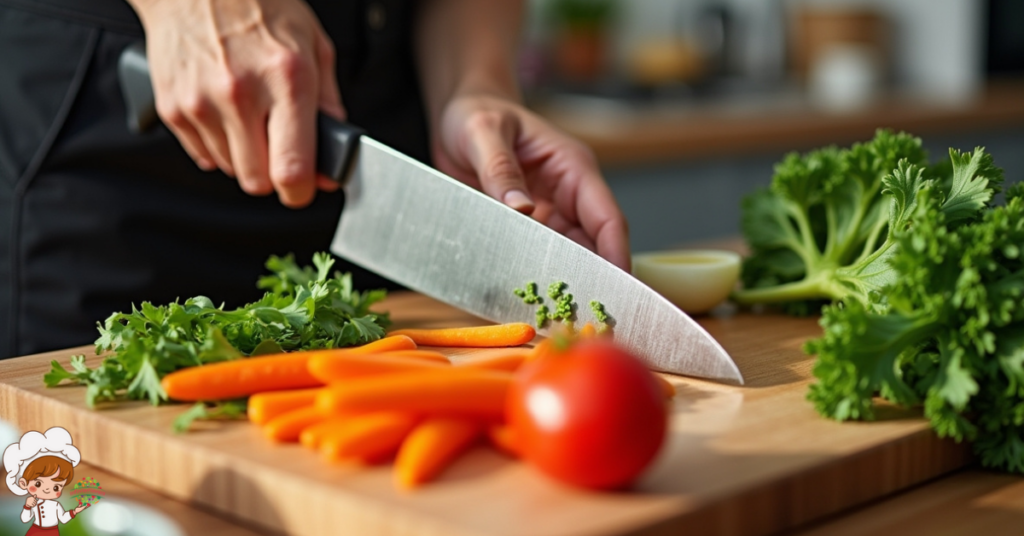
Essential Meal Prep Tips For Weightlifters; As a weightlifter, your body is a finely tuned machine, constantly pushing itself to new limits. Just like a well-oiled engine requires the right fuel to perform at its best, your body needs the proper nutrition to support your intense workouts. That’s where meal prep comes in.
By taking the time to plan and prepare your meals in advance, you can ensure that you have the necessary nutrients to fuel your workouts and aid in recovery. But where do you start? In this discussion, we will explore six essential meal prep tips that will help you optimize your nutrition, boost your performance, and achieve your fitness goals. Get ready to take your training to the next level.
We’ve Got Everything You Need to Make Your Masterpiece.
Set Your Goals and Plan Accordingly
Setting clear goals and planning accordingly is essential for weightlifters looking to maximize their performance and achieve their desired results. Goal setting provides direction and motivation, while meal planning ensures that you are fueling your body with the right nutrients at the right times. When it comes to goal setting, it’s important to be specific, measurable, achievable, relevant, and time-bound (SMART). Identify what you want to achieve, whether it’s increasing strength, building muscle, or improving overall fitness. Once you have your goals in mind, you can then create a meal plan that supports your training and helps you reach those goals.
Meal planning plays a crucial role in helping weightlifters meet their nutritional needs. By planning your meals in advance, you can ensure that you are consuming the right balance of macronutrients (carbohydrates, proteins, and fats) to support your training and recovery. Start by determining your daily calorie and macronutrient needs based on your goals. From there, divide your meals and snacks throughout the day to ensure a steady supply of energy and nutrients. Include a variety of whole foods such as lean proteins, complex carbohydrates, and healthy fats to meet your nutritional needs. Consider prepping your meals in advance, such as cooking in bulk and portioning out meals for the week, to save time and stay on track.
Remember to listen to your body and make adjustments to your goals and meal plan as needed. Everyone’s needs and preferences are different, so it’s important to find what works best for you. Stay consistent with your goal setting and meal planning, and you’ll be on your way to maximizing your performance and achieving your desired results.
Choose the Right Macronutrient Balance
When it comes to optimizing your meal plan for weightlifting, an important factor to consider is choosing the right macronutrient balance. Macronutrients are the three main components of our diet: carbohydrates, proteins, and fats. Each macronutrient plays a crucial role in supporting your weightlifting goals.
To determine the ideal macronutrient ratios for your meal plan, it is important to consider your specific goals and body composition. If you are aiming for muscle growth and strength gains, a higher protein intake is essential. Protein provides the building blocks for muscle repair and growth. Aim for a ratio of 1.2-2 grams of protein per kilogram of body weight per day.
Carbohydrates are the primary source of fuel for your workouts. They provide the energy needed to perform at your best. For weightlifters, a moderate to high carbohydrate intake is recommended. Aim for a ratio of 45-65% of your total caloric intake.
Fats are an important component of your diet as they support hormone production and provide essential fatty acids. Aim for a ratio of 20-35% of your total caloric intake. Opt for healthy fats such as avocados, nuts, and olive oil.
Tracking your progress is crucial in order to make adjustments to your macronutrient ratios. Keep a record of your meals and track your body composition and performance in the gym. If you are not seeing the desired results, you may need to adjust your macronutrient balance.
Prioritize Lean Protein Sources
To optimize your meal plan for weightlifting, it is crucial to prioritize lean protein sources. Protein is an essential macronutrient for muscle growth and repair, making it a key component of a weightlifting diet. When it comes to meal prep tips, focusing on lean protein sources will provide you with the necessary nutrients to support your training and achieve your fitness goals.
Including lean protein sources in your meals is not only beneficial for muscle growth but also for weight management. Lean proteins are typically low in calories and high in protein content, making them ideal for weightlifters who want to build muscle while maintaining a lean physique. Some excellent options for lean protein sources include skinless chicken breast, turkey breast, lean cuts of beef, fish, tofu, and Greek yogurt.
Meal prepping with lean protein sources can help you save time and ensure that you have a nutritious meal ready to go after your workouts. Cook a batch of chicken breast or turkey breast at the beginning of the week, divide it into individual portions, and store it in the refrigerator or freezer. This way, you can easily grab a portion and pair it with some vegetables or whole grains for a balanced meal.
Additionally, incorporating a variety of lean protein sources into your meal plan can prevent boredom and provide a wide range of essential amino acids. Experiment with different types of lean proteins to keep your meals interesting and maximize the nutritional benefits.
We’ve Got Everything You Need to Make Your Masterpiece.
Incorporate a Variety of Vegetables
Incorporating a variety of vegetables into your meal prep is essential for maximizing nutritional intake and supporting your weightlifting goals. Vegetables offer a wide range of nutrients that are vital for muscle growth, recovery, and overall health. When it comes to meal prepping, having different vegetable options ensures that you get a diverse array of vitamins, minerals, and antioxidants.
One of the key benefits of incorporating a variety of vegetables is that they provide different nutrients. For example, leafy greens like spinach and kale are rich in iron and calcium, which are important for maintaining healthy bones and muscles. On the other hand, brightly colored vegetables such as bell peppers and carrots are packed with antioxidants like vitamin C and beta-carotene, which help fight inflammation and support immune function.
Another advantage of including a variety of vegetables in your meal prep is that they add flavor, texture, and color to your meals. This can make your meals more enjoyable and help you stick to your nutrition plan. Experiment with different vegetables like broccoli, cauliflower, zucchini, and eggplant to add variety and excitement to your plate.
When selecting vegetables for your meal prep, aim for a mix of both starchy and non-starchy options. Starchy vegetables like sweet potatoes and corn provide a good source of carbohydrates, which are essential for energy during weightlifting sessions. Non-starchy vegetables, such as cucumbers and mushrooms, are low in calories and can help you feel full without adding extra calories to your meals.
Opt for Complex Carbohydrates
To further enhance the nutritional value of your meal prep as a weightlifter, it is important to prioritize complex carbohydrates. These carbohydrates provide a steady release of energy, keeping you fueled throughout your workouts and aiding in muscle recovery. Here are three complex carbohydrate choices you should consider when planning your meals:
- Whole Grains: Opt for whole grains such as brown rice, quinoa, and whole wheat bread. These options are rich in fiber, vitamins, and minerals, providing sustained energy and promoting digestive health. Incorporate these grains into your meals as a side dish or as a base for your protein and vegetable bowls.
- Sweet Potatoes: Swap regular potatoes for sweet potatoes in your meal prep. Sweet potatoes are packed with complex carbohydrates, fiber, and beta-carotene, which is converted into vitamin A in the body. They are also lower on the glycemic index, meaning they have a slower impact on blood sugar levels compared to regular potatoes.
- Legumes: Include legumes such as lentils, chickpeas, and black beans in your meal prep. Legumes are not only a great source of complex carbohydrates but also provide a good amount of plant-based protein. They are also rich in fiber, vitamins, and minerals, making them an excellent addition to your meals.
When incorporating these complex carbohydrate choices into your meal prep, consider cooking larger batches and portioning them out for the week. This will save you time and ensure that you have healthy options readily available. Additionally, make sure to pair your complex carbohydrates with lean protein and plenty of vegetables to create a well-balanced and nutritious meal. By prioritizing complex carbohydrates in your meal prep, you can optimize your energy levels and support your weightlifting goals.
Don’t Forget About Healthy Fats
Including healthy fats in your meal prep as a weightlifter is essential for optimal performance and overall well-being. While carbohydrates provide energy, healthy fats offer a range of benefits that support muscle growth, reduce inflammation, and improve hormone regulation.
Firstly, healthy fats are an excellent source of energy. They contain more than twice the amount of energy as carbohydrates and protein, making them ideal for weightlifters who require sustained energy during intense workouts. Incorporating healthy fats into your meals can help you maintain energy levels and improve endurance.
Additionally, healthy fats play a crucial role in muscle growth and repair. They provide the building blocks for the production of anabolic hormones, such as testosterone, which are essential for muscle development. Including healthy fats in your meal prep can enhance muscle protein synthesis and promote muscle recovery after intense weightlifting sessions.
Moreover, healthy fats have anti-inflammatory properties. Omega-3 fatty acids, found in foods like fatty fish, walnuts, and flaxseeds, help reduce inflammation in the body. Intense weightlifting can cause muscle damage and inflammation, so incorporating these fats into your diet can aid in reducing post-workout soreness and improve recovery time.
To ensure you’re getting enough healthy fats in your meal prep, include foods such as avocados, nuts, seeds, olive oil, and fatty fish like salmon or tuna. These sources provide a good balance of monounsaturated and polyunsaturated fats, which are beneficial for heart health and overall well-being.
We’ve Got Everything You Need to Make Your Masterpiece.
Portion Control Is Key
When it comes to meal prep for weightlifters, portion control is key. Understanding the importance of serving sizes can help you maintain a balanced diet and achieve your fitness goals. By balancing your macronutrients, you can ensure you’re getting the right amount of protein, carbohydrates, and fats to fuel your workouts and aid in muscle recovery.
Serving Size Importance
Serving size plays a crucial role in weightlifting meal prep, as portion control is key to achieving your fitness goals. By following serving size guidelines and incorporating meal prep hacks, you can ensure that you are fueling your body with the right amount of nutrients. Here are three important reasons why serving size is important:
- Calorie management: Knowing the appropriate serving size allows you to control your calorie intake. This is crucial for weightlifters who need to maintain a calorie surplus to support muscle growth and repair.
- Macronutrient balance: Proper portion control ensures that you are consuming the right amounts of protein, carbohydrates, and fats. This balance is essential for optimizing performance and recovery.
- Avoid overeating: Eating larger portions than necessary can lead to overconsumption of calories, which can hinder your weightlifting progress. By sticking to appropriate serving sizes, you can avoid unnecessary weight gain and maintain a healthy body composition.
Balancing Macronutrients
To achieve optimal performance and support your weightlifting goals, it is crucial to maintain a balanced macronutrient intake through portion control. Balancing macronutrients involves ensuring that you are getting the right amounts of protein, carbohydrates, and fats in your meals. Portion control plays a key role in achieving this balance.
One way to ensure proper portion control is by using measuring cups or a food scale to accurately measure your food. This will help you track your macronutrient intake and ensure that you are consuming the right amount of each nutrient.
Another effective method is to use mobile apps or online trackers that allow you to input the foods you eat and calculate the macronutrients in your meals. These tools can help you monitor and adjust your macronutrient intake based on your specific goals.
Invest in Quality Food Storage Containers
Investing in high-quality food storage containers is essential for weightlifters looking to maximize the effectiveness of their meal prep. Proper storage of meals is crucial for maintaining freshness, preventing contamination, and ensuring that your carefully prepared meals stay intact. Here are three reasons why investing in quality food storage containers should be a top priority for weightlifters:
- Preserve the Nutritional Value: Quality food storage containers are designed to keep your meals fresh and nutritious. They are made from durable materials that can withstand high temperatures, preventing any chemical leaching into your food. This means your meals will retain their vitamins, minerals, and macronutrient content, ensuring that you get the most out of your carefully planned meal prep.
- Prevent Cross-Contamination: Using separate containers for different types of food is essential to avoid cross-contamination and maintain food safety. High-quality food storage containers come with tight-fitting lids to prevent any leaks or spills, reducing the risk of bacteria growth and foodborne illnesses. This is especially important for weightlifters who consume a variety of protein sources, as cross-contamination can lead to food poisoning and negatively impact performance.
- Portion Control and Convenience: Investing in food storage containers that are specifically designed for meal prep can help you maintain portion control and save time. These containers often come with compartments and dividers, allowing you to separate different food items and control portion sizes. Additionally, they are microwave and dishwasher safe, making reheating and cleaning a breeze.
Schedule Dedicated Meal Prep Time
To effectively streamline your meal prep process and ensure consistency in your nutrition, it is important to establish a dedicated schedule for meal prep. By setting aside specific times each week for meal prep, you can save time and make healthier choices that align with your weightlifting goals.
One of the key benefits of having a dedicated meal prep schedule is that it helps you stay organized and efficient. When you know exactly when you will be preparing your meals, you can plan your grocery shopping accordingly and ensure you have all the ingredients you need. This eliminates the need for last-minute trips to the store and reduces the chances of grabbing unhealthy, convenience foods.
Moreover, having a dedicated meal prep schedule allows you to prioritize your nutrition. As a weightlifter, your diet plays a crucial role in supporting your training and recovery. By dedicating specific time slots for meal prep, you can focus on preparing nutrient-dense meals that are specifically tailored to your needs. This means incorporating lean proteins, complex carbohydrates, and healthy fats to fuel your workouts and promote muscle growth.
Consistency is key when it comes to achieving your weightlifting goals. By scheduling dedicated meal prep time, you are ensuring that you have access to nutritious meals throughout the week. This consistency in your nutrition will not only enhance your performance in the gym but also support optimal recovery and muscle development.
We’ve Got Everything You Need to Make Your Masterpiece.
Cook in Bulk and Freeze for Later
By cooking in bulk and freezing your meals for later, you can maximize your efficiency in meal prep and ensure that you always have nutritious options readily available to support your weightlifting goals. This method of meal prep offers several benefits, including saving time, reducing waste, and maintaining a healthy diet. Here are three reasons why cooking in bulk and freezing meals can be a game-changer for weightlifters:
- Time-saving: Cooking in bulk allows you to prepare several meals at once, saving you time throughout the week. Instead of spending hours in the kitchen every day, you can dedicate a few hours on a specific day to cook all your meals for the week. This not only frees up your schedule but also eliminates the stress of having to cook after a tiring workout.
- Reducing waste: By cooking in bulk, you can purchase ingredients in larger quantities, which often come at a lower cost. This not only saves you money but also reduces food waste. Additionally, freezing meals prevents them from spoiling, allowing you to extend their shelf life and avoid throwing away unused food.
- Maintaining a healthy diet: With pre-prepared meals in the freezer, you always have nutritious options on hand. This makes it easier to resist the temptation of unhealthy fast food or convenience snacks when you’re hungry and short on time. By having a variety of bulk meal ideas, such as grilled chicken with roasted vegetables or lean ground turkey with quinoa and steamed broccoli, you can ensure that your meals are balanced and support your weightlifting goals.
Make Use of Time-Saving Kitchen Gadgets
One way to streamline your meal prep process and save valuable time is by incorporating time-saving kitchen gadgets. These smart kitchen tools can make a significant difference in your meal prep routine, allowing you to prepare nutritious meals efficiently. By using these gadgets, you can cut down on the time spent chopping, slicing, and cooking, making your meal prep experience much more manageable.
One of the time-saving meal prep hacks is investing in a food processor. This versatile gadget can quickly chop vegetables, shred cheese, and even knead dough. By letting the food processor do the hard work for you, you can save precious minutes during your meal prep sessions.
Another useful tool is a slow cooker or instant pot. These appliances allow you to prepare meals in advance and let them cook slowly throughout the day. With minimal effort, you can have a delicious and nutritious meal waiting for you after your weightlifting session. Not only does it save you time, but it also enhances the flavors of your dishes.
A pressure cooker is also a fantastic addition to your kitchen arsenal. It can significantly reduce cooking time while keeping the flavors intact. With a pressure cooker, you can cook tender meats and flavorful stews in a fraction of the time it would take using traditional cooking methods.
Additionally, investing in a good quality blender can help you make quick and nutritious smoothies or protein shakes. This time-saving gadget allows you to whip up a post-workout snack in seconds, saving you from spending unnecessary time and effort.
We’ve Got Everything You Need to Make Your Masterpiece.
Stay Organized With a Meal Prep Schedule
Staying organized with a meal prep schedule is essential for weightlifters looking to efficiently fuel their bodies and reach their fitness goals. Meal prep allows you to plan and prepare your meals in advance, ensuring that you have nutritious options readily available throughout the week. Here are three meal prep tips to help you stay organized and make the most of your meal planning:
- Plan your meals ahead of time: Take some time each week to plan out your meals and create a shopping list. This will help you stay focused and ensure that you have all the necessary ingredients on hand. Consider your fitness goals and choose meals that are high in protein and packed with nutrients to support muscle growth and recovery.
- Batch cook and portion your meals: Once you have your meals planned, spend a few hours on the weekend to cook and portion them out for the week. Use containers that are easy to stack and store in the fridge or freezer. Having pre-portioned meals makes it convenient to grab and go, saving you time and preventing you from making unhealthy food choices.
- Use a meal prep schedule: To further stay organized, create a meal prep schedule that outlines what meals you will prepare each day and when. This will help you stay on track and prevent any last-minute scrambling. It also allows you to vary your meals and ensure you are getting a good balance of nutrients.
Frequently Asked Questions: Essential Meal Prep Tips For Weightlifters
How Many Meals Should I Prep in Advance for Optimal Weightlifting Performance?
You should prep multiple meals in advance for optimal weightlifting performance. The importance of meal timing for weightlifters cannot be overstated, as it provides the necessary fuel and nutrients. Hydration also plays a crucial role in enhancing weightlifting performance.
Is It Necessary to Count Calories and Track Macronutrients for Meal Prepping as a Weightlifter?
Counting calories and tracking macronutrients can be helpful for weightlifters who want to optimize their performance through meal prep. However, it is not necessary to track every single meal as long as you focus on balanced, nutrient-dense options.
Can I Still Achieve My Weightlifting Goals if I Don’t Prioritize Lean Protein Sources in My Meal Preps?
You may still achieve your weightlifting goals without prioritizing lean protein sources in your meal preps, but it’s important to understand the role of protein in weightlifting and how it can support muscle growth and recovery.
What Are Some Examples of Complex Carbohydrates That Can Be Incorporated Into Meal Preps for Weightlifters?
Incorporating complex carbohydrates into your meal preps as a weightlifter has several benefits. Examples of complex carbohydrates include quinoa, sweet potatoes, and whole grain pasta. These provide sustained energy and support muscle recovery.
How Do I Determine the Appropriate Portion Sizes for My Meals When Practicing Portion Control in Meal Prepping for Weightlifting?
To determine appropriate portion sizes when meal prepping for weightlifting, start by calculating your daily caloric needs. Then, divide those calories into balanced meals containing protein, complex carbs, and healthy fats. Use measuring cups or a kitchen scale to ensure accuracy.

Conclusion
In conclusion, following these essential meal prep tips can greatly benefit weightlifters in their fitness journey. By setting goals, choosing the right macronutrient balance, prioritizing lean protein sources, incorporating a variety of vegetables, opting for complex carbohydrates, scheduling dedicated meal prep time, cooking in bulk and freezing for later, making use of time-saving kitchen gadgets, and staying organized with a meal prep schedule, weightlifters can ensure they are fueling their bodies properly for optimal performance and muscle growth.