Exploring The Great Traditional Turkish Tea Culture
The Great Traditional Turkish Tea Culture; Turkish tea isn’t just a drink — it’s a living tradition woven into the rhythm of daily life. From the iconic tulip‑shaped glasses to the slow, careful brewing in a çaydanlık, every step reflects centuries of hospitality, community, and cultural pride. In this post, you’ll explore how Turkish tea evolved from a luxury import to a national symbol, why its rituals matter, and how tea continues to shape social life across Turkey today. Whether you’re a tea lover or a cultural explorer, this journey offers a deeper appreciation for one of the world’s most cherished tea traditions.
What You Will Learn
- The historical origins of Turkish tea and how it became a cultural staple
- How traditional Turkish tea is brewed using a çaydanlık
- The meaning behind tea‑serving rituals and etiquette
- Why tea symbolizes hospitality and connection in Turkish society
- How tea fits into modern Turkish daily life, from homes to teahouses
Historical Significance
Throughout history, Turkish tea has played a significant role in shaping the cultural fabric of the nation, becoming an integral part of daily life and social gatherings. Its historical origins trace back to the 19th century, when tea was introduced to the Ottoman Empire by traders from Europe and Asia. Initially, tea was regarded as a luxury item, only accessible to the wealthy elite. However, over time, it became more affordable and widely consumed by people from all walks of life.
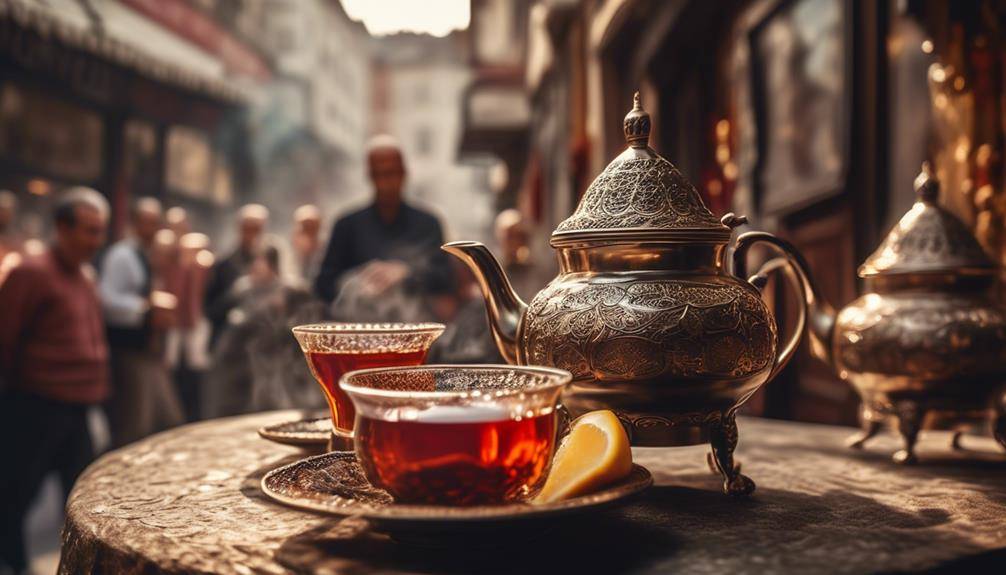
Tea ceremonies have been an essential part of Turkish culture for centuries. These ceremonies are not only about enjoying a cup of tea but also about fostering social connections and creating a sense of community. The tea is brewed in a traditional double teapot called a “çaydanlık,” which consists of a lower pot for boiling water and an upper pot for steeping the tea leaves. A rich, amber-colored brew is achieved by allowing the tea to steep for several minutes.
When it comes to serving Turkish tea, hospitality is of utmost importance. The tea is traditionally served in small, tulip-shaped glasses called “çay bardağı.” The host pours the tea with a skilled hand, ensuring that each glass is filled to the brim. The tea is then enjoyed slowly, sipped and savored, often accompanied by lively conversations and laughter.
Beyond its historical origins and tea ceremonies, Turkish tea has become a symbol of warmth and hospitality. It is a beverage that brings people together, transcending social barriers and fostering a sense of unity. Whether it is a family gathering or a business meeting, Turkish tea is an essential part of the cultural tapestry, creating a shared experience that is both comforting and invigorating.
Traditional Tea Preparation
To prepare traditional Turkish tea, start by carefully selecting the highest quality tea leaves. Turkish tea, also known as çay, is an integral part of Turkish culture and is enjoyed throughout the day. The brewing technique plays a crucial role in achieving the perfect cup of tea.
Turkish tea is traditionally brewed using a double teapot called a çaydanlık. The lower pot is filled with water and brought to a boil, while the upper pot holds the tea leaves. The water in the lower pot is then poured over the tea leaves, allowing them to steep and infuse their flavor. This method produces a strong and flavorful brew.
There are different tea varieties used in the traditional Turkish tea preparation. The most common variety is the black tea, which is grown in the regions of Rize and Trabzon. Black tea is known for its robust flavor and deep reddish-brown color. Green tea is also popular in Turkey, especially in the eastern regions. It has a milder taste and a lighter color compared to black tea.
Once the tea is brewed, it is served in small tulip-shaped glasses called fincans. The tea is poured from a special teapot called a demlik, which has a long spout for precise pouring. The tea is usually served with a sugar cube on the side, allowing the drinker to sweeten it to their liking.
Tea Serving Rituals
As the fragrant steam rises from the freshly brewed tea, the traditional Turkish tea serving rituals come to life, adding an element of grace and elegance to the shared experience of enjoying çay. The tea ceremony in Turkey is steeped in centuries-old traditions and customs, reflecting the importance of tea in Turkish culture. Let’s take a closer look at the tea etiquette and rituals that make the tea experience in Turkey truly special.
- Preparing the tea: In Turkish culture, tea is traditionally brewed in a special two-tiered teapot called a “çaydanlık.” The lower pot holds boiling water, while the upper pot contains loose tea leaves. The tea is brewed slowly, allowing the flavors to infuse. Once brewed, the tea is poured into small tulip-shaped glasses, filling only one-third of the glass.
- Serving with care: When serving tea, it is customary to hold the tea glass by its rim, as the glass can get quite hot. The tea is served with sugar cubes on the side, allowing each individual to sweeten their tea to their liking. The host takes great care in serving each guest, making sure to offer refills throughout the gathering.
- Sipping and socializing: In Turkish tea culture, sipping tea is not just about the beverage but also about the company. It is common to engage in lively conversations while savoring the tea. The act of sipping tea together fosters a sense of community and connection.
- Expressing gratitude: At the end of the tea ceremony, it is customary to express gratitude to the host by saying “Çok teşekkür ederim,” which means “Thank you very much” in Turkish. This gesture of appreciation acknowledges the effort put into creating a memorable tea experience.
The tea serving rituals in Turkey bring a sense of elegance and tradition to the act of enjoying tea. From the meticulous preparation to the gracious serving, every step is a reflection of Turkish hospitality and cultural pride. So, sit back, sip your tea, and immerse yourself in the rich tea culture of Turkey.
Cultural Significance
The cultural significance of traditional Turkish tea rituals is deeply ingrained in the fabric of Turkish society, serving as a symbol of hospitality, connection, and rich cultural heritage. These intergenerational customs are passed down from one generation to another, creating a sense of continuity and preserving the unique Turkish identity.
Turkish tea is more than just a beverage; it is a way of bringing people together. The act of sharing tea creates a sense of social bonding, fostering connections between family, friends, and even strangers. It is not uncommon to see groups of people gathered in tea houses, engaged in lively conversations while sipping their tea. This tradition transcends age, gender, and social status, with people from all walks of life coming together to enjoy this beloved drink.
In Turkish culture, offering tea is a sign of hospitality and a way to welcome guests into one’s home. It is customary for hosts to serve tea to their visitors as a gesture of warmth and friendship. The preparation and serving of tea is done with great care and attention to detail, adding to the overall experience. From the traditional tulip-shaped glasses to the silver samovar used to brew the tea, every element of the tea ritual holds significance and adds to the cultural richness.
The cultural significance of Turkish tea extends beyond the borders of Turkey, with Turkish tea houses and cafes becoming popular in various parts of the world. These establishments aim to recreate the traditional tea experience, allowing people to immerse themselves in the Turkish culture and its customs. Whether enjoyed in a bustling tea house in Istanbul or in the comfort of one’s home, Turkish tea serves as a reminder of the importance of social connection and the value of preserving cultural traditions.
Tea in Turkish Daily Life
In the vibrant tapestry of Turkish daily life, the presence of tea is as ubiquitous as the warm embrace of the morning sun. Tea consumption in Turkey is not just a simple act of quenching thirst; it is an integral part of the culture, deeply rooted in tradition and social interactions. Here are four fascinating aspects of tea in Turkish daily life:
- Tea as a Ritual: Tea traditions in Turkey go beyond the act of drinking tea itself. It is a ritual that brings people together, fostering social connections and strengthening bonds. Whether it’s a gathering of friends, a family get-together, or a business meeting, tea is the common thread that weaves everyone together.
- Tea as a Symbol of Hospitality: In Turkish homes, the first thing offered to guests is a cup of tea. It is a gesture of warm hospitality and a way to make visitors feel welcome. The act of serving tea is considered an art form, with hosts ensuring that their guests’ cups are always full.
- Teahouses: Teahouses, known as “çay bahçesi,” are an integral part of Turkish daily life. These establishments serve as social hubs, where people gather to unwind, engage in lively conversations, and enjoy tea with friends. They are a place where traditions are passed down from one generation to another.
- Tea in Workplaces: In Turkish workplaces, tea breaks are an essential part of the daily routine. Colleagues come together to share a cup of tea, taking a moment to relax and rejuvenate. It is during these tea breaks that friendships are forged and work relationships are strengthened.
In Turkish daily life, tea consumption is not just a habit; it is a way of connecting with others, fostering relationships, and embracing the rich tea traditions that have been passed down through generations.
Frequently Asked Questions: The Great Traditional Turkish Tea Culture
What Are the Health Benefits of Drinking Turkish Tea?
Drinking Turkish tea has numerous health benefits. It can boost your immune system, aid digestion, and improve heart health. Additionally, it holds cultural significance as a symbol of hospitality and socializing in Turkish culture.
Are There Any Specific Types or Flavors of Tea Commonly Used in Turkish Tea Culture?
In Turkish tea culture, there are various types and flavors of tea commonly used. Black tea, known as “çay,” is the most popular. It is brewed using a special two-level tea pot and served in small, tulip-shaped glasses.
How Has the Traditional Turkish Tea Culture Evolved Over Time?
Over time, Turkish tea culture has evolved in fascinating ways. The influence of different cultures, customs, and traditions has shaped the way tea is enjoyed and celebrated in Turkey.
Are There Any Specific Etiquettes or Rules to Follow When Drinking Turkish Tea?
When drinking Turkish tea, there are specific etiquettes and rules to follow. It is customary to hold the tea glass by the rim, add sugar according to your taste, and never refuse a cup offered to you.
Is Turkish Tea Consumed More Frequently During Certain Seasons or Occasions?
During certain seasons and occasions, Turkish tea consumption increases. It is an integral part of Turkish cuisine and is enjoyed with rituals and customs. Exploring the traditional Turkish tea culture provides insights into these practices.

Why Turkish Tea Culture Still Matters Today
Turkish tea culture is far more than a beverage tradition — it’s a reflection of community, hospitality, and shared identity. From the careful brewing process to the warm ritual of serving guests, every detail carries meaning passed down through generations. Whether enjoyed in a bustling Istanbul teahouse or a quiet home kitchen, Turkish tea continues to unite people and preserve a rich cultural heritage. Exploring this tradition offers a deeper understanding of Turkey’s history, values, and the timeless joy of gathering over a simple glass of tea.