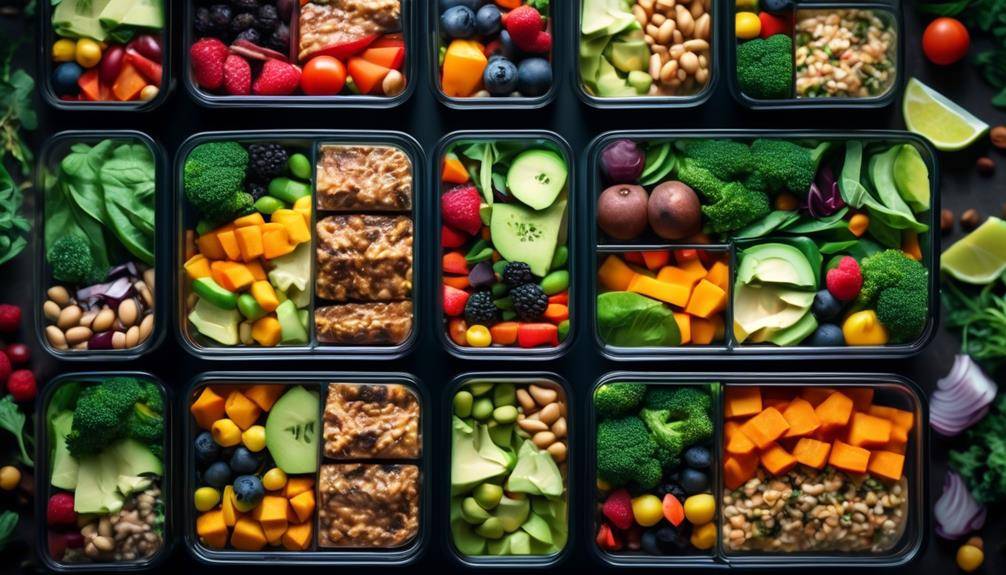
The Amazing Benefits Of Roasting Food Over Frying

Amazing Benefits Of Roasting Food Over Frying; Roasting food has some great benefits over frying. You get to enjoy up to 50% less fat and calories, making it a healthier option. Plus, roasting preserves nutrients better, so you maintain those essential vitamins. The cooking process brings out deeper flavors and creates a crispy texture while keeping the inside moist. You’ll also find that clean-up is a breeze since there’s less mess than frying. With less oil used, your grocery bills can shrink too. If you’re curious about more ways to elevate your meals, there’s plenty more to explore!
Healthier Cooking Method
Roasting food is one of the healthiest cooking methods you can choose. This technique allows you to prepare a variety of ingredients while preserving their natural flavors and nutrients. When you roast, you typically use just a little oil, which means you’re cutting down on unhealthy fats compared to frying. By opting for roasting during your meal prep, you can create delicious dishes without the added calories and grease.
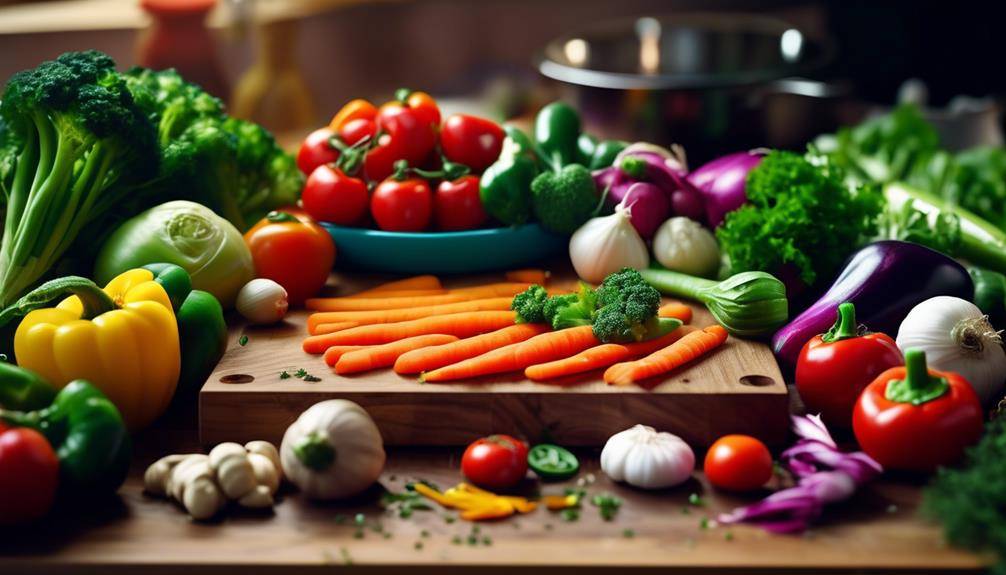
Incorporating roasting into your weekly meal prep can save you time and enhance your diet. You can roast vegetables, lean meats, and even grains, making it easy to prepare balanced meals in advance. For example, tossing a mix of seasonal vegetables with a drizzle of olive oil and your favorite herbs before placing them in the oven can yield a vibrant, nutrient-packed side dish that complements any main course.
Moreover, roasting allows for versatility in cooking techniques. You can adjust the temperature and timing to achieve your desired level of tenderness and caramelization. This flexibility means you can experiment with different ingredients, adapting your meals to suit your preferences. Plus, the ease of cleanup makes it an appealing option for busy weeknights.
Enhanced Flavor Profiles
When you roast food, the natural sugars in ingredients caramelize, creating rich and complex flavors that enhance every dish. This process leads to flavor complexity that frying simply can’t match. The caramelization effects not only deepen the taste but also provide aromatic depth that fills your kitchen with enticing scents.
As you experiment with different ingredient pairings, you’ll notice how roasting allows for ingredient synergy, where the flavors of complementary foods meld beautifully. Seasoning enhancement is another benefit; the dry heat of roasting helps spices and herbs cling to the surface, intensifying their presence in each bite. This means you get to enjoy a mouthfeel improvement, as the outer layers develop a crispy texture while the inside remains tender and juicy.
The cooking time effects also contribute to the overall flavor concentration. Longer roasting times draw out moisture and intensify the essence of each ingredient, amplifying their natural flavors. As you layer flavors through various roasting techniques—whether it’s tossing vegetables with oil and herbs or adding a splash of balsamic vinegar—you’ll experience the magic of flavor layering.
Ultimately, roasting allows you to create dishes that are not just tasty but also an exploration of flavors. By embracing the unique properties of this cooking method, you’ll elevate your meals to new heights, making each bite a delightful experience. So grab your roasting pan and let the flavor journey begin!
Lower Caloric Content
When you roast food, you’ll notice it absorbs less oil compared to frying, which helps lower the overall caloric content. This method not only cuts calories but also retains more nutrients, making your meals healthier. By choosing roasting, you can enjoy flavorful dishes without the extra guilt.
Reduced Oil Absorption
One of the standout advantages of roasting food is the significant reduction in oil absorption, which leads to lower caloric content. When you roast your meals, you’re using dry heat rather than submerging your food in oil, which means it doesn’t soak up unnecessary fats. This not only keeps your dishes lighter but also allows you to enjoy the natural flavors of the ingredients without overwhelming them with grease.
By opting for roasting, you can explore various oil alternatives. For instance, a light spray of olive oil or a brush of coconut oil can enhance the taste without adding excessive calories. You’ll find that roasting vegetables or meats with just a touch of these healthier oils can yield delicious results without the guilt associated with frying.
Additionally, mastering roasting as one of your go-to cooking techniques can transform your meals. You’ll likely discover that you can achieve crispy textures and rich flavors without relying on heavy oils. So, the next time you’re prepping dinner, consider roasting instead of frying—it’s a simple switch that can lead to healthier, more satisfying meals.
Calorie Comparison
Roasting not only reduces oil absorption but also plays a key role in lowering the overall caloric content of your meals. When you choose roasting over frying, you’re opting for a cooking method that typically uses less added fat. This difference in fat usage markedly impacts the caloric density of your dishes.
Fried foods often absorb excess oil, resulting in a higher caloric count per serving, while roasted foods maintain their natural flavors without the need for added fats. For example, a serving of roasted vegetables can have hundreds of calories less than its fried counterpart.
Nutrient Retention Benefits
Choosing roasting as a cooking method not only enhances flavors but also promotes better nutrient retention compared to other cooking techniques. When you roast your food, you’re more likely to achieve micronutrient preservation. Unlike frying, which can lead to a significant loss of vitamins and minerals due to high temperatures and submerged cooking oils, roasting allows your ingredients to retain their essential nutrients.
Roasting typically requires less oil than frying, which means fewer empty calories. This lower caloric content not only benefits your waistline but also helps maintain the natural antioxidant levels in your food. Antioxidants are crucial for combatting free radicals in your body, and by choosing to roast, you guarantee that these powerful compounds remain intact.
Additionally, roasting encourages the caramelization of natural sugars, enhancing flavor without compromising nutrition. Whether you’re preparing vegetables or proteins, the roasting process creates a delicious, nutrient-rich meal that supports your health goals. By opting for roasting over frying, you’re making a smart choice that maximizes both taste and nutritional benefits, guaranteeing you enjoy wholesome meals that nourish your body.
Retained Nutrients
When you roast food, you’re not just enhancing its flavor; you’re also preserving valuable nutrients. Roasting involves cooking food at relatively higher temperatures, which can lead to better nutrient preservation compared to frying. While frying often subjects food to extreme heat and prolonged cooking times, roasting typically maintains a more moderate cooking temperature. This balance allows you to keep more vitamins and minerals intact.
Certain vitamins, like vitamin C and some B vitamins, are sensitive to high heat and can degrade during cooking. By choosing to roast, you minimize the risk of nutrient loss because the cooking temperatures are less likely to exceed the thresholds that cause damage. Additionally, since roasting often takes less time than frying, you further protect these essential nutrients from being diminished.
Roasting also allows for even cooking, which means that the food is less likely to end up overcooked on the outside while remaining raw on the inside. This evenness contributes to better nutrient retention throughout the dish. You’ll find that vegetables retain their vibrant colors and crisp textures, indicating that they are still packed with nutrients.
Reduced Oil Usage
When you roast food, you naturally use less oil compared to frying, which means lower calorie content in your meals. This method not only helps retain healthier nutrients but also saves you money on cooking oils. Embracing roasting can lead to a more nutritious and cost-effective approach to your cooking.
Lower Calorie Content
Roasting food is a fantastic way to enjoy delicious meals while cutting down on calorie intake, primarily due to its reduced oil usage. By opting for roasting over frying, you noticeably lower the caloric density of your dishes. Since you’re using less oil, you can focus on portion control without sacrificing flavor.
When it comes to meal preparation, roasting allows you to enhance the natural flavors of your ingredients. With careful ingredient selection, you can create satisfying dishes that cater to your dietary preferences. You’ll find that roasting vegetables, meats, and even fruits brings out their inherent sweetness, making them more enjoyable without the need for added fats.
Using various culinary techniques, you can adjust cooking times to achieve the perfect texture while still keeping calories in check. The beauty of roasting lies in its versatility; you can experiment with spices and herbs to boost flavor enhancement without adding unnecessary calories. Ultimately, by incorporating roasting into your cooking repertoire, you’re not just enjoying a delicious meal, but you’re also making a healthier choice that aligns with your goals of maintaining a balanced diet.
Healthier Nutrient Retention
With roasting, you’ll find that it not only enhances flavor but also helps preserve essential nutrients in your food. Unlike frying, which often requires heavy oil, roasting allows you to use minimal fat, reducing the risk of nutrient loss. When you roast, the lower cooking temperatures can help maintain nutrient bioavailability, ensuring that vitamins and minerals stay intact and accessible for your body to absorb.
High frying temperatures can destroy delicate nutrients, particularly in vegetables, leading to a significant reduction in their health benefits. Roasting, on the other hand, often uses moderate temperatures that promote better nutrient retention. You’ll notice that vegetables, when roasted, retain their vibrant colors and textures, which are indicators of their nutritional value.
Cost-Effective Cooking Method
One of the standout advantages of roasting food is its cost-effectiveness, particularly due to reduced oil usage. When you roast, you typically need far less oil than when frying. This means you’ll save money on cooking oil, allowing you to create budget-friendly meals without sacrificing flavor or satisfaction.
Using economical ingredients like seasonal vegetables or bulk grains can further enhance your savings. Roasting brings out the natural flavors of these ingredients, making even the simplest items taste delicious. You can toss a variety of vegetables in a little olive oil, sprinkle some herbs, and roast them to perfection, turning ordinary produce into a gourmet dish.
Moreover, since roasting often involves larger quantities, you can prepare meals that stretch your budget even further. Leftovers from a roasted chicken or a tray of vegetables can be transformed into tasty lunches or dinners for the next few days. This not only reduces food waste but also keeps your meal prep efficient and affordable.
In short, roasting is a savvy cooking method that helps you make the most of your ingredients while keeping your grocery bills in check. You’ll enjoy tasty, nutritious meals without breaking the bank!
Versatility in Ingredients
A vast array of ingredients can be transformed through the roasting process, making it an ideal cooking method for any kitchen. You can experiment with various ingredient combinations, from vegetables like carrots and Brussels sprouts to proteins such as chicken and fish. Roasting allows you to bring out the natural sweetness in vegetables and enhance the savory notes in meats, giving your dishes a depth of flavor that frying often lacks.
Seasonal variations further enhance the versatility of roasting. In the fall, root vegetables like squash and sweet potatoes shine, while summer brings a bounty of tomatoes and zucchini. You can easily switch up your ingredient selection based on what’s fresh and available, making it uncomplicated to prepare delicious meals year-round.
Using different cooking techniques in roasting can also broaden your culinary horizons. You can choose to roast whole items, cut them into chunks for quicker cooking, or even toss them in marinades and spices for added flavor enhancements. The high, dry heat of the oven caramelizes the sugars in your ingredients, creating that delightful golden crust while keeping the interior moist.
In essence, roasting invites creativity in your kitchen. You’re not limited to a specific type of ingredient or flavor profile. With just a few adjustments in ingredient combinations or seasonal picks, you can turn a simple meal into something extraordinary. So go ahead, explore the versatility that roasting offers, and let your culinary imagination run wild!
Better Texture
Roasting not only enhances the flavors of your ingredients but also greatly improves their texture. When you roast, you create a beautiful texture contrast that elevates your dishes. The outside of your food develops a crispy, golden-brown layer, while the inside retains its moisture, resulting in a tender and juicy bite. This combination is hard to achieve with frying, where foods can become overly greasy and lose that satisfying crunch.
One of the key benefits of roasting is its ability to promote moisture retention. The high and even heat distribution in the oven allows your ingredients to cook thoroughly without drying out. This is especially true for meats and vegetables, which can easily become tough and rubbery when fried. In contrast, roasting locks in the natural juices, keeping your food succulent and flavorful.
Additionally, roasting encourages caramelization, which adds a delightful depth of flavor and enhances the overall eating experience. As you roast, the sugars in your ingredients caramelize, creating a rich, complex taste that frying often doesn’t achieve. This process also contributes to the appealing texture contrast, making each bite interesting and enjoyable.
Easier Clean-Up
How much easier could your cooking routine be with less mess to clean up? When you choose roasting over frying, you’re setting yourself up for a much simpler clean-up process. Frying often splatters oil everywhere, leaving your stovetop and countertops coated in grease that can take ages to scrub off. In contrast, roasting typically requires just one pan, which means fewer dishes to wash and less risk of creating a chaotic kitchen environment.
Not only does roasting save you time, but it also promotes greater kitchen safety. Hot oil is a common hazard when frying, and accidents can happen in the blink of an eye. With roasting, you can place your food in the oven, set the timer, and walk away without the constant vigilance required when frying. You won’t have to worry about hot oil splashing or the risk of burns from a bubbling pot.
When it comes to time efficiency, roasting is a winner. You spend less time cleaning up after dinner, allowing you to enjoy your meal and relax instead of scrubbing pots and pans. Plus, with fewer items to clean, you can get back to your evening routine much faster.
Switching to roasting not only enhances your cooking experience but also lightens your post-meal chores. Embrace the ease of roasting and make your cooking life a whole lot smoother!
Improved Cooking Techniques
When you roast food, you’re not just changing the cooking method; you’re revealing new flavor profiles that enhance your meals. This technique allows natural sugars to caramelize, resulting in a richer taste that’s hard to replicate with other methods. Plus, roasting often requires less oil, making your dishes healthier without sacrificing flavor.
Cooking Method Differences
Although many cooking methods exist, roasting stands out for its unique ability to enhance flavors and textures in food. When you compare roasting techniques to frying methods, you’ll notice significant texture differences. Roasting allows for even heat distribution, which helps create a crispy exterior while retaining moisture inside, leading to superior flavor development.
Frying often requires shorter cooking times, but it can lead to a greasy finish that masks the true flavors of your ingredients. In contrast, roasting lets you experiment with ingredient pairings, bringing out the natural sweetness of vegetables and the savory notes in meats. You can easily adjust cooking times based on the size and type of food, ensuring that everything is cooked to perfection.
Your equipment choices also matter; using a roasting pan or a cast-iron skillet can elevate your dish. Additionally, roasting aligns with various culinary traditions, making it a versatile choice in your kitchen. By mastering roasting techniques, you’ll not only improve your cooking skills but also enjoy meals that are both flavorful and satisfying, showcasing the best of what your ingredients have to offer.
Healthier Flavor Profiles
Roasting food not only enhances its natural flavors but also promotes healthier eating habits. When you use roasting techniques, you allow the ingredients to caramelize, which intensifies their taste without the need for excessive fats or oils. This method helps in flavor development, bringing out the richness of vegetables and meats while preserving their nutritional value.
You’ll notice that roasted foods have a depth of flavor that frying often masks. By concentrating the natural sugars through roasting, you get a satisfying sweetness that complements the dish, making it more enjoyable without added sugars or unhealthy fats. This is especially true for root vegetables like carrots and sweet potatoes, which become deliciously tender and flavorful when roasted.
Additionally, roasting allows you to experiment with various herbs and spices, enhancing your meals even further. Instead of battering and frying, you can toss your ingredients in olive oil and seasonings before placing them in the oven, resulting in a more wholesome and appealing dish. So, if you want to elevate your cooking while keeping it healthier, embrace roasting techniques for a delightful flavor experience.
Cost-Effectiveness
One of the standout advantages of roasting food is its cost-effectiveness. When you choose roasting over frying, you often find it easier to create budget-friendly meals. Roasting allows you to use a variety of ingredients, including vegetables and proteins, that are usually more affordable and accessible. You can grab whatever’s fresh or on sale at the grocery store, making it simple to whip up delicious dishes without breaking the bank.
Moreover, roasting typically requires fewer ingredients than frying. You won’t need to invest in expensive oils or specialty items to achieve great flavor. Instead, a sprinkle of herbs and spices can elevate your roasted dishes, keeping your grocery bill in check while maximizing taste. This method also allows you to prepare larger portions at once, so you can enjoy leftovers or meal prep for the week, adding even more to your savings.
Another financial perk of roasting is the reduced risk of wasted food. When you roast, you can easily use up a variety of ingredients that might otherwise go bad. Toss some leftover veggies with a bit of oil and seasoning, roast them up, and you’ve got a side dish or a healthy snack, minimizing waste and maximizing your budget.
In short, by opting for roasting, you’re not just making a healthier choice; you’re also making a smart financial decision. Embrace the simplicity and cost-effectiveness of roasting, and enjoy delicious, wallet-friendly meals.
Frequently Asked Questions: Amazing Benefits Of Roasting Food Over Frying
Can Roasting Be Done in a Microwave Oven?
Yes, you can roast in a microwave oven using specific microwave techniques. This method often retains nutrients and flavor, offering health benefits compared to traditional methods, making it a great option for quick, healthier meals.
What Types of Food Are Best for Roasting?
When you think about roasting, the best vegetables include carrots, potatoes, and Brussels sprouts. For ideal meats, consider chicken, beef, or pork. These options caramelize beautifully, enhancing flavors while providing a delicious and satisfying meal.
How Does Altitude Affect Roasting Times?
Altitude affects roasting times because thinner air alters heat transfer. You’ll need altitude adjustments in your cooking techniques, increasing cooking time and possibly temperature to guarantee your food roasts evenly and thoroughly at higher elevations.
Is There a Difference in Cooking Times for Roasting Vegetables Vs. Meat?
Yes, there’s a difference in cooking times. Vegetables typically cook faster, allowing you to achieve the desired texture, while meat requires more time to guarantee tenderness and enhance flavor development. Adjust your timing accordingly!
Can I Roast Food Without an Oven?
Yes, you can roast food without an oven! Try alternative roasting techniques like stovetop roasting. Use a heavy skillet or cast iron pan, and cook over medium heat, turning regularly for even results. Enjoy delicious flavors!

Conclusion
Roasting food instead of frying offers a healthier cooking method that enhances flavor while cutting down on calories. You’ll retain more nutrients, use less oil, and achieve a better texture in your meals. Plus, clean-up is a breeze! By adopting roasting techniques, you not only save money but also elevate your cooking skills. So, why not give roasting a try? You’ll enjoy delicious, wholesome dishes that are good for you and easy to make!
If you enjoyed exploring this topic and want to dive even deeper, be sure to check out some of our other articles here on Infinite Flavors. From rich culinary histories to creative twists on classic recipes, there’s always something new to discover. Whether you’re curious about the origins of a dish, looking for fresh inspiration in the kitchen, or simply love learning about food culture, our collection of posts is the perfect next step on your flavor journey.
All About Gratinating Vs Roasting: Which Is Better
What Is The Difference Between Baking And Roasting
How Long To Roast Amazing Pork