The Amazing Origin of Maple Glazed Carrots
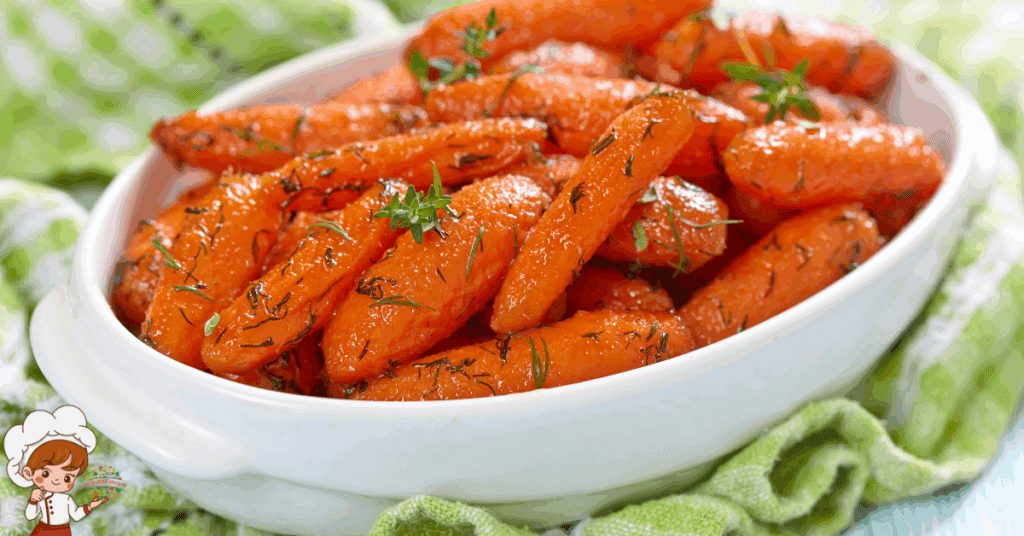
Amazing Origin of Maple Glazed Carrots; Maple glazed carrots are a classic side dish that beautifully captures the essence of comfort food — simple, naturally sweet, and perfectly balanced between savory and sugary. This dish has become a beloved staple at holiday gatherings, Sunday dinners, and cozy autumn meals. The combination of earthy carrots and rich maple syrup creates a flavor that feels both rustic and refined, linking centuries of culinary tradition with modern dining preferences. While today’s versions are often enjoyed alongside roasted meats or as part of vegetarian feasts, the history of maple glazed carrots is a fascinating journey that intertwines North American agriculture, traditional preservation techniques, and the rise of seasonal cooking.
The story of maple glazed carrots is one of resourcefulness, regional pride, and the enduring human love for sweetness. This humble side dish has roots that stretch back hundreds of years — to the Indigenous peoples who first harvested maple sap, to early settlers who embraced root vegetables for their long shelf life, and to contemporary cooks who rediscovered the joy of pairing simple, natural ingredients.
In this post, we’ll explore the origin and evolution of maple glazed carrots, uncover how maple syrup became a key ingredient in North American cuisine, and discover why this timeless side dish continues to win hearts at tables across the world.
The Roots of a Classic: The Early History of Glazed Vegetables
Before maple syrup ever entered the picture, glazed vegetables were already a cherished culinary tradition. European cooks had been glazing carrots and other root vegetables with sugar and butter since at least the 17th century. The idea was simple yet elegant: simmer vegetables in a mixture of fat and sweetness until they took on a glossy coating that enhanced both flavor and appearance.
In early French cuisine, this was known as “glacer” — to give something a sheen or polish. Glazed carrots, or carottes glacées, were often served as a refined side dish in aristocratic households. French cooks prized the carrot for its natural sweetness, tender texture, and vibrant color, making it the perfect canvas for a buttery sugar glaze.
When French settlers arrived in North America, they brought this technique with them. However, cane sugar was expensive and not always easy to find in the colonies. Instead, settlers turned to a local source of sweetness: maple syrup, which Indigenous peoples had been harvesting and refining for centuries.
From Forest to Table: The Role of Maple Syrup in Early America
Maple syrup has a deep and meaningful history in North America. Long before European colonization, Indigenous peoples of the Northeastern woodlands — including the Algonquin, Abenaki, and Haudenosaunee (Iroquois) — tapped maple trees each spring to collect the sap. They boiled it down into syrup and sugar, using it as a natural sweetener long before the introduction of cane sugar.
European settlers quickly adopted this practice, especially in regions where maple trees thrived — such as New England, Quebec, and parts of the Great Lakes. By the 18th century, maple sugar had become a vital ingredient in the colonial kitchen, prized not only for its availability but also for its deep, caramel-like flavor.
It was during this period that the combination of root vegetables and maple syrup began to take shape. Settlers often relied on stored root crops like carrots, parsnips, and turnips during the long winter months. To make these hearty vegetables more appealing, they simmered them with a touch of maple syrup and butter, creating an early version of what we now know as maple glazed carrots.
The Evolution of Maple Glazed Carrots in the 19th and 20th Centuries
By the 19th century, home cooks and chefs alike began experimenting more intentionally with sweet glazes for vegetables. Cookbooks from this era often featured recipes for “candied carrots” or “maple butter carrots,” reflecting the growing availability of maple syrup in northeastern households.
As cooking techniques evolved, so too did the dish itself. Early versions often involved boiling carrots and finishing them with syrup and butter, while later recipes introduced roasting as a way to intensify the flavor and caramelization. By the early 20th century, maple glazed carrots had found a place on holiday tables, particularly at Thanksgiving and Christmas, when cooks wanted to balance savory roasts and mashed potatoes with something sweet and colorful.
During this time, maple syrup became a symbol of wholesome American ingredients, and maple glazed carrots embodied the idea of simple, farm-to-table cooking. They represented a connection between homegrown produce and natural sweeteners — an idea that continues to resonate with today’s health-conscious and locally-minded eaters.
The Modern Revival of Maple Glazed Carrots
In the 21st century, maple glazed carrots have enjoyed a resurgence in popularity, thanks to trends in seasonal eating, plant-based cuisine, and farm-to-table cooking. Modern chefs appreciate the way maple syrup enhances the natural sweetness of carrots without overpowering their flavor. The glaze also provides a beautiful caramelized finish that makes even a humble vegetable dish feel gourmet.
Health-conscious cooks have also embraced maple syrup as a more natural alternative to refined sugar. Rich in minerals and antioxidants, maple syrup adds sweetness and depth without artificial additives. Meanwhile, the carrot — packed with vitamin A, fiber, and beta carotene — remains one of the most beloved and nutrient-dense vegetables around.
Restaurants, food bloggers, and home cooks now celebrate maple glazed carrots as both comfort food and culinary art. Whether served with roasted chicken, glazed ham, or a vegetarian risotto, this dish delivers warmth, nostalgia, and balance. It’s no wonder it continues to trend during fall and winter seasons, especially as families seek cozy, nourishing side dishes that bring people together.
The Perfect Pairing: Why Carrots and Maple Work So Well
Part of what makes maple glazed carrots so enduringly popular is the perfect harmony between their flavors. Carrots have a natural sweetness that intensifies as they cook, while maple syrup brings a layered richness — a blend of caramel, vanilla, and woodsy undertones. Together, they create a glaze that highlights the best qualities of both ingredients.
In addition to flavor, texture plays a key role. When cooked properly, glazed carrots become tender yet firm, with a slightly sticky coating that clings beautifully to their surface. The glaze not only enhances the appearance but also locks in moisture, resulting in a dish that’s satisfying and comforting.
This balance of sweet and savory has deep cultural roots. Across cuisines, glazes are often used to elevate vegetables and create contrast on the plate. In the case of maple glazed carrots, this contrast embodies the spirit of North American cooking — simple ingredients transformed into something extraordinary.
Seasonal Appeal: Maple Glazed Carrots in Fall and Winter Cuisine
One of the reasons maple glazed carrots have remained a beloved side dish is their strong connection to seasonal cooking. Carrots are a staple of fall and winter harvests, and maple syrup season — typically in early spring — provides a natural complement. Together, these ingredients evoke the rustic charm of cold-weather kitchens and holiday celebrations.
During the fall season, maple glazed carrots are often featured alongside roasted meats, stuffing, and cranberry sauce. Their sweetness balances the savory richness of these dishes, while their vibrant color adds visual warmth to the table. In winter, they provide comfort and nourishment when fresh produce is limited, reminding us of the bounty preserved from earlier in the year.
As modern cooks rediscover the joy of seasonal ingredients, maple glazed carrots have found renewed life in everything from gourmet menus to quick weeknight dinners. Their enduring appeal lies in their ability to connect us with nature’s rhythms — a simple, flavorful reminder of the land’s generosity.
Global Influence: Similar Dishes Around the World
While maple glazed carrots are distinctly North American, similar dishes can be found in other culinary traditions. In French cuisine, butter-glazed carrots are a staple side dish, often served with roasted meats. In Asian cuisines, soy-based glazes are used to add sweetness and umami to vegetables. Middle Eastern dishes sometimes incorporate honey or date syrup to achieve a similar caramelized finish.
What sets maple glazed carrots apart, however, is their unique combination of ingredients tied to North American geography and culture. The use of maple syrup — a product native to the northeastern forests — grounds this dish in its place of origin, while the carrot serves as a universal symbol of nourishment and simplicity.
This global connection underscores the versatility and timelessness of glazed vegetables. Whether sweetened with maple, honey, or molasses, they demonstrate how cooks across centuries and continents have sought ways to make humble produce shine.
The Cultural Legacy of Maple Glazed Carrots
Today, maple glazed carrots represent more than just a side dish — they embody a tradition of thoughtful, resourceful cooking. They remind us of the ingenuity of Indigenous peoples who first discovered maple syrup, the settlers who adapted Old World recipes to New World ingredients, and the modern chefs who continue to celebrate seasonal, natural foods.
They have become a symbol of balance — between sweet and savory, rustic and elegant, past and present. Their simplicity invites experimentation, yet their roots remain firmly grounded in history. Every forkful carries a story that spans forests, farms, and family tables.
From holiday feasts to everyday meals, maple glazed carrots continue to bring comfort and connection — a testament to how food can bridge generations and traditions with just a touch of sweetness.
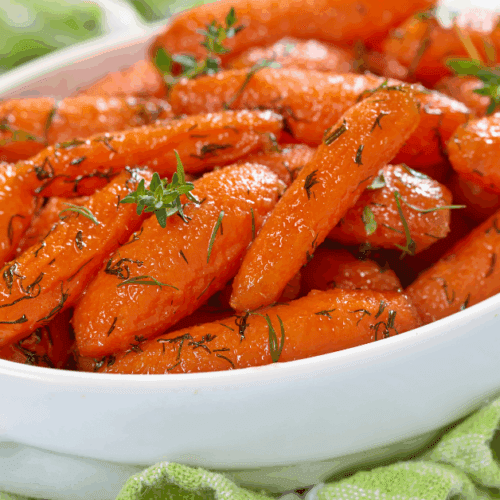
Maple Glazed Carrots
Ingredients
- – 1 lb baby carrots
- – 1/4 cup maple syrup
- – 2 tbsp butter
- – Salt to taste
Instructions
- In a skillet, melt butter over medium heat.
- Add baby carrots and sauté for 5 minutes.
- Pour in maple syrup and season with salt.
- Cook for an additional 10 minutes, stirring occasionally, until carrots are tender and glazed.
FAQ: Amazing Origin of Maple Glazed Carrots
What is the origin of maple glazed carrots?
Maple glazed carrots originated in North America, where early settlers combined Old World glazing techniques with Indigenous maple syrup to sweeten root vegetables like carrots.
Are maple glazed carrots healthy?
Yes, maple glazed carrots can be a nutritious side dish. Carrots are high in vitamins and fiber, while pure maple syrup provides natural sweetness with trace minerals and antioxidants.
Can I make maple glazed carrots ahead of time?
Absolutely. They can be prepared in advance and gently reheated before serving, making them perfect for holiday meals and large gatherings.
What’s the best way to cook maple glazed carrots?
You can either roast or sauté them. Roasting enhances caramelization, while sautéing creates a smoother glaze.
Do I need pure maple syrup?
Yes — pure maple syrup delivers the authentic flavor and natural sweetness essential to this dish. Artificial syrups won’t provide the same depth.
Can I use other root vegetables?
Definitely. Parsnips, sweet potatoes, or turnips can also be glazed with maple syrup for a similar effect.
Are maple glazed carrots vegan-friendly?
They can be! Simply replace butter with a plant-based alternative or olive oil.
Why are maple glazed carrots popular in fall and winter?
Because they use seasonal ingredients and complement hearty, comforting meals, making them ideal for cooler weather and holiday menus.
How do I store leftovers?
Store cooled glazed carrots in an airtight container in the refrigerator for up to 3 days. Reheat gently on the stove or in the microwave.
What main dishes pair well with maple glazed carrots?
They’re perfect alongside roasted chicken, glazed ham, beef tenderloin, or even vegetarian mains like lentil loaf or risotto.

A Sweet Tradition That Stands the Test of Time
The story of maple glazed carrots is one of adaptation, heritage, and flavor. Born from the blending of Indigenous wisdom and European cooking traditions, this dish showcases the best of what simple, local ingredients can achieve. Its sweetness is not just in taste, but in meaning — a reminder of how food can connect us to nature, history, and one another.
Today, maple glazed carrots remain a cherished favorite because they embody everything we crave in comfort food: warmth, nourishment, and nostalgia. They remind us that sometimes the most memorable dishes are the simplest — just a few ingredients transformed through care, creativity, and time. Whether served at a festive holiday table or a quiet weeknight dinner, maple glazed carrots continue to capture the spirit of home cooking: timeless, heartfelt, and irresistibly delicious.
If you enjoyed exploring this topic and want to dive even deeper, be sure to check out some of our other articles here on Infinite Flavors. From rich culinary histories to creative twists on classic recipes, there’s always something new to discover. Whether you’re curious about the origins of a dish, looking for fresh inspiration in the kitchen, or simply love learning about food culture, our collection of posts is the perfect next step on your flavor journey.
The History And Origin Of Easy Chicken And Gravy Stew
The Great Origin Of Butternut Squash Risotto
Amazing Pumpkin Soup A Fall Classic That Stands The Test Of Time