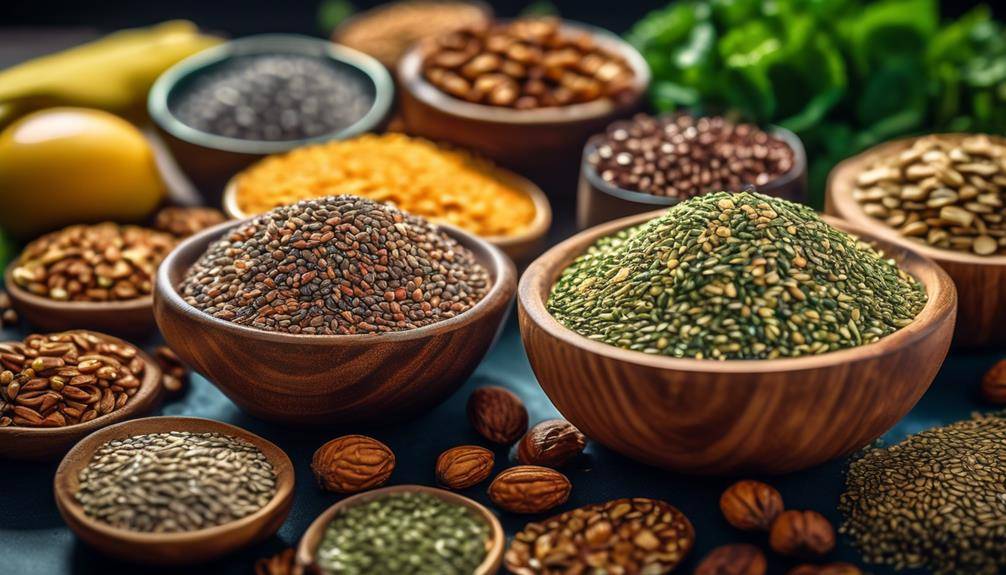
Exciting Plant-Based Protein Innovation in Nutraceuticals

Based Protein Innovation in Nutraceuticals; Step into the garden of innovation as we explore the flourishing world of plant-based protein in the realm of nutraceuticals. Just like a seed that grows into a mighty tree, plant-based protein has emerged as a powerful force in the field of nutrition. But what makes it so captivating? How does it compare to its animal-based counterparts? And what does the future hold for this green revolution? Get ready to unveil the answers as we unravel the secrets of plant-based protein innovation in the world of nutraceuticals.
The Rise of Plant-Based Proteins
The rising popularity of plant-based proteins has sparked a significant shift in the nutraceutical industry, as more and more consumers are seeking sustainable and healthy alternatives to traditional animal-based protein sources. This shift has led to a growing interest in exploring new plant-based protein sources and their potential benefits in various fields, including sports nutrition.
Plant-based proteins have gained recognition as viable alternatives to animal-based proteins due to their numerous advantages. They are often rich in essential amino acids, vitamins, minerals, and antioxidants, which play crucial roles in supporting overall health and performance. Additionally, plant-based proteins are generally lower in saturated fat and cholesterol, making them a healthier option for individuals looking to improve their cardiovascular health and maintain a healthy weight.
In the realm of sports nutrition, plant-based proteins have shown promising results. Studies have indicated that plant-based protein sources, such as soy, pea, and rice protein, are effective in promoting muscle protein synthesis and enhancing exercise recovery. Furthermore, plant-based proteins offer a sustainable option for athletes, as their production requires fewer resources and produces fewer greenhouse gas emissions compared to traditional animal-based protein sources.
As the demand for plant-based proteins continues to grow, research and development efforts are focused on identifying and harnessing the potential of new plant-based protein sources. This includes exploring lesser-known plants and their protein content, such as hemp, chia seeds, and quinoa. By diversifying the range of plant-based protein sources available, the nutraceutical industry can offer a wider variety of sustainable and nutritious options to consumers.
Exploring Plant-Based Protein Sources
Now let’s explore the various protein-rich plant alternatives and their benefits. Plant-based proteins have gained popularity due to their potential health advantages and environmental sustainability. From legumes like lentils and chickpeas to grains like quinoa and amaranth, there is a wide range of plant-based protein sources available. Incorporating these alternatives into your diet can provide you with essential amino acids, fiber, and various micronutrients, making them a valuable addition to your nutritional intake.
Protein-Rich Plant Alternatives
Protein-rich plant alternatives offer a sustainable and nutritious solution for individuals seeking to incorporate more plant-based protein sources into their diets. With the increasing demand for plant-based protein, researchers and food manufacturers are exploring new plant-based protein sources to meet the needs of consumers. Here are three exciting developments in the field:
- Pulses: Pulses, such as beans, lentils, and chickpeas, are rich in protein, fiber, and essential nutrients. They are versatile and can be used in various dishes, from soups and stews to salads and burgers.
- Quinoa: Quinoa is a complete protein source, meaning it contains all essential amino acids. This ancient grain is gluten-free and has a pleasant nutty flavor, making it a popular choice for those following a plant-based diet.
- Hemp: Hemp seeds are packed with protein, healthy fats, and minerals. They can be easily incorporated into smoothies, baked goods, and salads, providing a nutty flavor and a nutritional boost.
These protein-rich plant alternatives not only provide essential nutrients but also contribute to a more sustainable and environmentally friendly food system. Incorporating these new plant-based protein sources into your diet can help you meet your nutritional needs while reducing your carbon footprint.
Benefits of Plant-Based Protein
What are the key benefits of incorporating plant-based protein sources into your diet? Plant-based protein alternatives offer several advantages for individuals seeking to adopt a plant-based diet. Firstly, they are rich in essential nutrients, such as vitamins, minerals, and fiber, which are crucial for maintaining overall health. Secondly, plant-based protein sources often have lower levels of saturated fat and cholesterol compared to animal-based proteins, making them heart-healthy choices. Furthermore, incorporating plant-based proteins into your diet can help reduce the risk of chronic diseases, including obesity, type 2 diabetes, and certain types of cancer. Additionally, plant-based protein sources are more sustainable and environmentally friendly, as they require fewer resources and produce fewer greenhouse gas emissions. By choosing a plant-based diet and incorporating plant-based protein sources, you can improve your overall health while contributing to a more sustainable future.
Innovative Extraction Methods
In the realm of plant-based protein innovation in nutraceuticals, researchers have developed and implemented cutting-edge extraction methods to enhance the production and efficacy of these protein-rich products. Novel extraction techniques have emerged as a means to obtain protein from sustainable sources, providing an alternative to traditional methods that may rely on animal-based protein sources. These innovative extraction methods offer several advantages, including increased protein yield, improved purity, and reduced environmental impact.
- High-pressure processing (HPP): This technique involves subjecting plant-based materials to high pressures, typically ranging from 100 to 600 megapascals (MPa). HPP effectively disrupts the cellular structure of plant tissues, facilitating the release of proteins. This method has shown promise in extracting proteins from various sources, such as soy, peas, and quinoa, while maintaining their nutritional integrity.
- Enzyme-assisted extraction: Enzymes play a crucial role in breaking down complex plant structures and releasing proteins. By utilizing specific enzymes, researchers can target and hydrolyze proteins, making them more accessible for extraction. This method not only improves protein recovery but also enhances the nutritional quality of the final product.
- Membrane filtration: This extraction method utilizes porous membranes to separate proteins from other plant compounds. Membrane filtration techniques, such as ultrafiltration and microfiltration, can effectively isolate and concentrate proteins based on their molecular size and charge. By selectively retaining proteins, membrane filtration enables the production of protein-rich fractions with improved purity and functionality.
Incorporating these innovative extraction methods into the production of plant-based protein nutraceuticals can lead to more sustainable and efficient processes. These techniques not only enhance protein yield and purity but also contribute to the development of environmentally friendly alternatives to animal-based protein sources. As the demand for plant-based protein continues to grow, these novel extraction methods play a crucial role in meeting consumer needs while promoting sustainability in the nutraceutical industry.
Nutritional Benefits of Plant-Based Proteins
Plant-based proteins offer numerous health advantages, making them a valuable addition to any diet. They are rich in essential amino acids, vitamins, and minerals, promoting muscle growth and repair, supporting immune function, and aiding in overall wellness. Additionally, choosing plant-based proteins contributes to environmental sustainability by reducing greenhouse gas emissions and land and water usage compared to animal-based protein sources.
Health Advantages
Consuming plant-based proteins as part of a balanced diet can provide numerous health benefits due to their rich nutritional profile. Here are three key advantages of incorporating plant-based proteins into your diet:
- Plant-based proteins for brain health: Plant-based proteins, such as those found in legumes, nuts, and seeds, are rich in essential amino acids and nutrients that support brain health. These proteins contain omega-3 fatty acids, antioxidants, and vitamins, which have been linked to improved cognitive function and reduced risk of neurodegenerative diseases.
- Plant-based proteins for bone health: Plant-based proteins, including soybeans, tofu, and leafy greens, are excellent sources of calcium, magnesium, and vitamin K, which are essential for maintaining strong and healthy bones. Studies have shown that individuals who consume higher amounts of plant-based proteins have higher bone mineral density and a lower risk of osteoporosis.
- Plant-based proteins for cardiovascular health: Plant-based proteins are generally low in saturated fat and cholesterol, making them heart-healthy alternatives to animal-based proteins. These proteins also contain fiber, antioxidants, and phytochemicals that help reduce inflammation, improve blood pressure, and lower the risk of heart disease.
Incorporating plant-based proteins into your diet can provide various health advantages, including improved brain function, stronger bones, and better cardiovascular health.
Environmental Sustainability
One key aspect to consider when discussing the nutritional benefits of plant-based proteins is their positive impact on environmental sustainability. Sustainable farming practices are used to cultivate plant-based protein sources, such as legumes, grains, and seeds. Unlike animal agriculture, which contributes to deforestation, greenhouse gas emissions, and water pollution, sustainable farming methods prioritize soil health, biodiversity, and conservation. These practices include organic farming, crop rotation, and water-efficient irrigation systems. By choosing plant-based proteins, you support environmentally friendly agriculture that helps mitigate climate change and preserve natural resources.
In addition to sustainable farming, plant-based proteins also contribute to environmental sustainability through eco-friendly packaging. Many plant-based protein products use packaging materials that are recyclable, biodegradable, or made from renewable resources. This reduces the environmental impact of packaging waste, which is a significant concern in the food industry. By opting for plant-based protein products with eco-friendly packaging, you can further minimize your carbon footprint and contribute to a more sustainable future.
Plant-Based Proteins Vs. Animal-Based Proteins
In comparing the nutritional value of plant-based proteins and animal-based proteins, it is evident that the former offers a wide range of essential nutrients necessary for optimal health. Plant-based proteins are not only rich in protein but also provide essential vitamins, minerals, and fiber. Here are three key factors to consider when comparing plant-based proteins with animal-based proteins:
- Nutritional Composition: Plant-based proteins often contain a more diverse range of nutrients compared to animal-based proteins. They are typically lower in saturated fat and cholesterol, while being higher in fiber, antioxidants, and phytochemicals. These nutrients have been linked to various health benefits, including reduced risk of heart disease, diabetes, and certain types of cancer.
- Sustainability: Plant-based proteins have a significantly lower environmental impact compared to animal-based proteins. The production of plant-based proteins requires fewer resources, such as land, water, and energy. Additionally, plant-based proteins contribute to lower greenhouse gas emissions and reduced deforestation, making them a more sustainable choice for the planet.
- Ethics: Many individuals choose plant-based proteins due to ethical considerations. The production of animal-based proteins often involves practices that raise concerns about animal welfare, such as factory farming and inhumane treatment. By opting for plant-based proteins, individuals can align their dietary choices with their values and contribute to the promotion of animal welfare.
Plant-Based Protein Powders and Supplements
Plant-based protein powders and supplements offer a convenient and effective way to enhance your dietary intake of essential nutrients. Whether you are looking to increase your protein intake for muscle building, weight management, or overall health and wellness, plant-based protein shakes and smoothies can be a valuable addition to your daily routine.
Plant-based protein powders are derived from a variety of plant sources such as peas, hemp, rice, and soy. These powders are rich in essential amino acids, which are the building blocks of protein. They are also free from common allergens like dairy and gluten, making them suitable for individuals with dietary restrictions or sensitivities.
Incorporating plant-based protein shakes or smoothies into your diet can provide numerous benefits. Firstly, they are a convenient and portable option for those with busy lifestyles. Simply mix the powder with water or your preferred liquid, and you have a quick and nutritious meal or snack on the go.
Additionally, plant-based protein powders are highly versatile and can be easily customized to suit your taste preferences and nutritional needs. You can add fruits, vegetables, healthy fats, and other ingredients to create a well-rounded and balanced smoothie. This allows you to pack in additional nutrients, such as vitamins, minerals, and antioxidants, while still meeting your protein requirements.
Furthermore, plant-based protein powders and supplements have been shown to support muscle recovery, promote satiety, and aid in weight management. They can also be beneficial for individuals following a vegetarian or vegan diet, as they help bridge the gap in protein intake that may be lacking from animal sources.
Plant-Based Protein Bars and Snacks
When it comes to plant-based protein bars and snacks, taste and texture play a crucial role in consumer satisfaction. The challenge lies in creating products that not only provide the health benefits of plant-based proteins but also deliver a pleasant eating experience. Research has shown that consumers are more likely to choose plant-based protein bars and snacks that are flavorful, have a satisfying texture, and resemble traditional snack foods.
Taste and Texture
To enhance the taste and texture of plant-based protein bars and snacks, various innovative techniques have been developed that provide a satisfying and enjoyable eating experience. Here are three techniques that have been employed to improve flavor profiles and increase consumer acceptance:
- Flavor masking: Some plant-based protein sources, such as pea protein, can have a strong and sometimes undesirable taste. To counteract this, companies have utilized flavor masking agents that help to reduce or eliminate the off-putting flavors, resulting in a more palatable product.
- Texturizers: Achieving the right texture in plant-based protein bars and snacks can be challenging. To address this, manufacturers have incorporated texturizers like pectin, agar, or modified starches to create a more appealing mouthfeel and mimic the texture of traditional protein bars.
- Natural sweeteners: Many consumers prefer natural sweeteners over artificial ones. Plant-based protein bars and snacks have started incorporating natural sweeteners like stevia, erythritol, or monk fruit extract to provide a pleasant sweetness without the added calories or artificial aftertaste.
Health Benefits
Consumers can reap numerous health benefits from incorporating plant-based protein bars and snacks into their diet. These products offer various nutritional advantages that can support overall health and well-being. Plant-based protein bars and snacks are excellent sources of protein, which is essential for muscle growth, repair, and maintenance. They also provide essential amino acids, vitamins, and minerals that contribute to optimal bodily functions. Additionally, plant-based protein bars and snacks are often low in saturated fat and cholesterol, making them heart-healthy options. These products are also rich in dietary fiber, which aids in digestion and helps maintain healthy blood sugar levels. Furthermore, plant-based protein bars and snacks are typically made from natural ingredients, free from artificial additives and preservatives. Incorporating these nutritious options into your diet can help you achieve your health and fitness goals while enjoying delicious and convenient snacks.
Incorporating Plant-Based Proteins Into Everyday Meals
Incorporating plant-based proteins into your everyday meals can provide a scientifically proven and evidence-based way to enhance your nutritional intake. By incorporating these proteins into your meals, you can reap the benefits of improved health and well-being. Here are three ways you can easily incorporate plant-based proteins into your everyday meals:
- Plant-based protein recipes: There are countless delicious recipes available that incorporate plant-based proteins. From lentil soups to chickpea curries, these recipes are not only tasty but also packed with essential nutrients. You can easily find plant-based protein recipes online or in cookbooks dedicated to vegetarian and vegan cuisine. Experimenting with these recipes will not only introduce you to new flavors but also help you diversify your protein sources.
- Incorporating plant-based proteins into baking: Baking is a great way to incorporate plant-based proteins into your diet. You can add protein-rich ingredients like almond flour, chickpea flour, or pumpkin seeds into your baked goods. These ingredients not only provide a nutritional boost but also add a unique flavor and texture to your baked treats. You can replace a portion of regular flour with these protein-rich alternatives in recipes for cookies, cakes, and bread.
- Adding plant-based proteins to salads and bowls: Salads and bowls are versatile and allow for endless possibilities when it comes to incorporating plant-based proteins. You can add protein-packed ingredients like tofu, tempeh, quinoa, or beans to your salads or bowls. These additions not only increase the protein content but also make your meals more filling and satisfying.
Incorporating plant-based proteins into your everyday meals is a simple and effective way to improve your nutritional intake. By exploring plant-based protein recipes, incorporating them into baking, and adding them to salads and bowls, you can easily incorporate these proteins into your diet and enjoy the health benefits they offer.
Plant-Based Proteins for Muscle Recovery and Performance
Plant-based proteins offer a promising solution for muscle recovery and performance enhancement, harnessing the power of natural ingredients to support your fitness goals. When it comes to endurance and athletic performance, plant-based proteins have shown significant potential. Various studies have demonstrated that plant-based protein sources, such as soy, pea, and hemp, can effectively support muscle recovery and enhance performance.
One key benefit of plant-based proteins for endurance athletes is their ability to provide a sustained release of amino acids. This is crucial for maintaining muscle integrity and preventing muscle breakdown during intense physical activity. Additionally, plant-based proteins are rich in essential amino acids, which are crucial for muscle repair and growth.
Moreover, plant-based proteins have been found to possess immune-supporting properties. Exercise-induced stress can temporarily weaken the immune system, making athletes more susceptible to infections. However, plant-based proteins, especially those derived from sources like spirulina and chlorella, are rich in antioxidants and other immune-boosting compounds. These nutrients help strengthen the immune system, reduce inflammation, and support overall health.
Incorporating plant-based proteins into your diet can be done through a variety of sources, including protein powders, bars, and even whole foods like legumes, nuts, and seeds. It is essential to choose high-quality plant-based protein products that are free from additives and fillers to maximize their benefits.
Plant-Based Proteins for Weight Management
To effectively manage weight, individuals can incorporate plant-based proteins into their diet as a science-based and evidence-backed approach. Plant-based proteins offer several benefits for weight management, including increased satiety and support for weight loss goals. Here are three reasons why plant-based proteins can be beneficial for weight management:
- High in Fiber: Plant-based proteins, such as legumes, lentils, and quinoa, are rich in dietary fiber. Fiber plays a crucial role in weight management by promoting satiety and reducing calorie intake. When consumed, fiber absorbs water and expands in the stomach, leading to a feeling of fullness and decreased appetite. This can help prevent overeating and support weight loss efforts.
- Low in Calories and Fat: Compared to animal-based proteins, plant-based proteins tend to be lower in calories and fat. This makes them a great option for individuals looking to reduce their calorie intake and promote weight loss. By choosing plant-based protein sources, you can still meet your protein needs without consuming excess calories or unhealthy fats.
- Nutrient-Dense: Plant-based proteins are not only low in calories but also packed with essential nutrients. They are rich in vitamins, minerals, and antioxidants that are beneficial for overall health and wellbeing. By incorporating plant-based proteins into your diet, you can ensure that you are getting the necessary nutrients while managing your weight.
Plant-Based Proteins for Digestive Health
By prioritizing digestive health, you can optimize the benefits of plant-based proteins in your diet. Incorporating plant-based proteins into your daily meals can promote a healthy gut and improve overall digestive function. One popular way to do this is by consuming protein-rich smoothies that contain plant-based protein sources.
Plant-based proteins, such as those derived from legumes, grains, and nuts, are rich in dietary fiber, which plays a crucial role in maintaining a healthy digestive system. Fiber helps to regulate bowel movements, prevent constipation, and promote the growth of beneficial gut bacteria. These bacteria, known as probiotics, are essential for proper digestion and nutrient absorption.
In addition to their fiber content, plant-based proteins also contain other nutrients that support digestive health. For example, many plant-based protein sources are rich in vitamins, minerals, and antioxidants that help protect the gut lining from damage and inflammation. These nutrients can also support the growth of beneficial gut bacteria, further enhancing digestive function.
When incorporating plant-based proteins into your diet for digestive health, it’s important to choose high-quality sources. Look for plant-based protein powders or supplements that are made from organic, non-GMO ingredients. These products are typically free from additives and artificial preservatives, which can be detrimental to gut health.
To optimize the benefits of plant-based proteins for digestive health, consider adding protein-rich smoothies to your daily routine. Blend together a variety of plant-based protein sources, such as hemp seeds, chia seeds, and almond butter, with fruits, vegetables, and a liquid of your choice. This will not only provide your body with essential nutrients but also promote a healthy gut microbiome.
Plant-Based Proteins for Heart Health
Incorporating plant-based proteins into your diet can significantly contribute to maintaining a healthy heart. Here are three reasons why plant-based proteins are beneficial for heart health:
- Plant-based proteins can help lower cholesterol levels: High levels of LDL (bad) cholesterol in the blood can increase the risk of heart disease. Plant-based proteins, such as those found in legumes, nuts, and seeds, have been shown to help reduce LDL cholesterol levels. These proteins contain soluble fiber, which binds to cholesterol in the digestive system and helps remove it from the body. By replacing animal-based proteins with plant-based alternatives, you can lower your cholesterol levels and reduce your risk of heart disease.
- Plant-based proteins can assist in blood pressure control: High blood pressure is a major risk factor for heart disease. Research suggests that consuming plant-based proteins, such as those found in soy products and whole grains, may help lower blood pressure. These proteins contain bioactive compounds, such as peptides, which have been found to have antihypertensive effects. Incorporating plant-based proteins into your diet can contribute to better blood pressure control and reduce the strain on your heart.
- Plant-based proteins provide cardiovascular benefits: Plant-based proteins are not only low in saturated fat and cholesterol, but they also contain other heart-healthy nutrients. For example, many plant-based proteins are rich in antioxidants, which help reduce inflammation and oxidative stress in the body. Additionally, plant-based proteins often provide a good source of fiber, vitamins, and minerals that are essential for cardiovascular health.
Future Trends in Plant-Based Protein Innovation
Plant-based protein innovation is driving the future of the nutraceutical industry. As the demand for plant-based protein products continues to rise, companies are exploring innovative methods to meet the needs of consumers. One of the future trends in plant-based protein innovation is the development of new protein sources. While soy and pea proteins are currently the most popular choices, researchers are exploring alternative sources such as hemp, algae, and even insects. These alternative sources offer unique nutritional profiles and can provide a wider range of options for consumers.
Another future trend in plant-based protein innovation is the improvement of taste and texture. Many consumers are hesitant to try plant-based proteins due to concerns about the taste and texture compared to animal-based proteins. However, companies are investing in research and development to create plant-based proteins that are more palatable and appealing to consumers. This includes the use of innovative processing techniques and the incorporation of natural flavors and seasonings.
Furthermore, there is a growing focus on sustainability in plant-based protein innovation. Consumers are increasingly concerned about the environmental impact of their food choices, and companies are responding by developing plant-based protein products that are produced using sustainable methods. This includes utilizing regenerative agriculture practices, reducing water usage, and minimizing carbon emissions throughout the production process.
Frequently Asked Questions: Based Protein Innovation in Nutraceuticals
Are There Any Potential Side Effects or Risks Associated With Consuming Plant-Based Protein Powders and Supplements?
There may be potential risks and allergies associated with consuming plant-based protein powders and supplements. It is important to be aware of nutrient deficiencies that could arise and consider the long-term effects of plant-based protein supplementation.
Can Plant-Based Proteins Provide All the Essential Amino Acids That Our Body Needs?
Plant-based proteins from sources like legumes and grains can provide all the essential amino acids your body needs. They offer numerous benefits, such as being low in saturated fat, high in fiber, and rich in vitamins and minerals.
How Do Plant-Based Protein Bars and Snacks Compare in Terms of Taste and Texture to Animal-Based Protein Snacks?
Plant-based protein bars and snacks offer a wide range of options to explore, and when it comes to taste and texture, they can be just as satisfying as animal-based protein snacks.
What Are Some Creative Ways to Incorporate Plant-Based Proteins Into Everyday Meals?
To incorporate plant-based proteins into your everyday meals, get creative with innovative plant-based protein recipes. Try adding tofu or tempeh to stir-fries, using chickpea flour in baking, or making lentil-based burgers. The options are endless!
Are There Any Specific Plant-Based Proteins That Are More Effective for Muscle Recovery and Performance?
Some plant-based proteins, like pea protein and soy protein, have been found to be effective for muscle recovery and performance. They provide essential amino acids and have been shown to have similar benefits to animal-based proteins for athletes.

Conclusion
In conclusion, plant-based protein innovation in nutraceuticals offers a promising solution for individuals seeking sustainable and health-conscious dietary choices. The rise of plant-based proteins has led to the exploration of various sources and innovative extraction methods, resulting in products with nutritional benefits comparable to animal-based proteins. Additionally, plant-based proteins have been found to contribute to weight management, digestive health, and heart health. As the demand for plant-based proteins continues to grow, future trends in innovation are expected to further enhance their effectiveness and appeal.
If you enjoyed exploring this topic and want to dive even deeper, be sure to check out some of our other articles here on Infinite Flavors. From rich culinary histories to creative twists on classic recipes, there’s always something new to discover. Whether you’re curious about the origins of a dish, looking for fresh inspiration in the kitchen, or simply love learning about food culture, our collection of posts is the perfect next step on your flavor journey.
New Developments In Plant-Based Protein
The Exciting Plant Protein Food Trend Forecasts
Health Benefits Of Innovative Plant Proteins