8 Best Steps To Authentic Italian Pizza Making
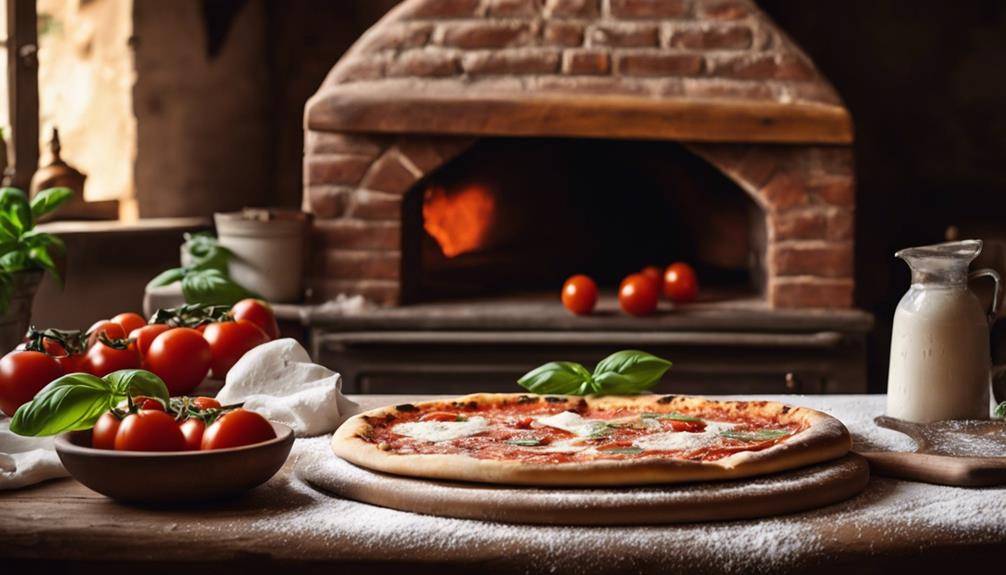
8 Best Steps To Authentic Italian Pizza Making: To make authentic Italian pizza, start by choosing high-quality ingredients like Tipo 00 flour and San Marzano tomatoes. Next, master your pizza dough by kneading it properly and allowing for adequate resting time. Perfect your sauce with fresh herbs and a balanced flavor. When selecting toppings, focus on tradition and freshness. Preheat your oven to at least 475°F and shape the pizza with care, using gravity to stretch it. Bake until the crust is golden and bubbly, then serve it up beautifully. You'll find that each step plays a vital role in achieving that authentic taste. There's more to explore!
Choose Quality Ingredients
Click Here and Turn Every Masterpiece into a Showstopper!
When you make pizza, choosing quality ingredients is essential, as they directly impact the flavor and authenticity of your dish. Start with organic flour; its superior quality contributes to a better dough texture and flavor. Look for artisan cheese, like freshly made mozzarella varieties, that can elevate your pizza's taste. A good cheese not only melts beautifully but also adds richness to the overall flavor profile.
Next, don't overlook San Marzano tomatoes. These tomatoes are renowned for their sweetness and low acidity, making them the perfect base for your sauce. When combined with traditional herbs like basil and oregano, you'll create a sauce that sings with authentic Italian flavor. For the finishing touch, opt for extra virgin olive oil; its robust flavor enhances the dish and ties all the ingredients together.
Shopping at local markets can also yield seasonal produce that adds unique touches to your pizza. Seasonal vegetables, like zucchini or artichokes, can bring freshness and vibrancy to your dish. Remember to reflect on the fermentation process of your dough, as this can greatly enhance the flavor and texture of your crust.
Master the Pizza Dough
To master pizza dough, you'll want to focus on the right technique and timing. Start with high-quality flour, ideally Tipo 00, which gives your dough the perfect texture. Next, pay attention to dough hydration. A hydration level of around 60-65% is ideal for a soft, chewy crust. This means you'll need to use more water relative to the flour, which can seem tricky at first, but it's essential for achieving that authentic Italian bite.
When mixing your ingredients, combine flour, water, yeast, and salt in a bowl. Use your hands to knead the dough until it's smooth and elastic—this usually takes about 10 minutes. After kneading, let your dough rest for 15-30 minutes. This process, known as autolyse, helps to improve gluten development.
Now, let's explore fermentation techniques. You can choose between bulk fermentation or a longer cold fermentation in the fridge. Bulk fermentation typically lasts 1-2 hours at room temperature, while cold fermentation can take 24-72 hours. The longer fermentation allows for more complex flavors to develop, so don't rush it!
Once your dough has risen, gently shape it into balls and let them rest for another hour. This gives your dough time to relax, making it easier to stretch later. Remember, patience is key! When you get it right, you'll have the foundation for a truly delicious pizza.
Perfect the Sauce
A great pizza sauce can make all the difference, elevating your creation from ordinary to extraordinary. To perfect your sauce, start with high-quality tomatoes, preferably San Marzano, known for their rich flavor. You can use canned whole tomatoes or crush them by hand for a rustic texture.
Next, focus on achieving the right sauce consistency. You want it to be thick enough to hold up on your pizza but not so thick that it overwhelms the crust. To achieve this, simmer your sauce gently, allowing excess moisture to evaporate. This process will concentrate the flavors, giving your sauce that authentic taste.
Herb infusion is another vital step. Fresh basil, oregano, and a touch of garlic can elevate your sauce to new heights. Add these herbs during the cooking process to allow their flavors to meld beautifully. If you prefer a bolder flavor, consider adding a pinch of red pepper flakes for a little heat.
Once your sauce is ready, taste it. Adjust the seasoning with salt, pepper, or a sprinkle of sugar if the tomatoes are too acidic. Remember, the goal is a balanced flavor that complements your pizza without overpowering it.
Select Authentic Toppings
When it comes to authentic pizza, the toppings you choose can make all the difference. You should focus on traditional combinations and prioritize fresh, high-quality ingredients for the best flavor. Don't forget to explore regional specialty toppings that truly reflect Italy's rich culinary heritage.
Traditional Topping Combinations
Exploring traditional Italian pizza toppings reveals a delightful array of authentic flavors that capture the essence of Italy. You'll find classic toppings like San Marzano tomatoes, fresh mozzarella, and basil, which create a simple yet flavorful Margherita pizza. For those who love a bit more flair, consider gourmet variations that include truffle oil drizzles or artisanal cheese blends.
Seasonal ingredients play an essential role in crafting a pizza that celebrates the best of what's available. In summer, ripe tomatoes and zucchini shine, while winter might inspire you to add hearty greens or roasted root vegetables. Family recipes often highlight local favorites, such as prosciutto di Parma or spicy salami for meat lovers.
Don't forget about vegetarian options, which can be just as indulgent. Think roasted peppers, artichokes, or a medley of mushrooms paired with fresh herbs, bringing depth and complexity to every bite. Experiment with flavor pairings to elevate your pizza experience. Whether you're sticking to tradition or adding your twist, these topping combinations will surely transport your taste buds straight to Italy.
Fresh, High-Quality Ingredients
To create an authentic Italian pizza, the quality of your ingredients is just as important as the toppings themselves. Begin by sourcing fresh, high-quality ingredients that reflect the true essence of Italian cuisine. Seek out local farmers who can provide you with seasonal produce, ensuring you're using fruits and vegetables at their peak flavor.
When selecting your toppings, think about simple yet vibrant choices. Fresh tomatoes, whether San Marzano or heirloom, are essential for a rich sauce. Opt for mozzarella di bufala, made from water buffalo milk, for its creamy texture and unique taste. Don't forget about aromatic herbs like fresh basil or oregano, which can elevate your pizza's flavor profile.
Also, consider adding quality meats like prosciutto or salami, sourced from local artisans. These ingredients not only enhance the taste but also support your community. When you prioritize fresh, local ingredients, your pizza will shine with authenticity and taste. Remember, the goal is to let each ingredient sing, creating a harmonious balance that reflects the heart of Italian pizza making. So go ahead, embrace the bounty of local farmers and make your pizza a delectable masterpiece!
Regional Specialty Toppings
Across Italy, regional specialty toppings bring unique flavors and traditions to each pizza. When you immerse yourself in the world of Italian pizza, you'll discover that regional variations play an essential role in defining what makes each pie special. For instance, if you find yourself in Naples, you can't miss the classic Margherita, topped with fresh mozzarella, basil, and San Marzano tomatoes. This simple yet iconic combination reflects the local pride in high-quality ingredients.
Travel north to Lombardy, and you'll encounter the delicious combination of gorgonzola cheese, walnuts, and pears. These topping pairings create a delightful balance of flavors that capture the essence of the region's culinary heritage. In Sicily, you might be tempted by a pizza topped with capers, olives, and anchovies, showcasing the island's Mediterranean influence.
As you explore these regional specialties, remember that authenticity lies in the ingredients' freshness and the harmony of flavors. Embrace the opportunity to experiment with local toppings when making your pizza at home. By selecting authentic regional toppings, you'll create a pizza that not only tastes incredible but also pays homage to Italy's rich culinary traditions.
Preheat Your Oven
Preheating your oven is an important step in making authentic Italian pizza, guaranteeing that the crust gets the perfect balance of crispiness and chewiness. To achieve this, you'll want to set your oven temperature to at least 475°F (245°C) or higher, if possible. Many professional pizzerias recommend using an even higher setting to replicate that wood-fired flavor.
If you have a baking stone, place it in the oven while it preheats. This tool is essential because it absorbs heat and retains it, allowing for a quick transfer of that heat to the pizza when it goes in. You should preheat the baking stone for at least 30 minutes to make sure it's hot enough. This step is critical, as it helps create a beautifully charred crust reminiscent of traditional Italian pizzerias.
Keep in mind that the oven's heat needs to be evenly distributed, so avoid opening the door frequently during preheating. Once the oven reaches the desired temperature, you'll be ready to bake your pizza. Preheating is about more than just temperature; it's about creating the right environment for your pizza to thrive. With a well-preheated oven and a hot baking stone, you're setting yourself up for success. Remember, a properly preheated oven is the first step in your journey toward mastering authentic Italian pizza!
Click Here and Turn Every Masterpiece into a Showstopper!
Shape the Pizza
Shaping the pizza is an essential step that can make or break your creation. You want to guarantee that your dough is evenly shaped for consistent cooking and a great texture. Start by lightly flouring your work surface to prevent sticking. Grab your ball of dough and gently flatten it with your fingers. Use your palms to press outwards, maintaining a slight thickness around the edges for that delicious crust.
When it comes to pizza shaping techniques, the classic method involves stretching the dough. Lift the dough and let gravity help you as you gently tug and rotate it. Keep your hands underneath, using your fingertips to stretch while being careful not to tear it. If you encounter resistance, let it rest for a few minutes; this allows the gluten to relax, making it easier to shape.
Remember your dough handling tips: always handle the dough with care. Avoid excessive force, as this can lead to a dense crust. Work slowly and enjoy the process! Once you've achieved your desired thickness, you can add a slight lip around the edges to catch those delicious toppings and create a beautiful crust.
Bake With Care
Baking your pizza is just as essential as preparing the dough. Once you've shaped your masterpiece, it's time to focus on the baking process. The right baking techniques can make or break your pizza, so pay attention to every detail.
First, preheat your oven to the ideal temperature. Authentic Italian pizza typically requires a high oven temperature, around 475°F to 500°F (245°C to 260°C). This guarantees that your pizza cooks quickly, allowing the crust to become crispy while keeping the toppings fresh and flavorful. If you have a pizza stone or steel, place it in the oven while it preheats. This will help retain heat and give your crust that perfect texture.
When your oven is ready, carefully slide your pizza onto the stone or steel using a pizza peel. Make sure you don't overload your pizza with toppings, as this can lead to uneven baking. Keep an eye on the pizza as it bakes, usually around 10 to 15 minutes. You want to achieve a golden-brown crust with bubbling cheese.
If you notice that the edges are browning too quickly, you can rotate the pizza halfway through baking. This guarantees even cooking and prevents any burnt spots. Mastering these baking techniques will elevate your pizza to new heights, creating a delicious, authentic experience that'll impress anyone who takes a slice. So, get ready to enjoy the fruits of your labor!
Serve and Enjoy
After you've mastered the art of baking your pizza to perfection, it's time to serve and enjoy your creation. Pizza serving is an essential part of the dining experience, and how you present your pizza can elevate the entire meal. Start by placing your pizza on a wooden board or a stylish platter, and use a pizza cutter for clean slices. A well-presented pizza not only looks appetizing but also enhances the cultural significance of this beloved dish.
As you gather friends and family, sharing tips about your pizza-making process can spark conversations and add to the enjoyment of the moment. Encourage everyone to engage in a taste exploration, where they can savor the flavors of your carefully crafted pizza. Consider pairing beverages that complement the ingredients; a crisp Italian white wine or a light lager can enhance the meal enjoyment.
Click Here and Turn Every Masterpiece into a Showstopper!
Frequently Asked Questions: 8 Best Steps To Authentic Italian Pizza Making
Can I Use a Pizza Stone for Baking?
Yes, you can use a pizza stone for baking. Its benefits include even heat distribution and a crispy crust. Using pizza stones helps absorb moisture, giving your pizza that perfect texture you crave.
How Do I Store Leftover Pizza Properly?
To store leftover pizza properly, wrap it in aluminum foil or place it in an airtight container. For reheating, use the oven or a skillet for the best results. Follow these pizza storage tips for freshness!
What Type of Flour Is Best for Pizza?
When choosing flour types for pizza, you'll want high gluten content for that perfect chewy crust. Look for bread flour or '00' flour, which provides the ideal texture and flavor for authentic pizza.
How Long Can Pizza Dough Be Refrigerated?
You can refrigerate pizza dough for about 1 to 3 days. This allows for dough fermentation, enhancing flavor. Just remember, yeast activation slows down in the fridge, so plan your timing accordingly for the best results.
Can I Freeze Pizza Dough for Later Use?
Yes, you can freeze pizza dough for later use. Just guarantee proper dough preparation by dividing it into portions, wrapping them tightly, and using effective freezing techniques to maintain freshness for up to three months.

Conclusion
By following these eight steps, you're well on your way to creating authentic Italian pizza right in your own kitchen. Remember, it's all about quality ingredients, mastering the dough, and baking with care. Don't rush the process; take your time to enjoy each step. Once you've pulled that golden, bubbling masterpiece from the oven, gather your friends and family, serve it up, and savor every delicious slice. Buon appetito!