Best Temperature For Smoking Pork
The Best Temperature For Smoking Pork is between 225°F and 250°F. This low and slow method allows flavors to develop and guarantees your meat turns out tender. Smoking at this range helps with smoke penetration, making your pork incredibly flavorful. For cuts like pork shoulder or pulled pork, you’ll want to reach an internal temperature of 195°F to 205°F, while pork loin should aim for 145°F. Using a reliable thermometer is key to perfect results. Stick around, and you’ll uncover more tips to enhance your smoking experience and master the perfect pork.
Understanding Smoking Temperatures
Understanding smoking temperatures is vital for achieving perfectly smoked pork. When you smoke pork, you’re not just cooking meat; you’re transforming it with flavor and texture through the right smoking techniques. Temperature variations play an important role in this process. If you aim for tender, juicy meat, knowing how to control temperature is key.
You’ll want to keep your smoker at a consistent temperature throughout the process. Lower temperatures, around 225°F to 250°F, are ideal for long, slow smoking. This method allows the collagen in the meat to break down, resulting in that melt-in-your-mouth texture. However, if you increase the temperature to around 300°F, you’ll speed up the cooking process. Just remember, higher temperatures can lead to drying out the meat if you’re not careful.
It’s also important to monitor the internal temperature of the pork. Using a reliable meat thermometer will help you verify that your pork reaches the appropriate doneness without overcooking. You might experiment with different smoking techniques, like offset smoking or using a water pan, to see how they affect your pork’s outcome.
Ideal Temperatures for Pork Cuts
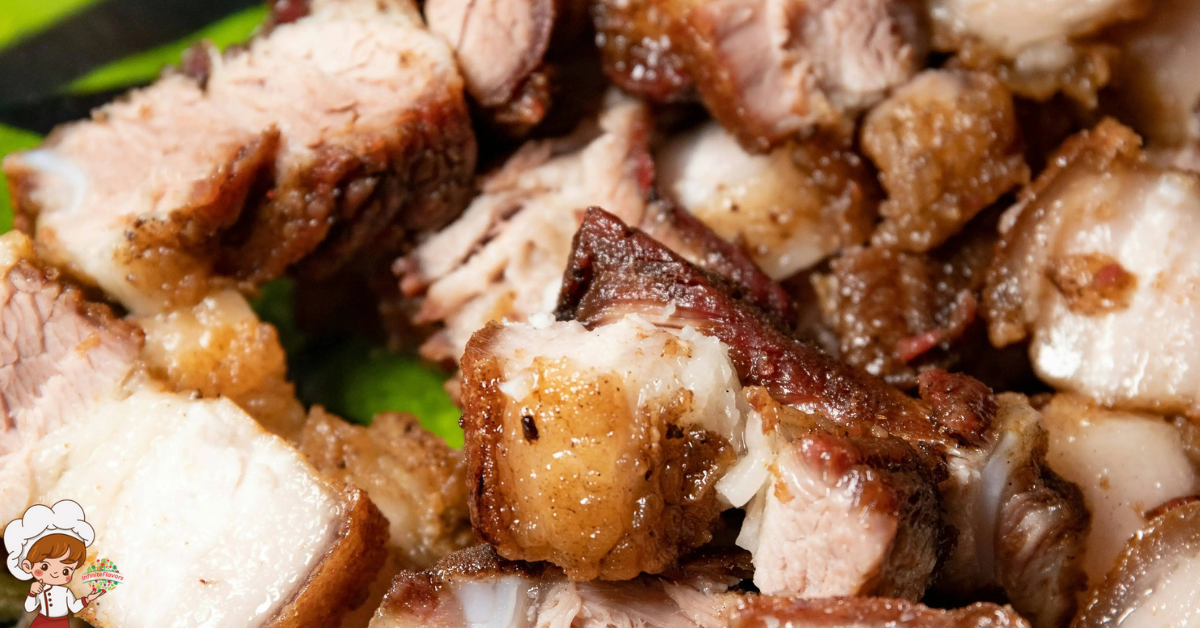
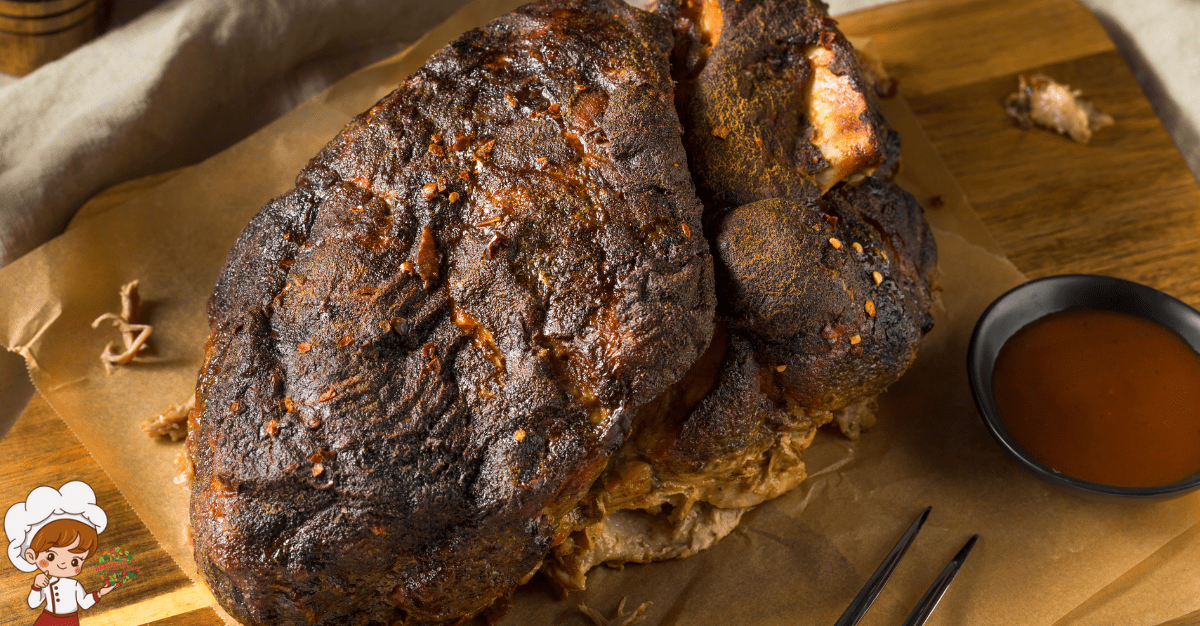
When it comes to smoking different cuts of pork, hitting the right temperature can make all the difference in flavor and tenderness. For pork shoulder, aim for a smoking temperature of around 225°F to 250°F. This low and steady heat allows the fat and connective tissue to break down, resulting in a tender and juicy pulled pork. You’ll want to smoke it until it reaches an internal temperature of about 195°F to 205°F. This guarantees that the meat is tender enough to pull apart easily.
On the other hand, when you’re working with pork loin, you should target a slightly higher smoking temperature, around 225°F to 275°F. Pork loin is leaner than shoulder, so you don’t want to overcook it. An internal temperature of 145°F is your goal for a perfectly juicy and slightly pink center. This cut benefits from a shorter cooking time, so keep a close eye on it to avoid drying out.
Knowing the ideal temperatures for each cut can help you make the most of your smoking experience. By understanding the unique characteristics of pork shoulder and pork loin, you can guarantee that every bite is flavorful and tender. So, whether you’re craving pulled pork or a succulent loin, adjusting your temperatures will lead you to a delicious meal every time.
Low and Slow Cooking Method
Smoking pork is all about the low and slow cooking method, which helps to develop deep flavors and tender textures. This technique involves cooking your pork at low temperatures, typically between 225°F and 250°F, for several hours. By extending the cooking time, you allow the smoke to penetrate the meat, enhancing its flavor profile while breaking down tough connective tissues.
When you use low and slow cooking, you’re embracing some of the best smoking techniques available. This method requires patience, but the results are worth it. As the pork cooks, the fat renders, moistening the meat and creating a luscious mouthfeel. Different wood types like hickory, apple, or cherry can further refine your flavor profiles, adding unique notes that make your dish stand out.
You’ll want to monitor the internal temperature of the pork closely, aiming for around 195°F to 205°F for pulled pork. This guarantees that the collagen has broken down sufficiently, resulting in a tender, flavorful bite. Keeping the temperature low also helps avoid drying out the meat, which can happen if you rush the process.
In addition to enhancing flavors and tenderness, this cooking method allows you to experiment. You can try various rubs and marinades, adjusting the sweetness or spice to match your palate. With low and slow cooking, you’re not just preparing a meal; you’re creating an unforgettable experience.
The Maillard Reaction Explained
Achieving that perfect crust on smoked pork hinges on the Maillard reaction, a complex chemical process that occurs when proteins and sugars in the meat are exposed to heat. This reaction is vital for flavor development, creating those rich, savory notes you crave in your barbecue. When you smoke pork at the right temperature, typically around 225 to 250°F, you’re encouraging this reaction to unfold, resulting in a beautifully browned exterior.
As the temperature rises, amino acids and reducing sugars in the meat begin to interact, forming a multitude of new compounds that enhance both flavor and aroma. You’re not just cooking; you’re transforming the meat into something extraordinary. This is why the Maillard reaction is often a focal point for pitmasters who want to elevate their dishes.
To maximize this flavor development, it is important to maintain a consistent temperature during the smoking process. If it fluctuates too much, you risk disrupting the Maillard reaction, leading to an uneven crust. Remember, the goal is to create a deep, caramelized surface that locks in moisture while adding that sought-after smoky flavor.
Recommended Internal Temperatures
To guarantee your smoked pork is both safe and delicious, it’s crucial to hit the right internal temperatures. Knowing the recommended internal temperatures for various cuts of pork will help you achieve the perfect pork doneness while maintaining food safety.
For pulled pork, aim for an internal temperature of 195°F to 205°F. This range allows the collagen in the meat to break down, resulting in tender, shreddable meat. If you’re smoking pork shoulder, keep an eye on reaching at least 190°F. This will provide that sought-after melt-in-your-mouth texture.
For pork chops and loin, you’ll want to hit a lower internal temperature of 145°F. This guarantees the meat remains juicy while still being safe to eat. Allowing the pork to rest for a few minutes after cooking will help the juices redistribute, enhancing the flavor.
If you’re cooking a whole pork loin or tenderloin, it’s also safe to pull it at 145°F. However, remember that it’ll continue to cook a bit while resting, so consider removing it from the smoker just before it reaches that temperature.
Always use a reliable meat thermometer to check for safe temperatures. This way, you’ll avoid undercooked pork and guarantee you enjoy a mouthwatering, fully cooked meal. Trust the thermometer, and you’ll master the art of smoking pork while keeping your diners safe and satisfied!
Choosing the Right Wood
When it comes to enhancing the flavor of your smoked pork, choosing the right wood is vital. The type of wood you use dramatically influences the flavor profile of your meat. Popular wood types for smoking pork include hickory, apple, cherry, and mesquite. Each wood brings its unique wood flavor, so think about what taste you want to achieve.
Wood pairing is also important. For instance, fruit woods like apple provide a sweet and mild flavor, perfect for pork, while hickory offers a stronger, more robust taste. Mixing different smoking woods can create a complex flavor, so don’t hesitate to experiment.
Next, consider wood moisture. Well-seasoned wood, ideally with a moisture content of around 20%, burns more evenly and produces a cleaner smoke. Sourcing your wood from reputable suppliers guarantees you get quality smoking wood. Avoid treated woods that can impart undesirable flavors and harmful chemicals to your pork.
Preparation matters too. Before smoking, make sure your wood is cut into manageable chunks and soaked if you’re using larger pieces. This can help control the burn rate and smoke production. Finally, proper wood storage is key. Keep your wood in a dry, well-ventilated area to prevent mold and decay, guaranteeing you always have the best wood ready when it’s time to smoke.
The Importance of Resting Meat
After you’ve chosen the right wood and enjoyed the smoking process, don’t skip the important step of resting your meat. Resting is essential for achieving maximum meat tenderness, and it allows the juices to redistribute throughout the pork. If you slice into it too soon, those flavorful juices will run out, leaving you with a dry cut.
To properly rest your smoked pork, you can use various resting techniques. One effective method is to wrap the meat loosely in aluminum foil. This helps retain heat while preventing the crust from becoming soggy. Another option is to place the meat in a cooler or insulated container, which keeps it warm without cooking it further. Aim to let your pork rest for at least 30 minutes, but if you have the patience, an hour or more can make a significant difference.
During this resting period, the internal temperature will stabilize, leading to an even more consistent texture. You’ll notice that the meat becomes easier to slice, and each piece retains more moisture. This simple step transforms your smoked pork from good to great, enhancing its overall flavor and texture.
Common Mistakes to Avoid
When smoking pork, you can’t overlook the importance of temperature control. Ignoring this can lead to undercooked or overcooked meat, ruining your meal. Plus, skipping the resting time after cooking means missing out on those juicy flavors you worked hard to achieve.
Ignoring Temperature Control
Temperature control is essential in smoking pork, yet many beginners overlook it. They often fall prey to smoking myths, believing that as long as they use good wood and season well, the temperature doesn’t matter. This couldn’t be further from the truth. Temperature misconceptions can lead to tough, dry meat or unsafe eating conditions.
When smoking pork, you should maintain a steady cooking temperature between 225°F and 250°F. If your temperature fluctuates too much, you risk not cooking the meat evenly, which can ruin your hard work. Using a reliable meat thermometer helps confirm you’re tracking the internal temperature accurately.
Some might think that once the meat reaches a certain temperature, it’s done, but remember that carryover cooking can affect the final product. By ignoring temperature control, you’re setting yourself up for disappointment. Instead, focus on keeping the heat consistent and monitoring the internal temperature closely.
Overlooking Meat Resting Time
Many pitmasters rush to slice into their smoked pork right after it comes off the grill, but doing so can lead to a disappointing meal. Immediately cutting into the meat causes all those flavorful juices to escape, resulting in a dry, less enjoyable dish. Instead, let your pork rest for at least 15-30 minutes before slicing. This resting time allows the meat temperature to even out, ensuring a juicier bite.
Resting has significant benefits; as the pork sits, the juices redistribute throughout the meat, enhancing flavor and moisture. If you skip this essential step, you miss out on the full potential of your hard work. The meat will continue to cook slightly during this time, making it more tender and delicious.
Tools for Temperature Monitoring
To guarantee your pork is smoked to perfection, having the right tools for temperature monitoring is vital. Using digital thermometers is one of the most reliable ways to make sure your meat reaches the ideal temperature. Instant read gauges provide quick results, allowing you to check your pork without opening the smoker too often. For more precise monitoring, consider using needle probes, which can be inserted directly into the thickest part of the meat.
Wireless monitoring systems take it a step further by letting you keep an eye on the temperature from a distance. These devices often connect to smoking apps on your phone, giving you real-time updates and alerts. When using any thermometer, probe placement is essential. Always insert the probe into the thickest section of the meat, avoiding bone to get an accurate reading.
Don’t forget to keep temperature charts handy, as they can guide you on the ideal temperatures for various cuts of pork. Regularly checking the accuracy of your tools with calibration tips makes sure you’re getting precise readings. It’s frustrating to think you’ve nailed the cooking process only to find out your thermometer was off.
Enhancing Flavor With Marinades
Marinades are essential for infusing your pork with rich flavors and tenderizing the meat. You can experiment with various types of marinades, from acidic to sweet, to find the perfect balance that suits your taste. Let’s explore how the right marinade can elevate your smoking experience.
Importance of Marinades
Using a good marinade can transform your pork from ordinary to extraordinary, enhancing its flavor and tenderness. The marinade benefits go beyond just taste; it also helps to break down the proteins in the meat, making it juicier and more tender. When you let your pork soak in a flavorful mixture, you’re allowing a deep flavor infusion that penetrates the meat, ensuring every bite is delicious.
Marinades typically consist of acid, oil, and various herbs and spices, which work together to elevate the dish. The acid, whether from vinegar, citrus juice, or wine, helps to tenderize the pork while adding a zesty kick. The oil carries the flavors of the herbs and spices, ensuring they’re evenly distributed throughout the meat.
Types of Marinades
When it comes to enhancing flavor, different types of marinades can take your pork dishes to the next level. Citrus marinades, for instance, add a bright, zesty kick that complements the natural sweetness of pork. You can also explore herb blends, which infuse your meat with aromatic flavors, making it fragrant and delicious.
If you prefer something sweeter, sweet glazes can caramelize beautifully during cooking, creating a mouthwatering finish. For those who like it hot, spicy sauces are a fantastic choice, giving a fiery punch that cuts through the richness of the meat. Vinegar-based marinades provide a tangy depth, while oil-infused options help to keep your pork moist and tender.
Yogurt marinades are another great option, as they tenderize the meat and add a creamy richness. You might also consider using soy sauce, which brings a savory umami flavor to the mix. Finally, fruit purees can add a unique sweetness, and garlic mixtures contribute bold, aromatic layers. Experimenting with these various types will elevate your smoking game and make every bite unforgettable!
Smoking Time for Different Cuts
While the ideal smoking time varies based on the cut of pork, understanding these differences is essential for achieving tender, flavorful results. Each cut has its own smoking duration, which can greatly affect the final texture and flavor. For instance, when you’re smoking pork shoulder, you should plan for a longer cooking time, typically around 8 to 12 hours. This cut benefits from low and slow cooking, allowing the fat and connective tissue to break down beautifully.
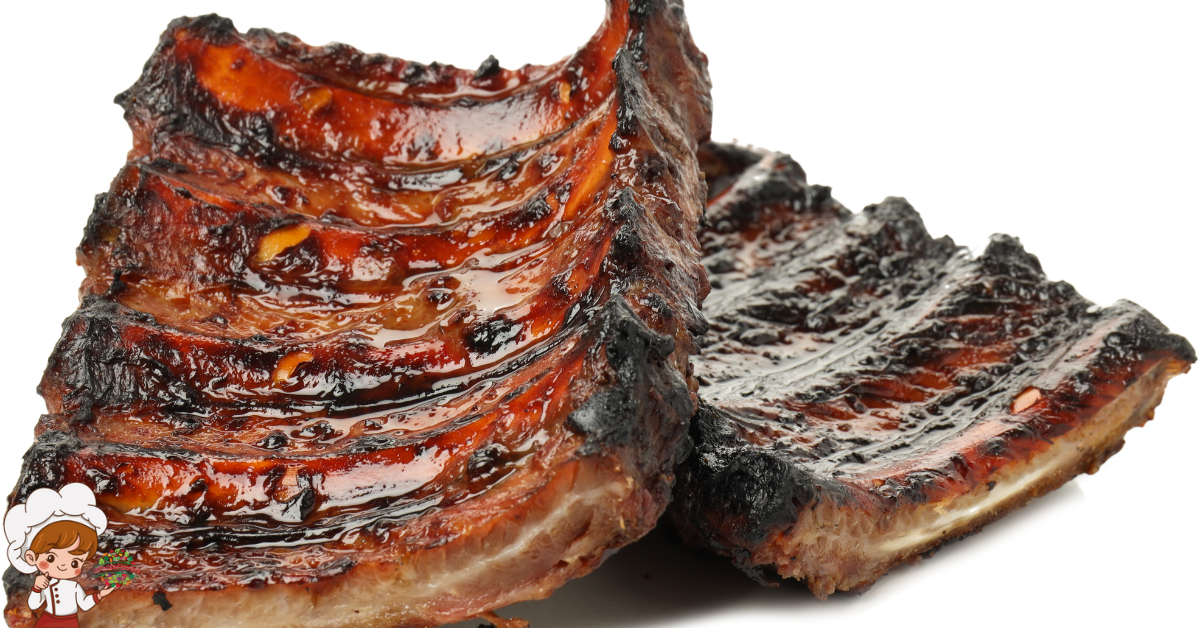
On the other hand, if you’re smoking pork ribs, you’ll find that the smoking duration is shorter, usually around 5 to 6 hours. The 3-2-1 method is a popular approach for ribs, where you smoke them for 3 hours, wrap in foil for 2 hours, and then finish uncovered for the final hour. This not only enhances the flavor but also helps achieve that fall-off-the-bone tenderness.
For pork loin, you’re looking at a quicker cooking variation, generally around 3 to 4 hours. This cut is leaner, so it’s vital to avoid overcooking it, as it can dry out. Finally, if you’re smoking a whole pork butt, prepare for an extensive smoking session of 10 to 14 hours.
Post-Smoking Finishing Techniques
After you’ve smoked your pork to perfection, the finishing techniques can elevate your dish even further. One of the best ways to enhance the flavor is by applying post smoking sauces. These sauces can add moisture and a burst of flavor that complements the smoky notes of the meat. You can choose from a variety of sauces, like tangy vinegar-based sauces or sweet, sticky barbecue sauces. Brush them onto your pork during the last few minutes of cooking to create a delicious glaze that caramelizes beautifully.
Another effective technique is to use finishing glazes. These glazes often combine ingredients like honey, soy sauce, or fruit preserves, delivering a glossy, flavorful coat that makes your pork visually appealing. To apply, heat the glaze in a saucepan until it’s warm and slightly thickened. Then, use a brush to generously coat the pork, ensuring every bite is packed with flavor.
You might also consider letting your smoked pork rest for a bit before serving. This allows the juices to redistribute, ensuring your meat remains tender and juicy. When you slice into it, the flavors from the sauce or glaze will have melded beautifully with the pork.
Frequently Asked Questions: Best Temperature For Smoking Pork
What Are the Best Wood Types for Smoking Pork?
When choosing wood for smoking pork, consider hickory for its strong flavor, apple for a sweet touch, or cherry for a mild profile. Experiment with these wood flavor profiles and different smoking techniques to enhance your dish.
How Does Weather Affect Smoking Temperatures?
Weather impacts your smoking techniques greatly. Wind and humidity can cause temperature variations, making it harder to maintain consistent heat. Be prepared to adjust your approach based on the conditions for ideal smoking results.
Can I Smoke Pork at Higher Temperatures?
Yes, you can smoke pork at higher temperatures. However, it may affect the meat tenderness. Experiment with different smoking techniques to find what works best for you, ensuring a juicy and flavorful outcome.
What Side Dishes Pair Well With Smoked Pork?
When you’re enjoying smoked pork, consider sides like coleslaw, baked beans, or cornbread. These dishes enhance the flavor profiles of smoked pork, balancing its richness while adding freshness or sweetness to your meal.
How Do I Store Leftover Smoked Pork?
To store leftover smoked pork, vacuum seal it for freshness and prevent freezer burn. If refrigerating, keep it in an airtight container and consume within three to four days for the best flavor and quality.

Conclusion
To sum up, finding the best temperature for smoking pork is key to achieving delicious results. Stick to the ideal temperatures for different cuts, embrace the low and slow cooking method, and don’t forget about the Maillard reaction for that perfect crust. Keep an eye on internal temperatures and use tools to monitor your progress. With a bit of patience and some flavorful marinades, you’ll enjoy mouthwatering smoked pork every time. Happy smoking!
If you enjoyed exploring this topic and want to dive even deeper, be sure to check out some of our other articles here on Infinite Flavors. From rich culinary histories to creative twists on classic recipes, there’s always something new to discover. Whether you’re curious about the origins of a dish, looking for fresh inspiration in the kitchen, or simply love learning about food culture, our collection of posts is the perfect next step on your flavor journey.
Smoking Fish In A Charcoal Smoker
The Best Guide To Hot Smoking Vs Cold Smoking
How To: Using Liquid Smoke In Cooking