Braising In A Pressure Cooker
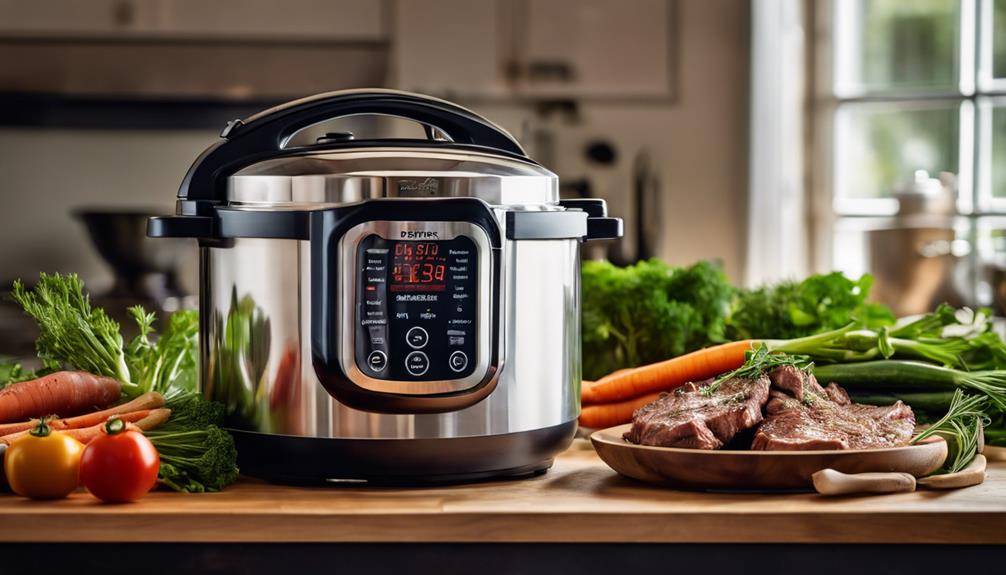
Braising In A Pressure Cooker: Braising in a pressure cooker's a game-changer for tough cuts of meat. You'll start by browning your meat in oil to get that delicious crust. Once it's seared, add your choice of flavorful liquid, like broth or wine. Seal the lid, set it to high pressure, and cook for about 45 minutes. This method not only saves time but also locks in moisture and nutrients. Plus, feel free to experiment with herbs and spices for added depth. With these basics, you can create mouthwatering meals quickly, so stick around to explore some tasty recipes and tips!
Click Here and Turn Every Masterpiece into a Showstopper!
What Is Braising?
Braising is a cooking technique that combines both moist and dry heat, allowing you to transform tough cuts of meat into tender, flavorful dishes. You start by searing the meat in a hot pan to develop a rich, brown crust. This step adds depth to your dish and sets the stage for the braising process. Once the meat is browned, you'll add a small amount of liquid—like broth, wine, or even water—then cover the pot and cook it slowly at a low temperature.
Historically, braising has roots in various cuisines around the world. Ancient cultures utilized this method to make the most out of tougher cuts of meat, which were often the only available options. As you explore historical braising, you'll find that it's been a practical technique for centuries, allowing cooks to not only preserve but enhance the flavor of their food.
Different braising techniques can vary based on regional ingredients and traditional methods. For example, in some cultures, you might find the use of aromatic spices, while others lean on herbs or vegetables for flavor. Regardless of the variations, the essence of braising remains the same: slow cooking in a covered pot to achieve an incredibly tender result.
Benefits of Pressure Cooking
When it comes to cooking techniques, pressure cooking offers a fast and efficient way to achieve tender, flavorful results, making it an excellent companion to braising. One of the standout benefits of pressure cooking is time efficiency. You can notably reduce cooking times compared to traditional methods, allowing you to enjoy delicious meals without spending hours in the kitchen. For busy individuals and families, this means you can whip up hearty dishes even on hectic weekdays.
Another key advantage is the health benefits. Pressure cooking retains more nutrients in your food compared to other cooking methods. Because it uses less water and cooks quickly, vegetables and meats preserve their vitamins and minerals, resulting in healthier meals. This is particularly important if you're conscious of your dietary intake and want to maximize the nutritional value of your meals.
Moreover, pressure cooking can help you use less oil and fat, making it easier to create heart-healthy dishes. With the ability to infuse flavors deeply while maintaining moisture, you can enjoy rich and satisfying meals without the extra calories.
Essential Ingredients for Braising
When it comes to braising, choosing the right ingredients is vital for a delicious outcome. You'll want to select key protein choices, flavorful liquids, and aromatic herbs that will bring your dish to life. Let's explore these essential components to guarantee your pressure-cooked meals are both tasty and satisfying.
Key Protein Choices
Choosing the right protein is essential for achieving that tender, flavorful result you crave in braised dishes. With so many options, you can easily find a protein that suits your taste. For beef options, chuck roast and short ribs are ideal, as they become melt-in-your-mouth tender. If you prefer pork varieties, consider using shoulder or belly for rich flavors.
Chicken choices, like thighs or drumsticks, work well and absorb flavors beautifully. For something a bit more luxurious, lamb cuts such as shanks or shoulder add a unique taste to your dish. Don't overlook seafood selections; fish like salmon or halibut can be braised for a lighter meal.
If you're looking for vegetarian proteins, hearty options like mushrooms or root vegetables can stand in for meat. Tofu alternatives, particularly firm or extra-firm tofu, soak up flavors and add protein to your dish. Finally, game meats like venison or duck offer a different flavor profile that's worth exploring. Whatever protein you choose, make certain it's well-marbled or has enough fat to keep it moist during the braising process.
Flavorful Liquid Options
A variety of flavorful liquids can elevate your braised dishes, ensuring every bite is packed with taste. When choosing your base, consider broth variations like beef, chicken, or vegetable stock. Each type brings its own unique depth and richness to the dish. You can even mix different broths to create a more complex flavor profile.
Wine choices are another essential factor in braising. A good rule of thumb is to use a wine that you'd enjoy drinking. Red wines, such as Merlot or Cabernet Sauvignon, pair well with hearty meats, while white wines like Chardonnay or Sauvignon Blanc work beautifully with poultry and seafood. Don't shy away from experimenting with fortified wines like sherry or port for a touch of sweetness.
Aromatic Herb Additions
Enhancing your braised dishes with aromatic herbs can transform them from simple to sensational. When you incorporate the right herb combinations, you elevate the flavors and create a depth that's hard to resist. Fresh herbs like thyme, rosemary, and bay leaves work exceptionally well, infusing your dish with a fragrant aroma that permeates every bite.
As you prepare your ingredients, consider creating a herb infusion. This technique involves steeping your chosen herbs in the braising liquid, allowing their oils and essences to blend seamlessly. For instance, adding a handful of parsley or a sprig of tarragon can impart a fresh note that contrasts beautifully with the richness of your meat.
Don't shy away from experimenting with different herb combinations. Try mixing dill with fennel fronds for a unique twist or adding sage for an earthy flavor. Remember, less is often more; you want the herbs to enhance, not overpower. So, sprinkle in your herbs during the last moments of cooking to maintain their vibrant qualities, ensuring your braised dish emerges not only tender but also bursting with aromatic goodness.
Choosing the Right Pressure Cooker
When it comes to selecting a pressure cooker, understanding your cooking habits and needs is essential. You'll want to evaluate the type of pressure cooker that best fits your lifestyle: electric pressure cookers or stovetop pressure cookers. Each has its advantages, depending on how you plan to use it.
If you prefer convenience and versatility, an electric pressure cooker might be your best bet. These appliances often come with various pre-set functions, making them ideal for busy home cooks. With features like slow cooking, sautéing, and even yogurt-making, they can handle a range of recipes beyond just braising. Plus, they usually have built-in safety features, which can be a significant advantage for those new to pressure cooking.
On the other hand, stovetop pressure cookers are great for those who want more control over cooking times and pressure levels. They heat up quickly and can cook food faster than electric models. If you enjoy traditional cooking techniques and want to achieve specific textures or flavors, a stovetop pressure cooker could be the way to go.
Before making a decision, think about your kitchen space, how often you cook, and the types of dishes you want to prepare. Evaluating these factors will help you choose the right pressure cooker that complements your cooking style and meets your culinary needs.
Click Here and Turn Every Masterpiece into a Showstopper!
Step-by-Step Braising Process
Braising in a pressure cooker can transform tough cuts of meat into tender, flavorful dishes in no time. To get started, choose your meat, such as beef chuck or pork shoulder. Cut it into manageable pieces, usually around 2 to 3 inches. Season the meat with salt and pepper to enhance its flavor.
Next, select the right pressure cooker settings. Use the sauté function to heat some oil in the cooker. Once the oil is hot, brown the meat on all sides. This step adds depth to your dish through the Maillard reaction, an essential part of braising techniques. Don't overcrowd the pot; brown the meat in batches if necessary.
After browning, remove the meat and set it aside. In the same pot, add aromatics like onions, garlic, and carrots. Sauté these until they're softened, scraping up any browned bits from the bottom. This step builds flavor. Once the aromatics are ready, return the meat to the pot and pour in your choice of liquid, like broth or wine, making sure to cover about half of the meat.
Seal the pressure cooker and set it to high pressure. Cook for about 45 minutes, depending on the size of your meat pieces. When the timer goes off, allow for a natural release of pressure for about 10 minutes before manually releasing any remaining pressure. Open the lid, and you're ready to enjoy a deliciously braised meal!
Tips for Perfect Results
To achieve perfect results in your pressure cooker braising, pay attention to the quality of your ingredients. Start with fresh, high-quality meats and vegetables. Choose cuts that are suitable for braising, like chuck roast or short ribs, as they become tender and flavorful under pressure. When it comes to vegetables, hearty options like carrots, potatoes, and onions hold up well during cooking.
Next, consider your braising techniques. Browning your meat before pressure cooking not only adds depth of flavor but also enhances the texture. Use your pressure cooker's sauté function to achieve a nice sear before adding liquids. Speaking of liquids, be mindful of the ratios. Too much liquid can dilute flavors, while too little can lead to burning. Aim for enough liquid to create steam while still allowing your ingredients to shine.
You should also embrace pressure cooking tips that enhance your cooking experience. For instance, let your pressure cooker come to full pressure before starting the timer, ensuring even cooking throughout. It's also essential to allow for a natural release when braising tougher cuts. This extra time lets the meat relax and become more tender.
Flavoring Your Braised Dishes
A well-braised dish isn't just about the cooking method; it's also about building layers of flavor. To elevate your braising game, you'll want to focus on herb combinations and spice blends that complement the main ingredients. Start by considering the type of meat or vegetables you're using, as this will guide your flavor choices.
For instance, if you're braising beef, think about using robust herb combinations like rosemary and thyme. These herbs enhance the richness of the meat and create a savory aroma. If you're working with chicken or pork, you might prefer lighter herbs, such as sage and parsley, which can brighten up the dish without overpowering it.
In addition to herbs, spice blends play an important role in developing flavor. A mix of smoked paprika, cumin, and coriander can add depth and warmth to your braised dishes. Don't shy away from experimenting; a pinch of cinnamon or a dash of red pepper flakes can introduce an unexpected twist that surprises your taste buds.
Remember to layer your flavors as you cook. Start by sautéing your herbs and spices in oil before adding your main ingredients. This technique releases their essential oils and infuses the dish from the very beginning. Finally, consider finishing your dish with a fresh herb garnish or a squeeze of citrus to brighten the flavors just before serving. By thoughtfully combining herbs and spices, you'll create braised dishes that are not only tender but bursting with flavor.
Recommended Recipes to Try
If you're ready to plunge into the world of pressure cooking, there are several delicious braised recipes you should definitely try. One standout is beef bourguignon. This classic French dish transforms tough cuts of beef into tender morsels, infused with rich flavors from red wine, mushrooms, and herbs. Using a pressure cooker, you'll cut the cooking time remarkably while still achieving that melt-in-your-mouth texture. Just sauté your beef, add the vegetables and wine, then let the pressure cooker work its magic.
Another fantastic option is chicken cacciatore. This Italian favorite features chicken braised in a savory tomato sauce with bell peppers, onions, and olives. In a pressure cooker, the chicken becomes incredibly succulent, absorbing all those wonderful flavors in a fraction of the time it would take on the stove. Simply brown the chicken, toss in your ingredients, and let the cooker do the rest.
Don't forget about these recipes' versatility! You can easily swap ingredients based on what you have on hand. Feeling adventurous? Try adding different herbs or spices to personalize your dish.
Both beef bourguignon and chicken cacciatore are comforting meals that'll impress your family and friends. With the pressure cooker, you'll save time without sacrificing taste. So, gather your ingredients and get ready to enjoy these mouthwatering dishes that prove braising can be both quick and delicious!
Click Here and Turn Every Masterpiece into a Showstopper!
Frequently Asked Questions: Braising In A Pressure Cooker
Can I Braise Frozen Meat in a Pressure Cooker?
You can braise frozen meat, but it's best to thaw it first for even cooking. Using proper braising techniques guarantees the meat becomes tender and flavorful. Don't skip seasoning for the best results!
How Do I Adjust Cooking Times for Different Meats?
To adjust cooking times for different meats, consider the cooking techniques and meat cuts you're using. Thicker cuts often require longer cooking times, while tender cuts cook faster. Always check for doneness before serving.
Is It Safe to Open the Pressure Cooker During Cooking?
It's not safe to open the pressure cooker during cooking. Always follow proper pressure release methods and safety precautions to avoid accidents. Wait for the pressure to drop before safely opening the lid.
Can I Braise Vegetables Alongside Meat in a Pressure Cooker?
Yes, you can braise vegetables alongside meat in a pressure cooker. Using smart braising techniques enhances flavor combinations, allowing the vegetables to absorb the meat's juices, creating a delicious, harmonious dish that's quick to prepare.
What Equipment Do I Need Besides the Pressure Cooker?
Besides the pressure cooker, you'll need a sturdy cutting board, sharp knife, and measuring cups. These tools help you prep ingredients for your braising techniques, ensuring flavor enhancement and a delicious final dish.

Conclusion
To sum up, braising in a pressure cooker is a game-changer for tender, flavorful meals in a fraction of the time. By understanding the basics and following the steps outlined, you'll create delicious dishes that impress family and friends. Don't forget to experiment with different flavors and ingredients to make each meal your own. With practice and creativity, you'll master this technique and enjoy the rich rewards it brings to your cooking repertoire. Happy braising!